Getaway in Avignon
Villeneuve-lès-Avignon, from the Tour Philippe-le-Bel to the Charterhouse
Text and photographs by Vincent Flachaire
Across the Rhône, Villeneuve reveals Avignon’s history from the bank that belonged to the Kingdom of France.
A royal town on the right bank of the Rhône
On the right bank of the Rhône, Villeneuve-lès-Avignon developed around two sites: the Bourg Saint-André on Mont Andaon and, closer to the river, the royal town established at the bridgehead.
In 1293, Philip the Fair founded Villeneuve-Saint-André on this bank, which belonged to the Kingdom of France. At the time, Avignon belonged to the Count of Provence and was still under the suzerainty of the Holy Roman Empire.
The suggested route retraces the path of a traveller arriving over the bridge: from the Tour Philippe-le-Bel, it climbs to higher ground, crosses the historic centre and reaches Mont Andaon before descending towards the Charterhouse.
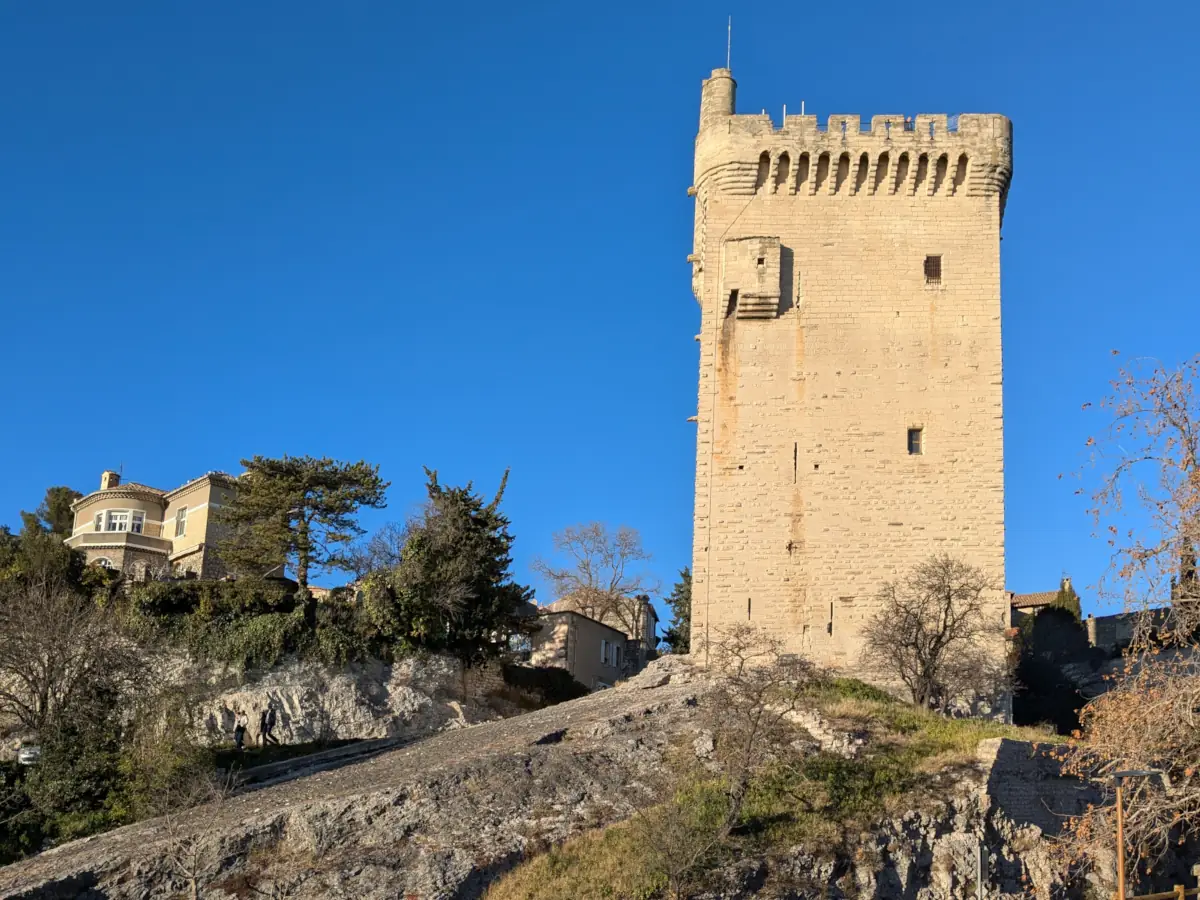
The Tour Philippe-le-Bel guarded the bridge entrance
A fortress was built near the river between 1293 and 1307 to control the western entrance to the Saint-Bénézet Bridge. The Tour Philippe-le-Bel is now its main surviving structure. Travellers and goods arriving from Avignon entered the Kingdom of France here.
The medieval bridge crossed the different channels of the Rhône and the islands that occupied the site of today’s Barthelasse before reaching this bank. From the tower terrace, its former course can still be traced in the landscape: Avignon and its ramparts to the east, the Rhône plain to the south, and the centre of Villeneuve and Mont Andaon to the north.
The Colline des Mourgues above the Tour district
From the Tour district, the path climbs the Colline des Mourgues, south of the historic centre. This enclosed, wooded seven-hectare estate overlooks the rooftops of Villeneuve. Among the pines and holm oaks, openings in the terrain reveal in turn the Tour Philippe-le-Bel, Fort Saint-André and Avignon beyond the Rhône.
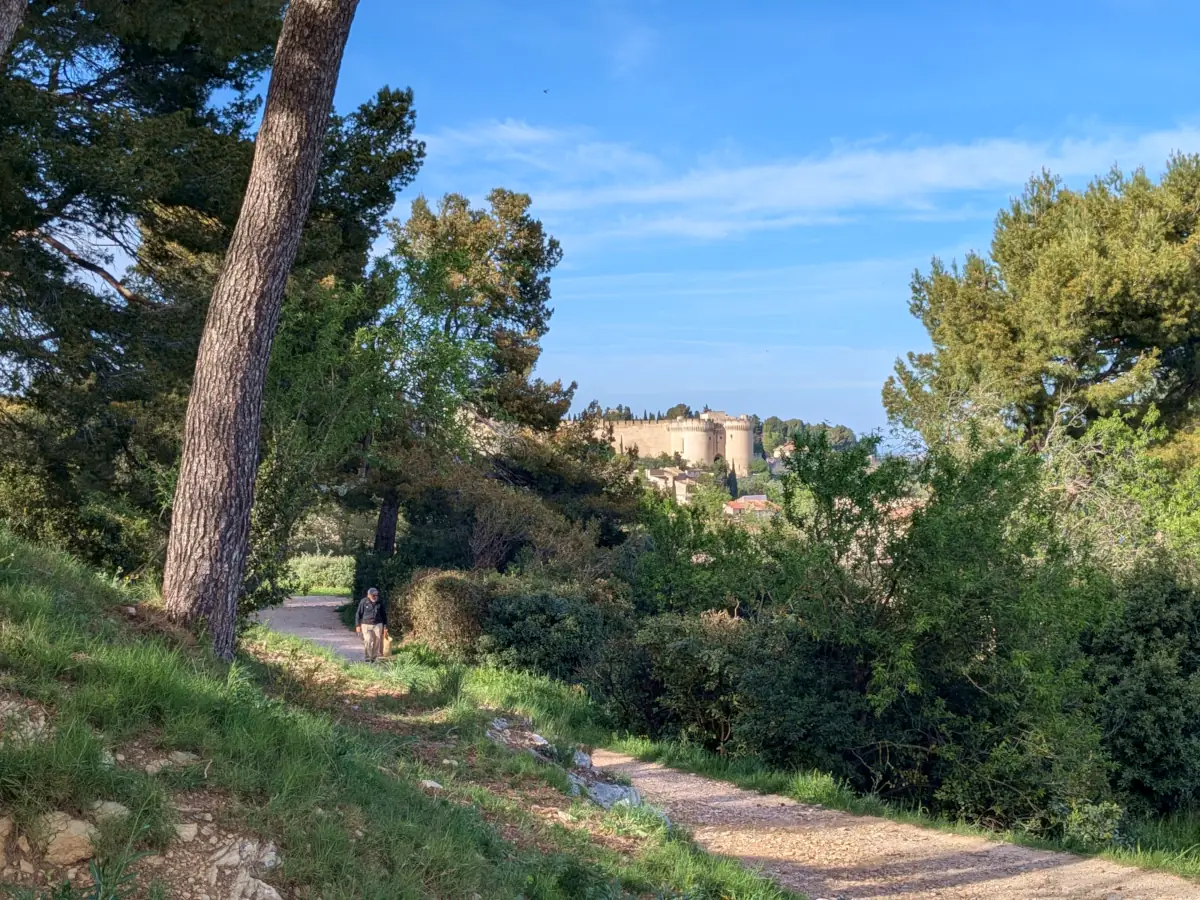
The hill also preserves a later chapter of history: the last Carthusian monk in Villeneuve lived among the remains of the Petite Chartreuse after the French Revolution. The small Notre-Dame-de-Consolation chapel stands at the estate’s highest point. Descending towards the centre, the path reaches the old streets and Place Jean-Jaurès.
Place Jean-Jaurès in the heart of the historic centre
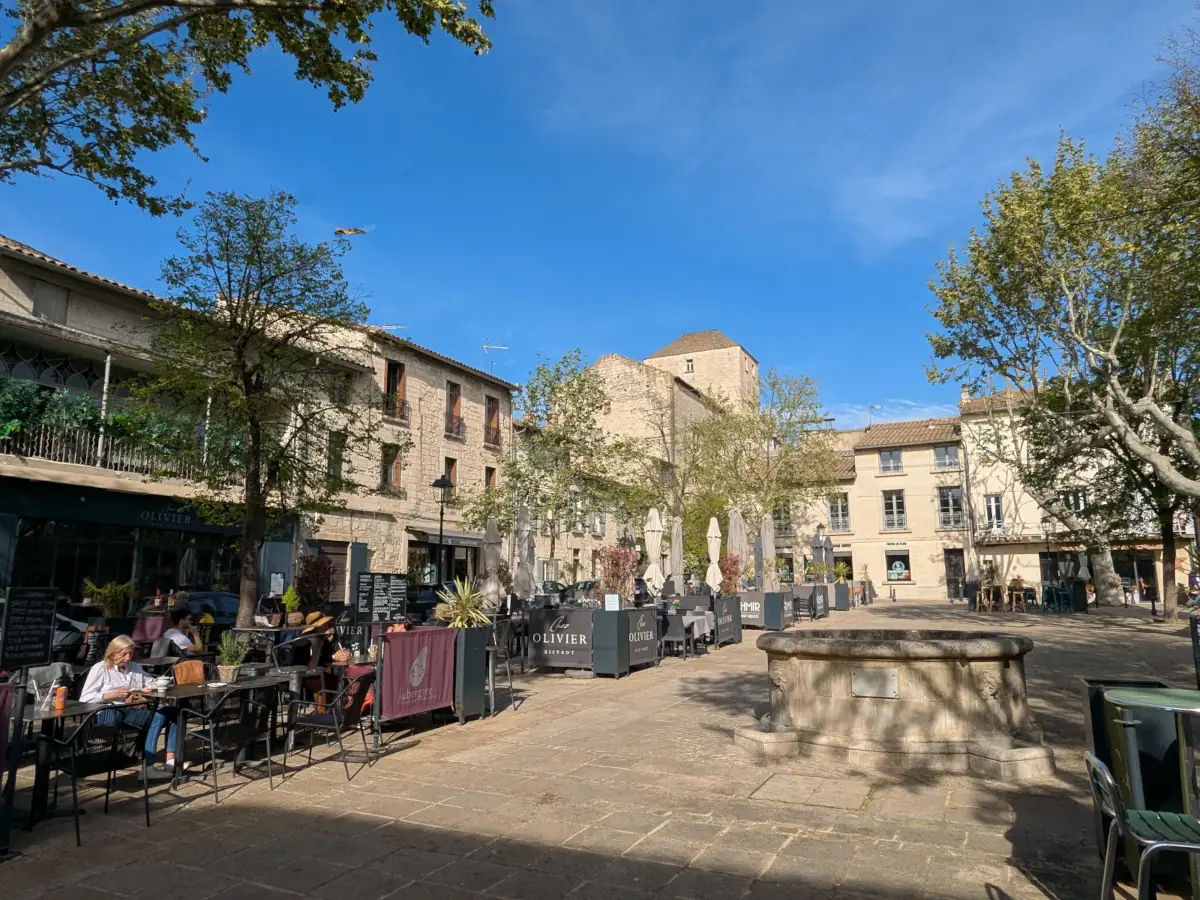
Place Jean-Jaurès lies at the centre of old Villeneuve, bordered by stone façades and café terraces. Beneath the plane trees, the terraces offer a shaded pause before the climb resumes. The Notre-Dame collegiate church, its cloister and the Pierre-de-Luxembourg Museum are nearby. From the square, the streets climbing towards Mont Andaon still pass several buildings that once formed part of the cardinals’ residences.
The climb to the Fort and the Livrée de Giffone
After the papacy settled in Avignon in 1309, cardinals and prelates built residences surrounded by courtyards and gardens on the right bank of the Rhône. Known as livrées, they did not form an isolated district: their buildings became part of the town’s streets, and several were altered over the centuries.
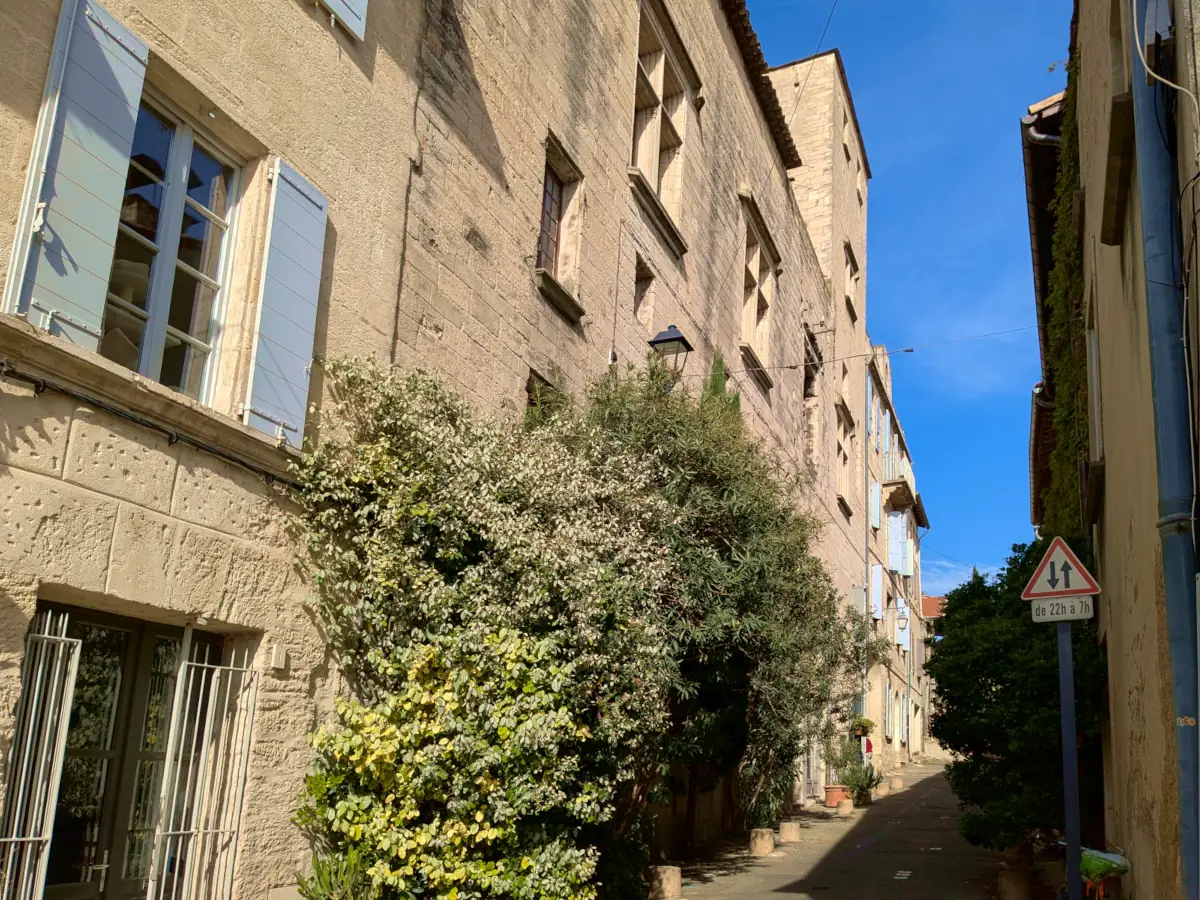
On the Montée du Fort stands the palace built for Cardinal Bertrand du Pouget. After his death in 1352, the residence passed to Audouin Aubert, a nephew of Innocent VI, and was later occupied by the Franciscan cardinal Leonard de Giffon. This succession explains its two present names: the Palais de Bertrand du Pouget and the Livrée de Giffone.
The twin towers of Fort Saint-André
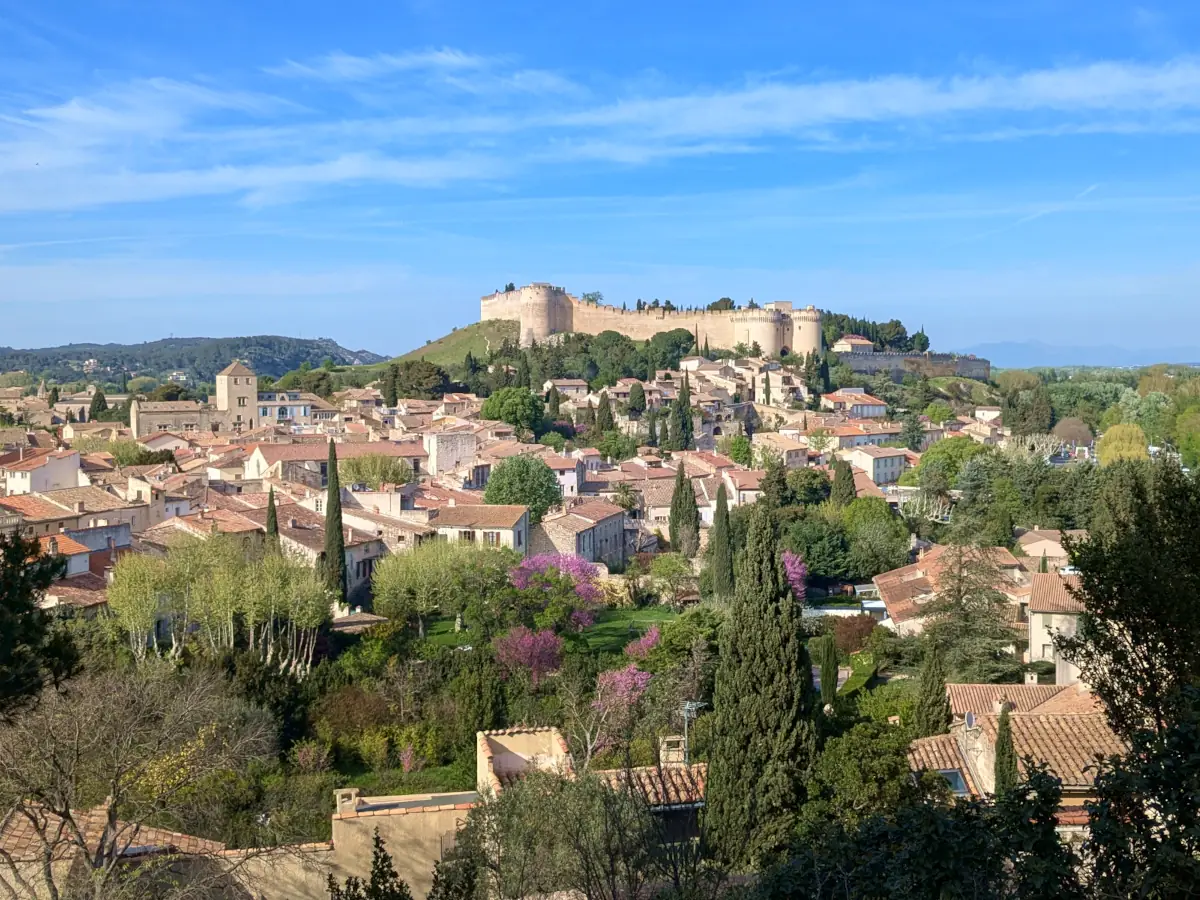
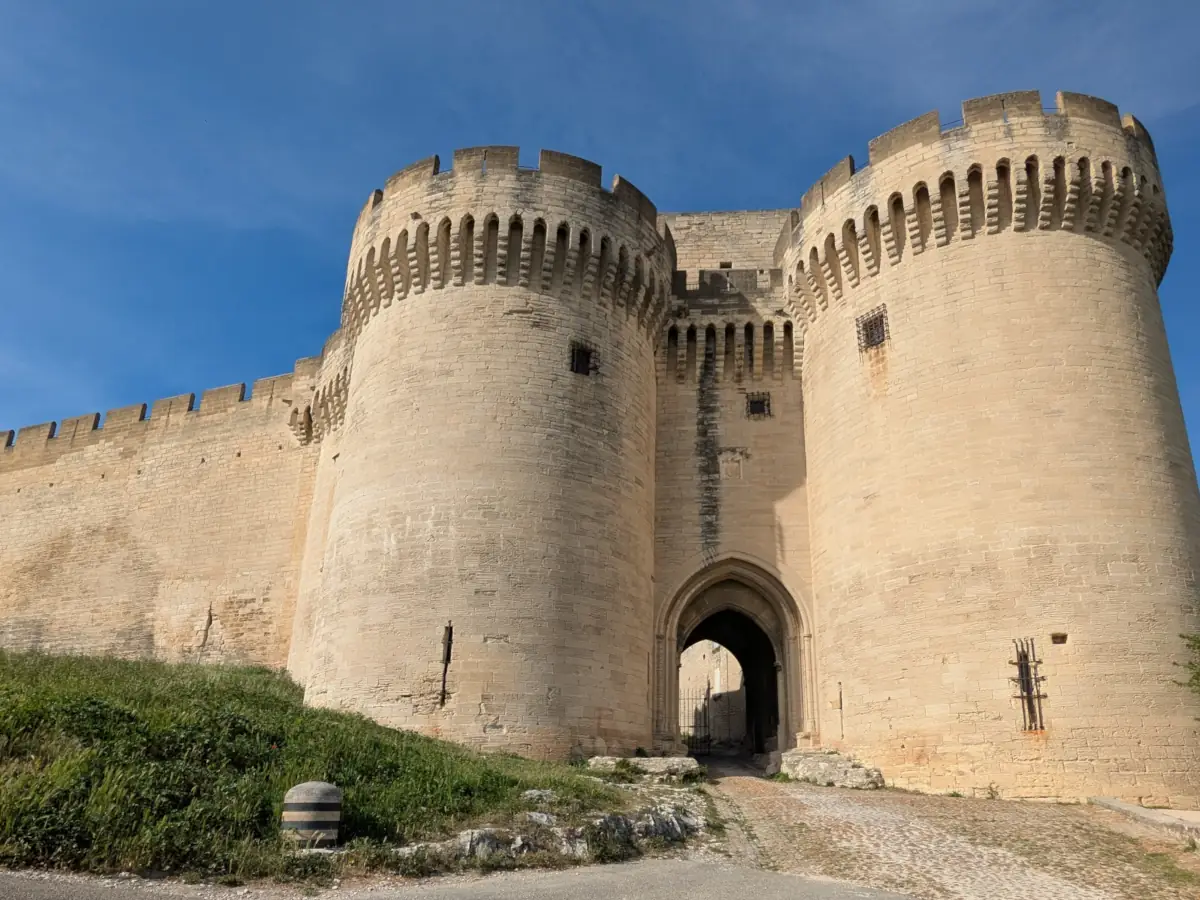
The climb ends at Fort Saint-André, at the top of Mont Andaon. Its walls enclose the former Benedictine abbey and the Bourg Saint-André, both established on the hill before the royal town was founded. The fort seen today was built mainly between 1362 and 1368, during the reign of John II the Good, to assert the presence of the French king opposite the lands of Avignon.
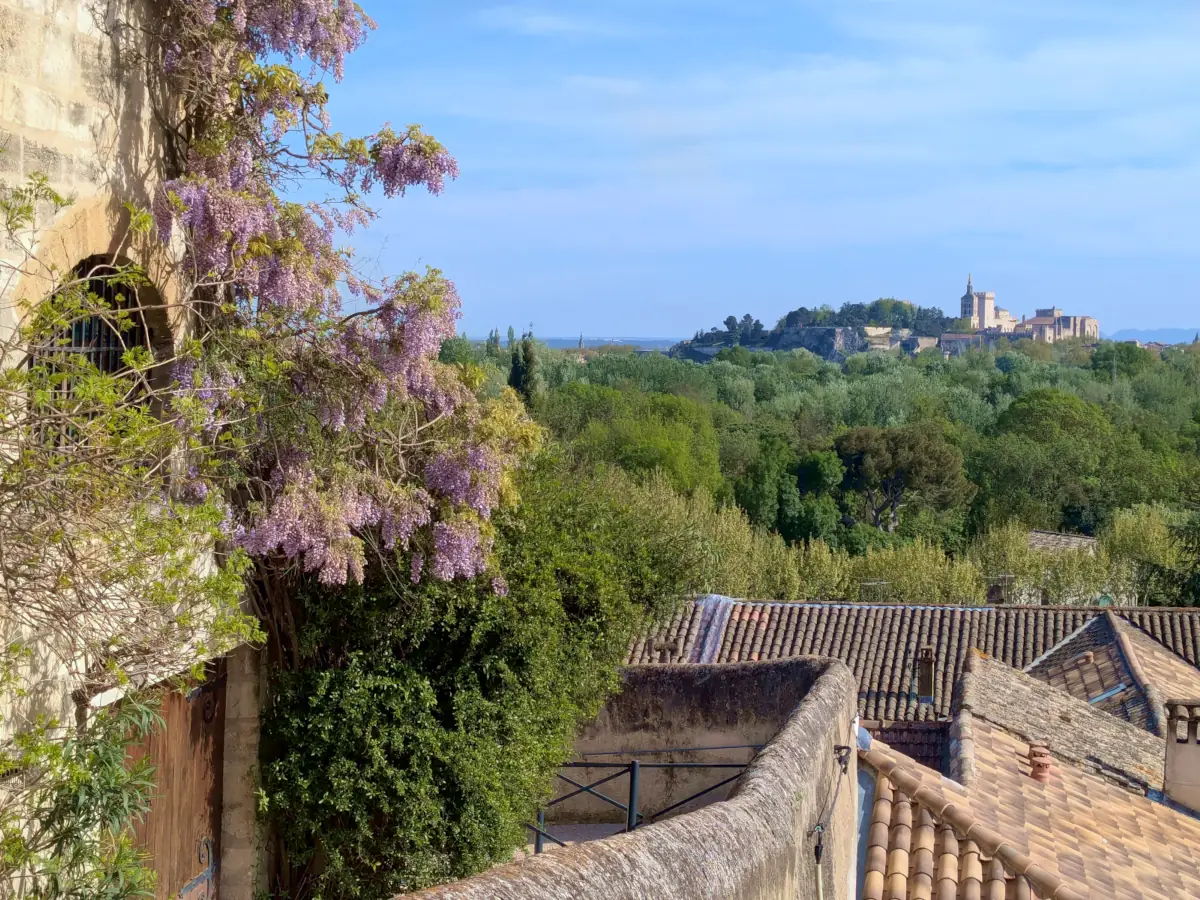
The two round towers frame the entrance and overlook the historic centre. From the heights, the view takes in the Rhône, the Rocher des Doms, the ramparts and the imposing Palace of the Popes.
Innocent VI’s Charterhouse below Mont Andaon
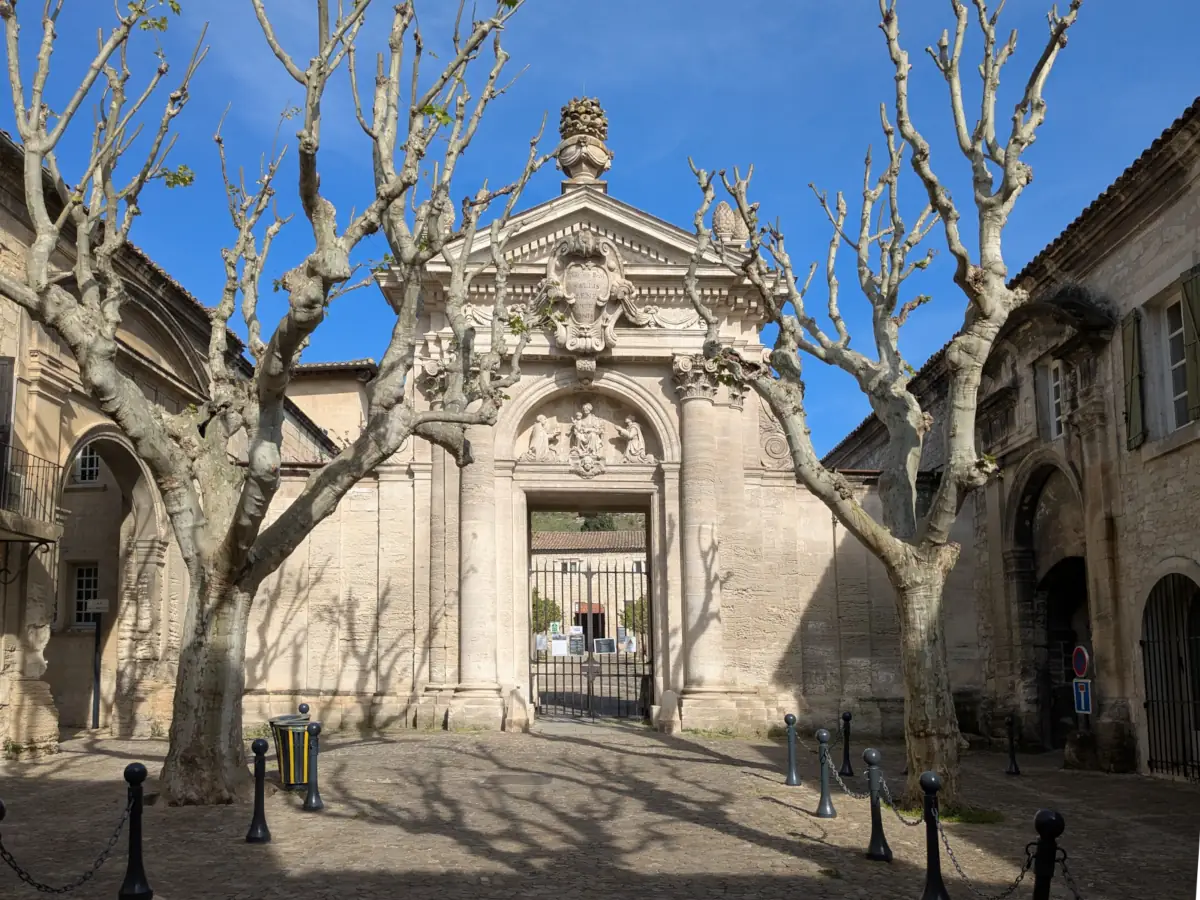
On the descent from the fort towards the historic centre, the route passes the Chartreuse du Val de Bénédiction. In the mid-14th century, Étienne Aubert, who became Pope Innocent VI, turned his former cardinal’s palace into a monastery and chose to be buried there. Beyond the monumental gateway lie cloisters, cells, chapels and gardens. One chapel contains frescoes by Matteo Giovannetti, who also worked at the Palace of the Popes. Today, the Centre national des écritures du spectacle welcomes writers and theatre companies. This contemporary presence of the performing arts extends, on the opposite bank, Avignon’s relationship with theatre in July.
Towards the Rhône Valley and the Provençal Gard
Beyond Mont Andaon, Villeneuve opens onto the Rhône Valley and the Provençal Gard. To the north, roads cross the Pujaut plain and the vineyards of Tavel and Lirac; to the west, the Pont du Gard and Uzès extend the journey into the countryside.
To the south, on the opposite bank, Boulbon still holds the castle that watched the same border from the Provençal side.
Extend your stay
Guest houses around Avignon for exploring both banks
These properties listed on the Portal are within 25 km as the crow flies of the location featured in this getaway. Visit their websites to plan your stay.
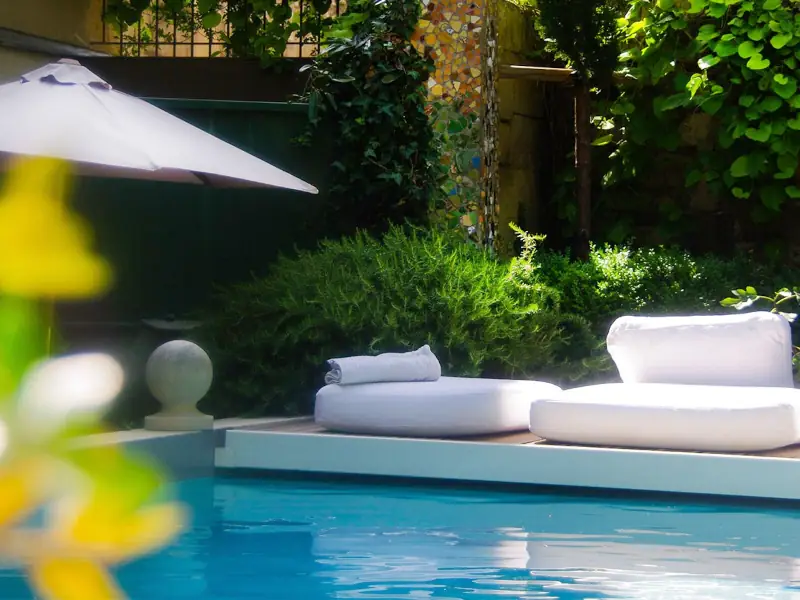
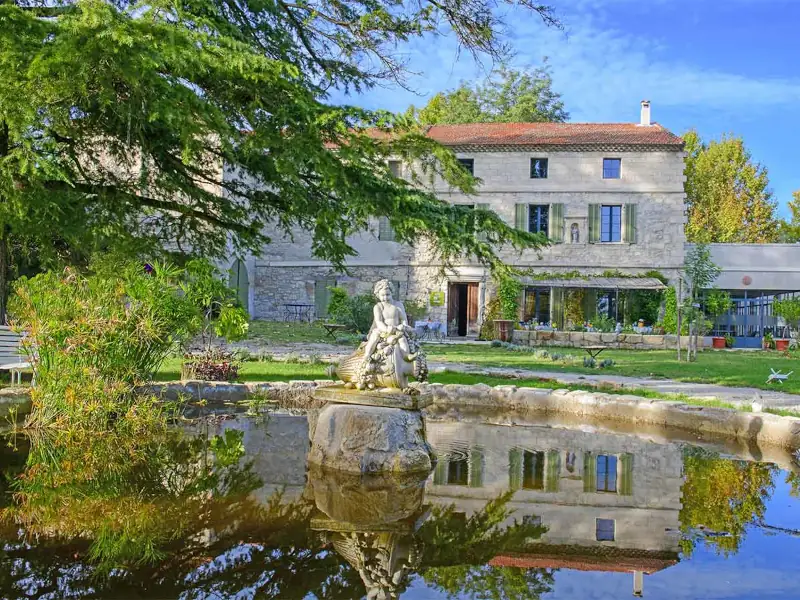
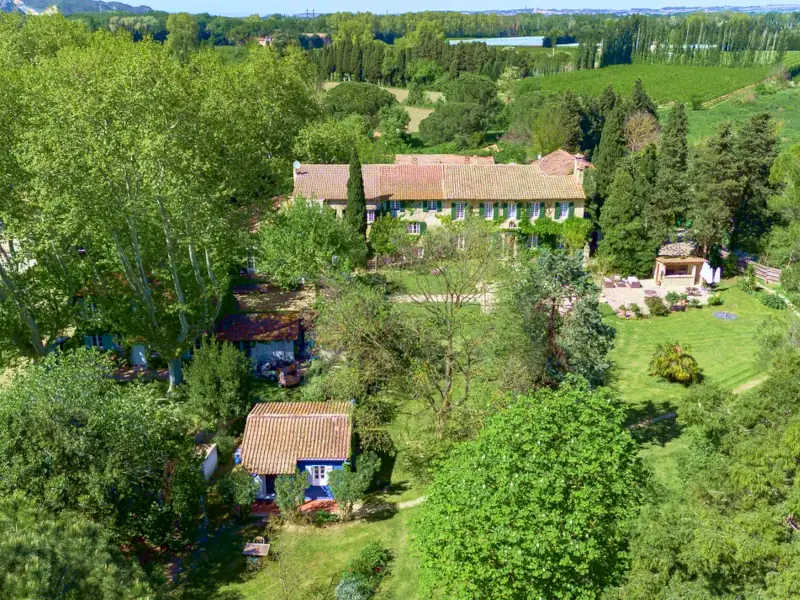
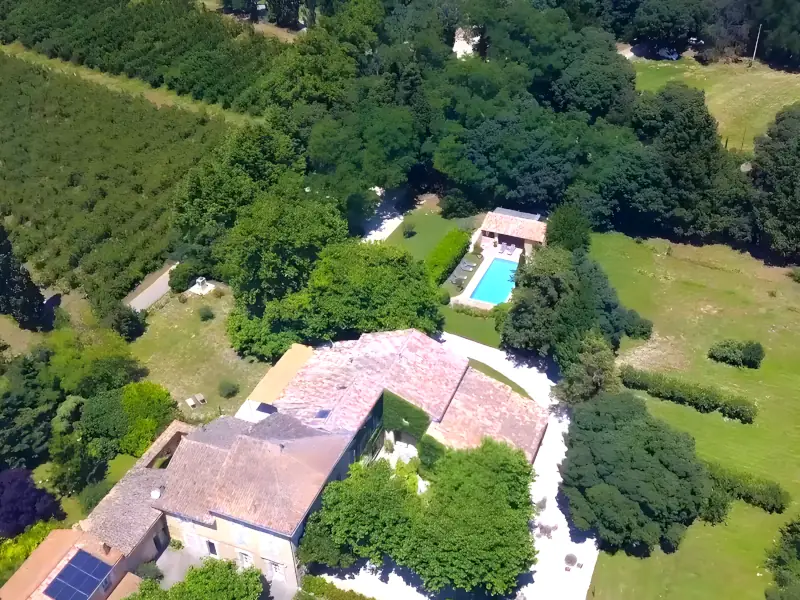
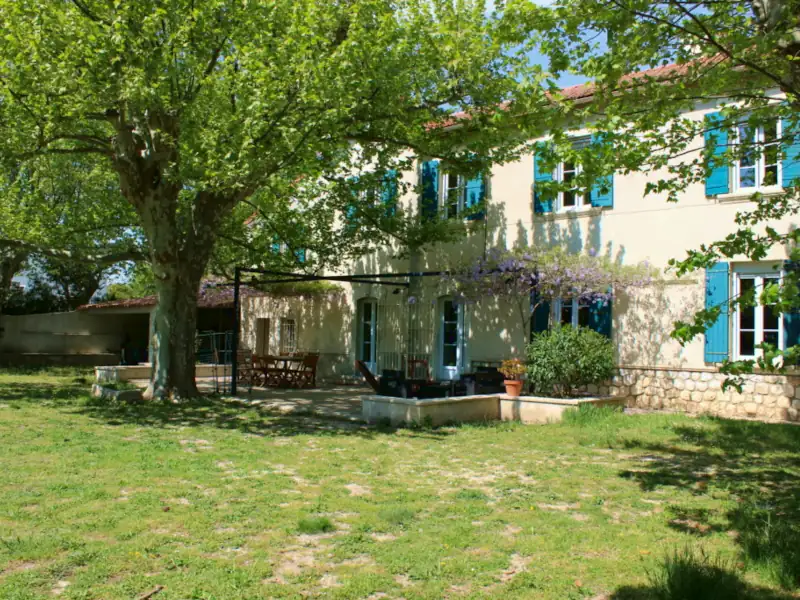
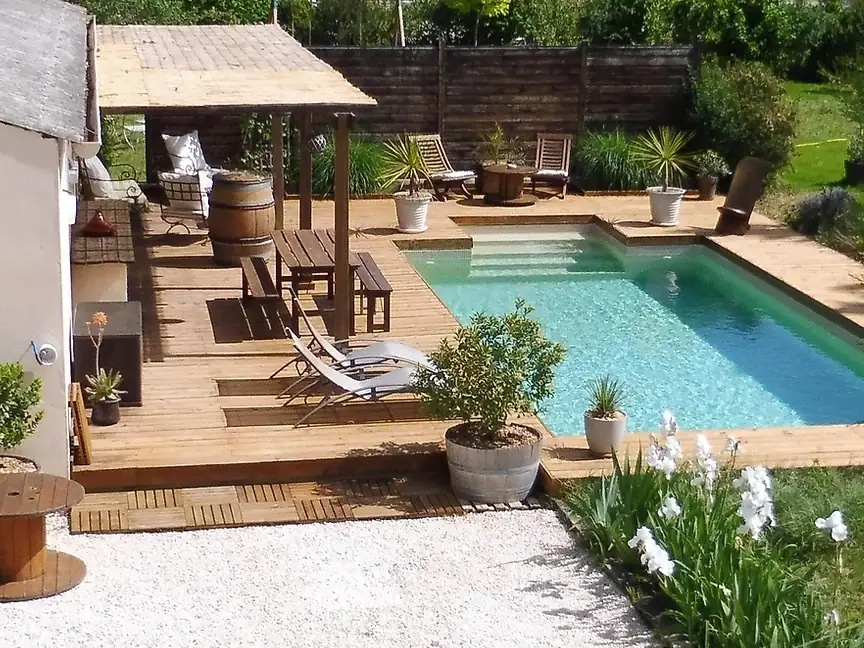
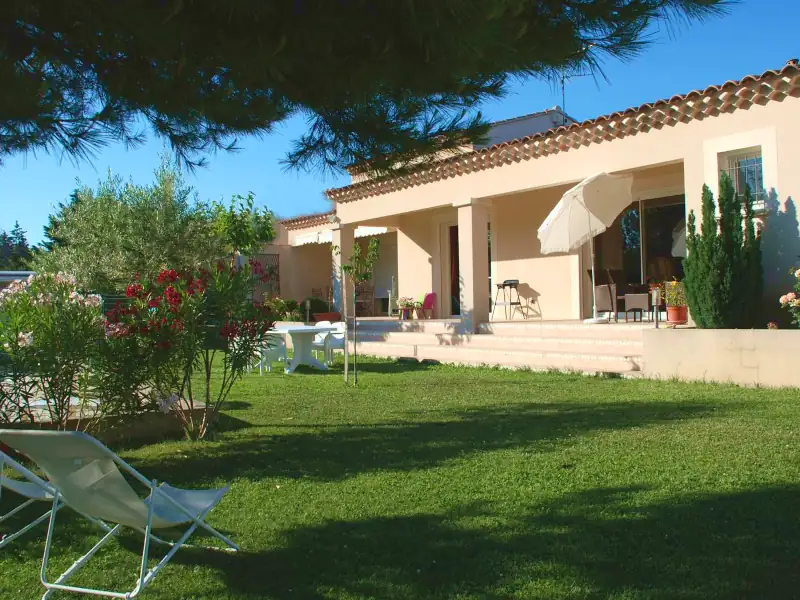
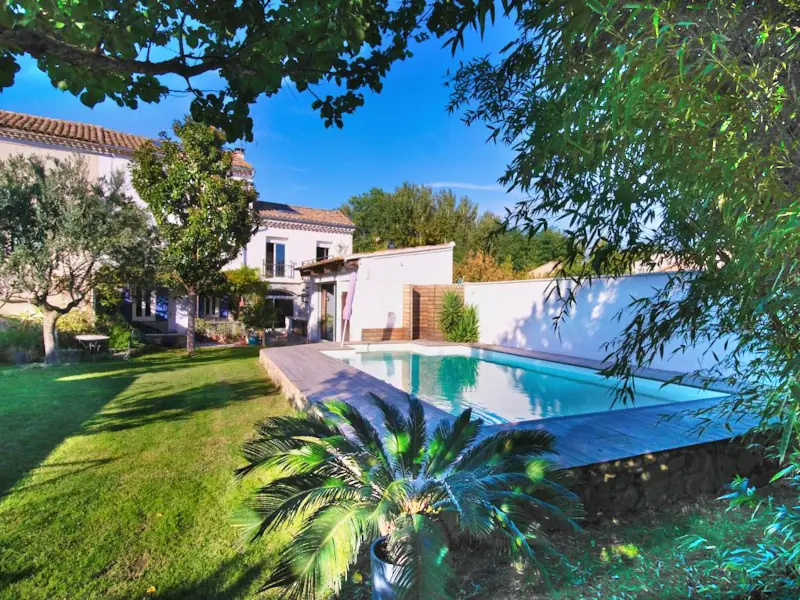
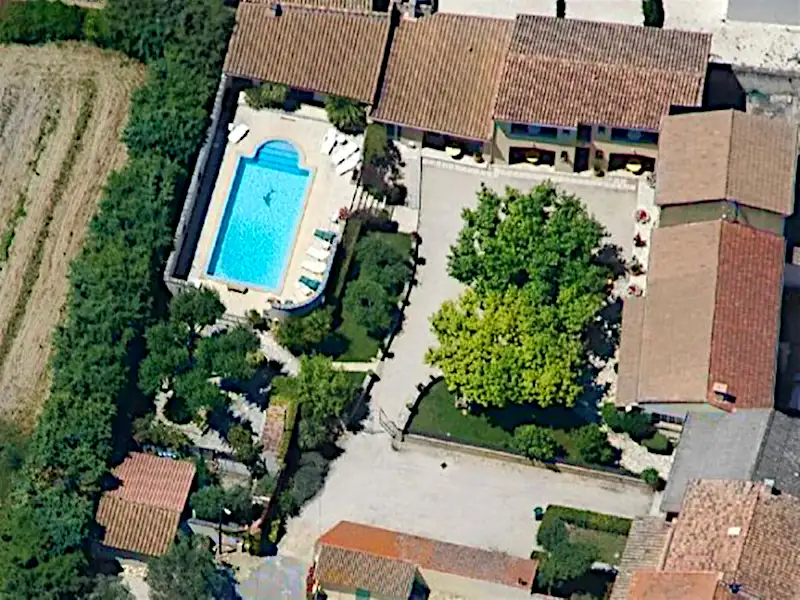
Le Mas de l'Amandier
Charming Bed and breakfast and holiday rental
St Saturnin lès Avignon
Visit website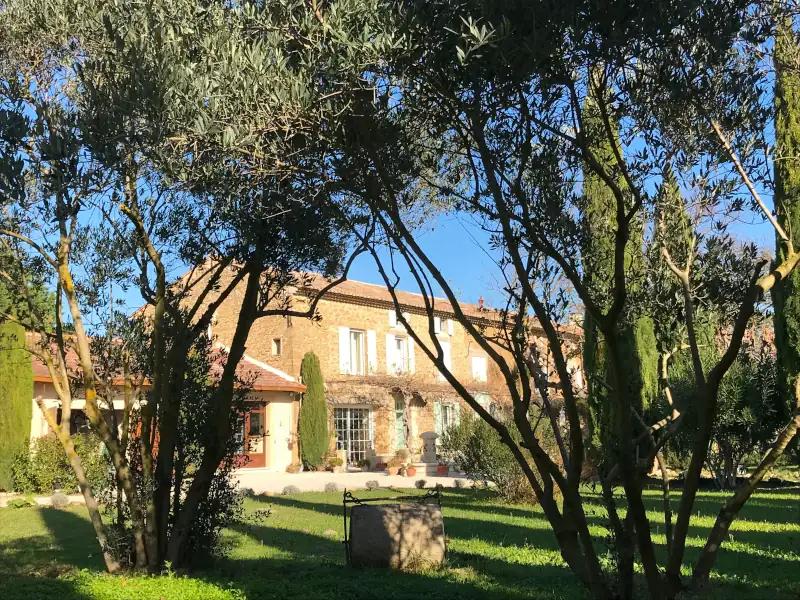
Fontaine des Magnarelles
Charming Bed and breakfast
Althen des Paluds
Visit website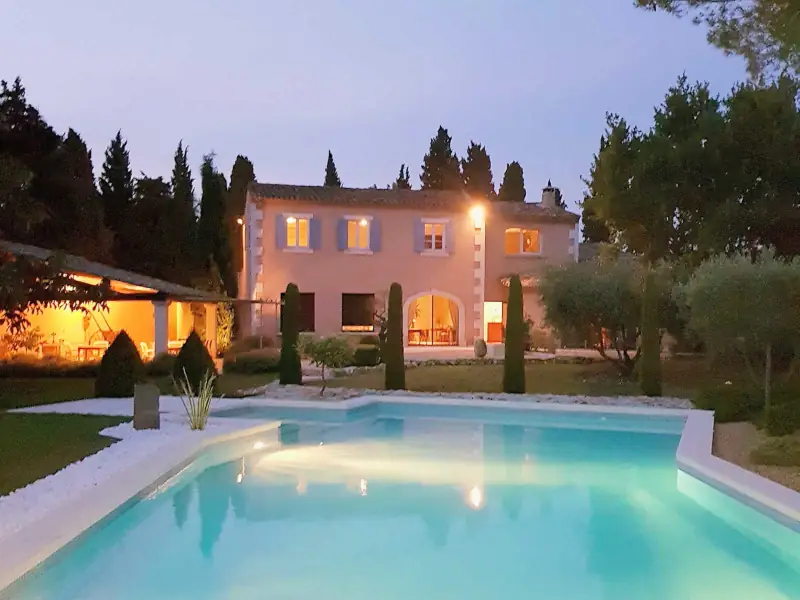
L'Oréliane
Charming Bed and breakfast
Châteauneuf de Gadagne
Visit website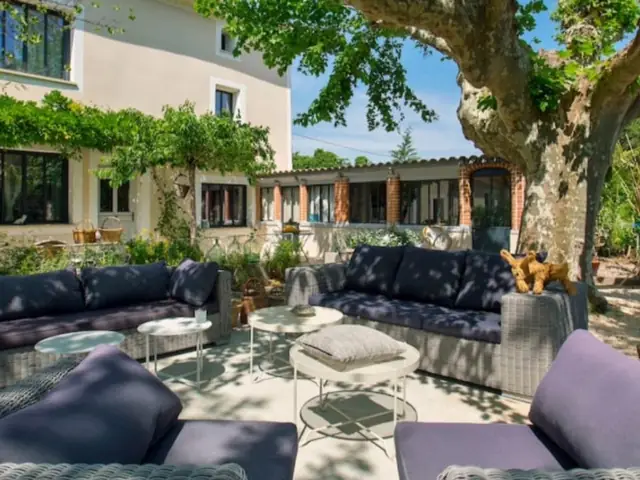
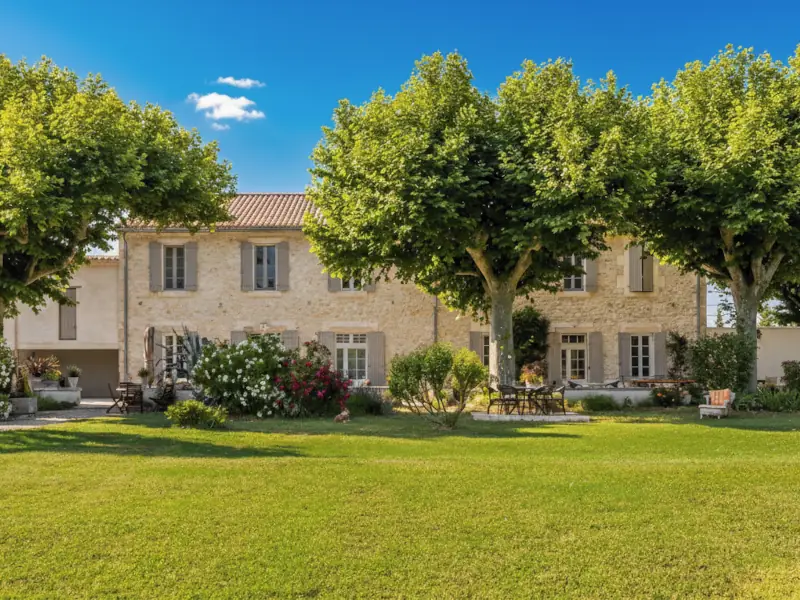
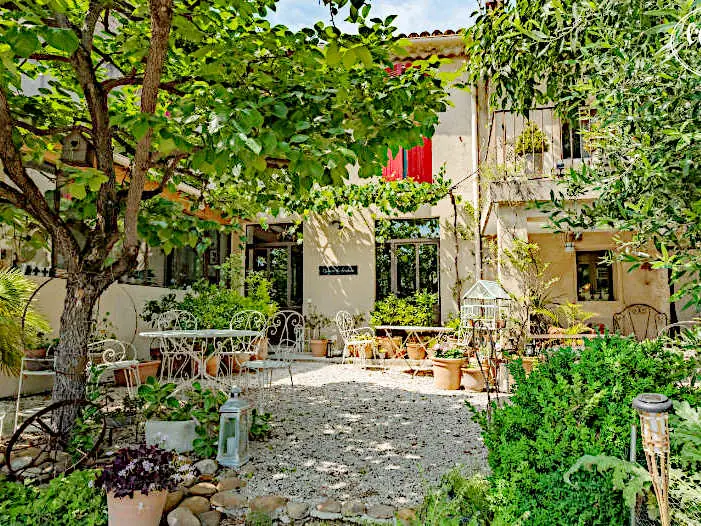
La Bastide des Amouriers
Charming bed and breakfast and Gite
Caumont-sur-Durance
Visit website