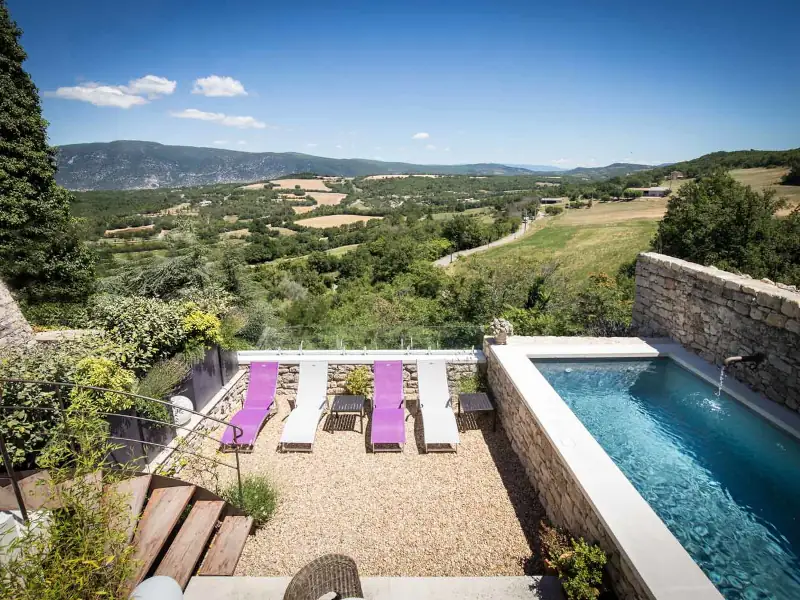
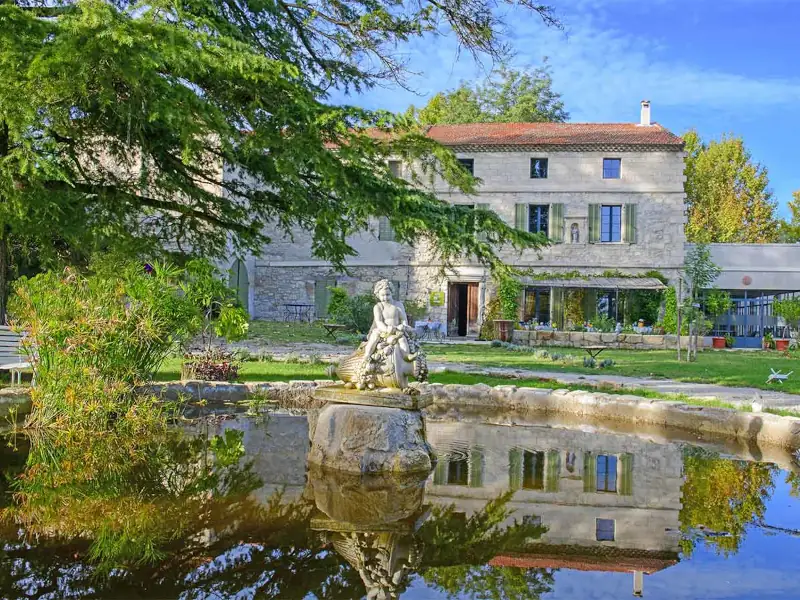
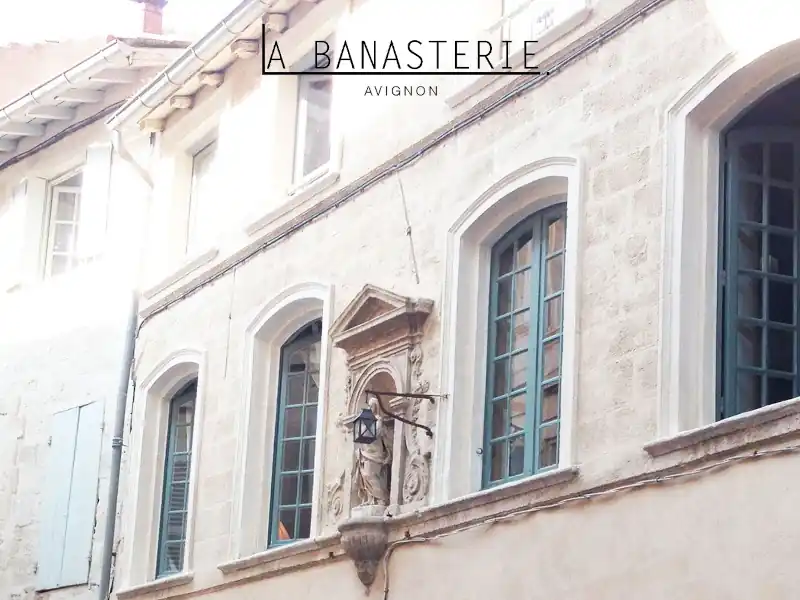
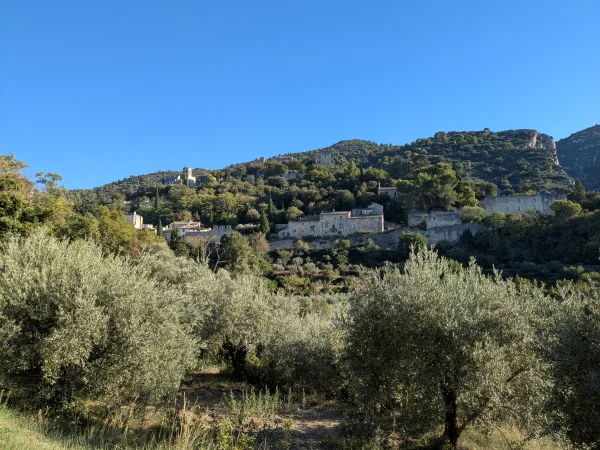
Vaucluse brings together historic towns, hilltop villages, vineyards and mountain scenery. When planning a stay in a B&B or holiday cottage, a few geographical landmarks help you group visits together without spending too much time travelling.
Avignon, the Sorgue and the Rhône Valley
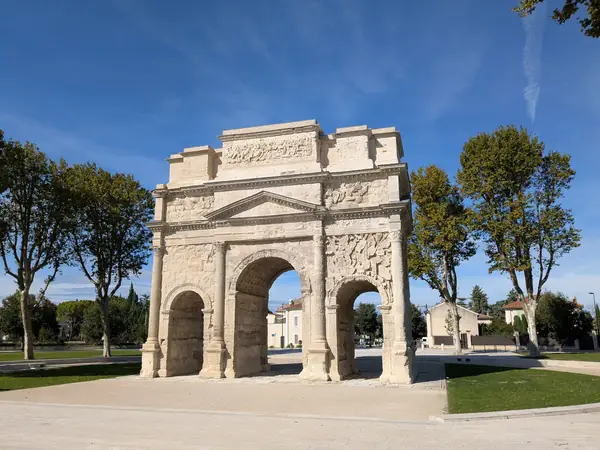
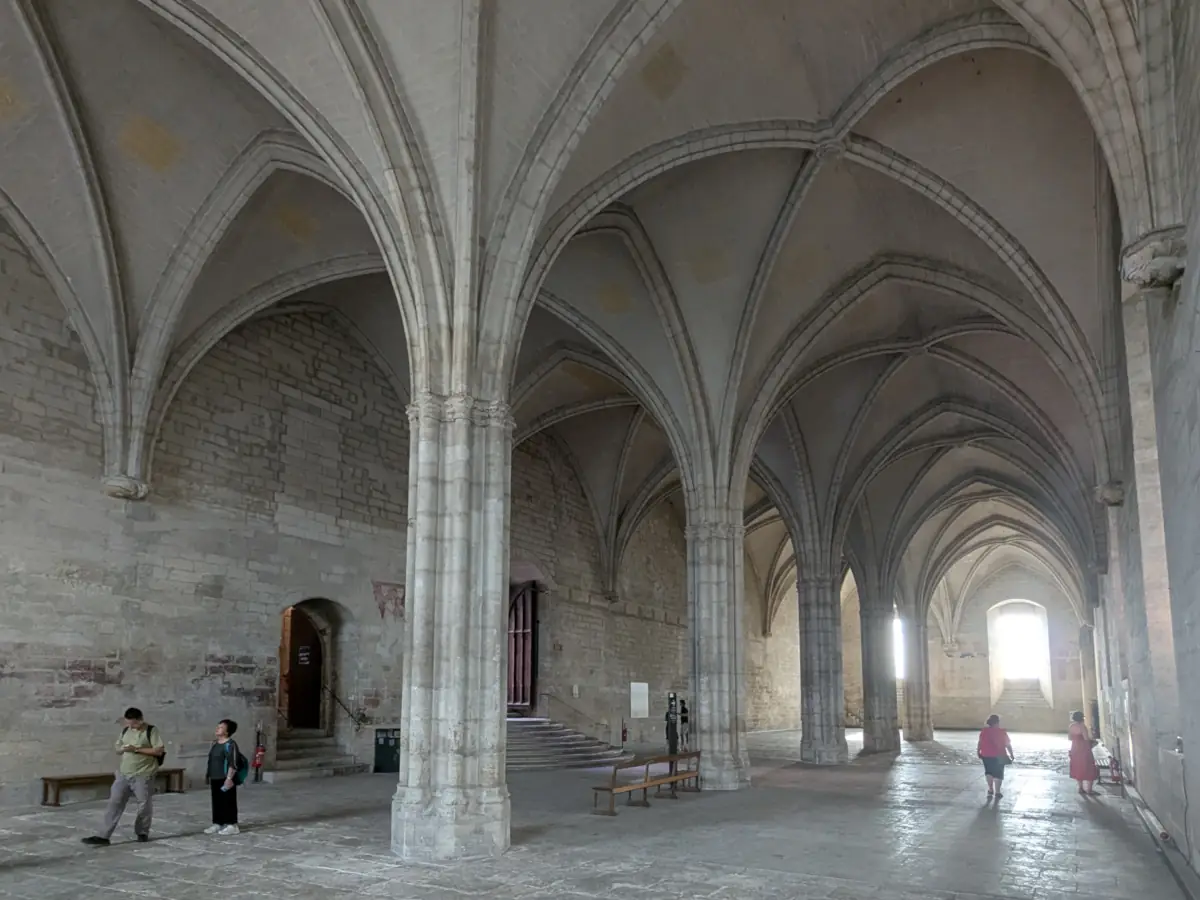
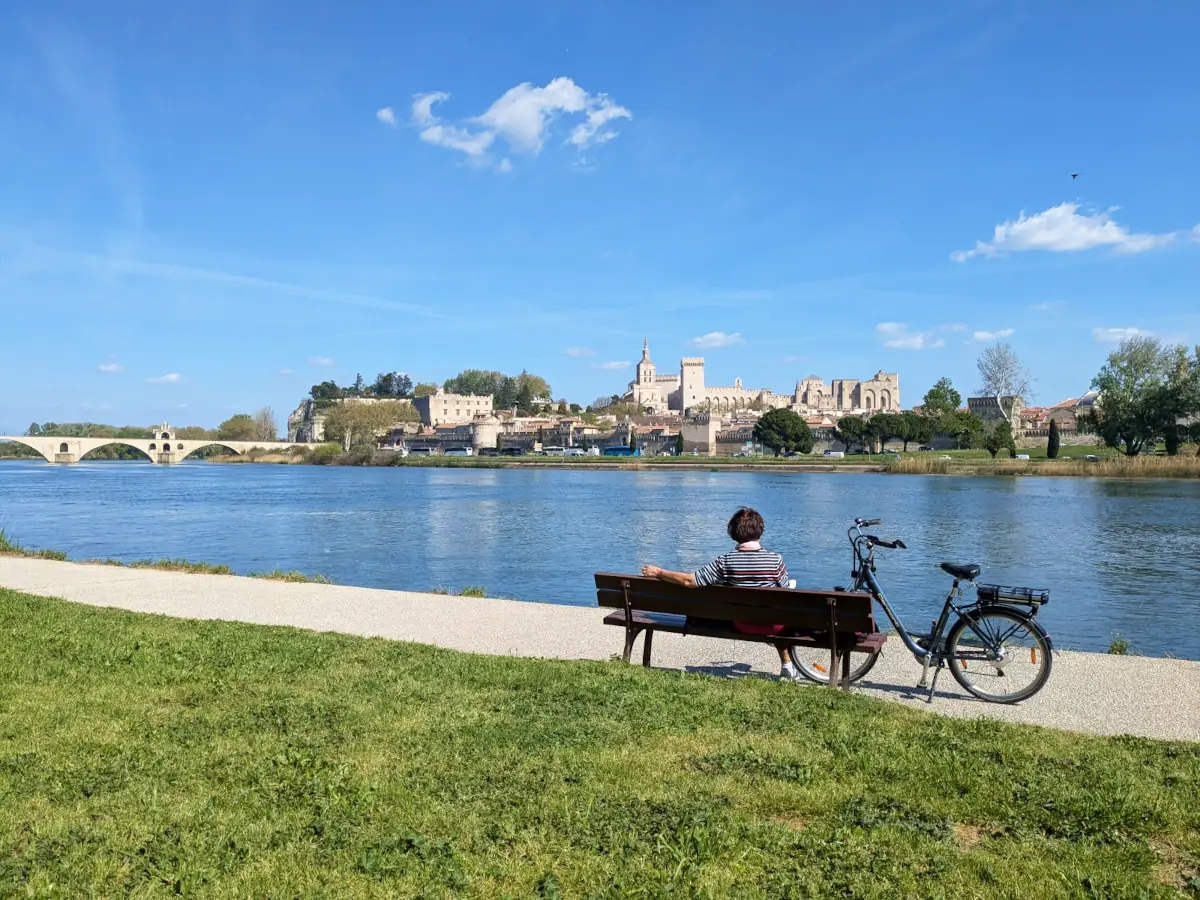
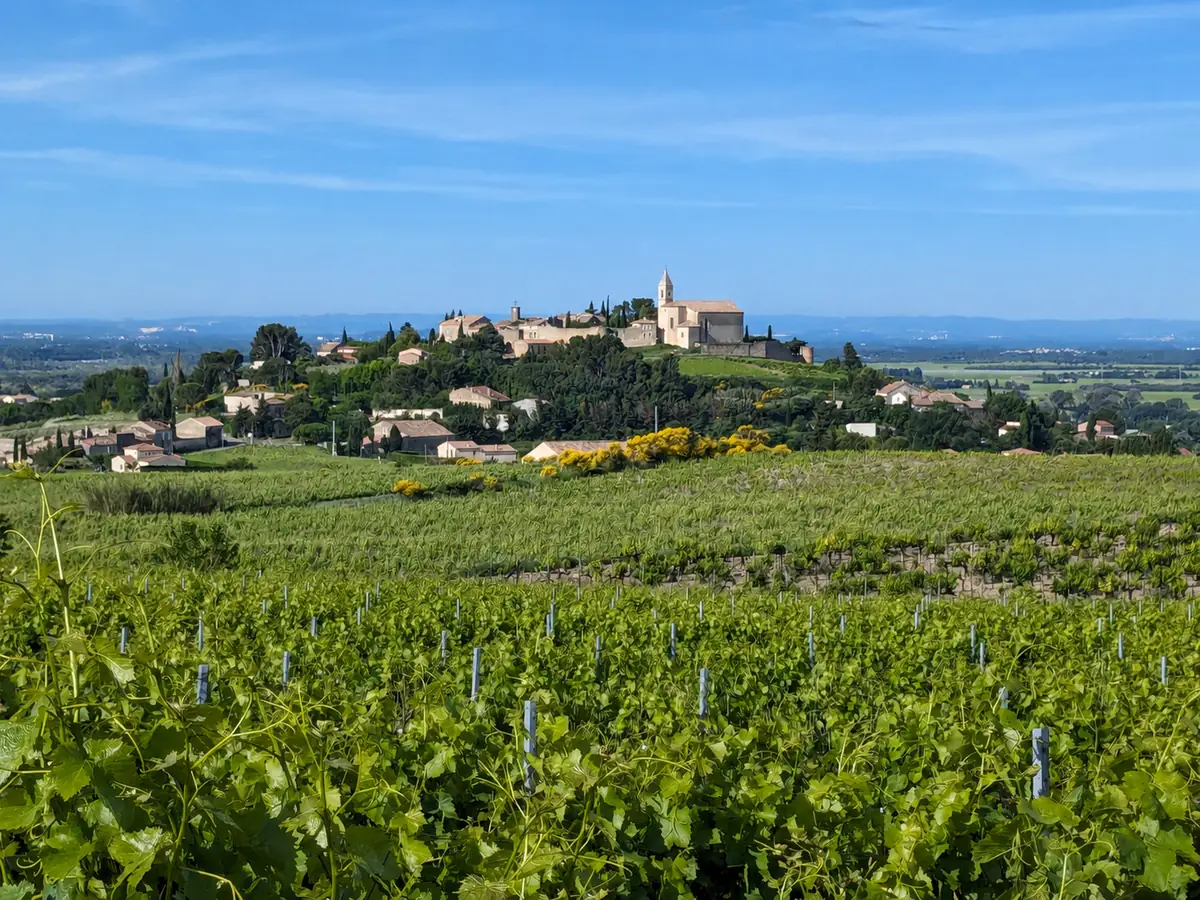
In the west, Avignon can be explored around the Palais des Papes, city walls and museums. Further north, the Roman theatre in Orange and the ancient remains in Vaison-la-Romaine offer an introduction to Roman history. On the hillsides, Châteauneuf-du-Pape, Gigondas and Vacqueyras combine village visits with vineyard discoveries.
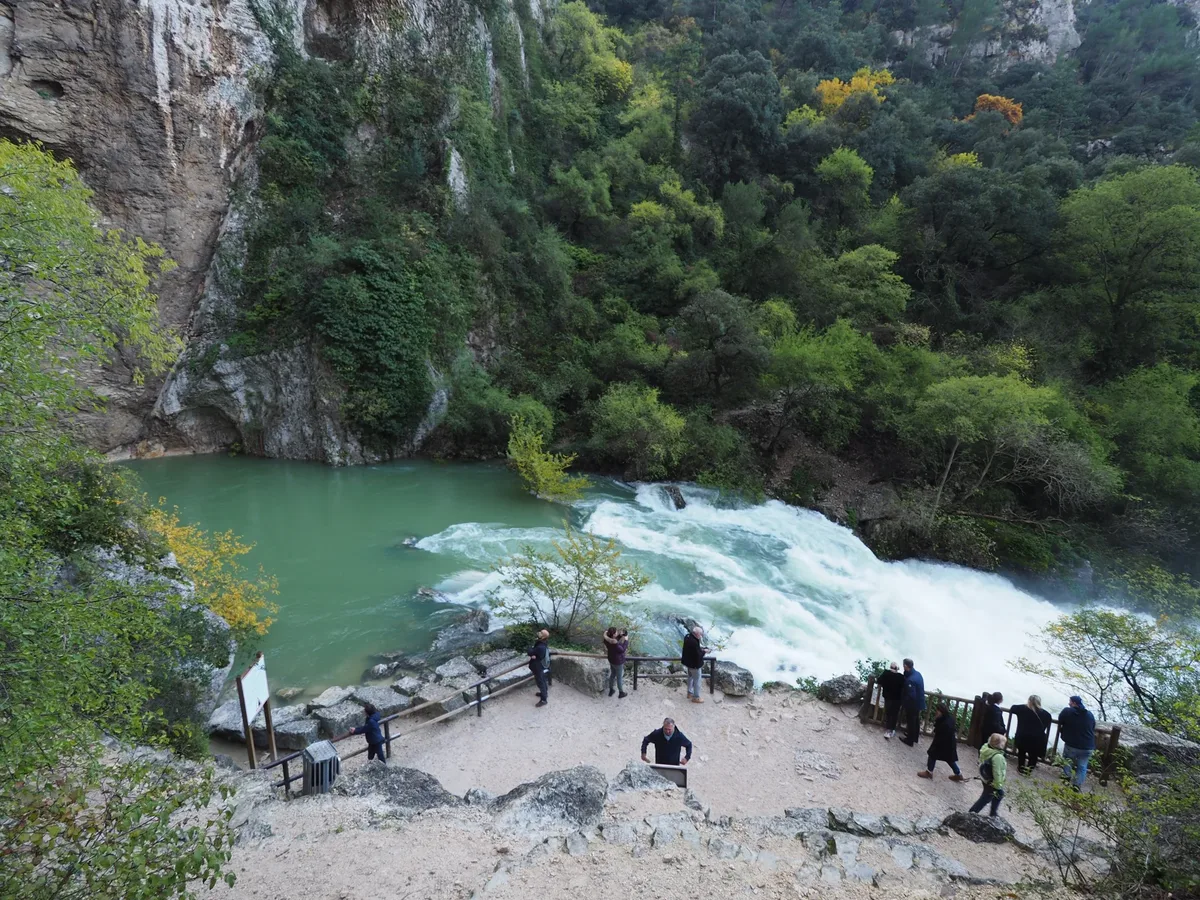
In L’Isle-sur-la-Sorgue, canals, waterwheels and antique shops make another stop. The nearby spring at Fontaine-de-Vaucluse lets you follow the Sorgue to the foot of the cliff. Carpentras and the villages of the Comtat Venaissin extend these outings between farmland and foothills.
The Luberon, Ventoux and the plateaux
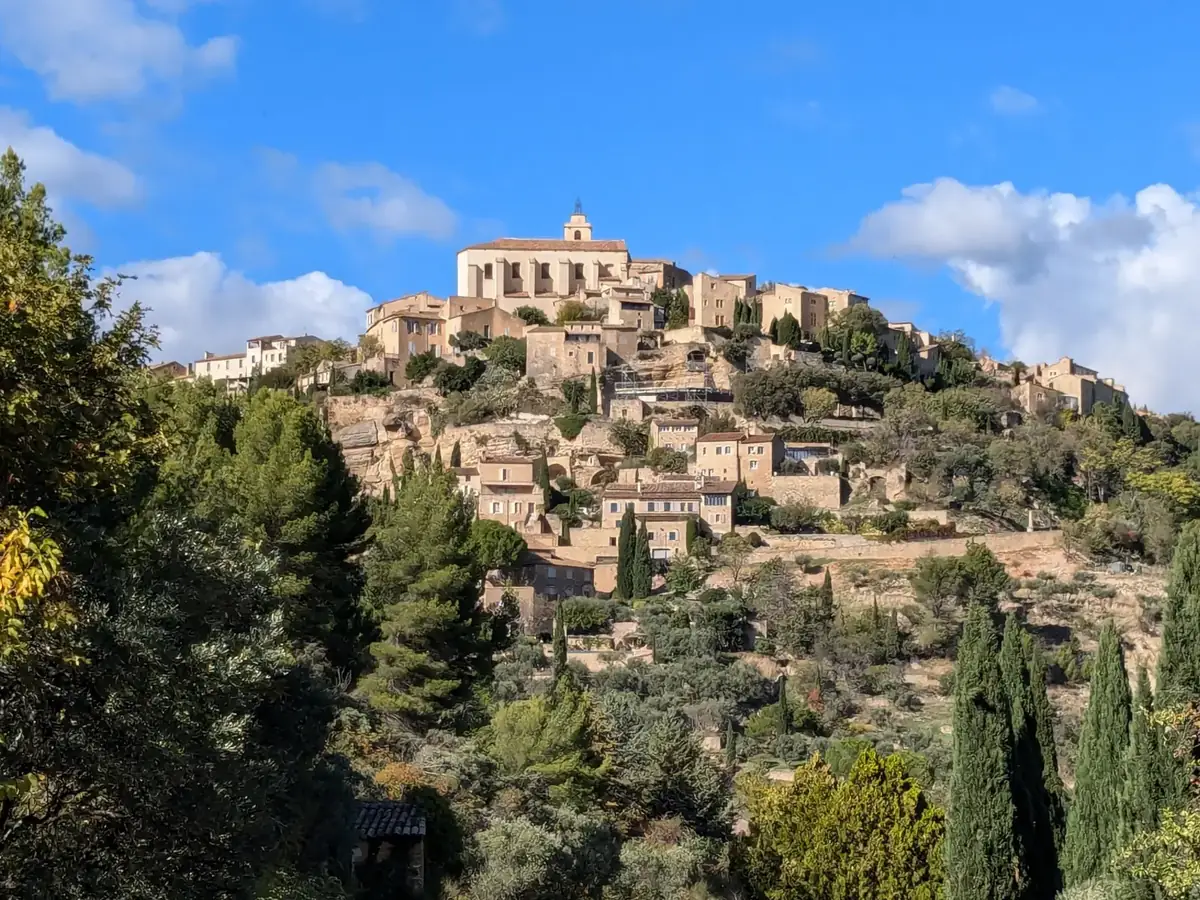
In the south-east, the Luberon includes Gordes, Ménerbes, Bonnieux and Lourmarin. Villages lie on both sides of the massif: plan visits around the routes across it rather than distances alone. Roussillon’s ochre landscapes, country paths and the market in Apt provide further outings.
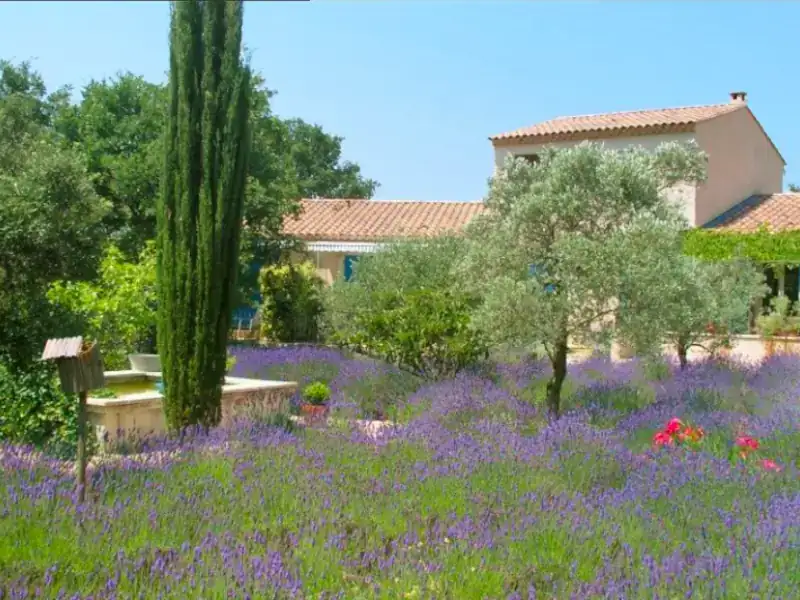
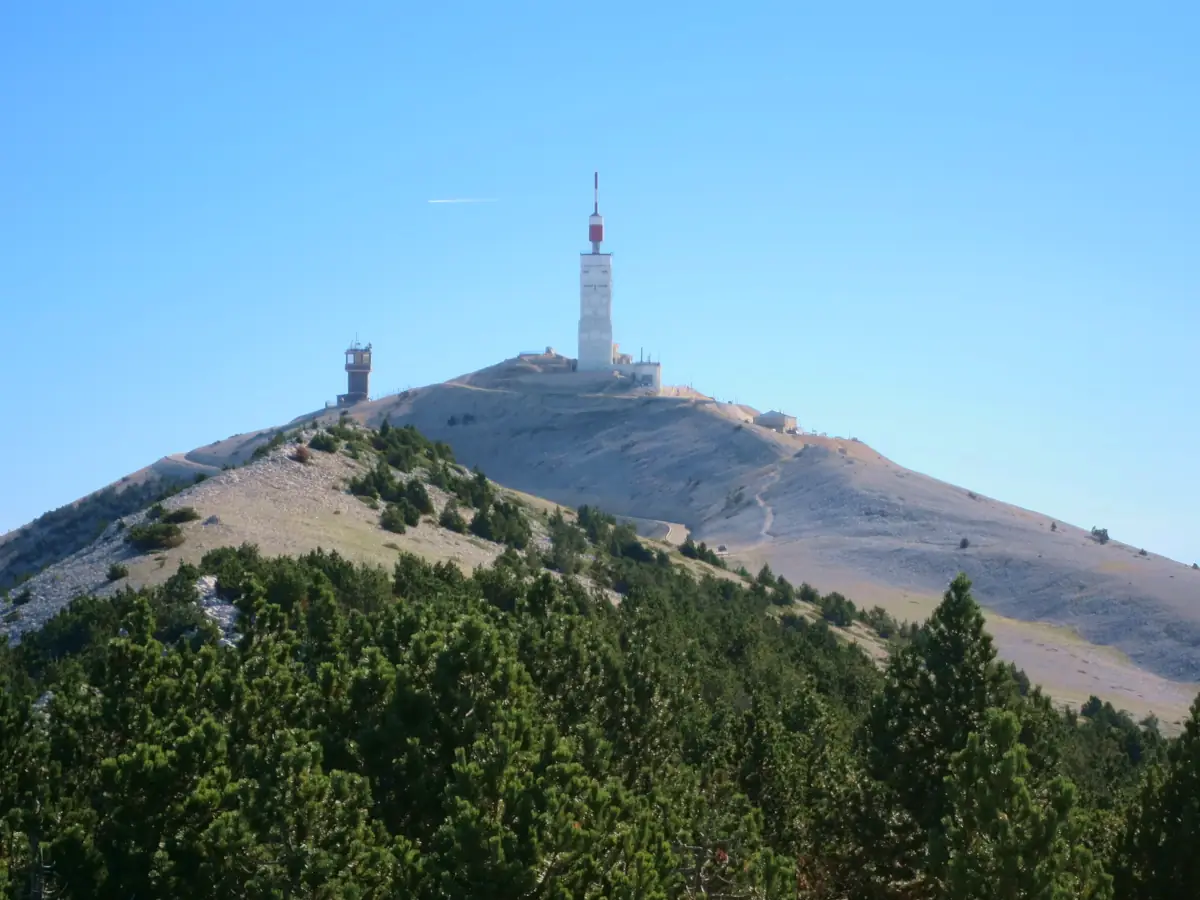
Further north, Mont Ventoux rises between vineyards, forests and plateaux. Bédoin and Malaucène give access to its slopes; the Nesque Gorges offer a road itinerary between Villes-sur-Auzon and the heights around Monieux. Around Sault and the Albion Plateau, small roads link lavender fields and villages. Allow separate days for this area rather than combining it with Avignon or the Luberon.

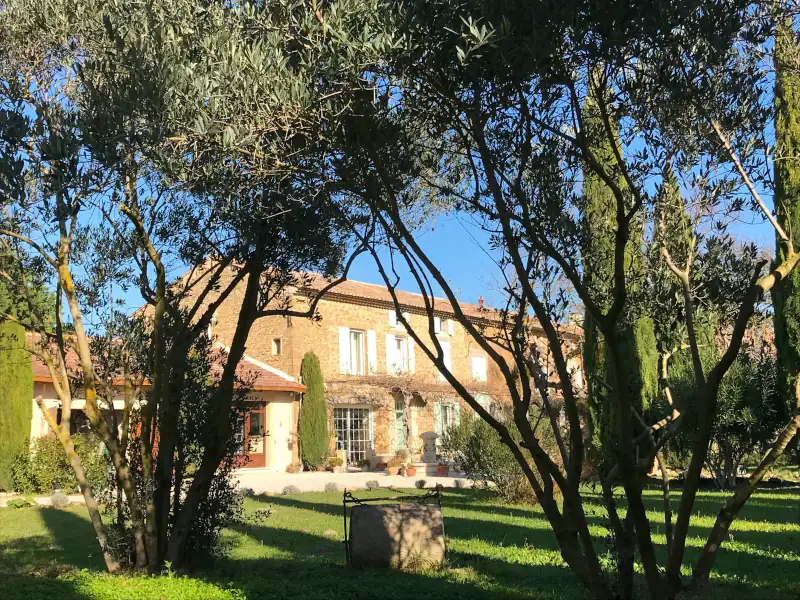
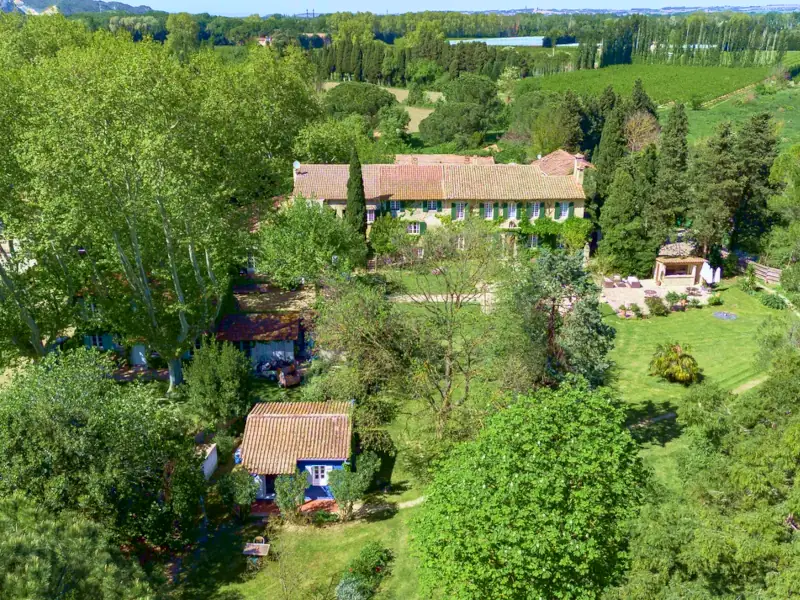
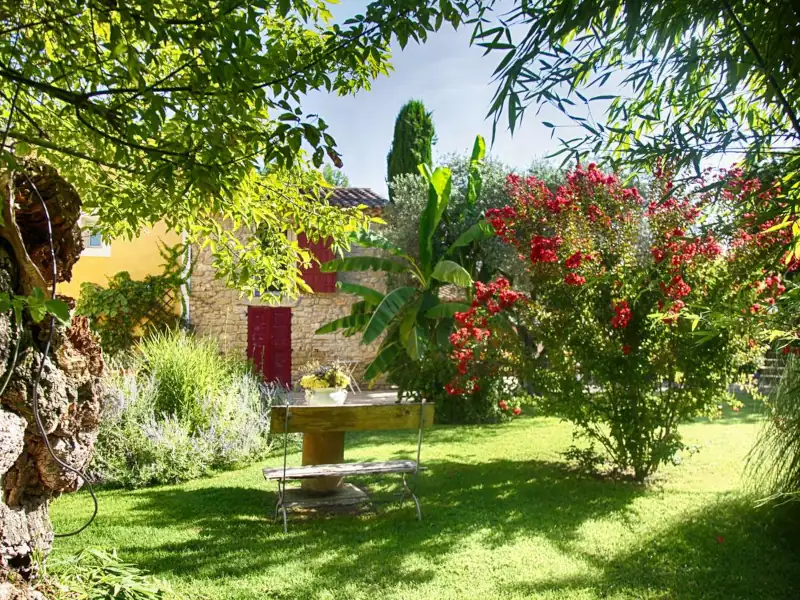
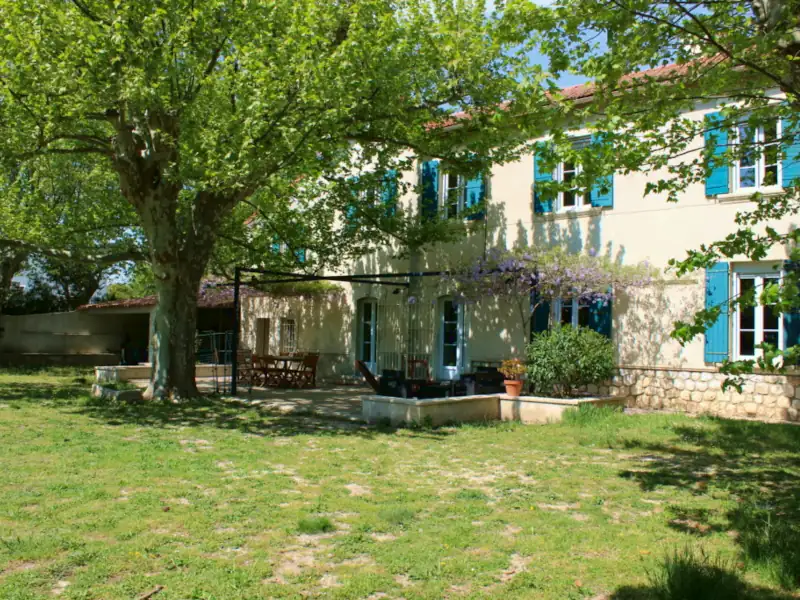
 Garden or park