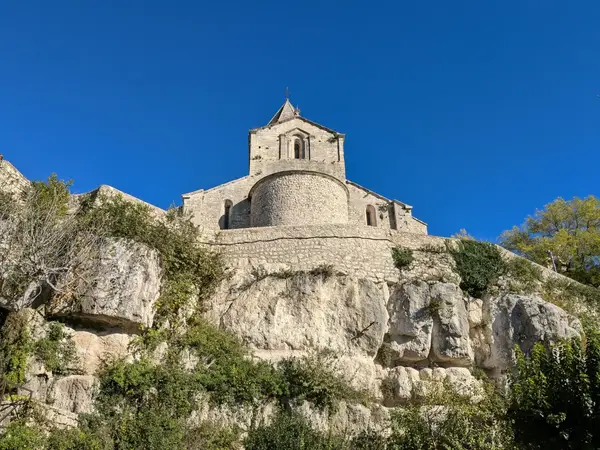
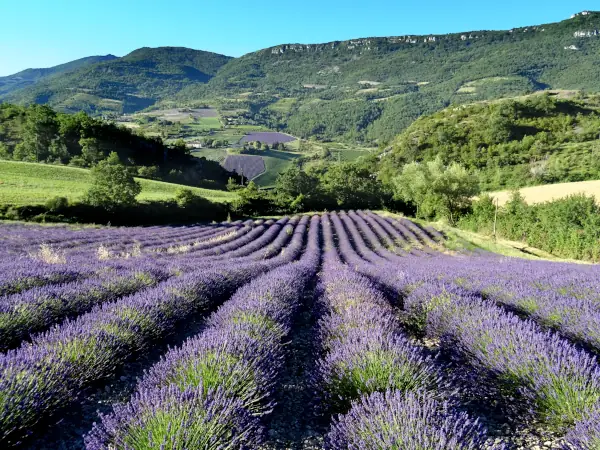
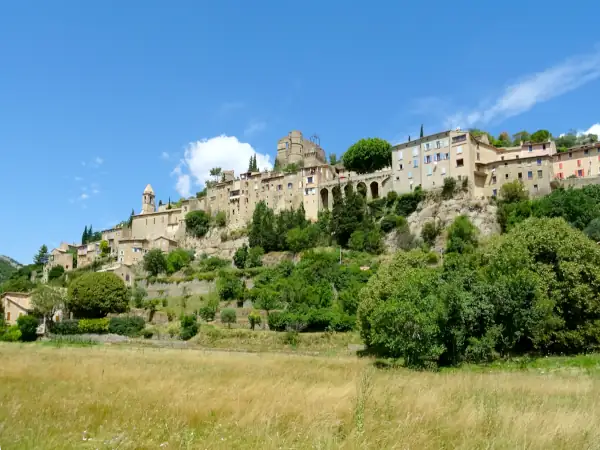
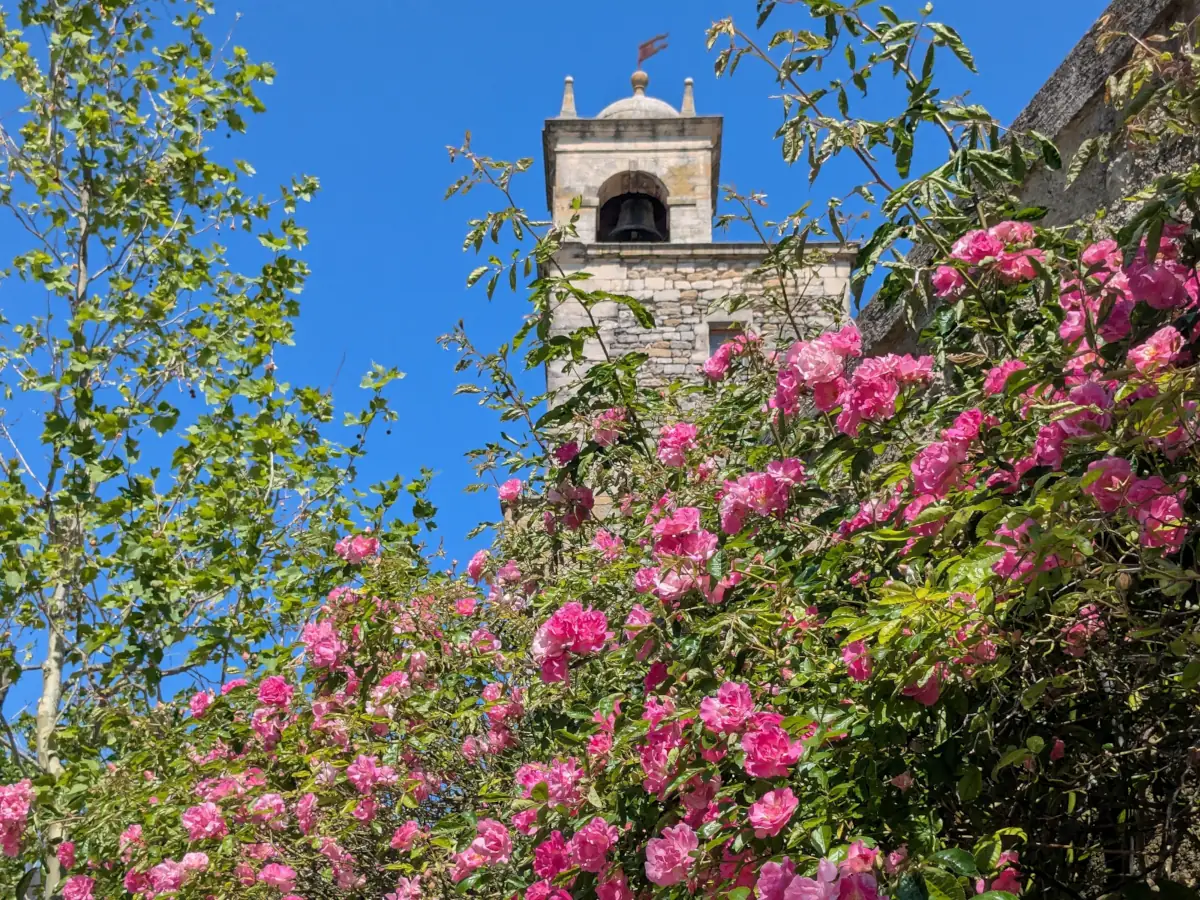
Between the Rhône Valley and the Alpine foothills, the Drôme’s landscapes change from north to south. Drôme Provençale combines villages, olive groves and lavender; the Baronnies extend these landscapes into valleys and more pronounced hills. When choosing a B&B or holiday cottage, decide where to base your stay: journeys between valleys and mountain areas can take time.
Drôme Provençale and the Baronnies
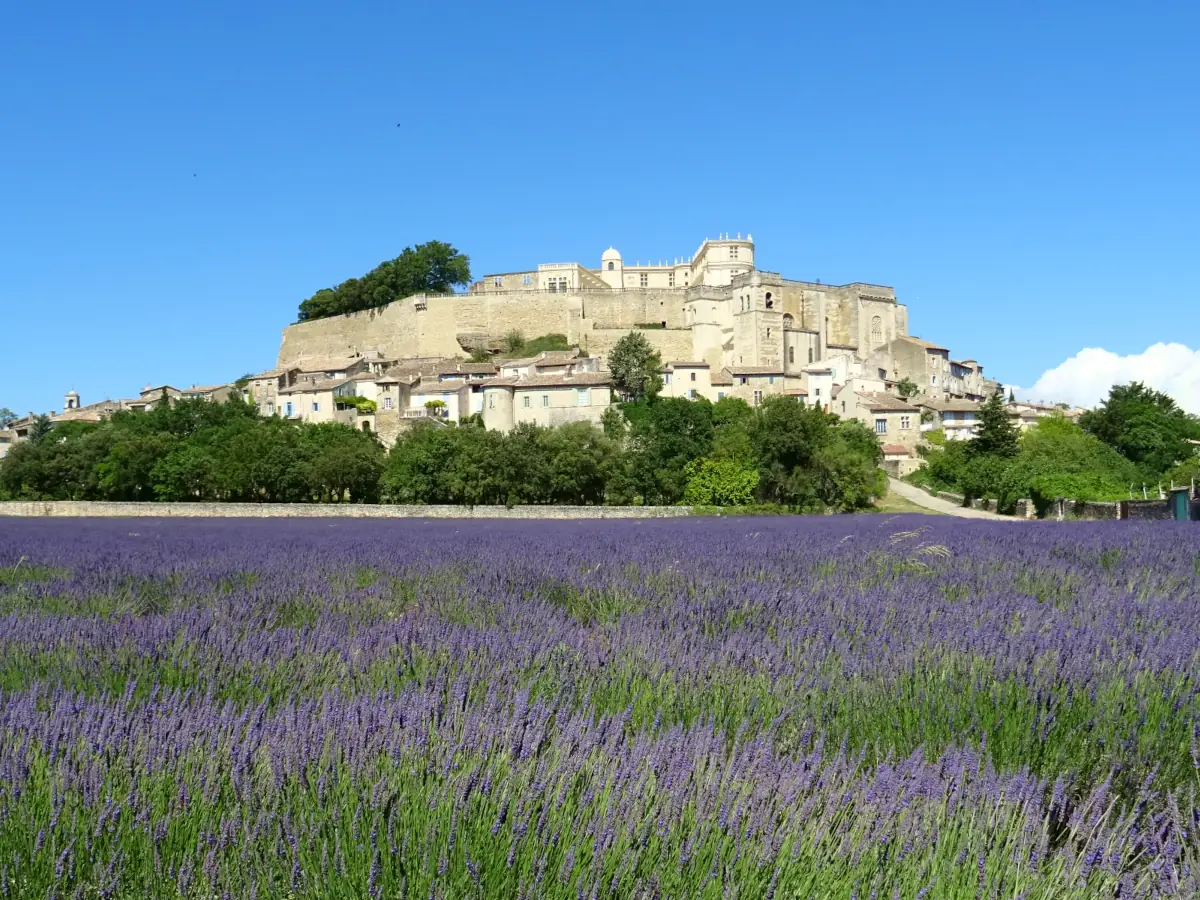
In Grignan, the château overlooks the village and surrounding farmland. Suze-la-Rousse and the Tricastin hills extend visits through heritage sites and vineyards. Further east, Nyons can be explored around its old town, Romanesque bridge and olive groves.
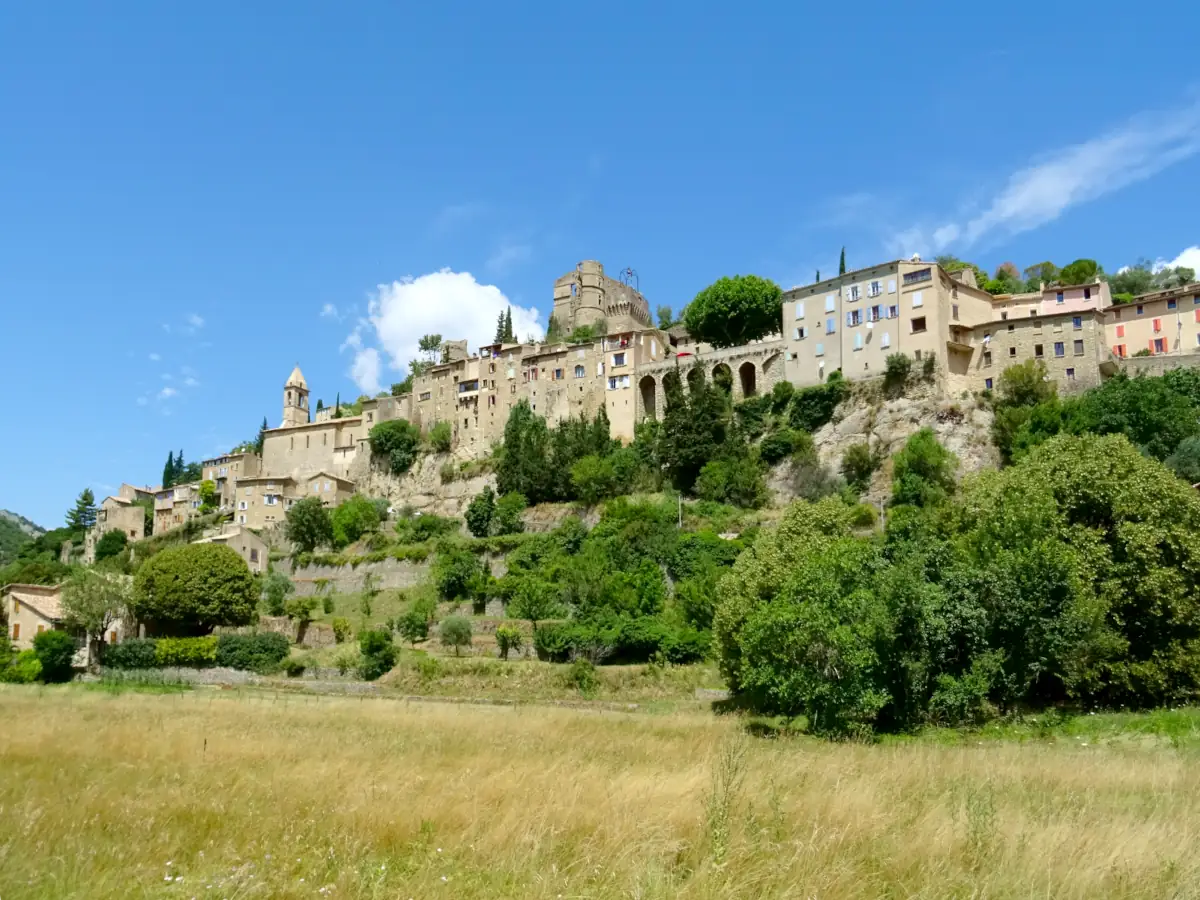
Around Buis-les-Baronnies and Montbrun-les-Bains, the Baronnies can be explored from valley to valley. Villages, markets and paths allow you to alternate sightseeing and hikes. Winding roads make it worth devoting a day to each area rather than repeatedly crossing between them. Near Grignan and Nyons, the Enclave des Papes around Valréas belongs to Vaucluse, although it is surrounded by the Drôme.
The Rhône Valley and the Diois
To the west, Montélimar and Valence are two urban stops in the Rhône Valley. Further north, Romans-sur-Isère and the Drôme des Collines offer further visits among small towns and agricultural landscapes. This area differs from the villages and hills in the south of the department.
Following the Drôme Valley upstream from Crest leads to Saillans and then Die. The vineyards and villages of the Diois extend discoveries along the river. Group outings by valley rather than making repeated journeys from the south of the department.






 Meals with the hosts