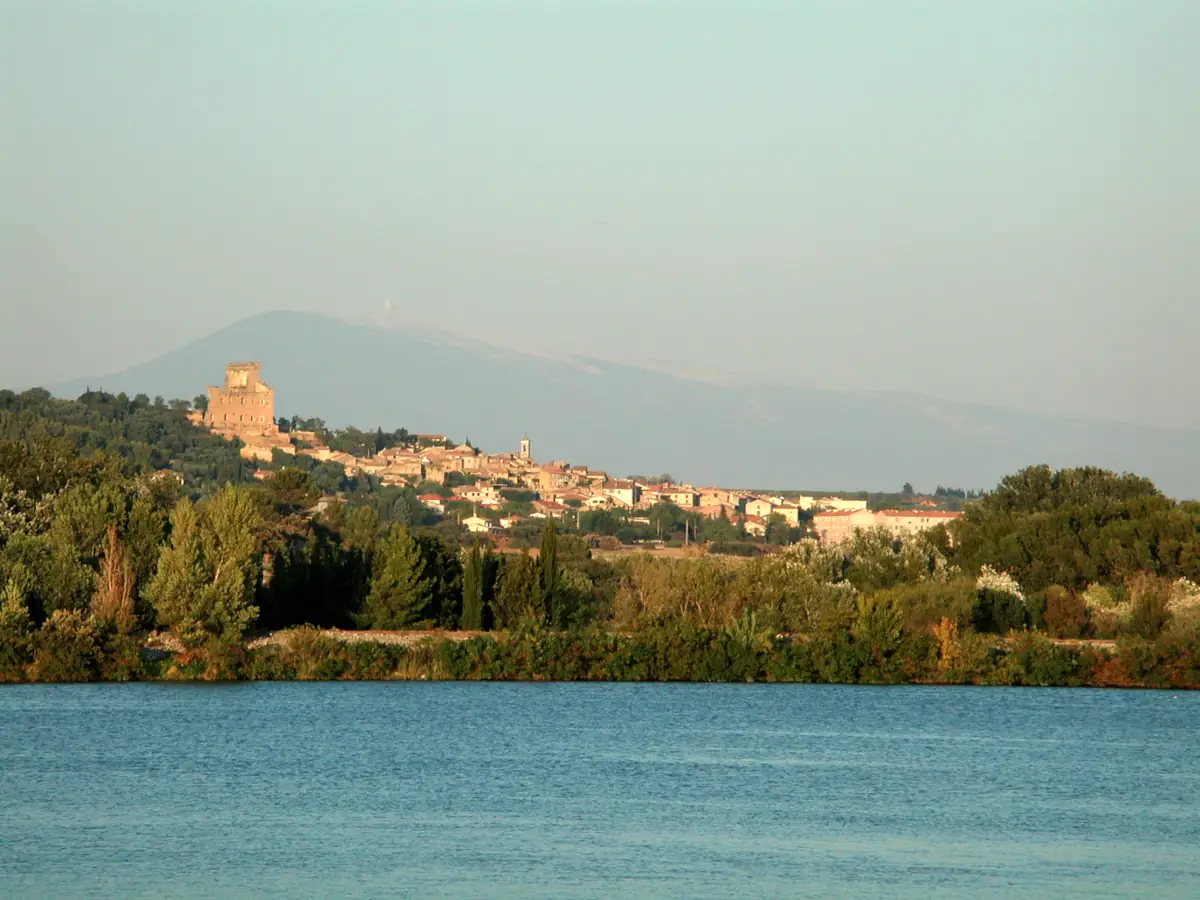
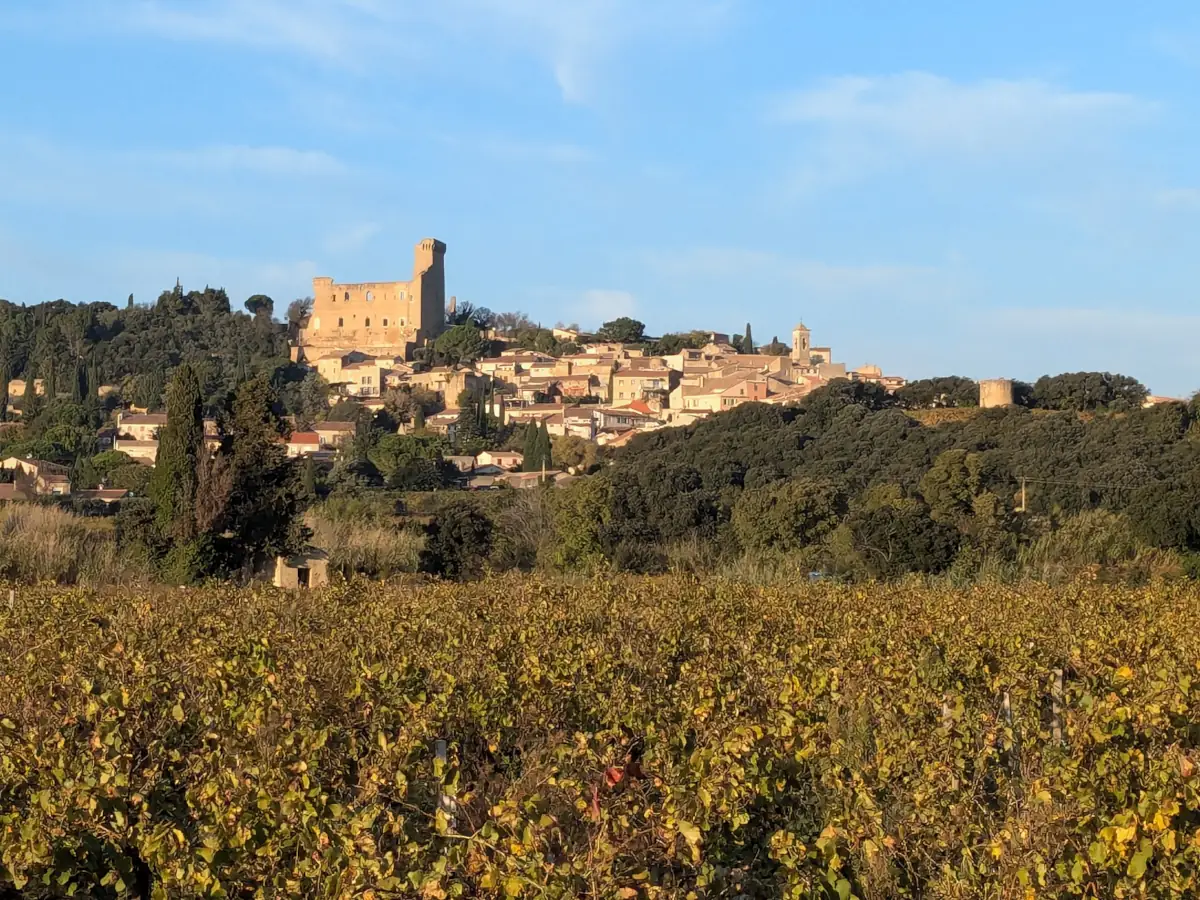
Châteauneuf-du-Pape occupies a hill on the left bank of the Rhône, north of Avignon. The village is inseparable from its vineyards, but it is also worth discovering for its streets, viewpoints and the remains of the papal castle, visible above the vines.
History and wine heritage
In the 14th century, when the popes resided in Avignon, John XXII ordered the construction of the castle of Châteauneuf-du-Pape, of which imposing wall sections remain. Vines were already part of these slopes: they have shaped the village’s history ever since and give the site its singular link between papal memory and a major wine landscape.
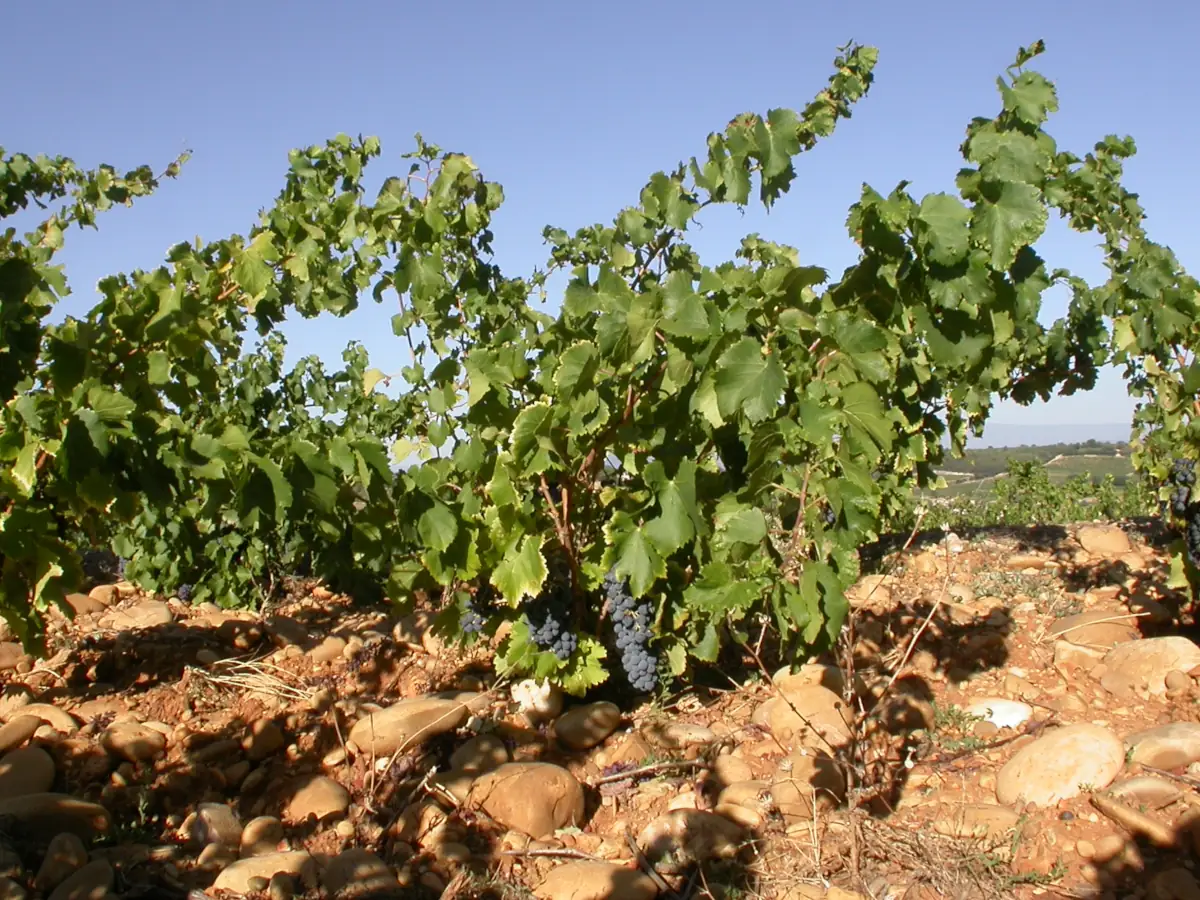
A terroir marked by rolled pebbles
The vineyard is known for its rolled pebbles, deposited by the ancient Rhône. They store heat and contribute to the identity of the wines. The mistral, varied soils and sunshine give the appellation a strong personality within the southern Rhône Valley.
A major Rhône Valley appellation
Châteauneuf-du-Pape is among the first AOCs recognised in France and remains one of the great appellations of the Rhône Valley. Visiting estates helps understand the role of grape varieties, soils and winemaking choices beyond the reputation of the name alone.
A stay between wine, heritage and villages
Staying near Châteauneuf-du-Pape makes it easy to combine tastings, cellar visits, Avignon, the Roman theatre in Orange and wine roads towards Gigondas, Vacqueyras or the Dentelles de Montmirail.
Explore Roman Orange, from the Triumphal Arch to the ancient theatre, on another outing during your stay.
Vineyard roads also lead towards Courthézon and Bédarrides, offering further stops within the Rhône Valley area.