


Getaway in Avignon
The Pont d’Avignon, four arches and two chapels spanning the Rhône
Text and photographs by Vincent Flachaire
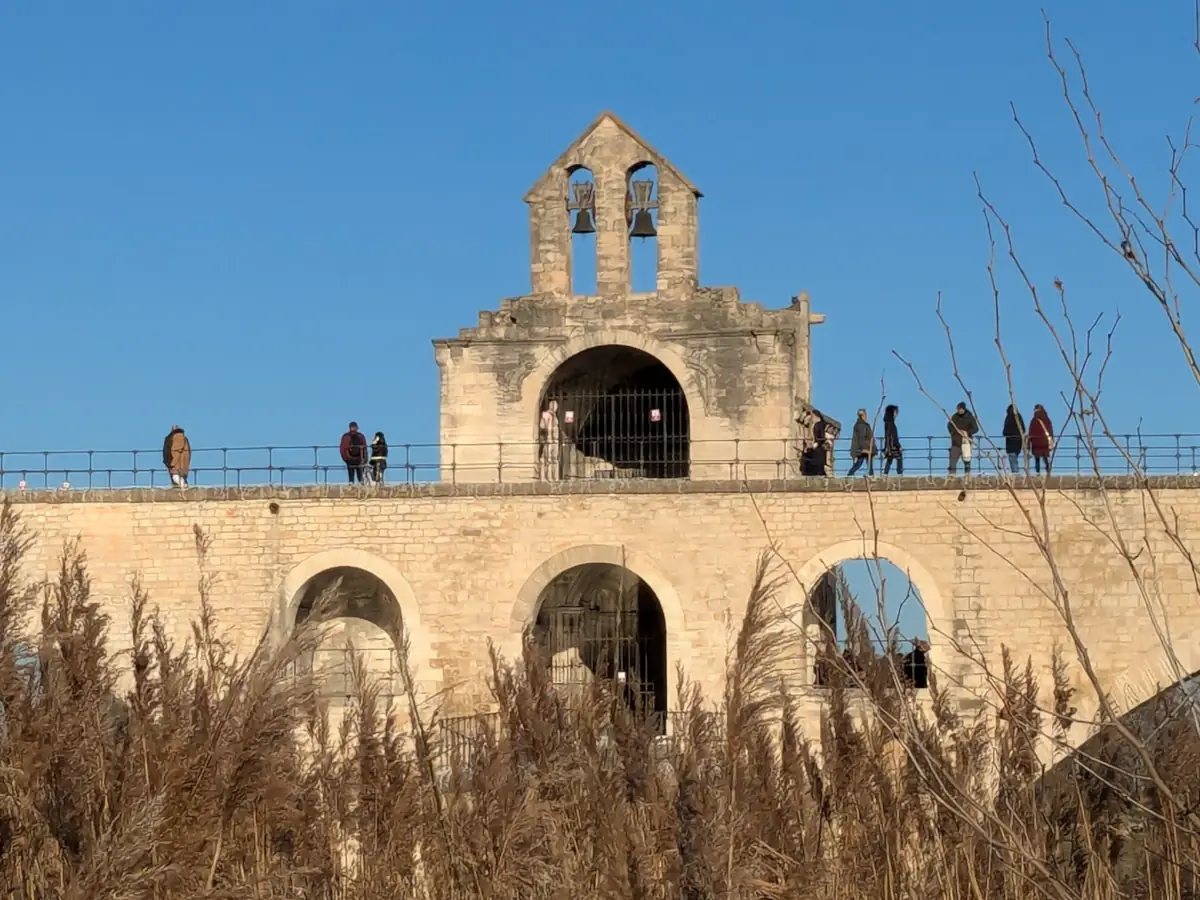
The four surviving arches support two chapels built one above the other, associated with the memory of Bénézet and the devotion of the boatmen who navigated the Rhône.
Four Arches Outside the Walls of Avignon
Pont Saint-Bénézet reaches out into the Rhône from the walls of Avignon but stops short of the bank of Barthelasse Island. Its four surviving arches, two chapels built one above the other and the gatehouse incorporated into the ramparts now form its distinctive outline. At the entrance to the bridge, this building controlled the crossing and connected it to the city’s defences. These remains represent only a small part of the bridge built across the channels of the river towards Villeneuve-lès-Avignon.
The bridge and its chapels form part of the Historic Centre of Avignon inscribed on the UNESCO World Heritage List, together with the Palace of the Popes, the episcopal complex and the ramparts.
A Medieval Bridge with Twenty-Two Arches
Begun in the late 12th century, the bridge extended for approximately 920 metres and had twenty-two arches. It crossed a Rhône that was more changeable and unpredictable than it is today, divided into several channels around islands whose outlines shifted with the floods. For centuries, it remained a permanent building site, shaped by repeated repairs and reconstruction.
From the late 13th century onward, the crossing linked Avignon with a right bank under the authority of the Kingdom of France. During the papal period, the bridge therefore stood between two powers: the City of the Popes on one side of the river, and the royal town with the Tour Philippe-le-Bel on the other.
“Sur le pont d’Avignon”, a Song Known around the World
The bridge owes much of its fame to the song Sur le pont d’Avignon. Its origins remain uncertain, but the form known today was popularised in the 19th century: in 1853, the composer Adolphe Adam used the tune in Le Sourd ou l’Auberge pleine, a work performed at the Opéra-Comique in Paris. As a children’s singing game, the song carried the name of Avignon far beyond Provence.
The refrain does not necessarily describe a scene that took place on the bridge deck. The deck served first and foremost as a crossing, and the chapels occupied part of its width. A local tradition places the dancing instead on the riverbanks or islands beneath the arches, although the exact origin of the song cannot be established with certainty.
Bénézet: From Legend to Place of Pilgrimage
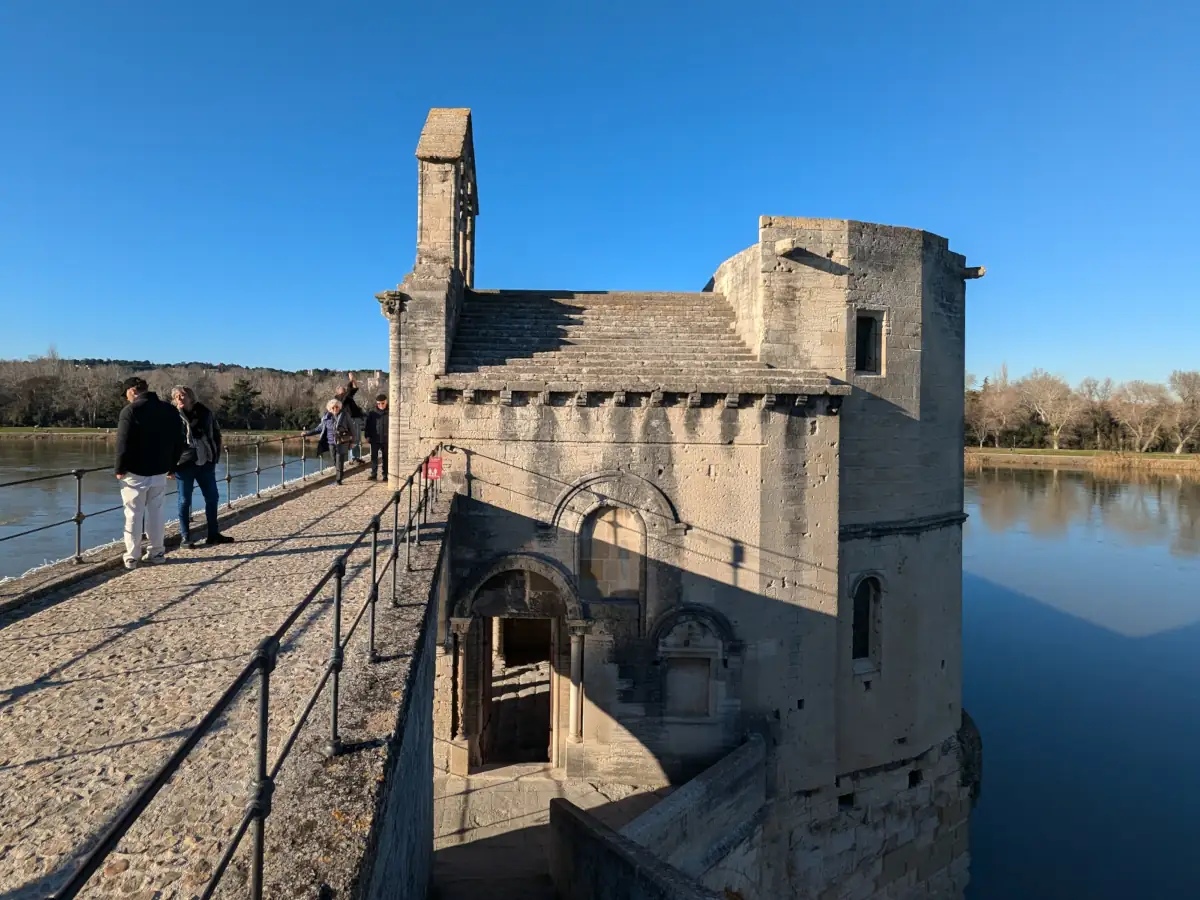
Tradition attributes the origin of the bridge to Bénézet, a young shepherd who came to announce that he had received a divine command to build a crossing over the Rhône. The Œuvre du Pont was formed around him to collect donations and take part in the construction and later maintenance of the bridge.
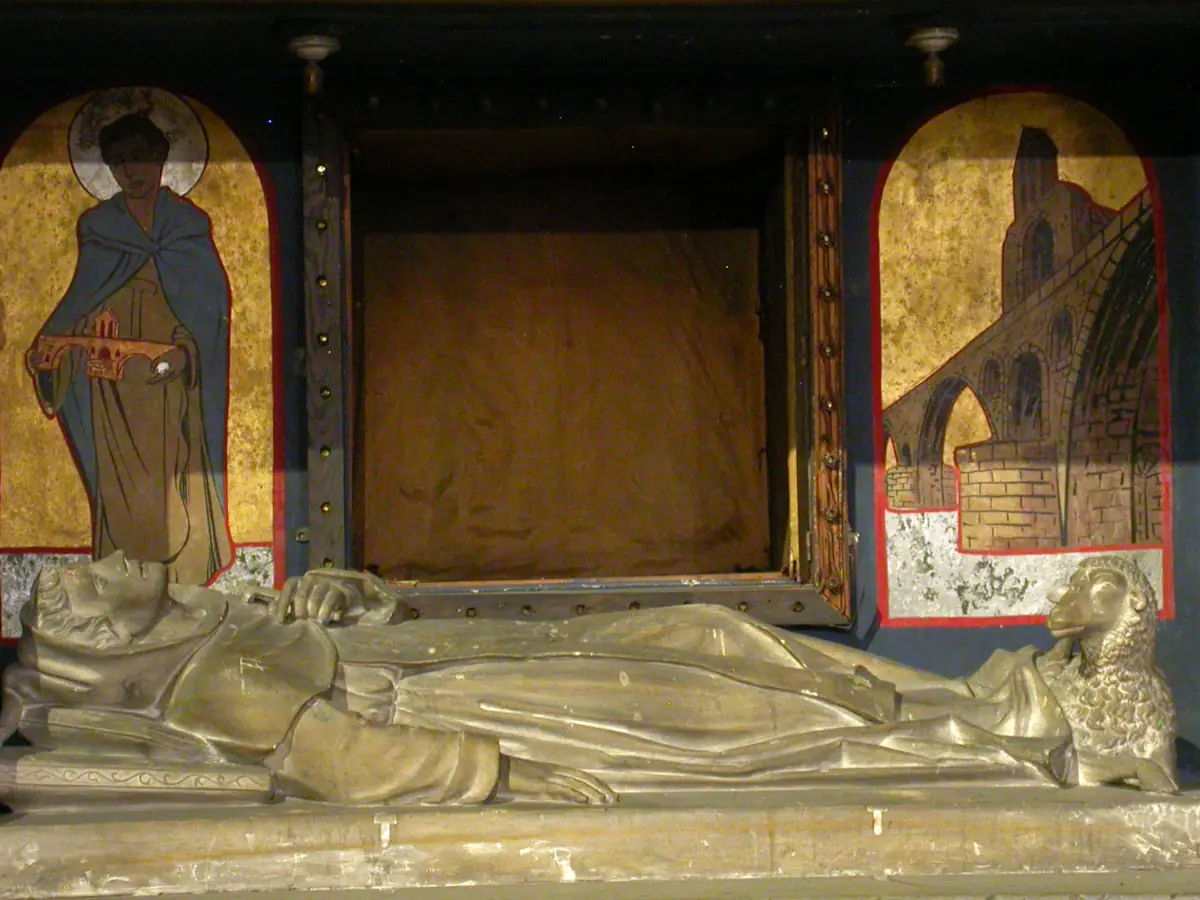
When Bénézet died in 1184, he was buried in the chapel built on the bridge. His tomb attracted worshippers and the chapel became a place of pilgrimage. In 1331, Pope John XXII set his feast day on 14 April, confirming an already established cult without a formal canonisation.
Two Superimposed Chapels above the Rhône
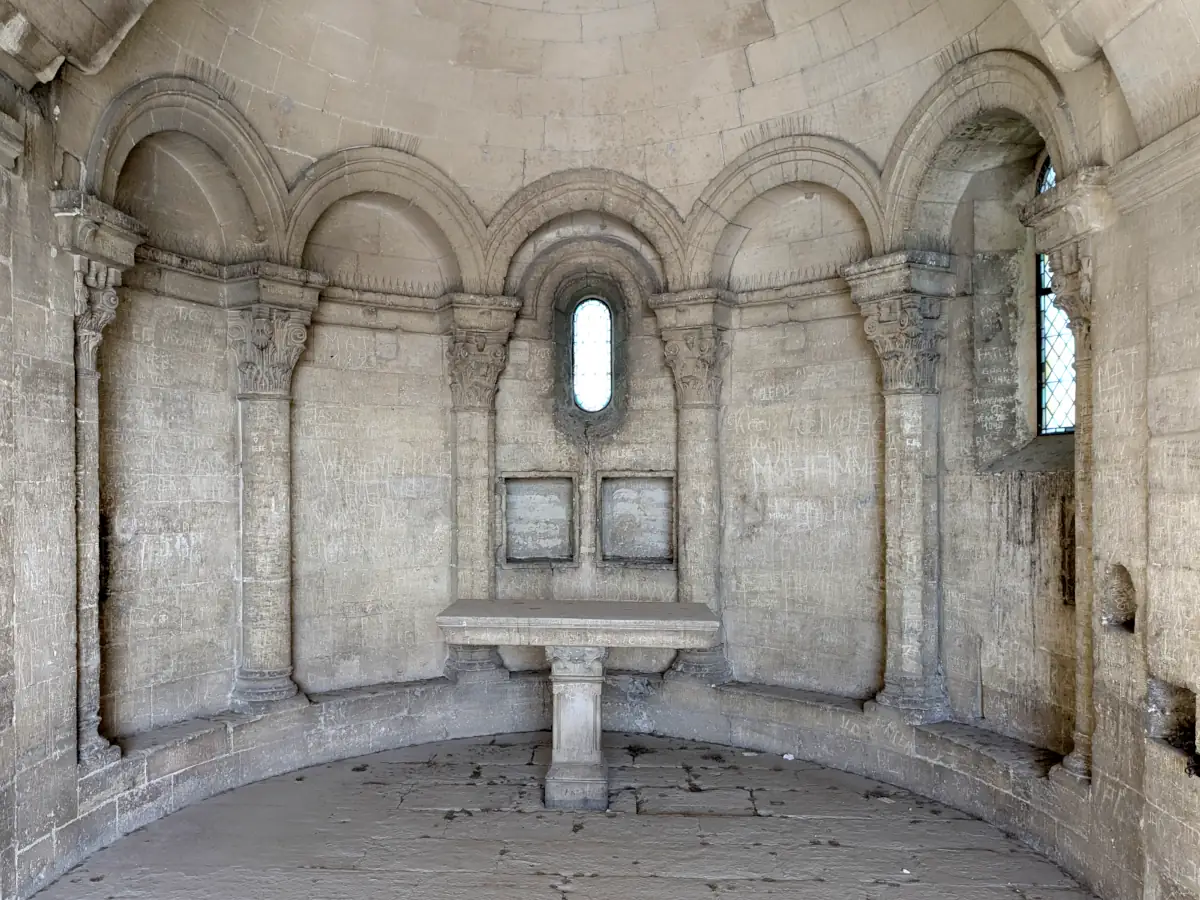
A narrow staircase descends from the bridge deck to the Saint-Bénézet Chapel, built into the pier below the level of the roadway. Here the Rhône is very close. Watching the water move around the pier and feeling the strength of the current gives a clearer sense of what the arches had to withstand and of the violence of the floods that repeatedly damaged the bridge.
This small Romanesque space belongs to the earliest history of the bridge. Its apse retains a restrained arrangement of arches and small columns; the bare stone makes the construction itself easy to read.
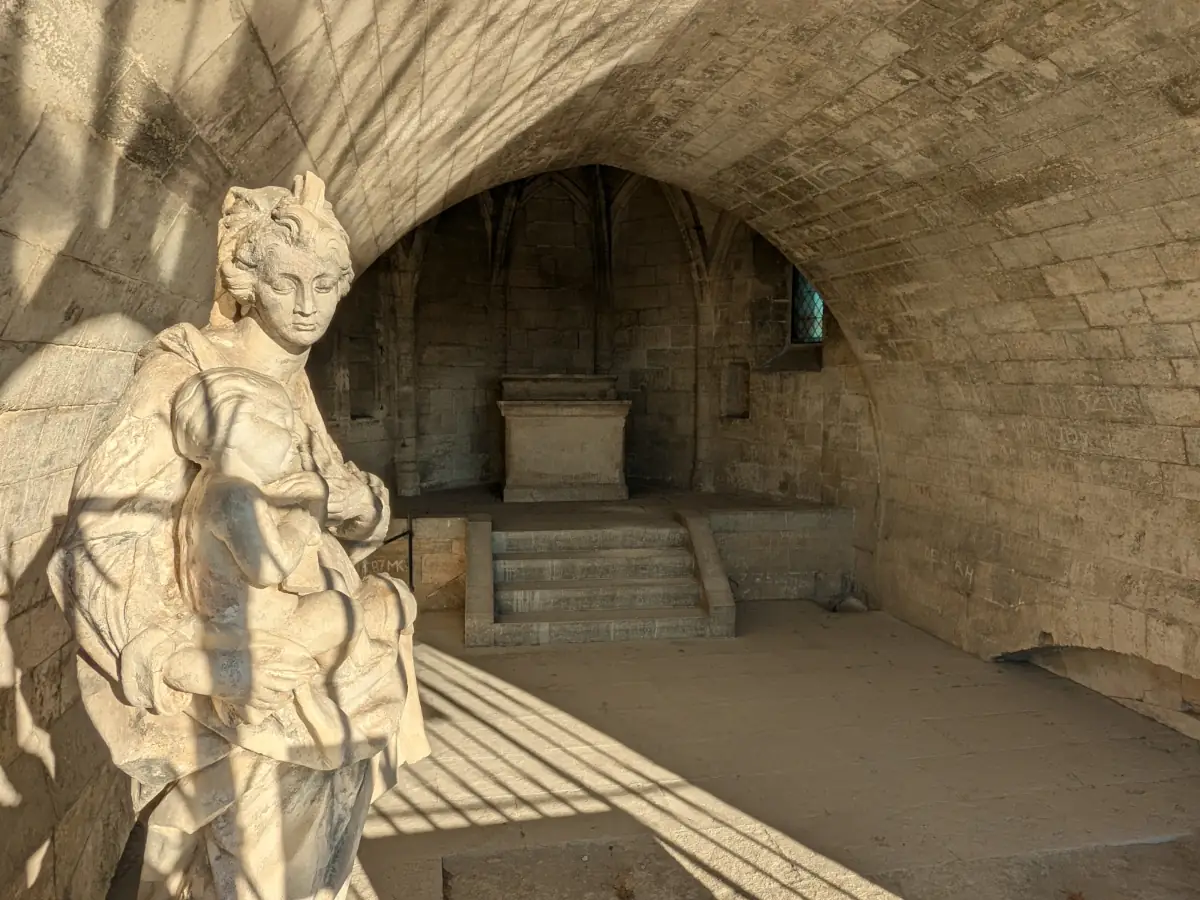
Above it stands the Saint-Nicolas Chapel, added in the 15th century and reached directly from the bridge deck. Its narrow interior follows the width of the pier. The Gothic vaulting, ribs of the apse and small side window clearly distinguish it from the Romanesque chapel below. Notre-Dame des Nautoniers, represented as the Virgin and Child, stands near the entrance opposite the small altar in the choir.
Saint Nicholas, patron saint of boatmen, and Notre-Dame des Nautoniers linked the chapel to the prayers of those exposed to the dangers of the river. On the same pier, the bridge deck runs beside the upper chapel while the staircase leads down to the Romanesque sanctuary and the former tomb of Bénézet.
The Relics Moved after the Bridge Fell into Ruin
Floods repeatedly damaged a bridge that was constantly being repaired. When rebuilding ceased in the 17th century, its arches gradually disappeared and the tomb of Bénézet was placed at risk. His relics were transferred to the Celestine church in 1674. After the French Revolution, some of them were taken for safekeeping to the collegiate church of Saint-Didier, where they are now displayed beside the recumbent effigy of Saint Bénézet.
After 1674, Bénézet no longer rested on the bridge, which lost its function as a crossing. The two chapels nevertheless remained in place, supported by the four arches that survived the destruction.
At the End of the Bridge, Facing the Rhône
From the bridge deck, the eye follows the ramparts towards the Rocher des Doms. To the west lie Barthelasse Island, then Villeneuve-lès-Avignon and the Tour Philippe-le-Bel. The former bridge crossed these channels and islands before reaching the right bank of the Rhône.
The route now ends above the current. At the broken end of the deck, the 920 metres and twenty-two arches of the medieval bridge cease to be an abstraction: the scale of the structure becomes clear, and it is possible to imagine it extending across the river. On the way back towards the ramparts, passing the Saint-Nicolas Chapel and then descending to the Saint-Bénézet Chapel recalls that, for its founders, this bridge was at once a route, a frontier and a place of prayer.
Practical information
Visiting Saint-Bénezet Bridge
- Tickets and opening times
- Tickets can be bought online, at the tourist office or on site. Entry is possible throughout opening hours, with final admission thirty minutes before closing.
- Getting to the bridge
- The entrance is on Boulevard du Rhône, beside the ramparts. To avoid parking in the centre, use park-and-ride sites and the Orizo network, then continue on foot or by shuttle.
Opening times and visiting conditions may change. Check the Pont d’Avignon information before you travel.
Extend your stay
Guest houses around Avignon to extend the getaway
These properties listed on the Portal are within 25 km as the crow flies of the location featured in this getaway. Visit their websites to plan your stay.
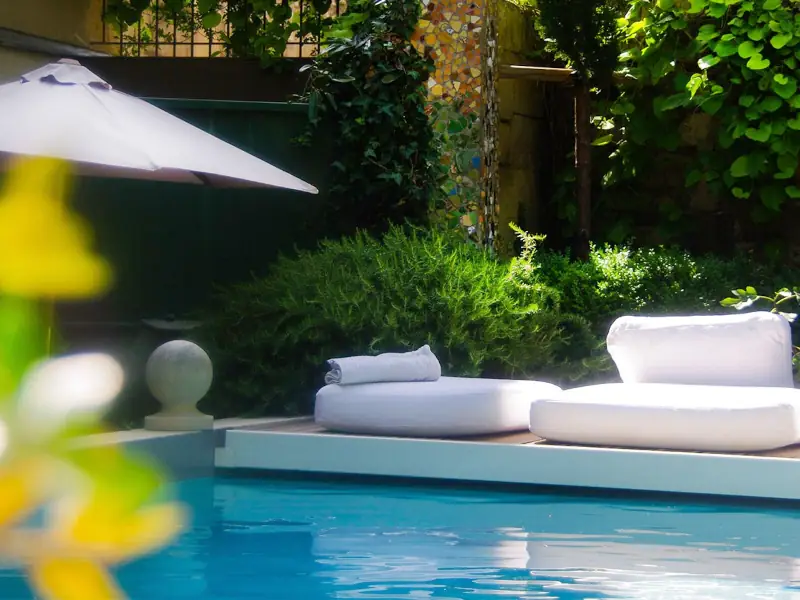
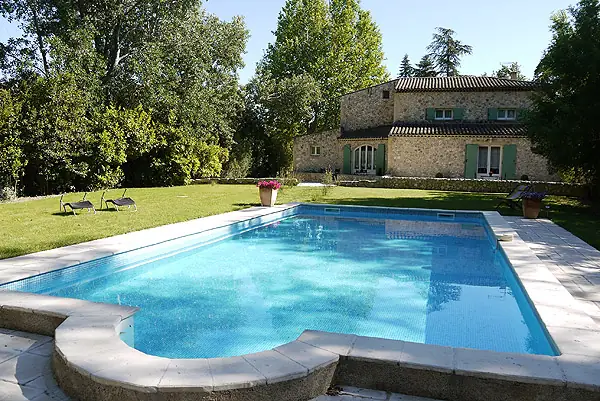
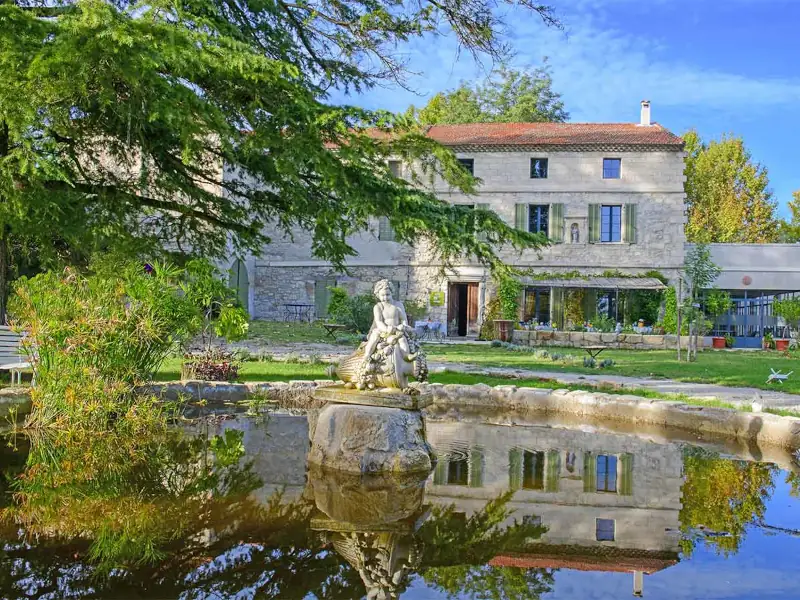
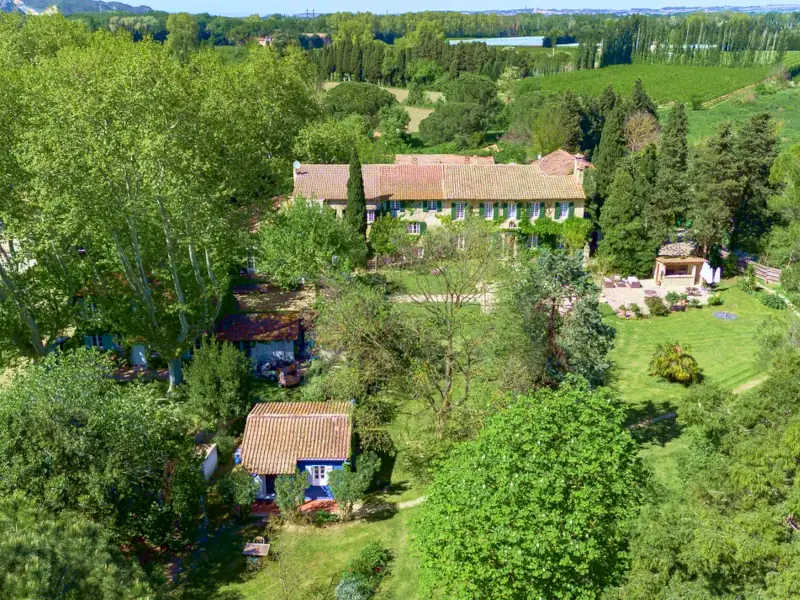
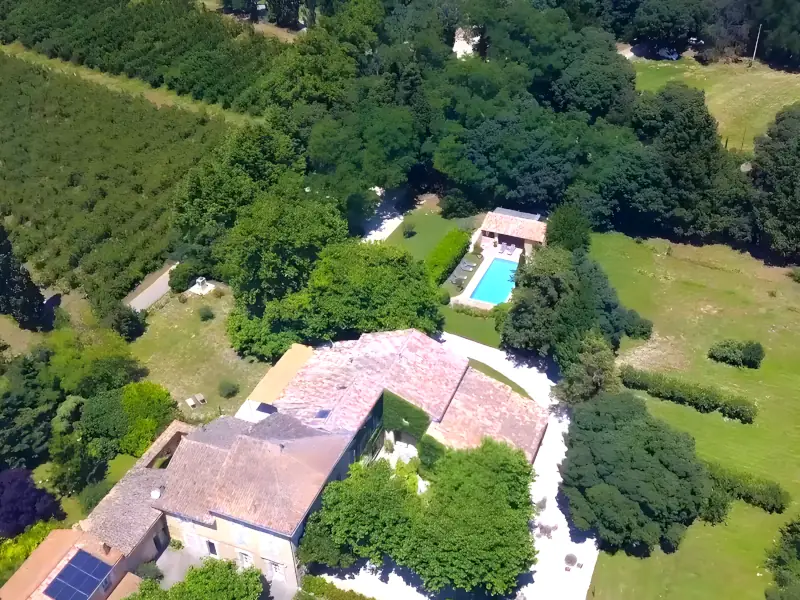
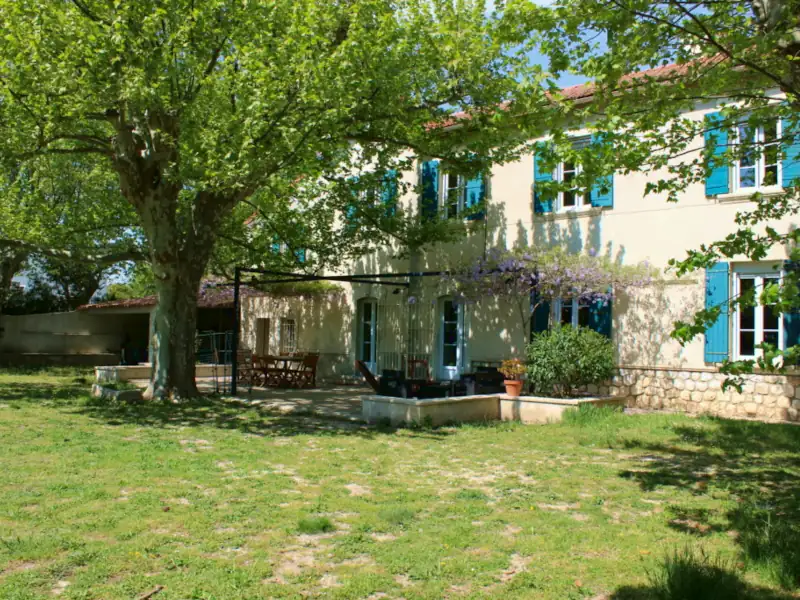
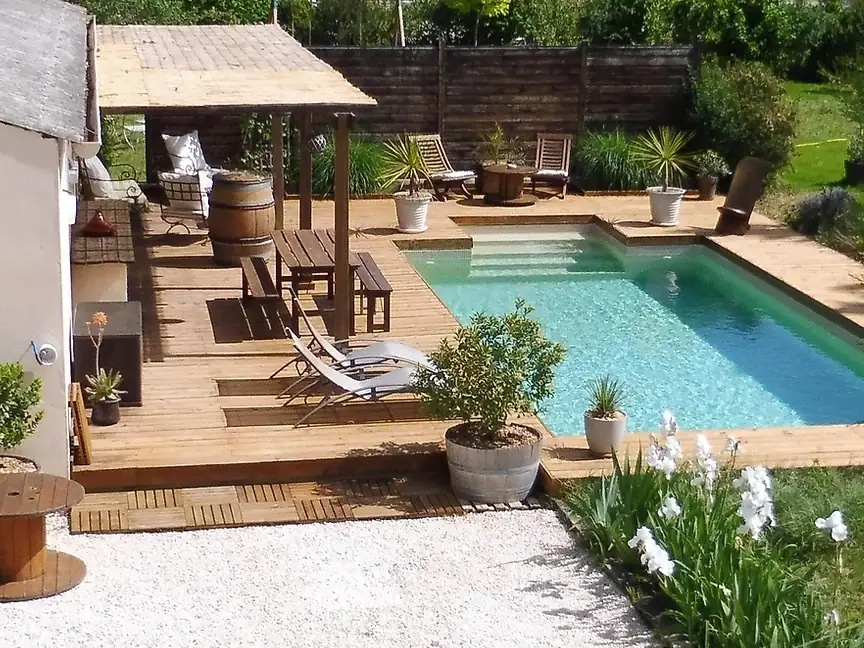
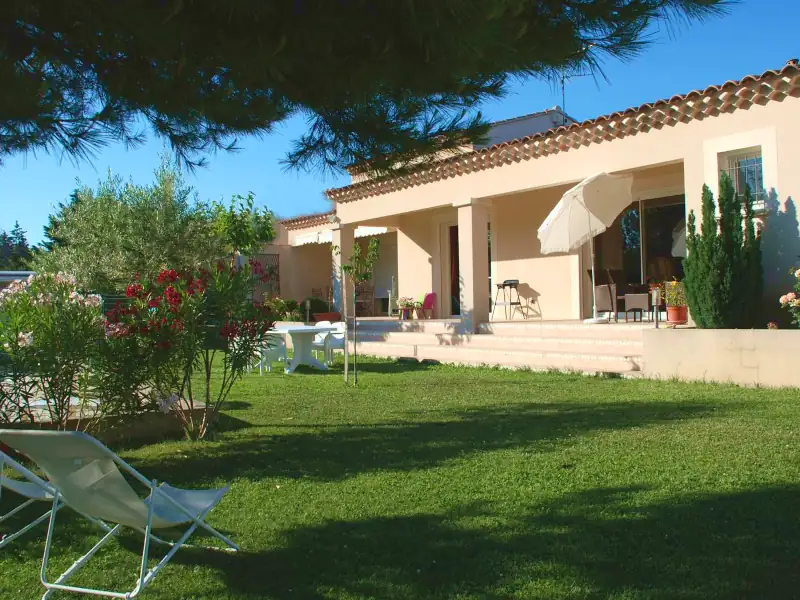
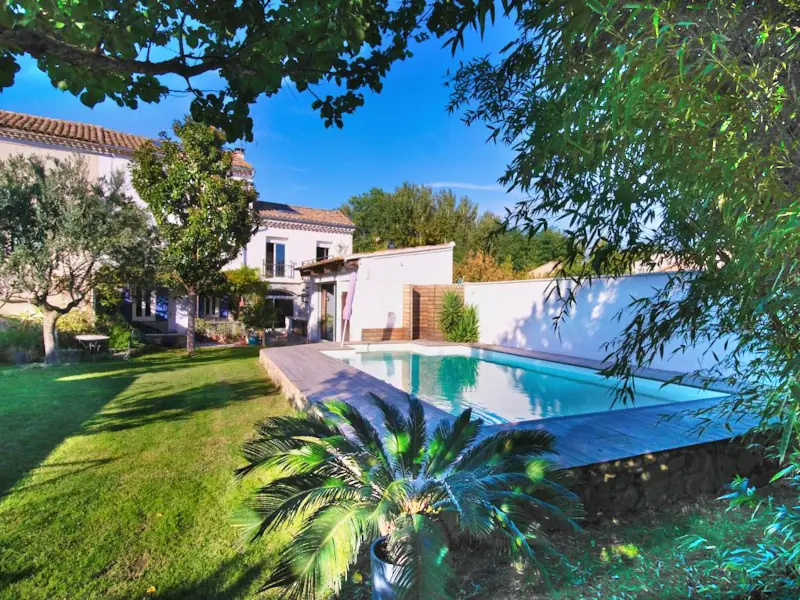
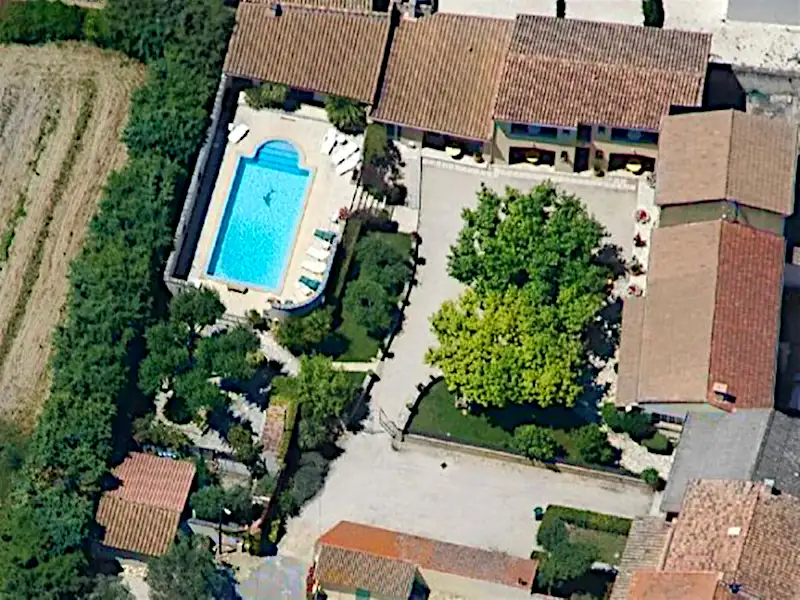
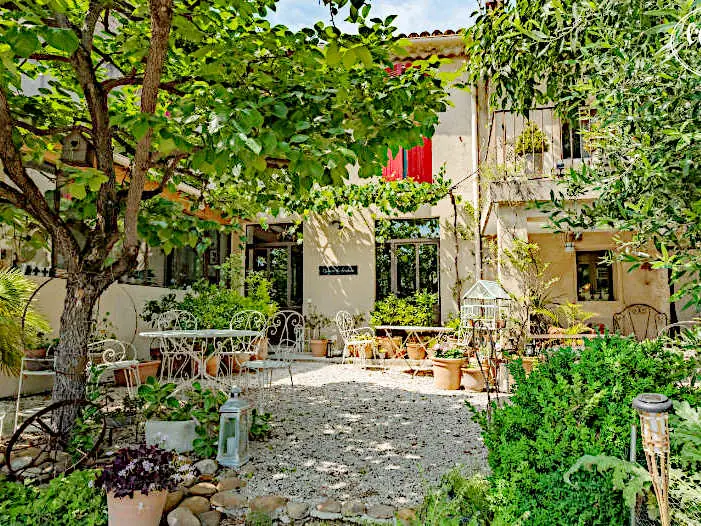
Le Mas de l'Amandier
Charming Bed and breakfast and holiday rental
St Saturnin lès Avignon
Visit website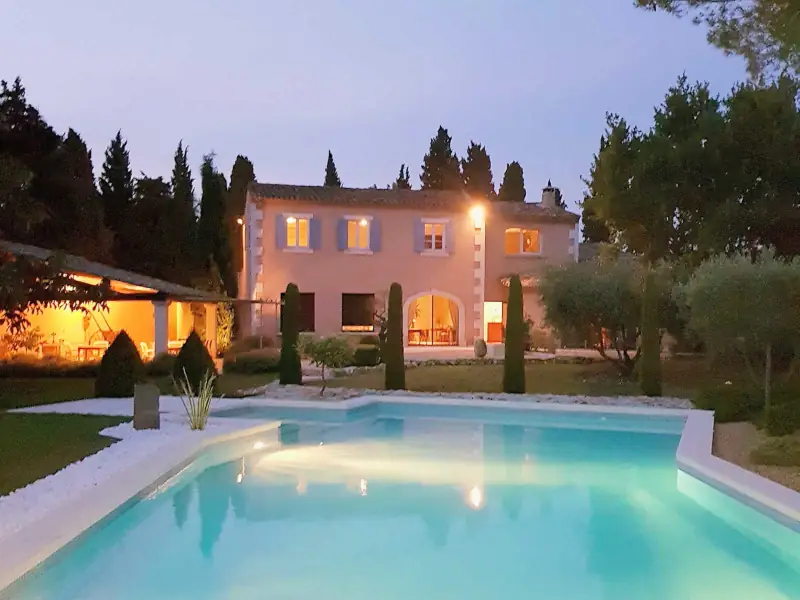
L'Oréliane
Charming Bed and breakfast
Châteauneuf de Gadagne
Visit website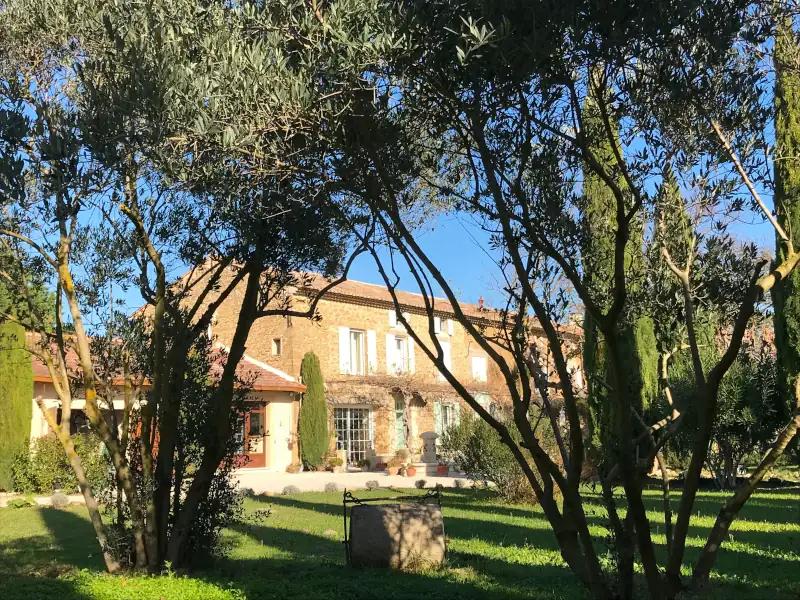
Fontaine des Magnarelles
Charming Bed and breakfast
Althen des Paluds
Visit website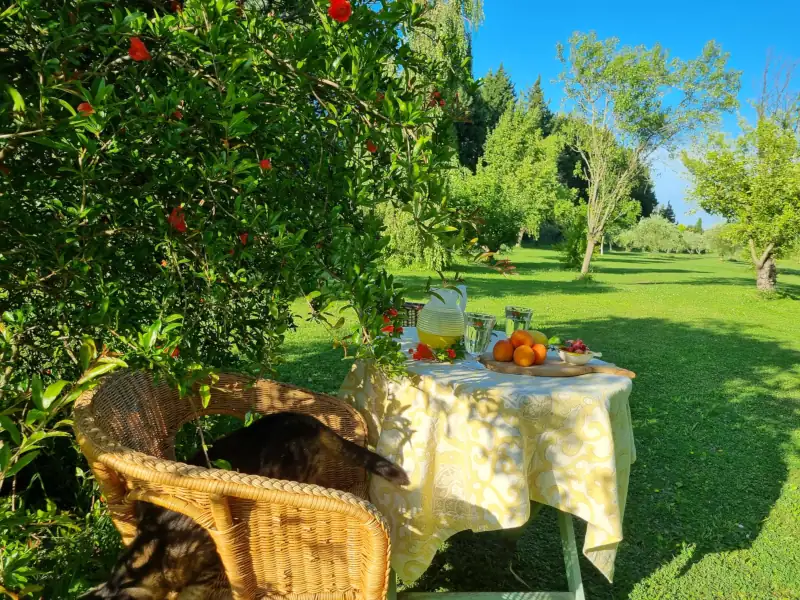
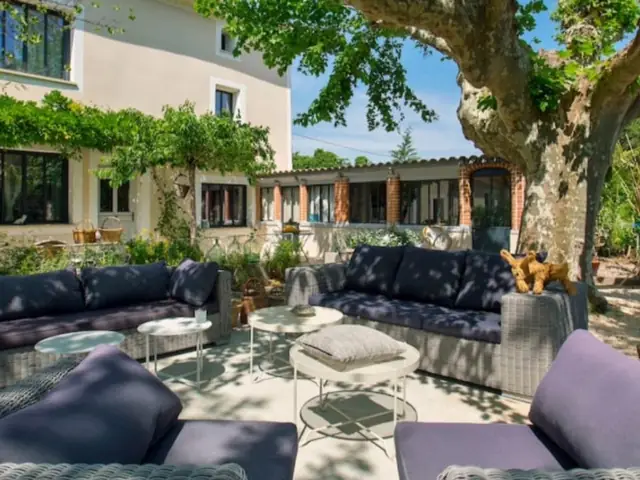
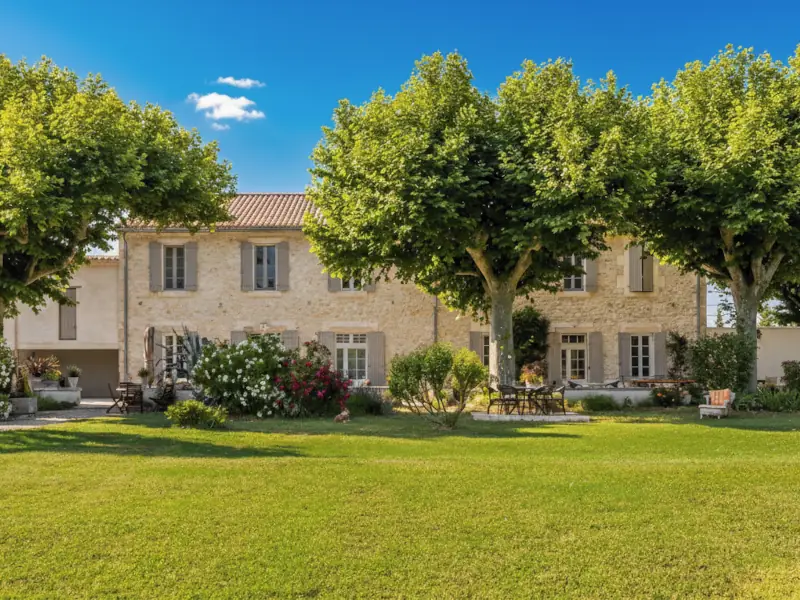
La Bastide des Amouriers
Charming bed and breakfast and Gite
Caumont-sur-Durance
Visit website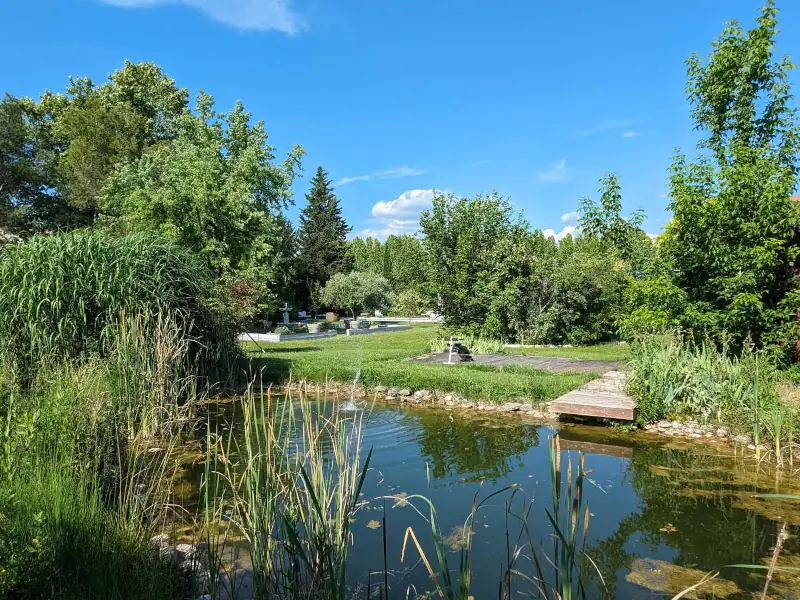
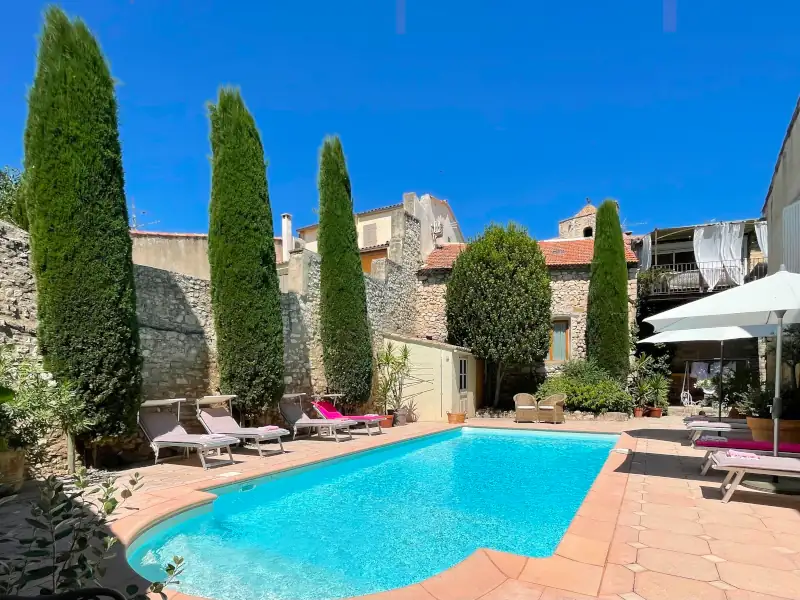


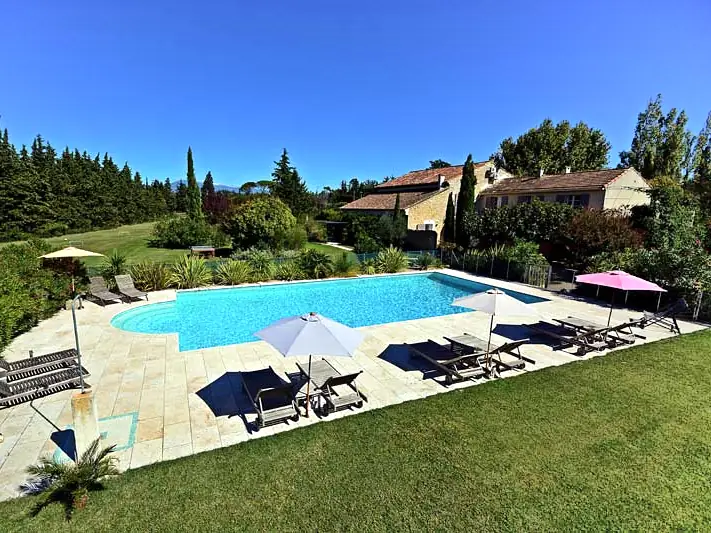

Four de Cony
Charming bed and breakfast
Saumane de Vaucluse
Visit website
