


A getaway in Avignon
Avignon along its city walls
Text and photographs by Vincent Flachaire
At the foot of Avignon’s walls, iron rings recall the horse fairs. On the Rhône side, grooves in the stone allow the gates to be blocked when the river rises.
The circuit runs along the foot of the walls. Near Saint-Bénézet Bridge, you can also access a section of the wall walk.
A wall around the papal city
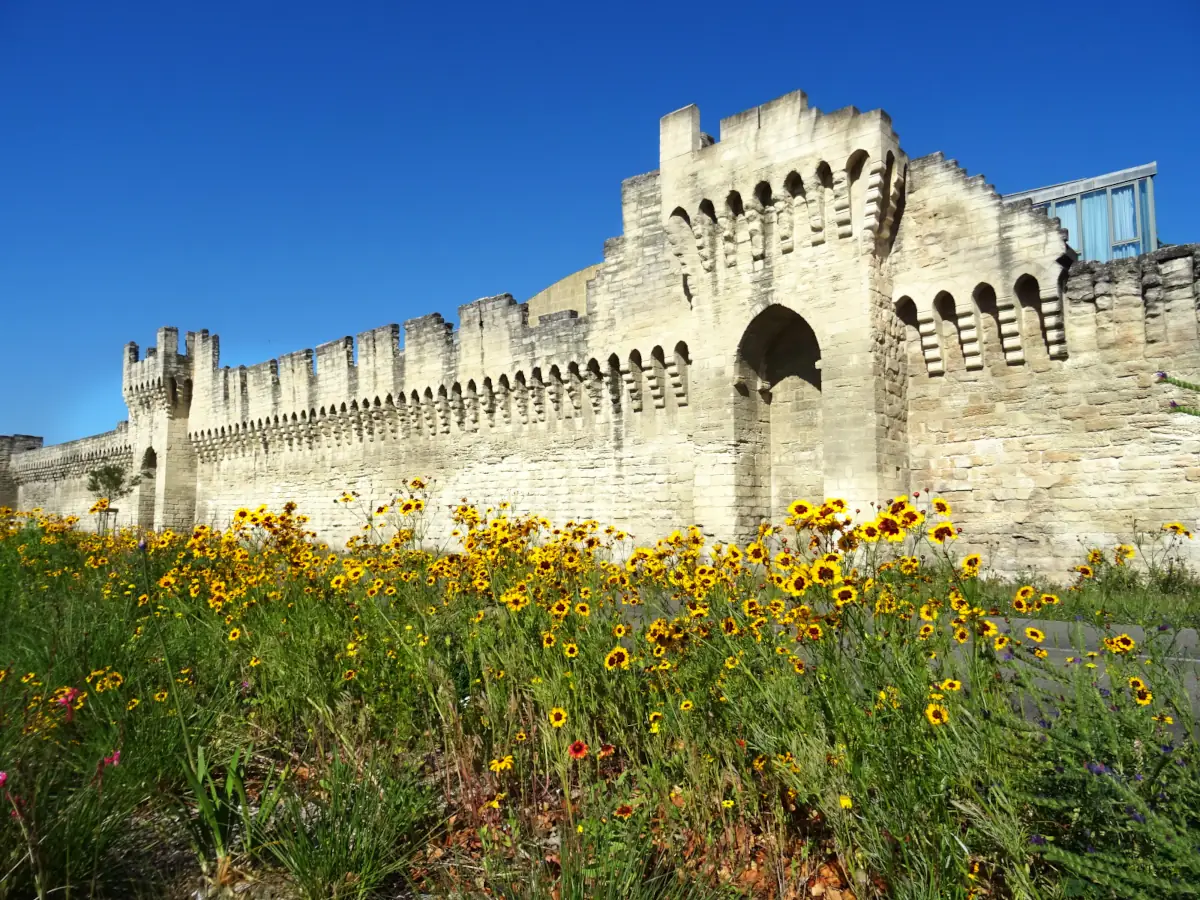
The walls still trace the outline of the old town for about 4.3 km. To understand their route, imagine a smaller Avignon huddled around the Rocher des Doms. The city had already had several defensive enclosures by 1355, when Pope Innocent VI began building new walls. He needed to protect the districts that had grown up outside the old walls and defend them against the Free Companies, bands of soldiers roaming the region.
From below, you can make out the battlements and the little projecting guard turrets. The guards reached them from the wall walk.
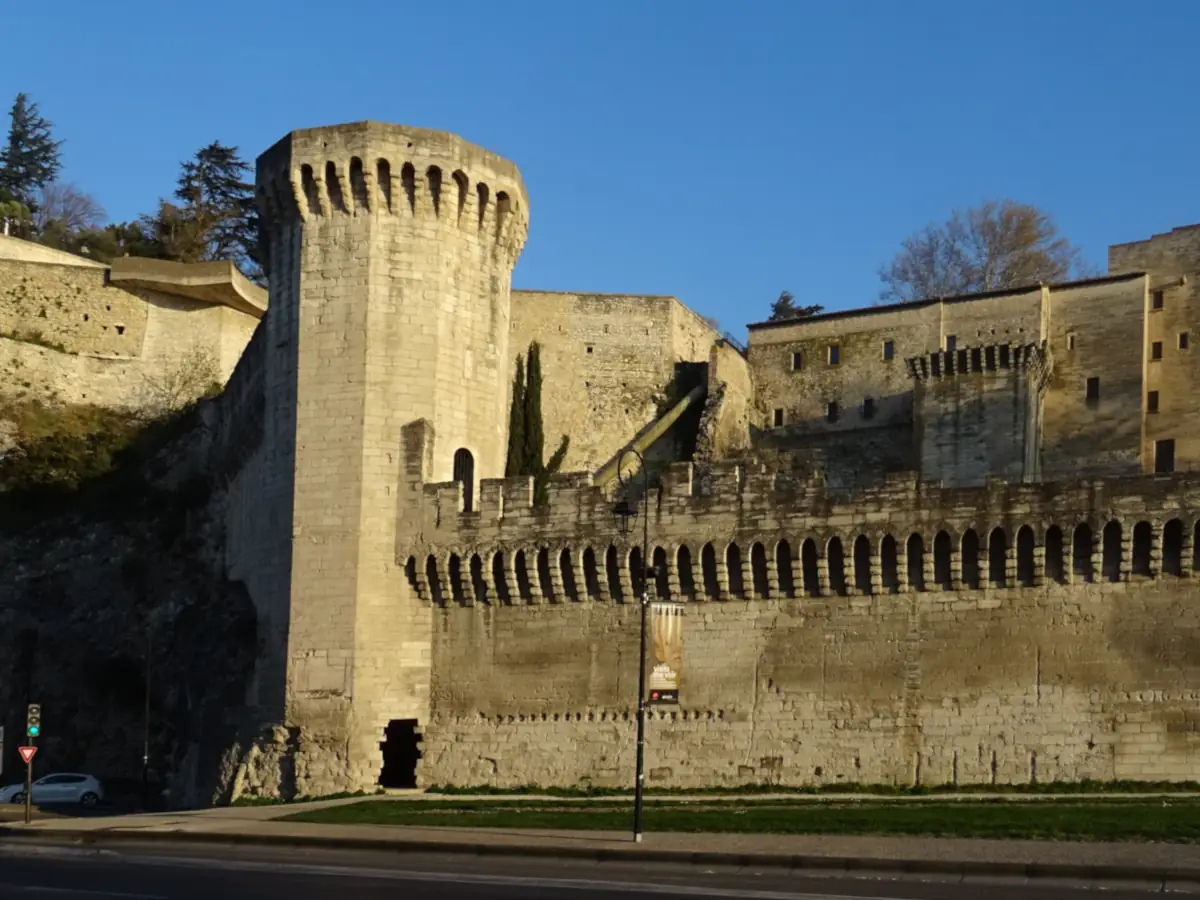
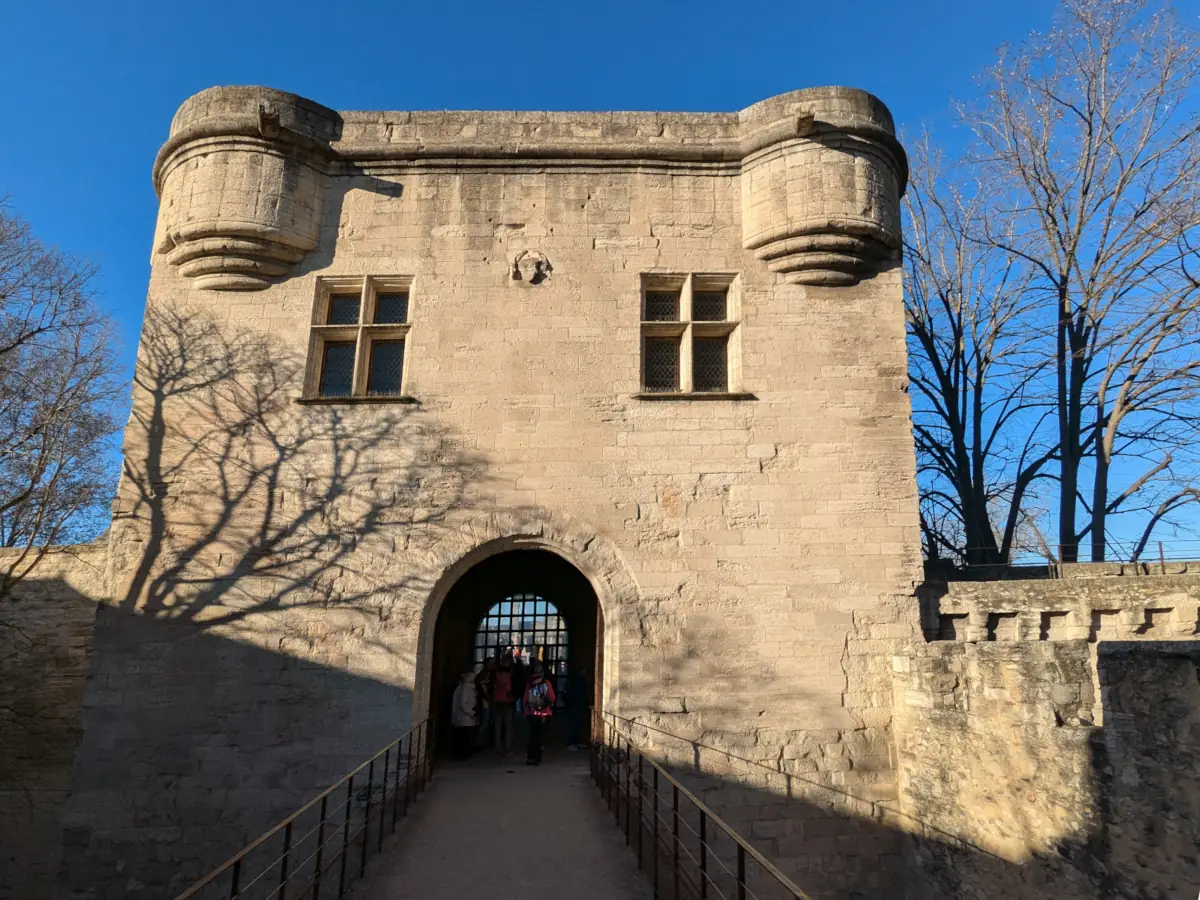
On the Rhône side, the gatehouse controlled entry into the city from Saint-Bénézet Bridge.
Defending the city against Rhône floods
Facing the Rhône, the walls also act as a flood barrier. On 31 May 1856, the river tore a breach some thirty metres wide near the Porte Saint-Dominique. Water spread through the streets. Napoleon III came to inspect the damage and entered through the Porte Saint-Dominique by boat. The forecourt of Saint-Agricol church served as a landing place.
After the great 19th-century floods, the walls were reinforced on the city side with additional masonry. Grooves in the gates and posterns allow removable flood barriers to be slotted into place.
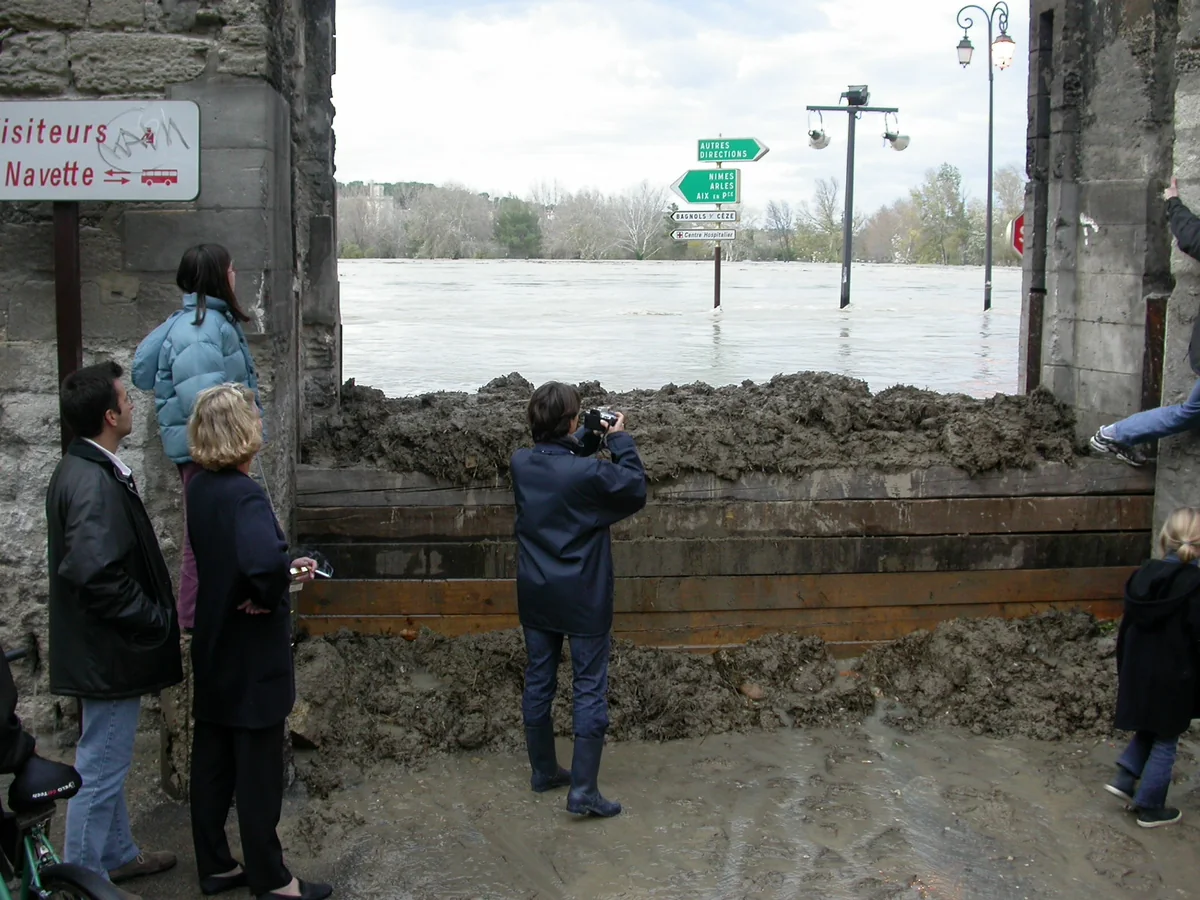
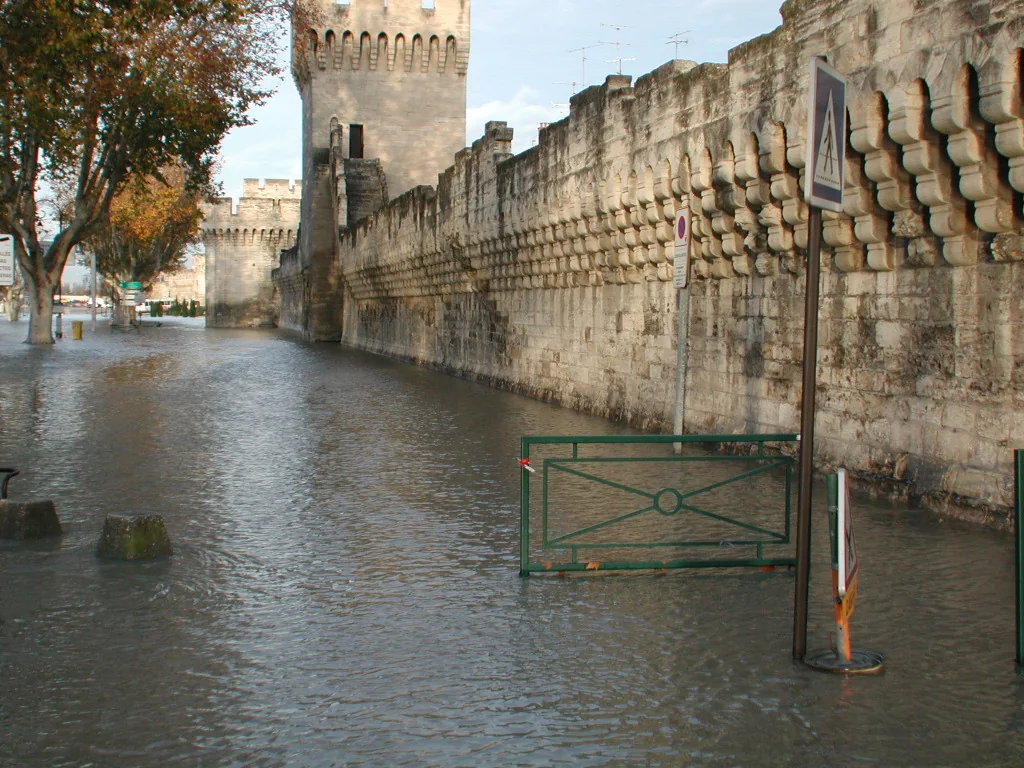
In December 2003, the walls and barriers held. From inside the city, you could see floodwater covering the road on the other side of the passage.
Restoring the city walls
Look closely at the limestone and you can see where worn sections have been repaired. After the 1856 flood, Viollet-le-Duc restored the towers and the upper parts of the walls. Weather and pollution continue to wear away the limestone. The city maintains and restores the walls section by section.
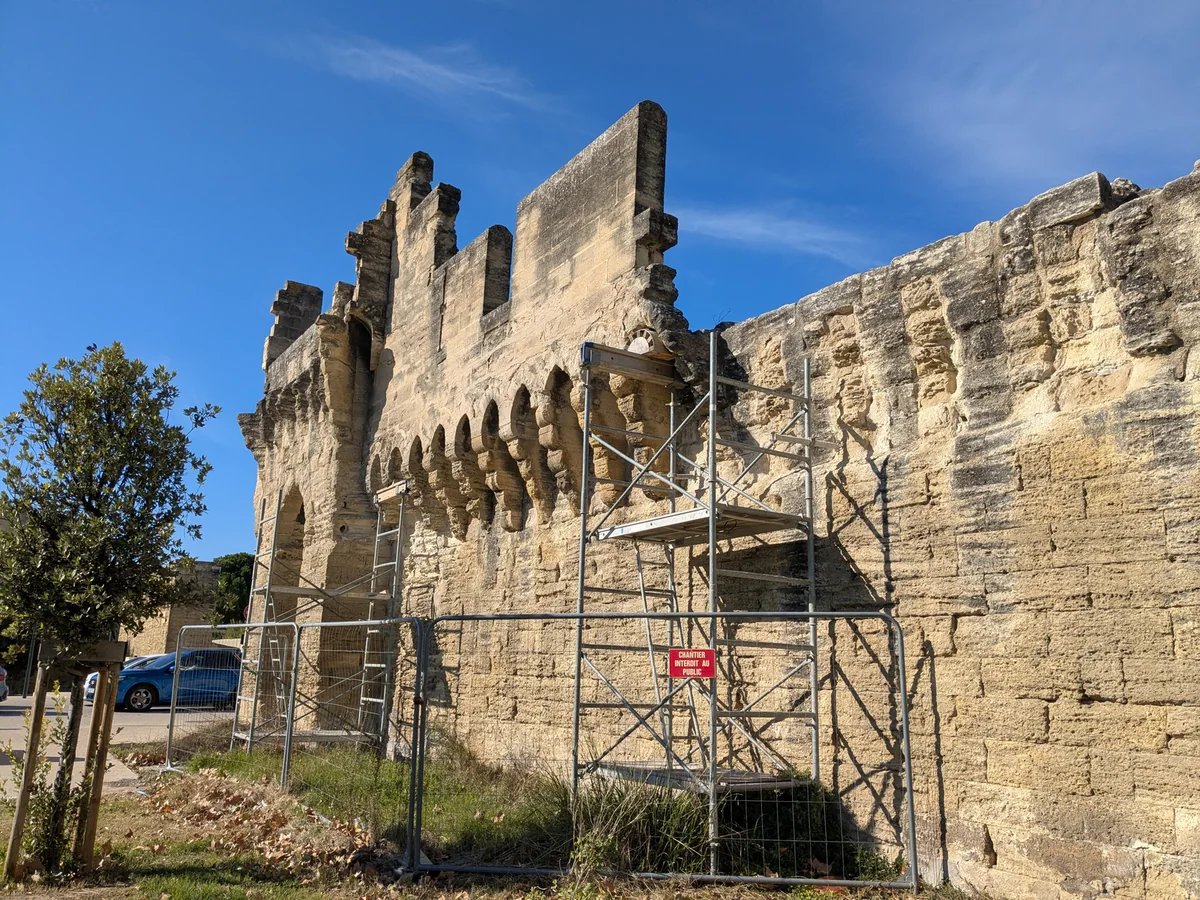
Two gates of the papal city walls
In the north-east, the Porte Saint-Lazare is easy to spot by its two openings. The larger one passes under a crenellated tower, and the other goes through the wall beside it. Horse traders gathered at the foot of the walls here during the spring fair.
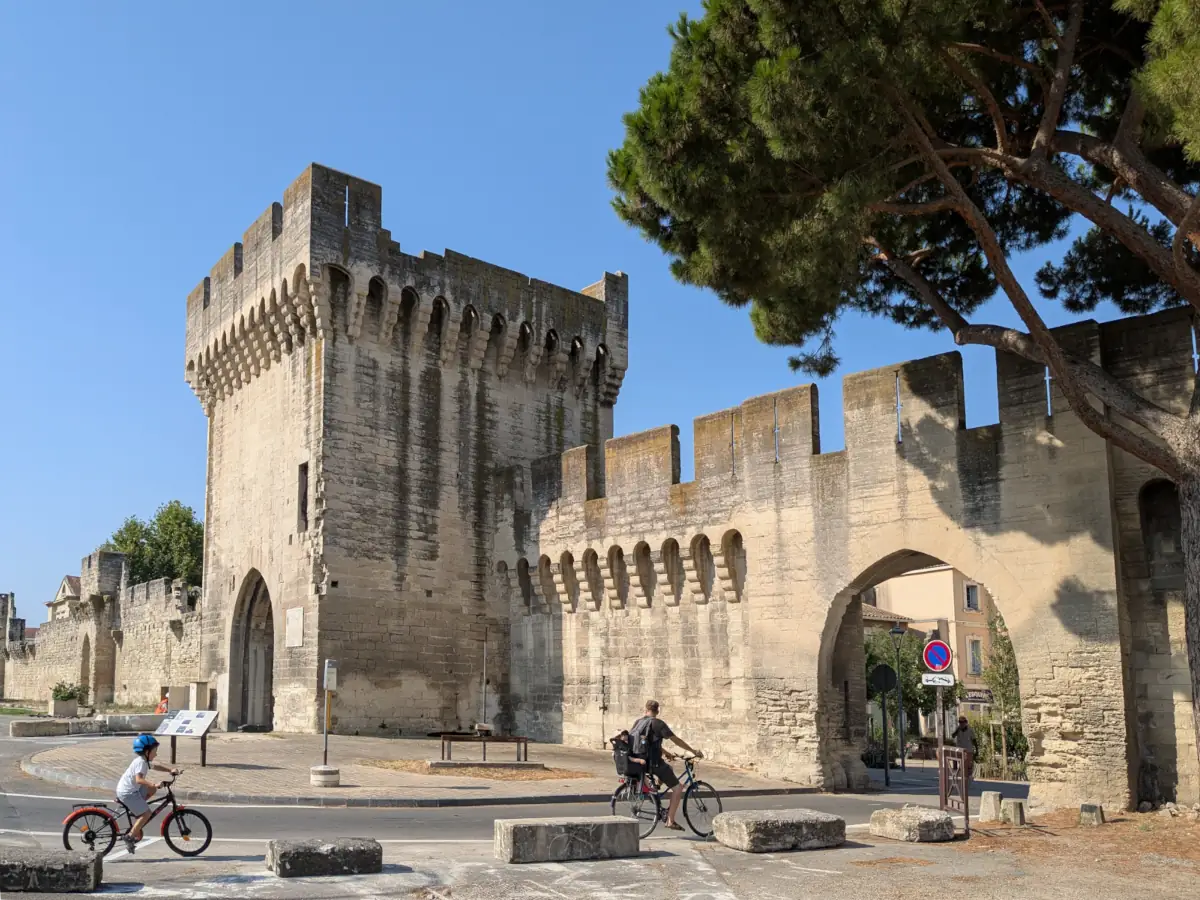
On the south side, the Porte Saint-Michel once had a drawbridge. It was removed and the ditch was filled in. In the 19th century, Viollet-le-Duc remodelled the gate, where a duty was collected on goods entering the city.
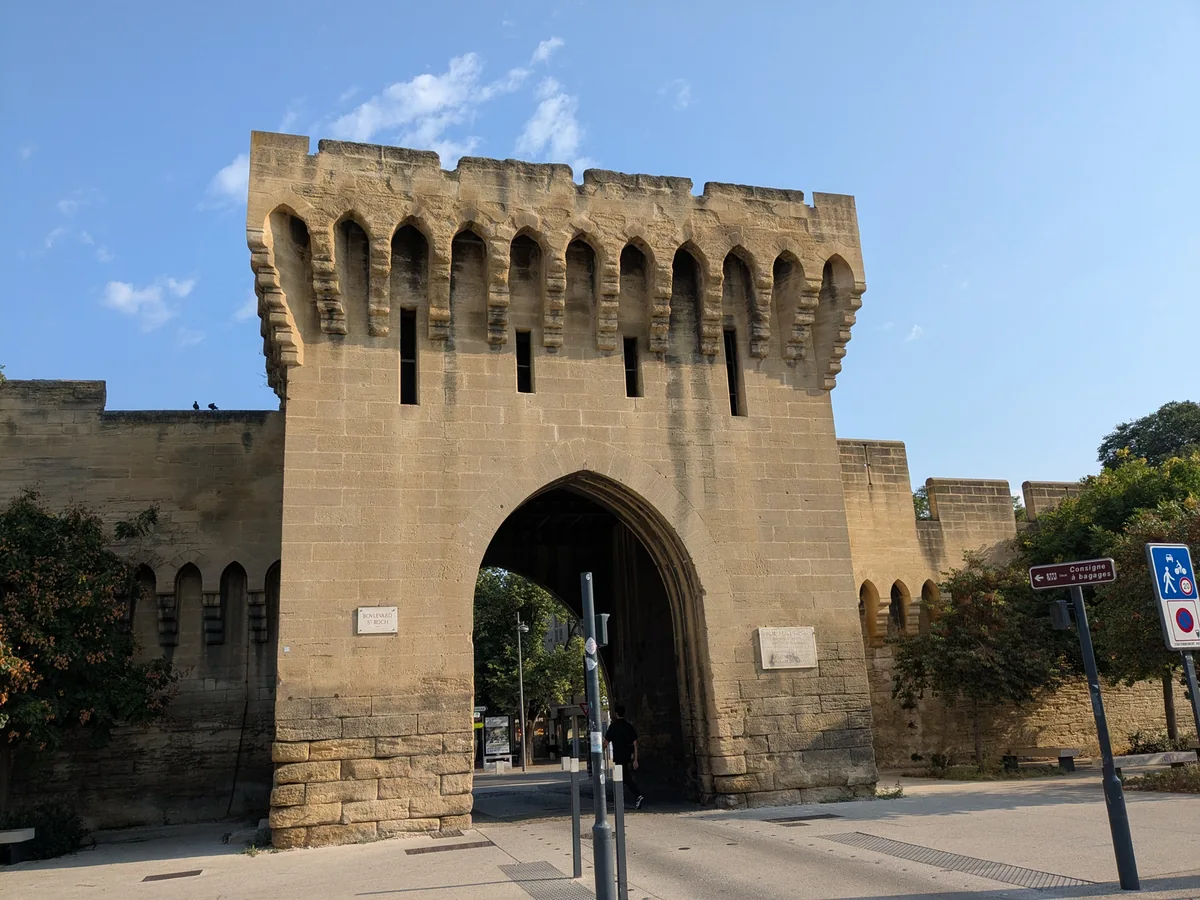
Opening the city to travellers
From Avignon Centre station, you pass between two crenellated towers to reach the Rue de la République. The station opened in 1854, and a gap was cut in the walls the following year. The railway needed a direct link to the Place de l’Horloge.
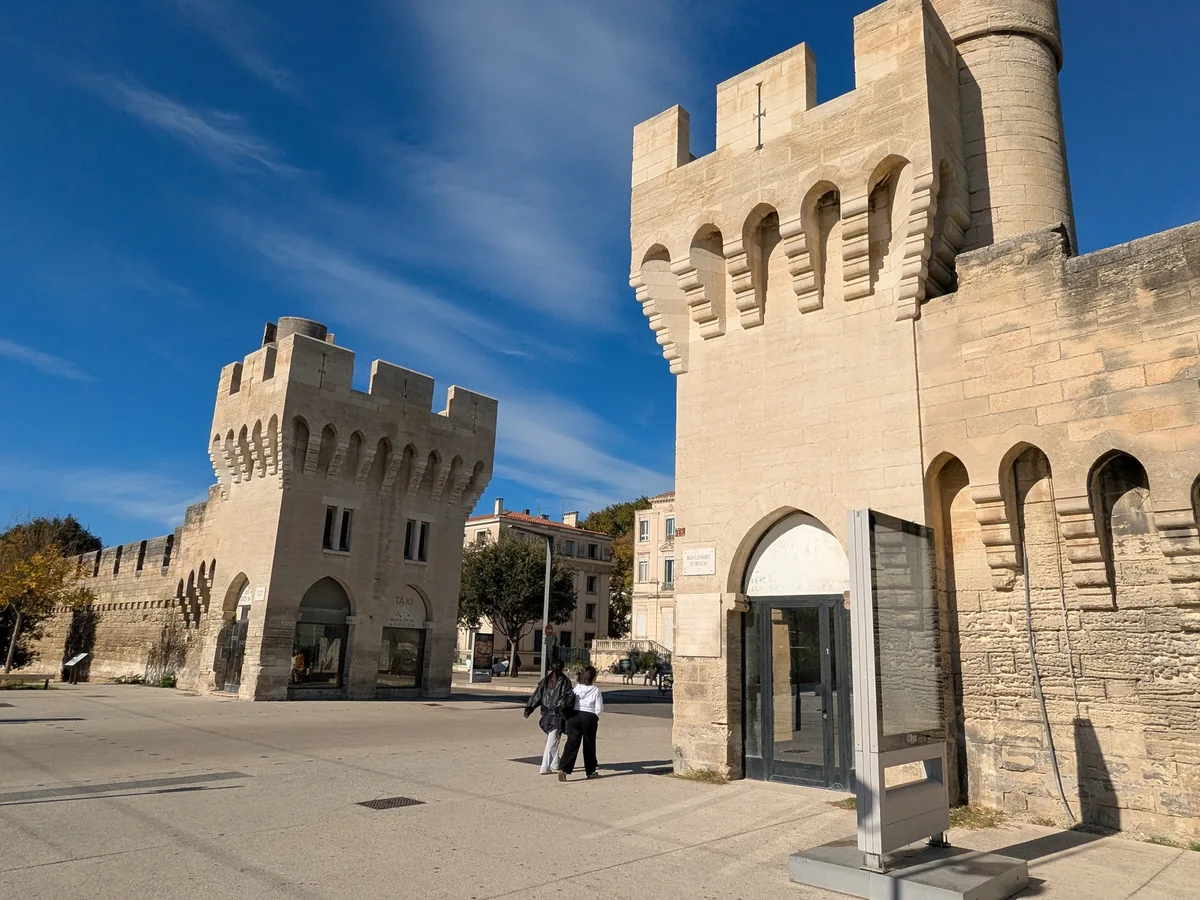
In 1863, Eugène Viollet-le-Duc gave this new entrance the look of a fortification. It was first called the Porte Napoléon before becoming the Porte de la République.
Markets at the foot of the walls
By setting up outside the walls, traders avoided the duty on goods brought into the city. In 1931 the Saint-André fair drew nearly 1,200 horses near the Porte Saint-Roch. Iron rings once used to tether the animals can still be seen in the stone.
The Saturday morning market occupied the stretch between the Porte Limbert and the Porte Saint-Michel until the area was redesigned as a promenade. It is now held in the Jardin Chabran, opposite the walls on Boulevard Limbert.
From moats to promenades
The first promenades beside the walls appeared in the late 17th century, over the filled-in moats. As cars became more common, people parked here before heading into town. On the south side, changes made when the tramway arrived gave pedestrians more room. Today you can follow the walls from gate to gate along the Tour des Remparts paths.
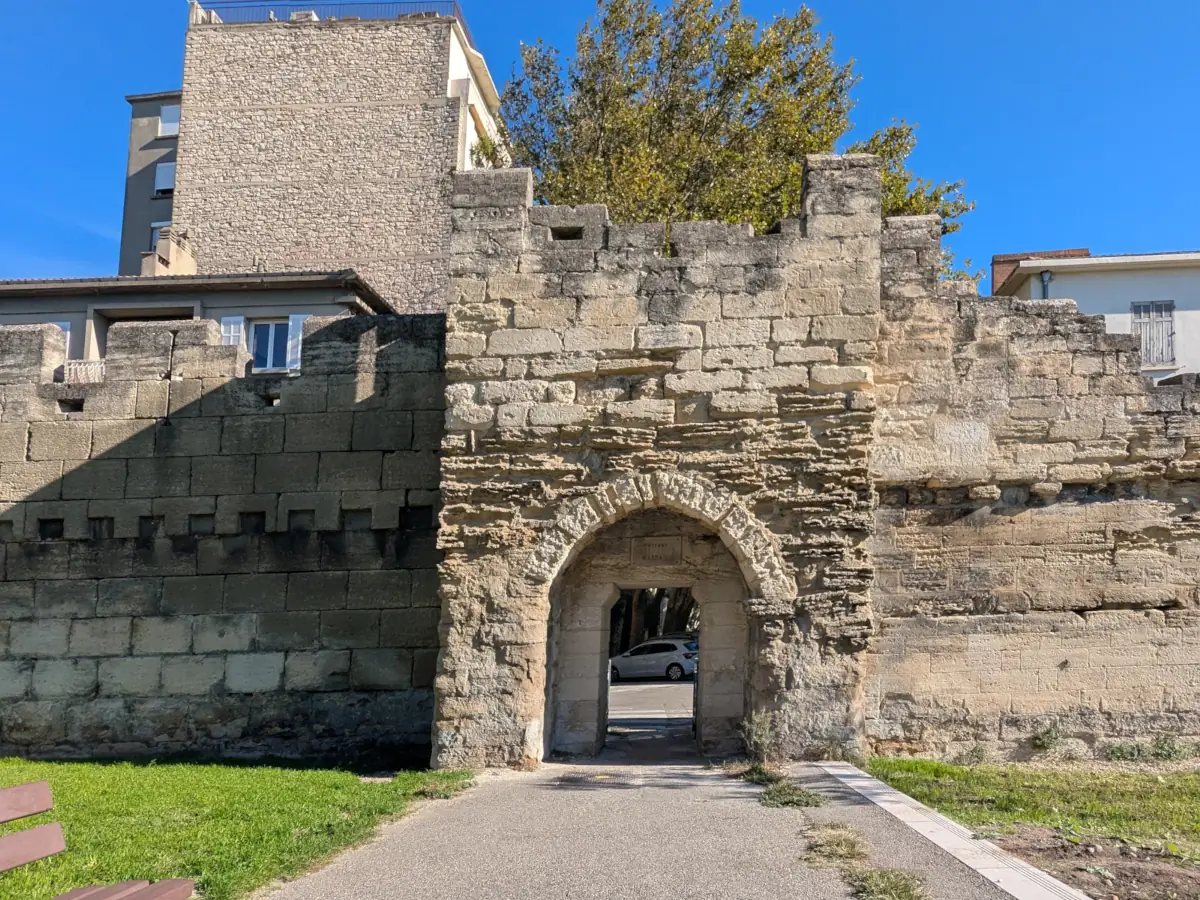
Most of the little posterns in use today were cut through the walls in the 20th century to make it easier for pedestrians to pass. They lead from the promenade into the streets of the old town.
Extend your getaway
Near the Porte du Rhône, Avignon Bridge stretches out over the river. Climb to the Rocher des Doms or head to the square in front of the Palais des Papes for a glimpse of 14th-century Avignon. From Île de la Barthelasse, you can see the bridge, the walls and the rock together.
Practical information
Walking around Avignon’s city walls
- Starting point and duration
- The Porte de la République, opposite Avignon Centre station, is an easy place to start. Allow about 1½ to 2 hours on foot, including stops at the gates and information panels.
- At the foot of the walls and on the wall walk
- The circuit follows the walls at street level, with boulevard crossings. Ask at the bridge entrance about access to the stretch of wall walk near Saint-Bénézet Bridge.
City walls and access to the wall walk · The city’s information trail
Extend your stay
Guest houses to extend your getaway
These properties listed on the Portal are within 25 km as the crow flies of the location featured in this getaway. Visit their websites to plan your stay.
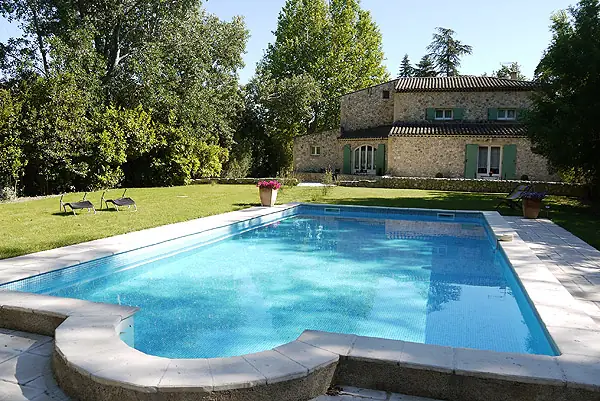
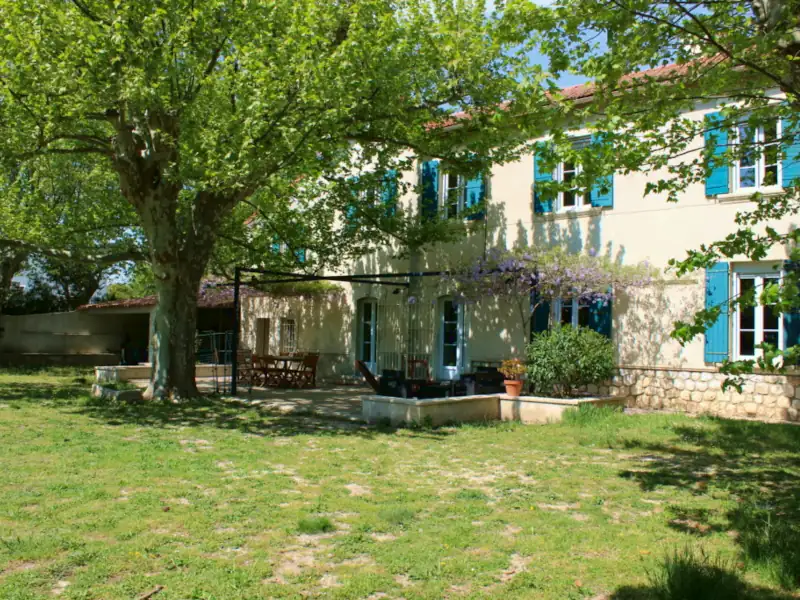
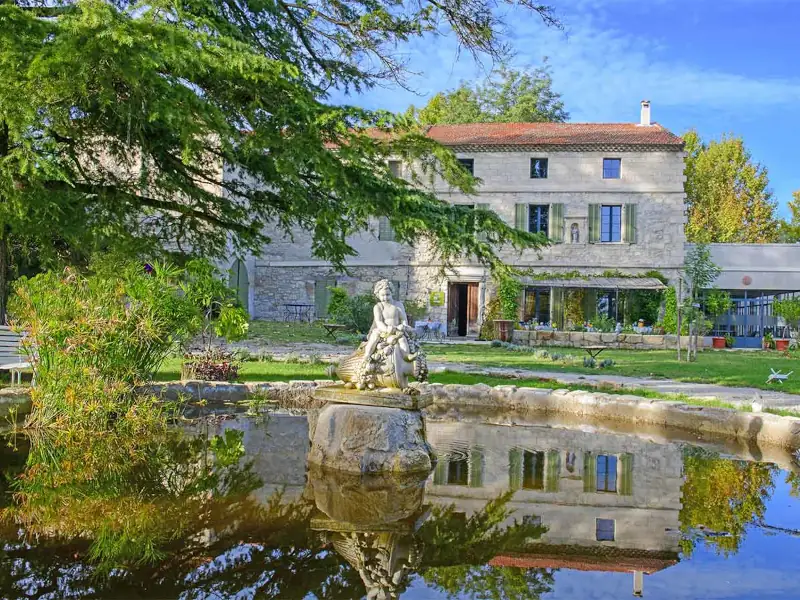
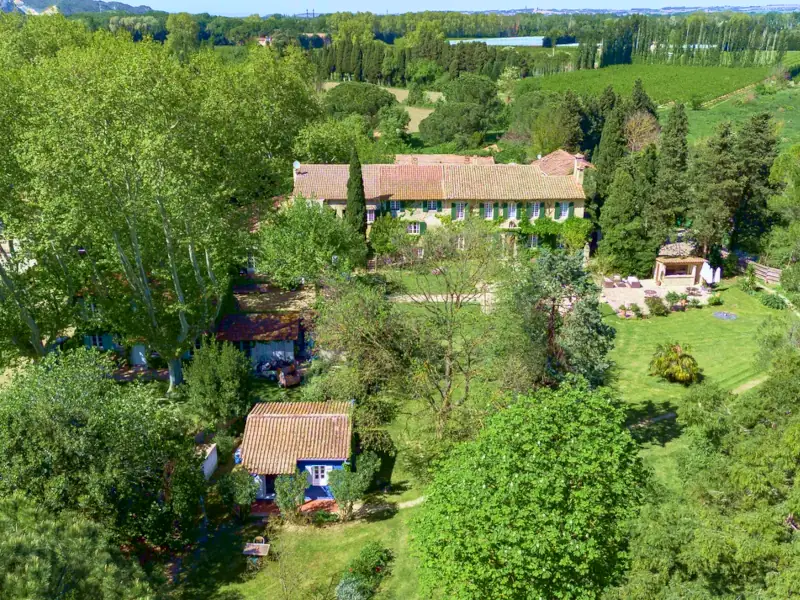
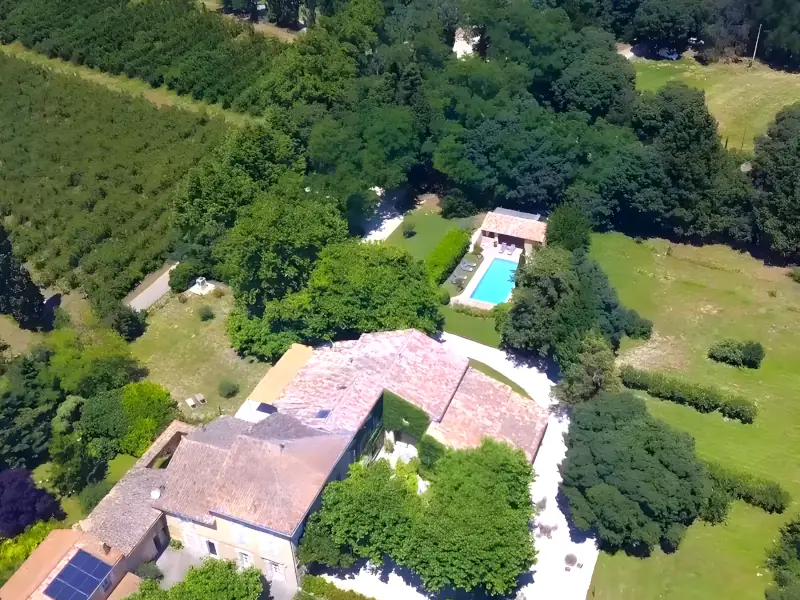
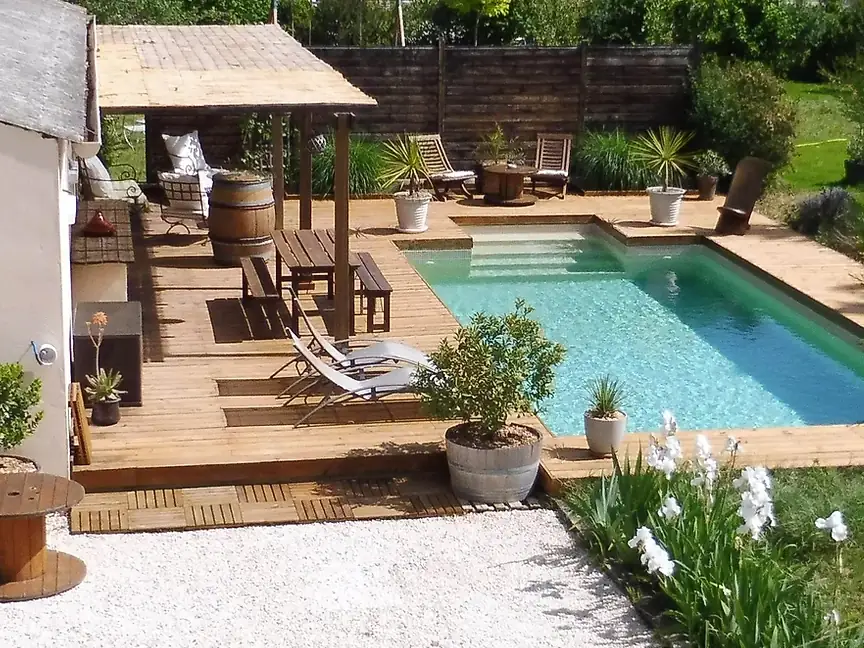
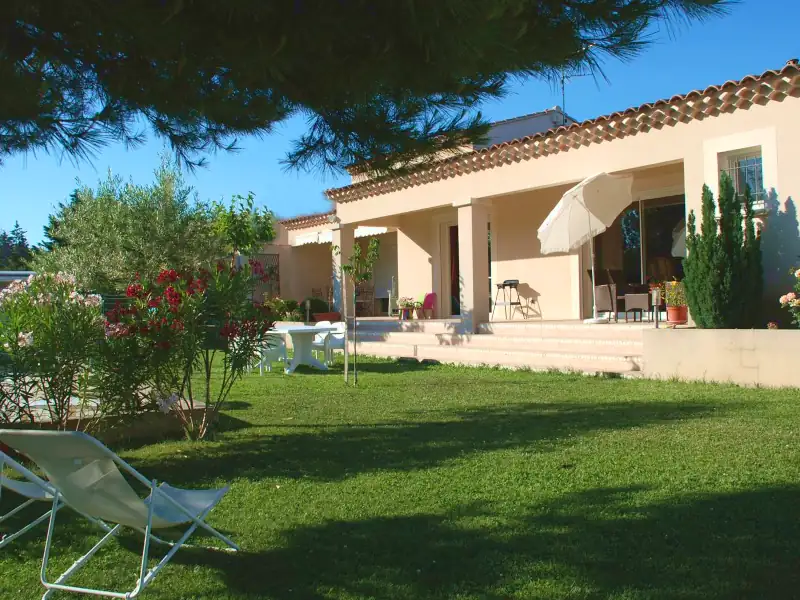
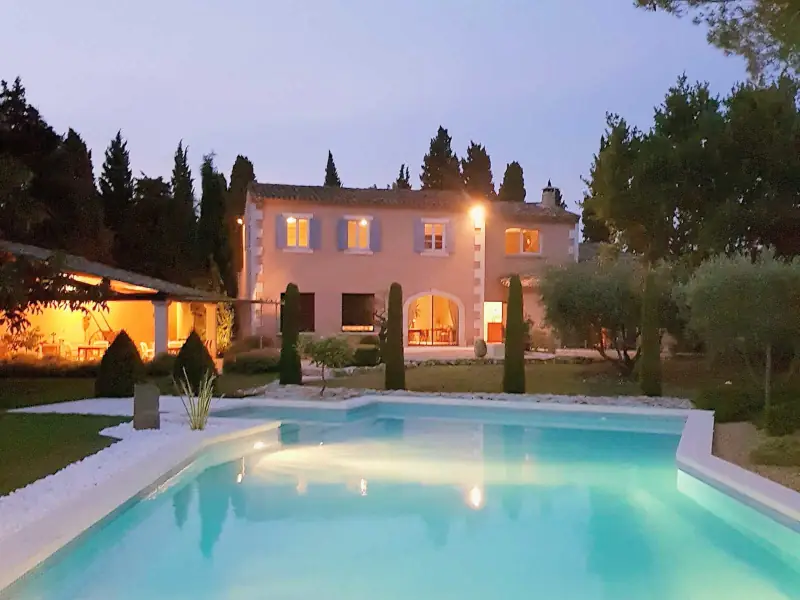
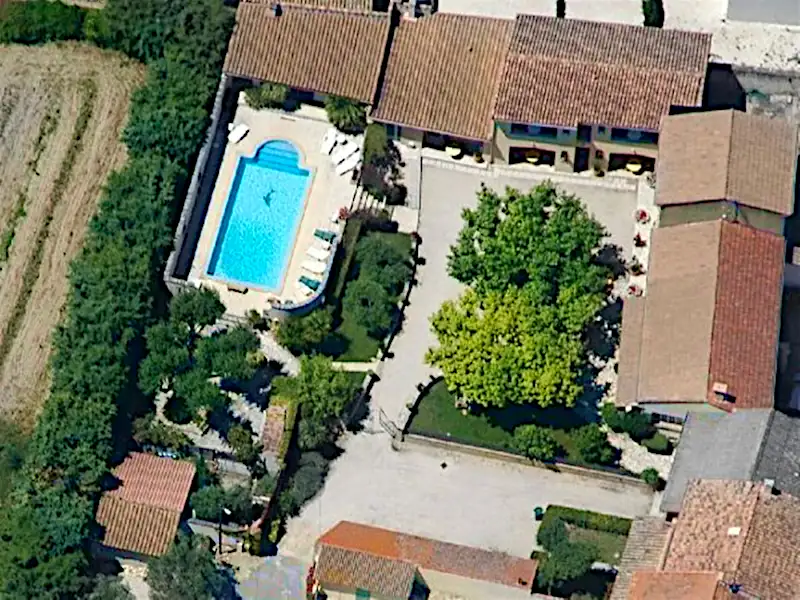
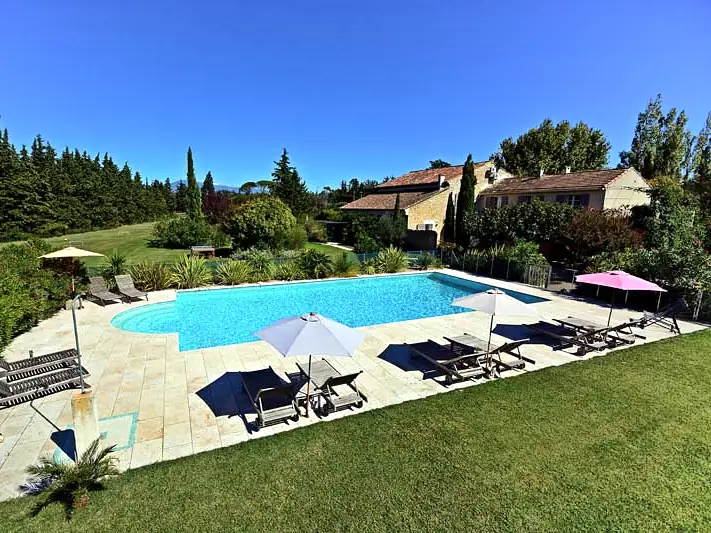
Le Mas de l'Amandier
Charming Bed and breakfast and holiday rental
St Saturnin lès Avignon
Visit website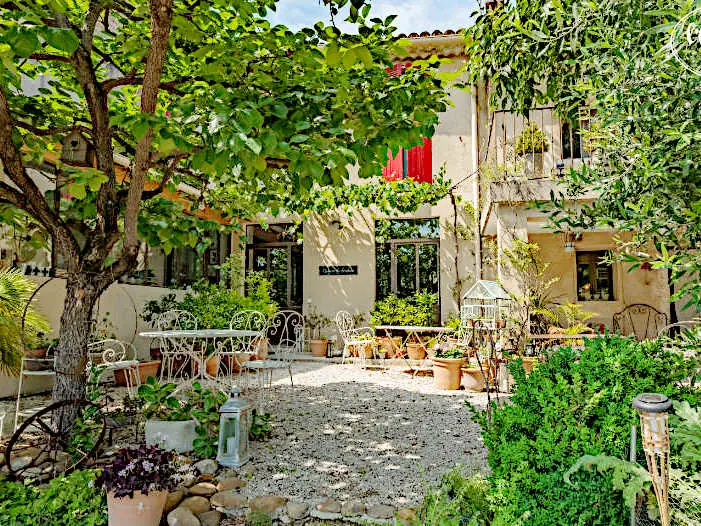
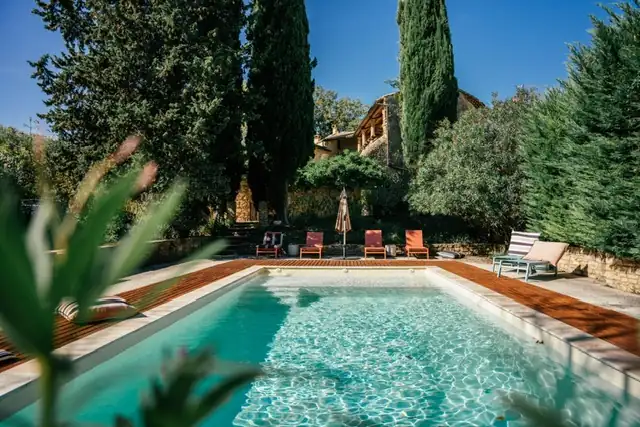
L'Oréliane
Charming Bed and breakfast
Châteauneuf de Gadagne
Visit website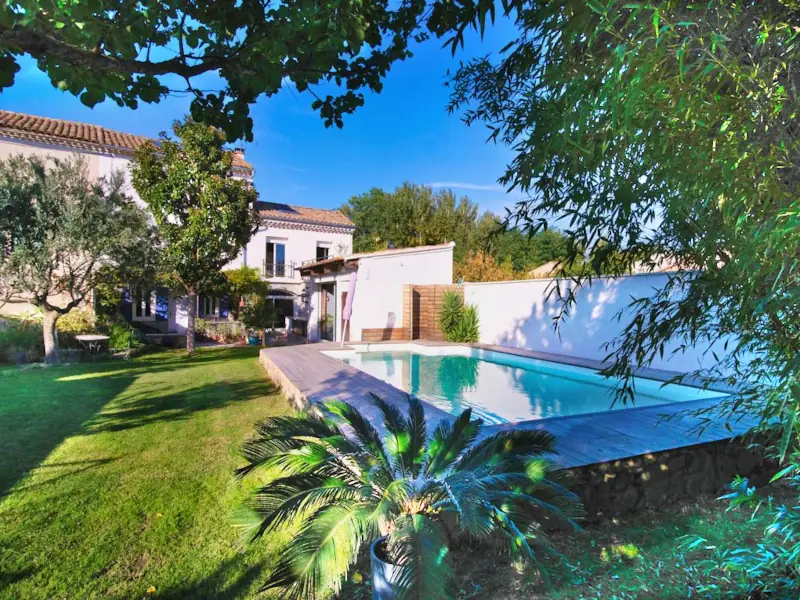
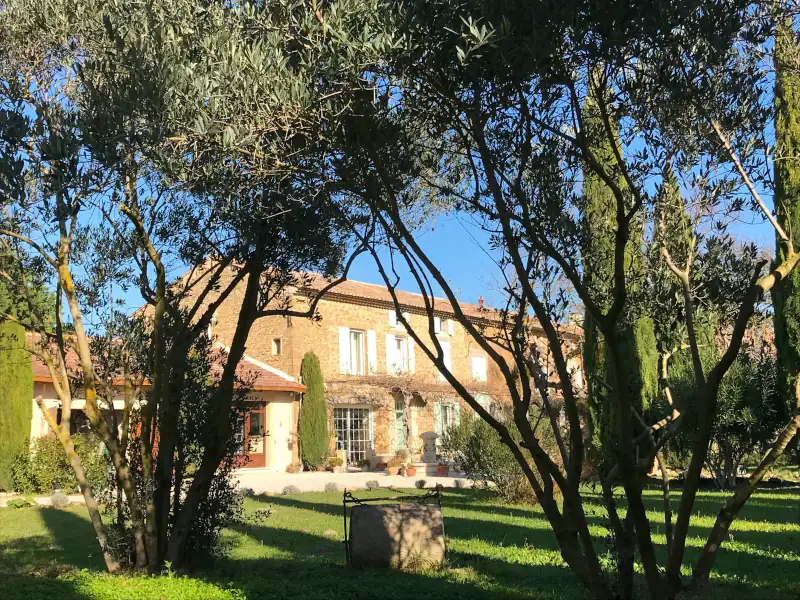
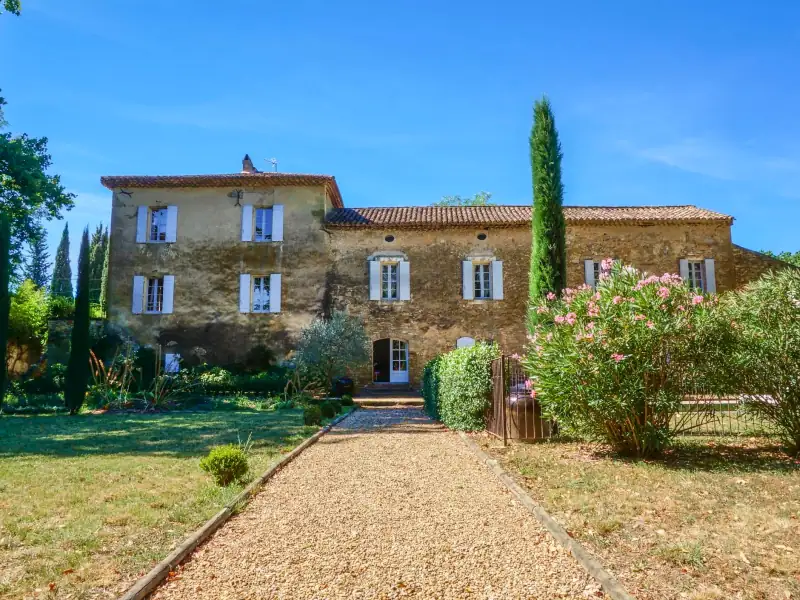
Fontaine des Magnarelles
Charming Bed and breakfast
Althen des Paluds
Visit website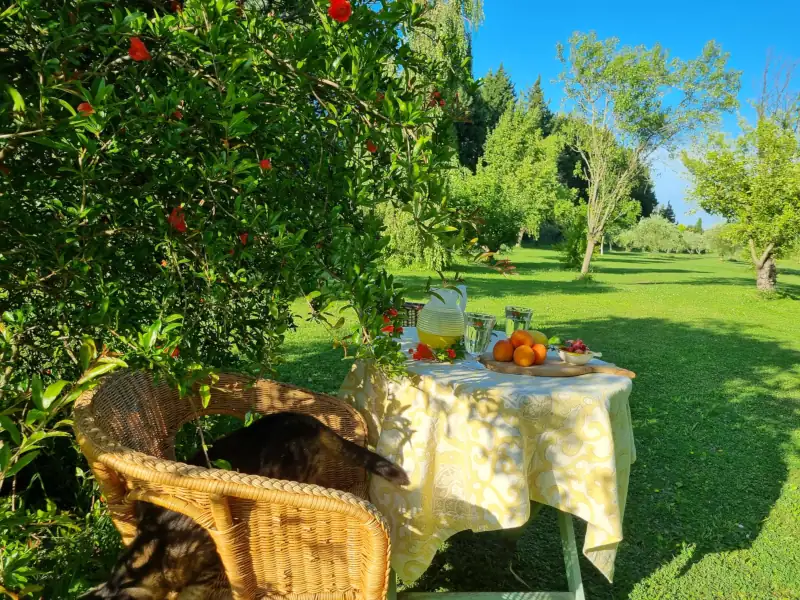
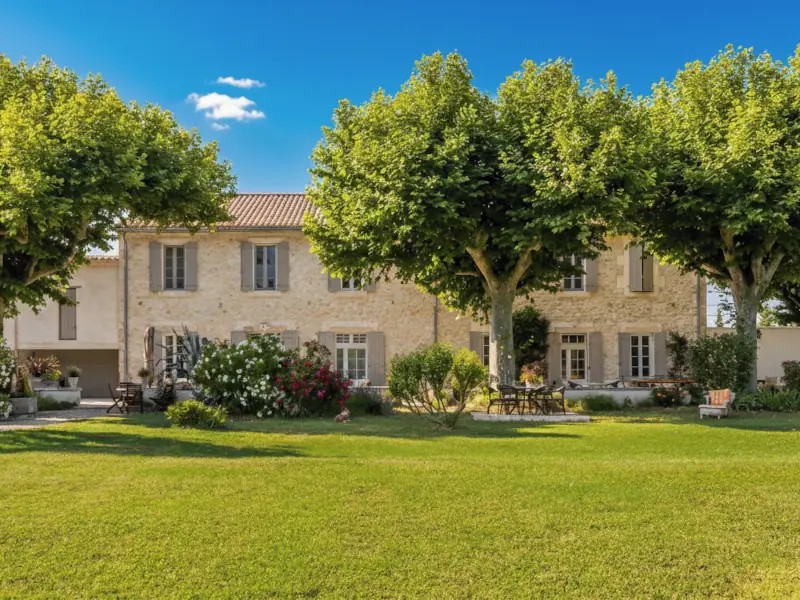
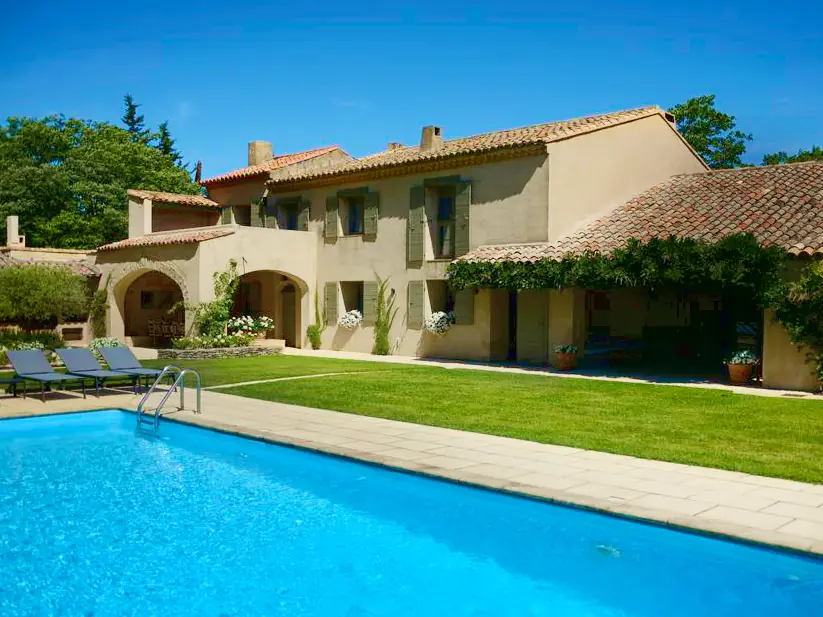
La Bastide des Amouriers
Charming bed and breakfast and Gite
Caumont-sur-Durance
Visit website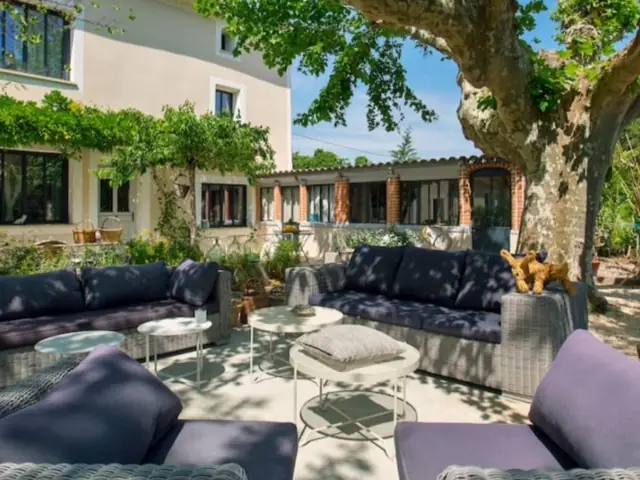
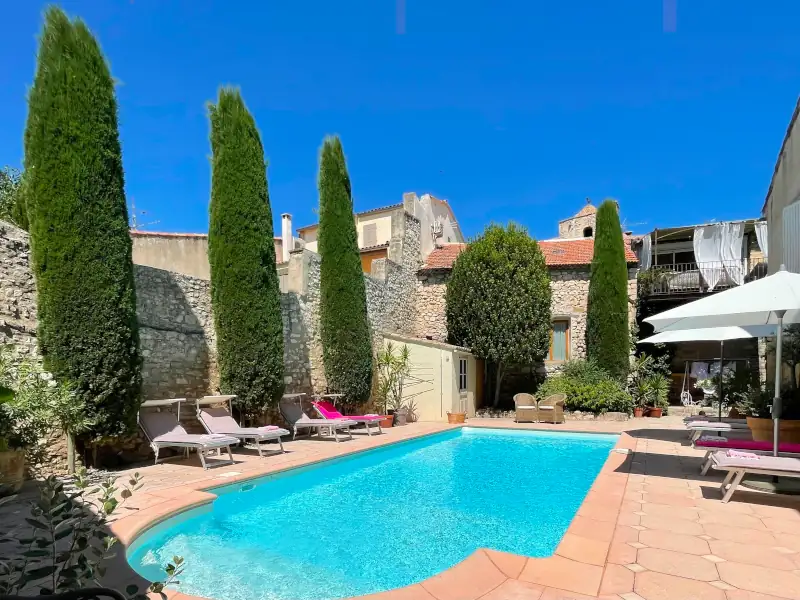



Four de Cony
Charming bed and breakfast
Saumane de Vaucluse
Visit website
Last updated: