Getaway near Gordes
Lavender at Sénanque Abbey, near Gordes
Text and photographs by Vincent Flachaire
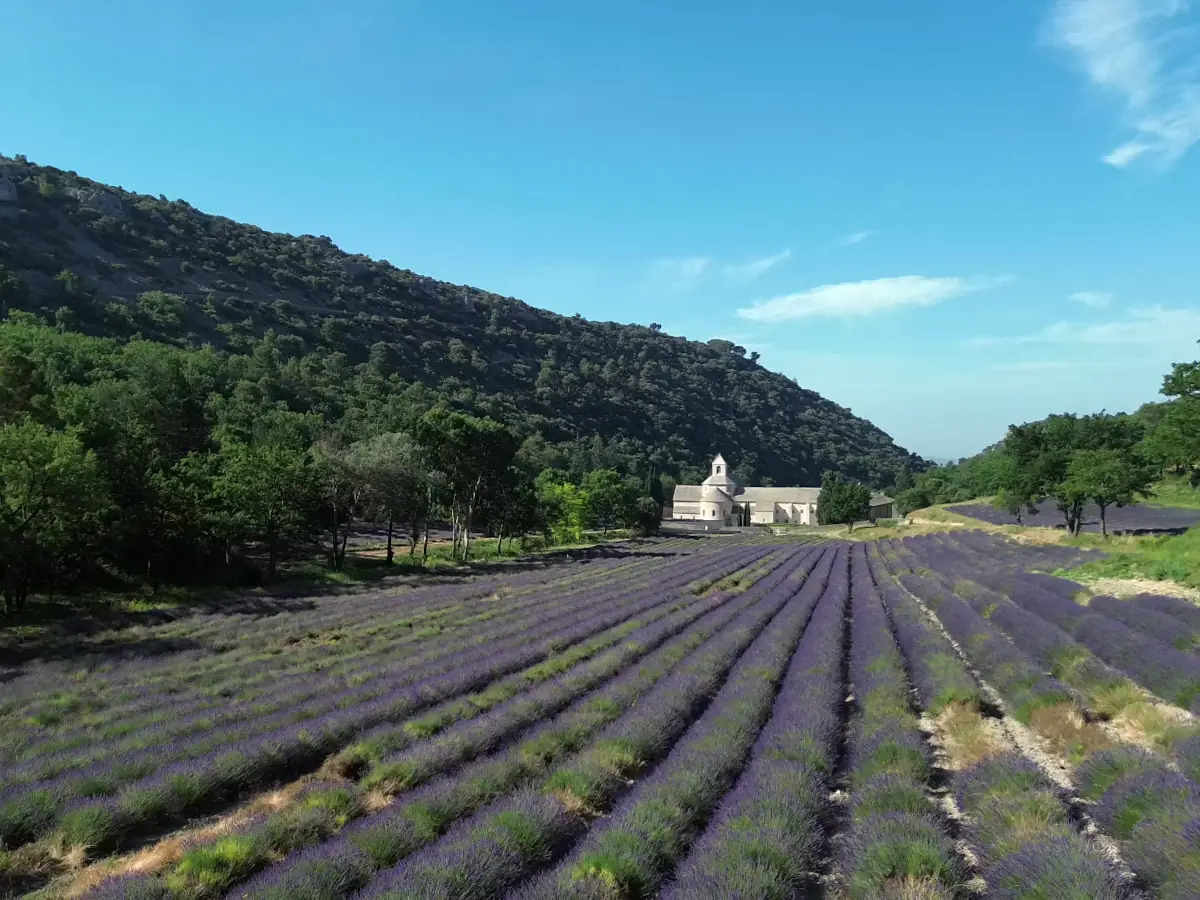
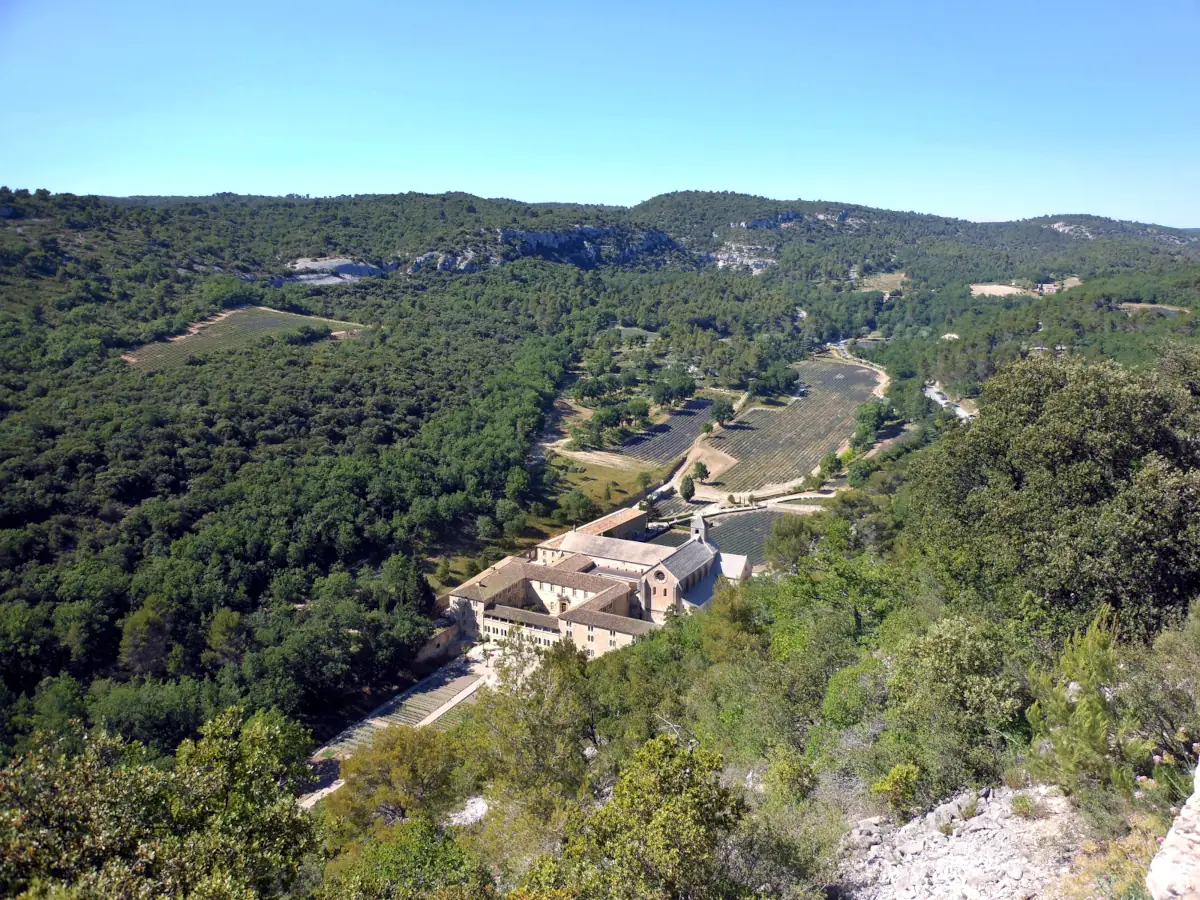
At Sénanque, rows of lavender lead the eye towards the Romanesque abbey, set deep in the Sénancole valley.
A secluded valley that became an icon of Provence
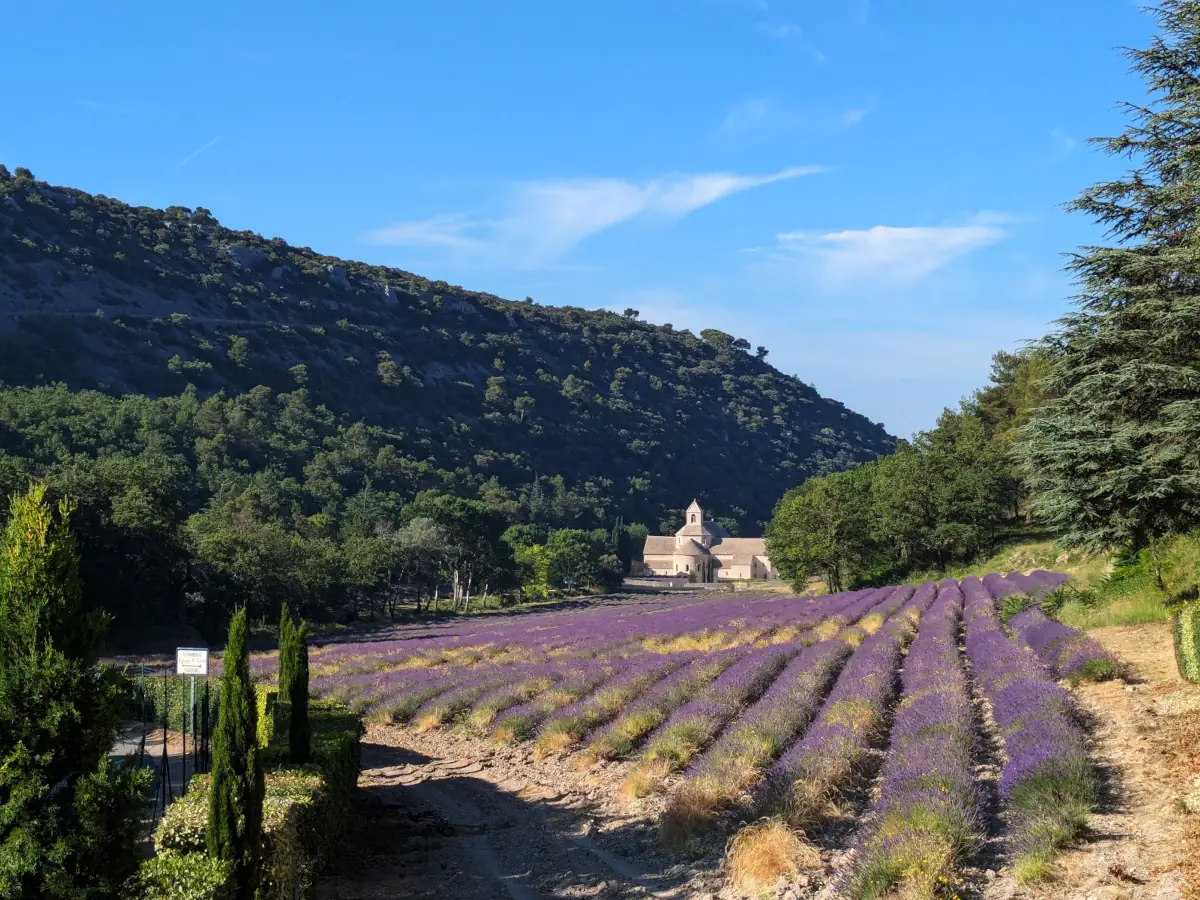
A few kilometres from Gordes, Sénanque Abbey appears in a narrow landscape, protected by the dry slopes of the Monts de Vaucluse. The road arrives from above, then the eye gradually discovers the monastic buildings, cypress trees, low stone walls and rows of lavender that structure the foreground.
The pale stone of the abbey, the lavender rows and the dry hills answer one another without any dramatic effect. The shape of the valley guides the approach: the road descends along the steep hillside, the cultivated fields lead the eye, and the abbey church remains set back until it appears at the end of the way, resting at the bottom of the site.
Lavender, a seasonal setting
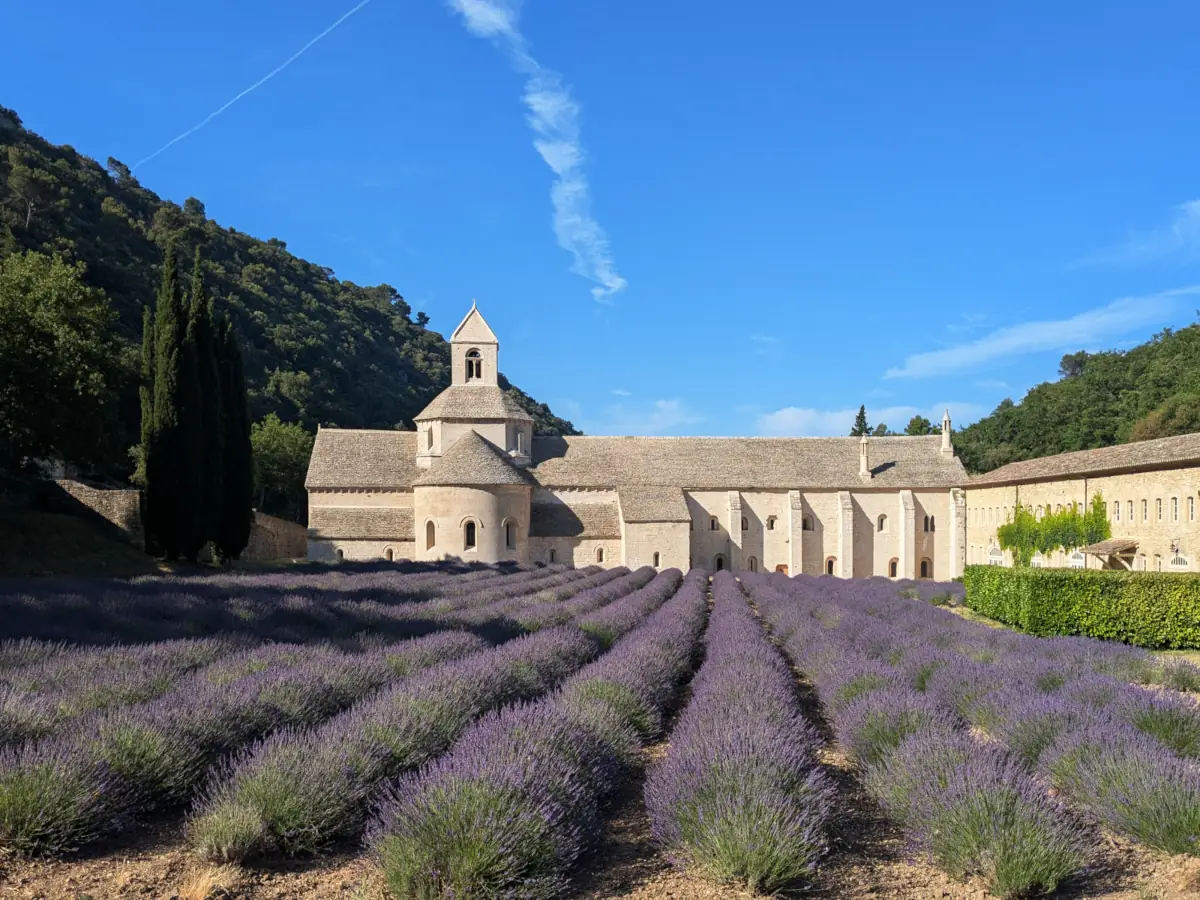
The lavender bloom gives the site its most sought-after moment. It generally takes place from mid-June to early July. This is the most spectacular period, but also the busiest.
Sénanque shows lavender in a valley setting, tied to the abbey and the landscapes of the Luberon. To understand other faces of the bloom in Provence, it can be compared with the lavender fields of the Valensole plateau, with lavender around Sault and the Albion plateau, or with lavender in the Baronnies provençales, shaped by valleys and pre-Alpine relief.
Morning and late afternoon better suit the spirit of the place: the light is softer, the shadows give relief back to the lavender rows, and the abbey regains more presence. Outside the flowering season, Sénanque remains worth visiting for its Romanesque architecture, the shape of the valley and the contrast between lavender fields, holm oak woods and dry hills.
A living Cistercian abbey, a place of work and prayer
Founded in the 12th century, Notre-Dame de Sénanque Abbey belongs to a monastic Provence where architecture seeks balance rather than effect. The volumes are simple, the openings measured, the lines restrained. This reserve gives the place its strength: the abbey does not dominate the landscape, but gives it its centre, its measure and its gravity.
On site, the essential thing is to take time to look at the place as a whole: the facade of the abbey church, the convent buildings, the lavender fields, the low stone walls and the hills that close the valley. When abbey visits are open, they help visitors better understand Cistercian life and the meaning of this architecture, designed for prayer, work and retreat.
Around Sénanque, Gordes and the Monts de Vaucluse
Sénanque is reached by a small road from Gordes, in an area where distances are short but the roads invite a slower pace. Continuing through the Monts de Vaucluse, a beautiful road leads to Venasque, about fifteen kilometres away, a very appealing Provençal village that is less busy than Gordes.
The site fits easily into a day around Gordes, its viewpoints, stone-walled roads and garrigue landscapes. To extend the visit, the Village des Bories tells another local story, linked to dry stone and former agricultural uses. More broadly, Sénanque is a fine gateway to the landscapes of the Luberon and the Monts de Vaucluse.
Practical information
Visiting Sénanque Abbey
- Getting there
- The abbey stands in the Sénancole valley, three kilometres from Gordes, on the D177. Parking is available nearby.
- Visits
- Visits take place at set times, either guided or self-guided with a HistoPad. Booking online is recommended, and visitors are asked to respect the silence of the place.
Opening times and visiting arrangements may change. Check the abbey’s practical information before you travel.
Extend your stay
Guest houses around Gordes to extend the getaway
These properties listed on the Portal are within 25 km as the crow flies of the location featured in this getaway. Visit their websites to plan your stay.


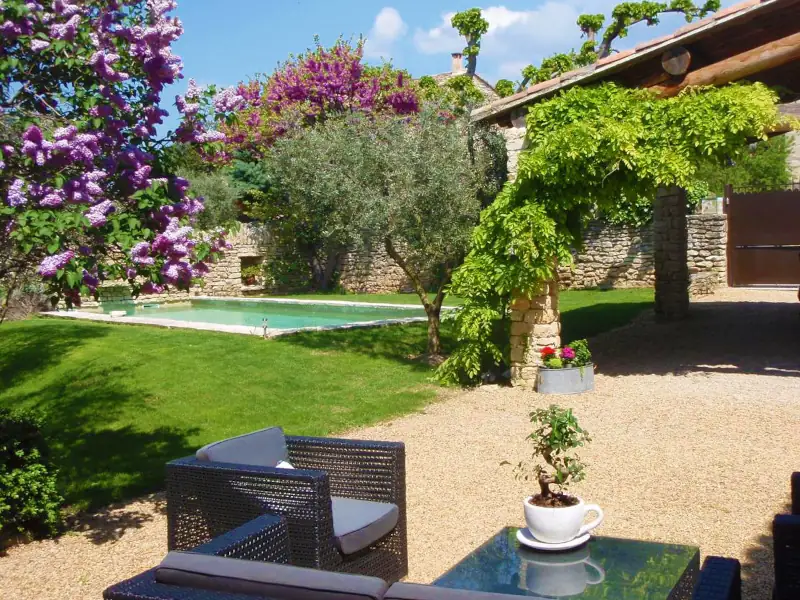
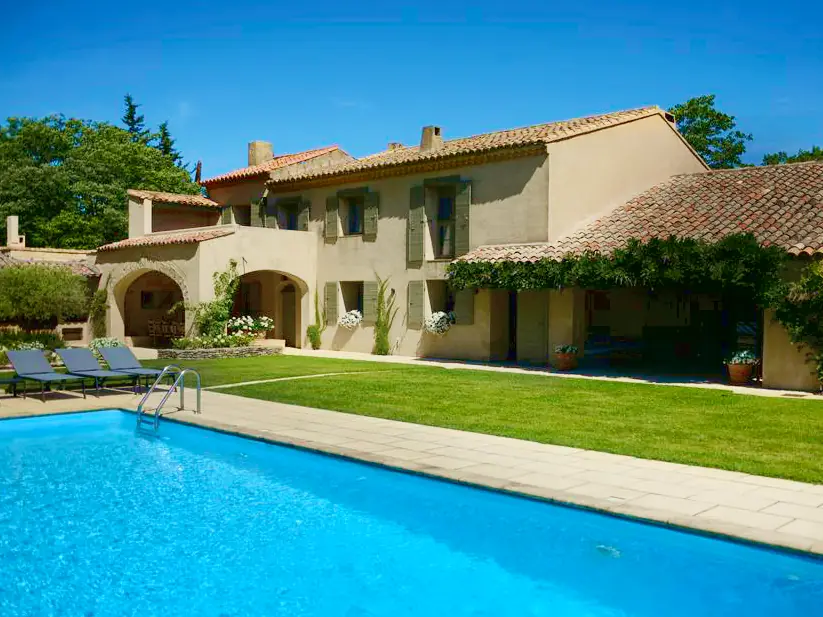
Four de Cony
Charming bed and breakfast
Saumane de Vaucluse
Visit website
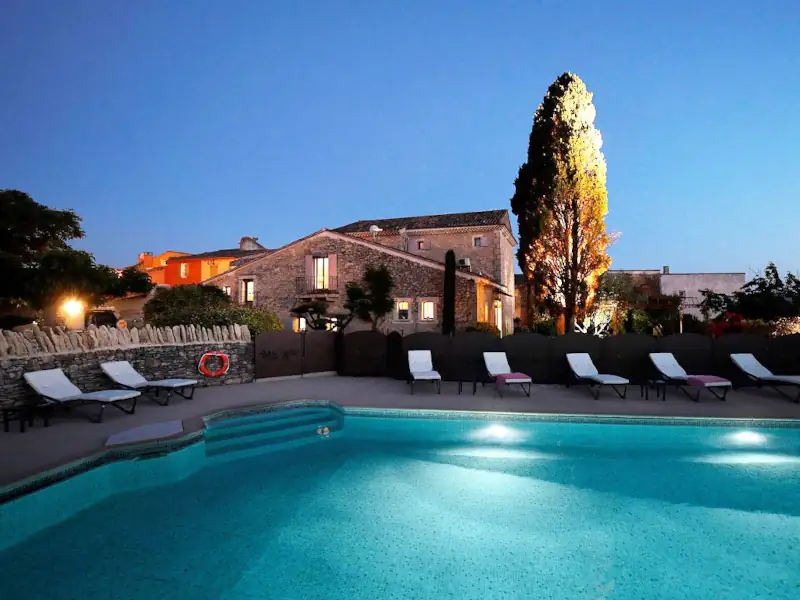
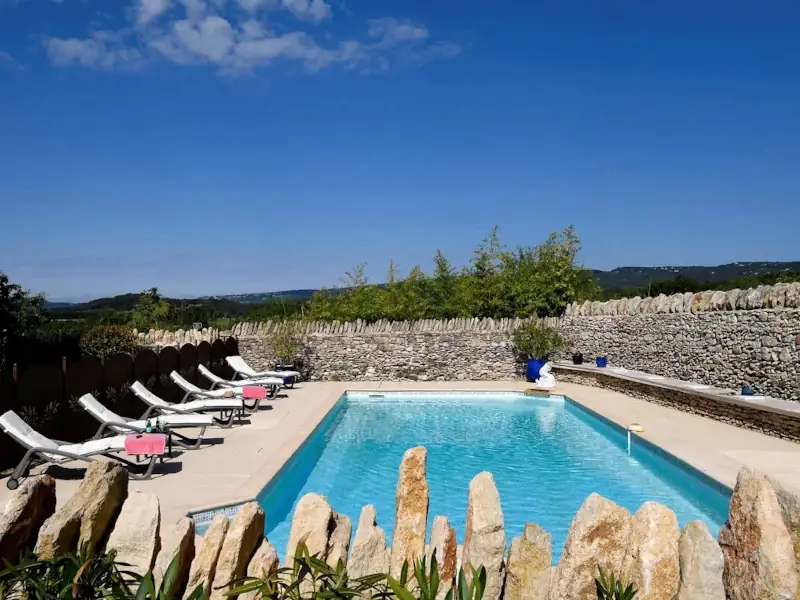
Gîte des Demoiselles
Charming Gite
Roussillon
Visit website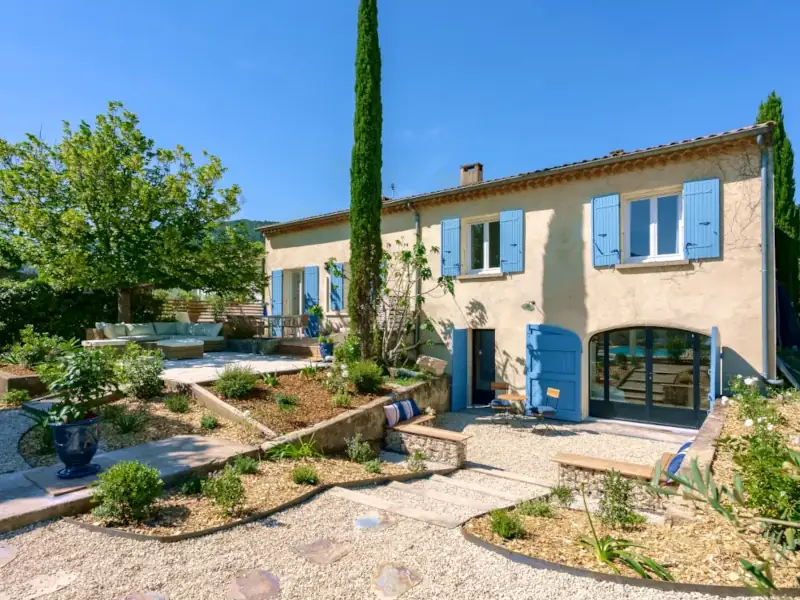


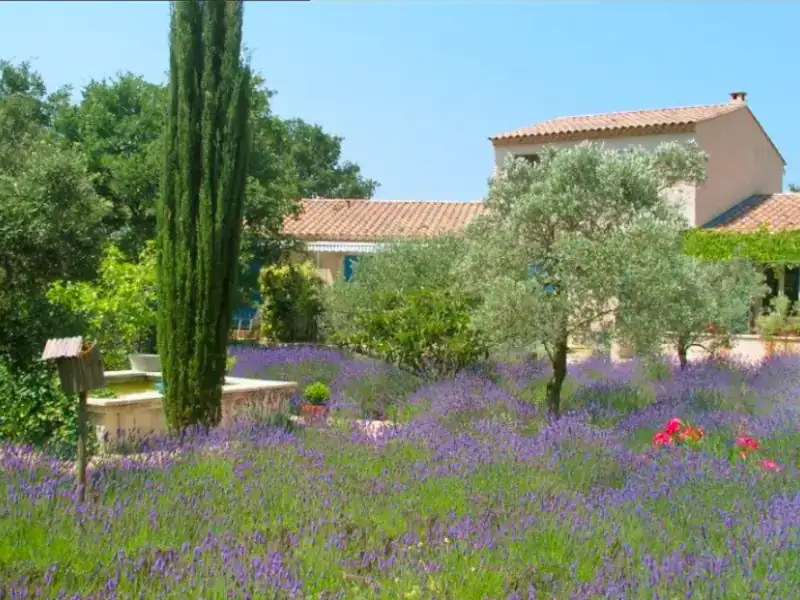
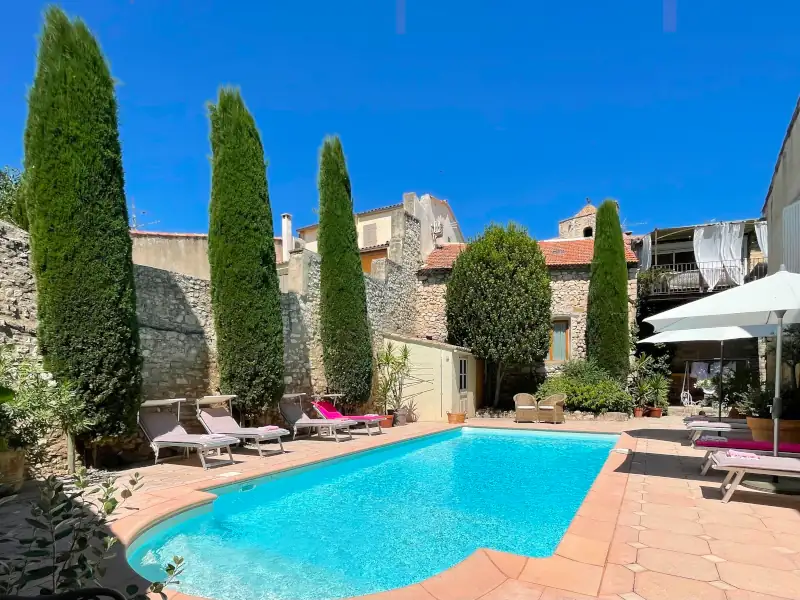
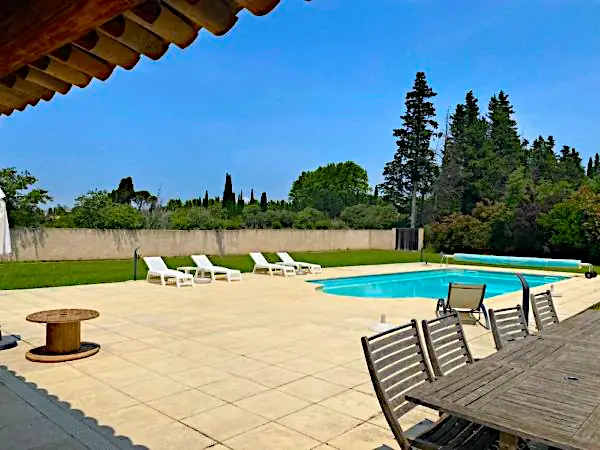
Le Pavillon du Lantana
Holiday home
Les Taillades
Visit website
La Bergerie du Luberon
Charming holiday home
Les Taillades
Visit website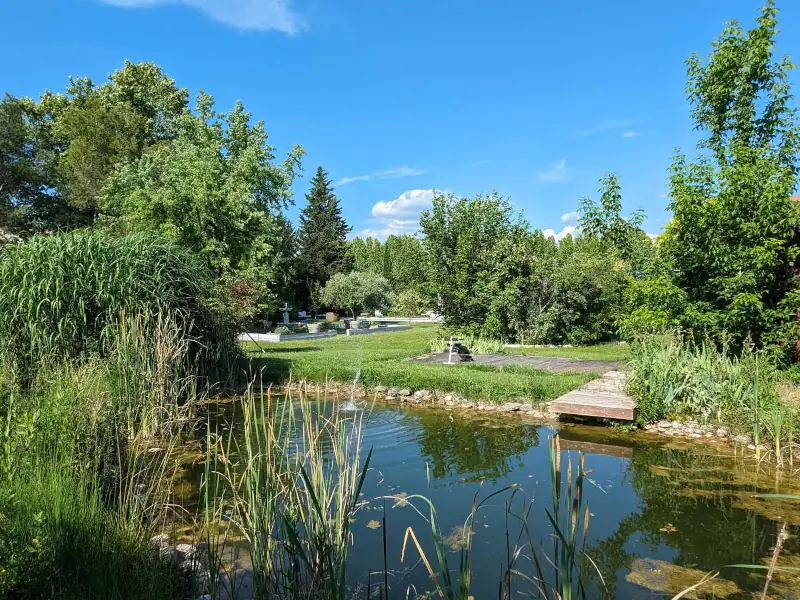

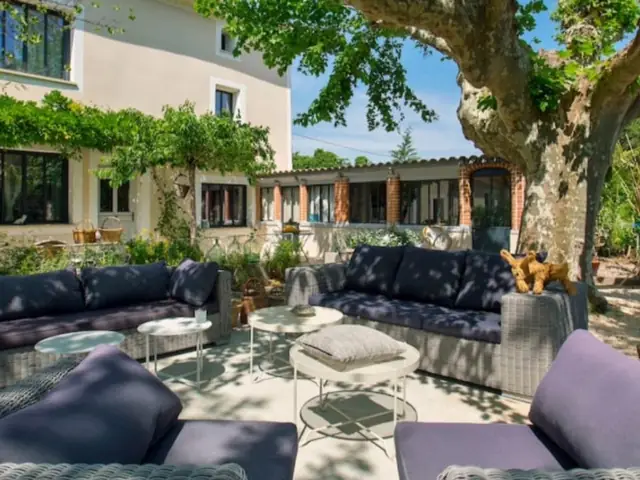
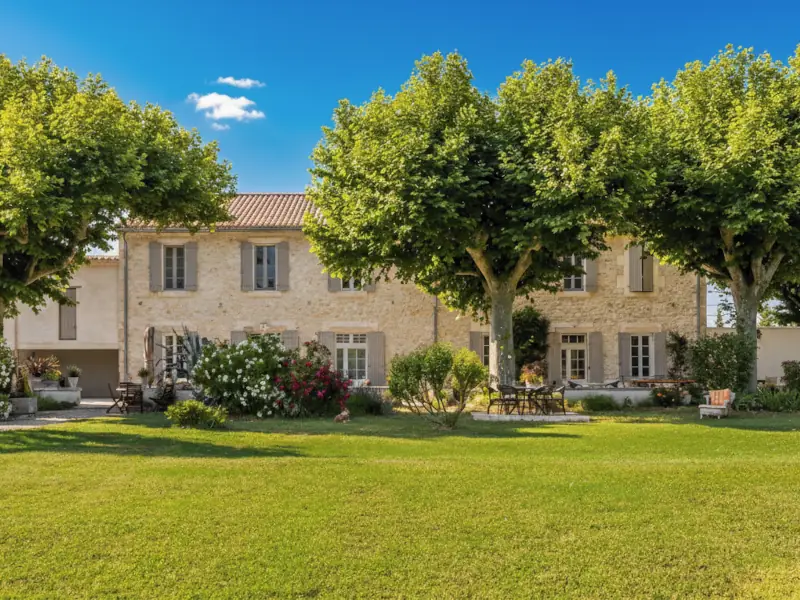
La Bastide des Amouriers
Charming bed and breakfast and Gite
Caumont-sur-Durance
Visit website
L'Oréliane
Charming Bed and breakfast
Châteauneuf de Gadagne
Visit website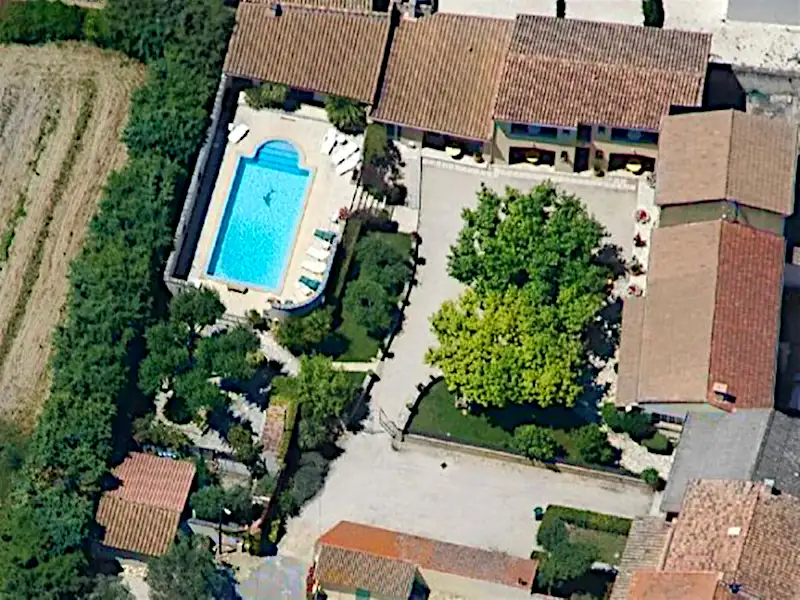
Le Mas de l'Amandier
Charming Bed and breakfast and holiday rental
St Saturnin lès Avignon
Visit website

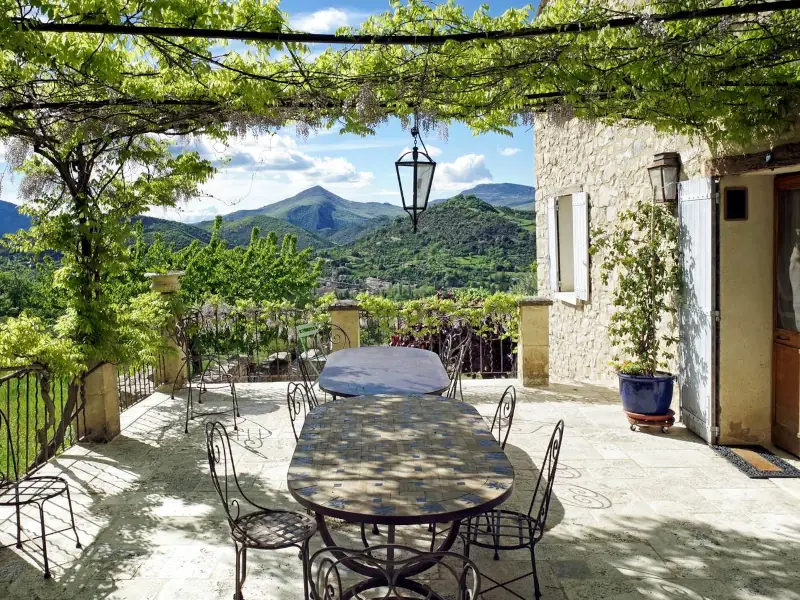
Le Deffends de Redon
Charming bed and breakfast
Montbrun-les-bains
Visit website