Getaway in the Luberon
Gordes, a vertical village in the Luberon
Text and photographs by Vincent Flachaire
In Gordes, the calades descend from the château to the Fontaine Basse, while cellars extend beneath the houses, rooting the village more deeply in the rock.
A village built into the slopes of the Monts de Vaucluse
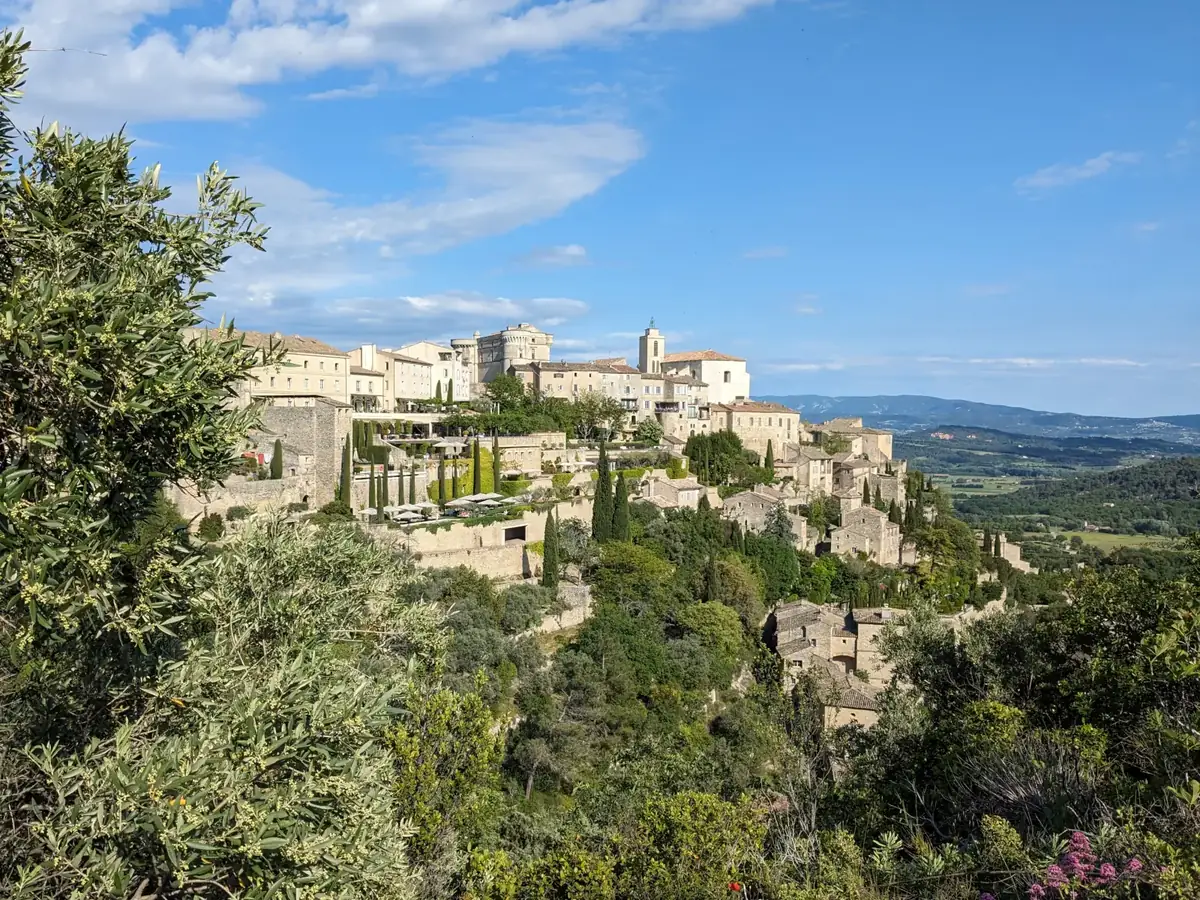
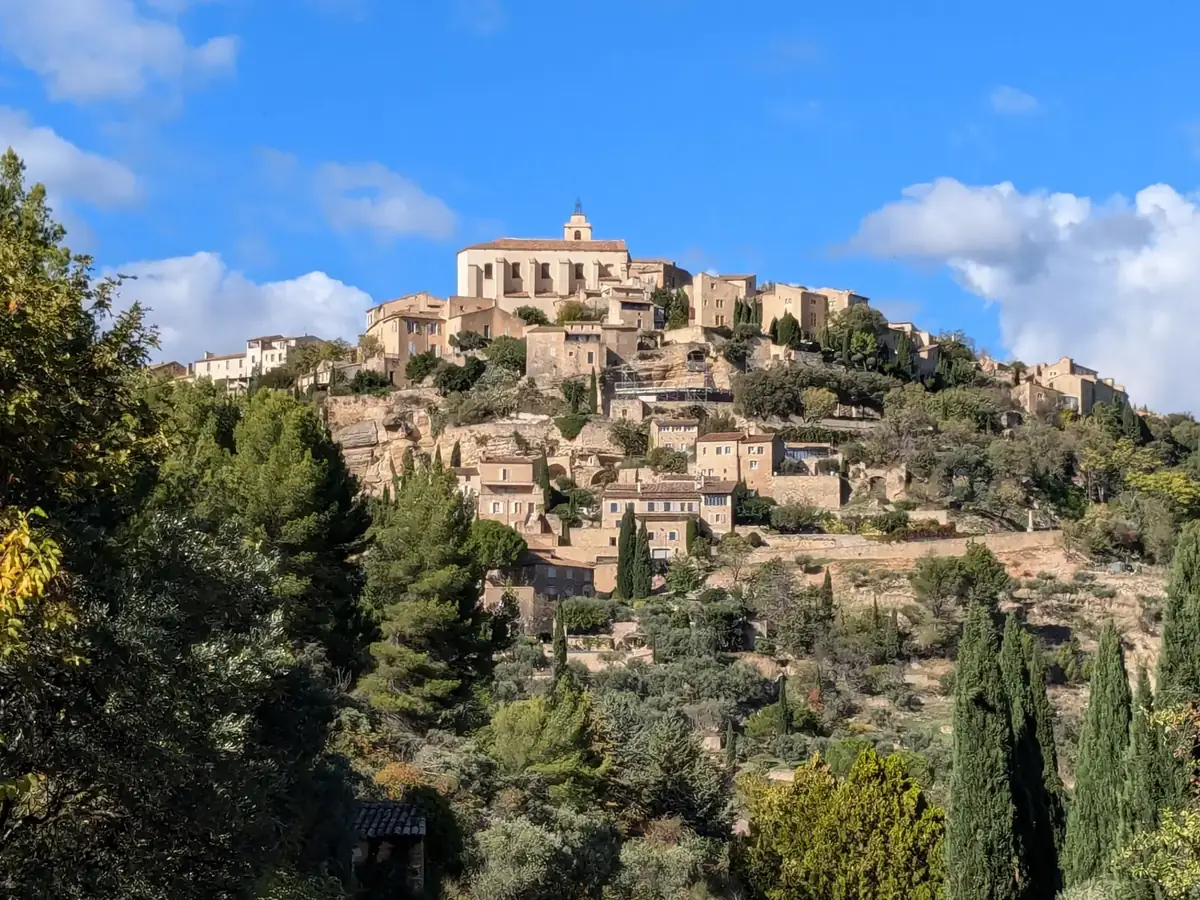
On the edge of the Monts de Vaucluse, Gordes forms a compact group above the Calavon valley. The houses step down below the château and Saint-Firmin church, while the slope continues through terraces, farmland and woodland facing the Luberon range.
The château and the church occupy the summit; tall façades define the edge of the village, and houses descend along the hillside. Beyond the Place du Château, the streets narrow and drop steeply between the walls, sometimes passing beneath the houses.
The château at the top of the village
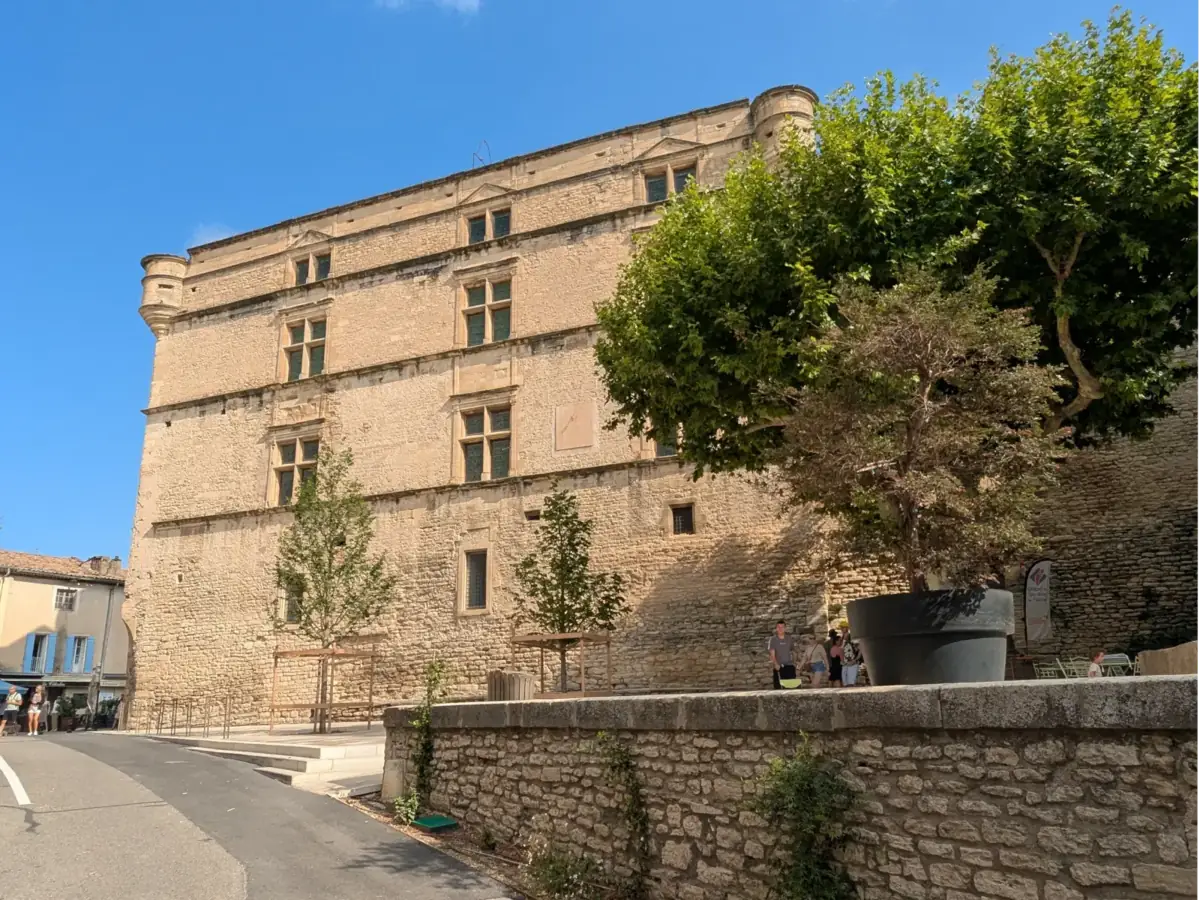
Gordes developed around a château first recorded in 1031 and established on the rocky spur. Its thick walls, towers and machicolations retain the appearance of a medieval fortress. The mullioned windows bear witness to the alterations begun in 1525 by Bertrand Rambaud de Simiane to adapt the building to the Renaissance way of life.
From a distance, the château dominates the outline of Gordes. On the square, the view closes in on the height of the towers, the thickness of the walls and the Renaissance openings of the south façade.
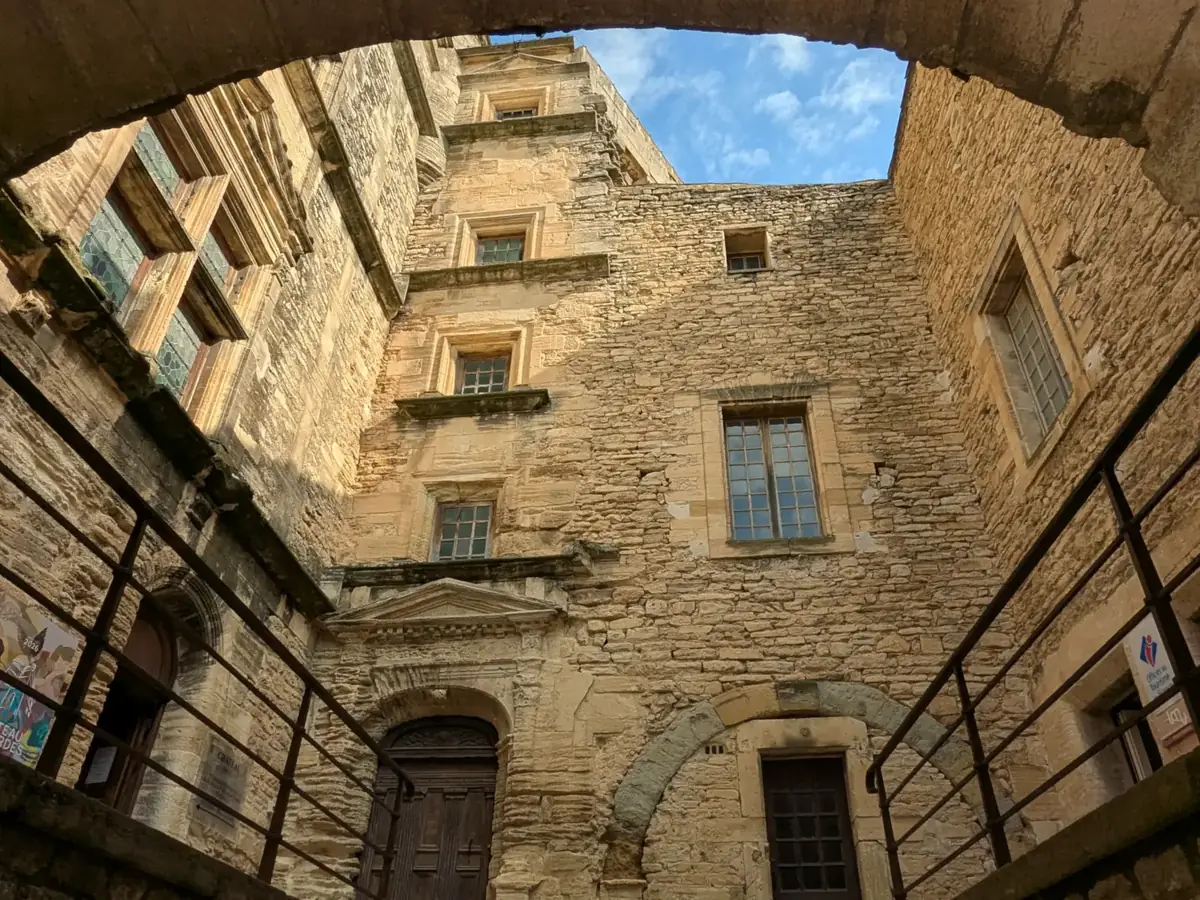
Inside, a broad spiral staircase, two 16th-century oak doors and the monumental carved fireplace in the dining room testify to the Renaissance transformation. In the late 1960s, the painter Victor Vasarely funded the restoration of the château in order to establish his museum there. In 1970 he opened the Didactic Museum, which displayed his work until 1996. The large rooms now host temporary exhibitions.
Saint-Firmin church among the houses of the village
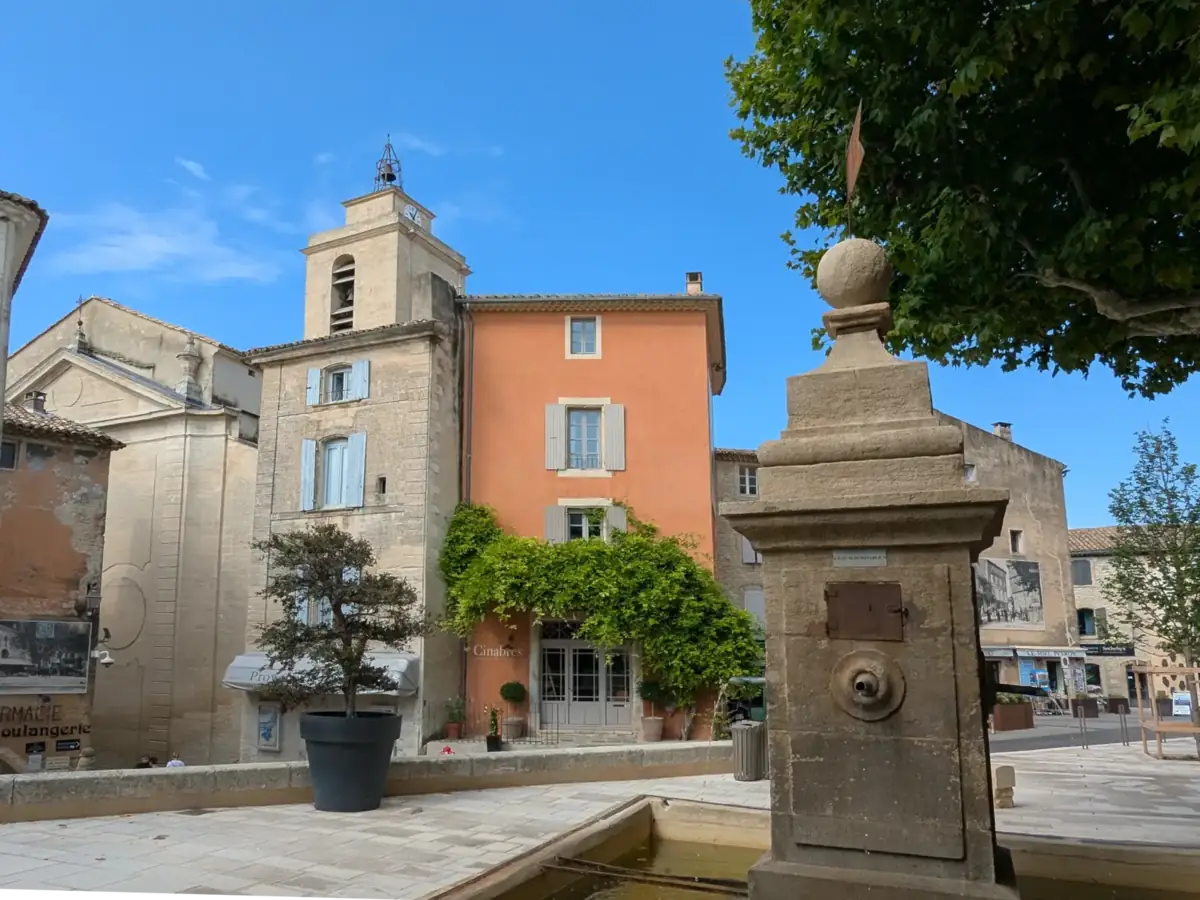
South of the château, Place Genty Pantaly forms an open terrace amid the closely packed buildings. The stone fountain stands on the square; behind it, the houses and Saint-Firmin church interlock around the narrow streets.
The present church was rebuilt in the mid-18th century. The former medieval church had become too small and was demolished along with some twenty houses. Seen from the valley, the mass of the building reinforces the citadel-like appearance of the summit. Within the village, Saint-Firmin appears in fragments: the bell tower above the roofs, a section of wall, and finally the doorway in the narrow Rue de l’Église.
The calades follow the contours of Gordes
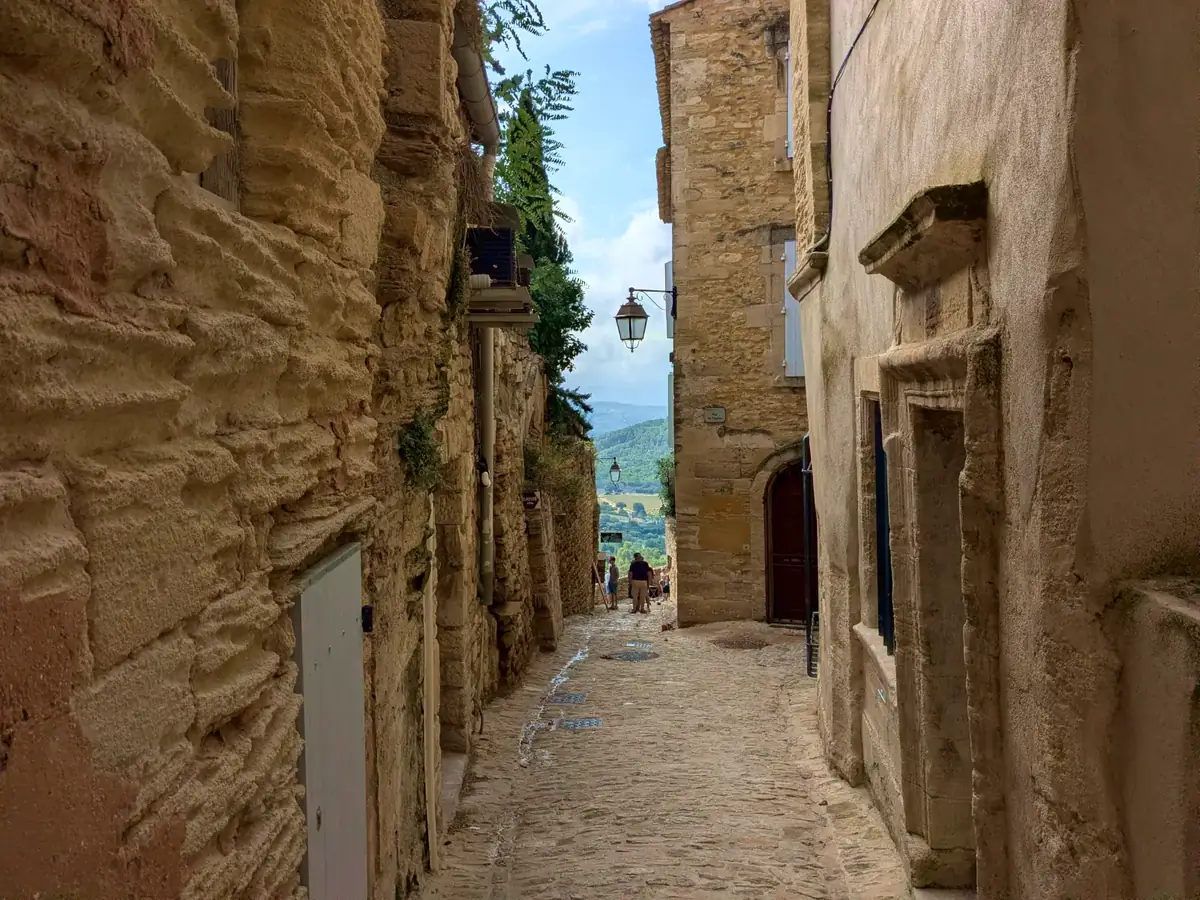
From the summit, Rue de l’Église descends between tall façades. Openings towards the landscape are rare; when a view emerges at the end of a passage, the valley appears in the distance. Stone makes up the walls, thresholds and paving, with different sizes and arrangements according to use.
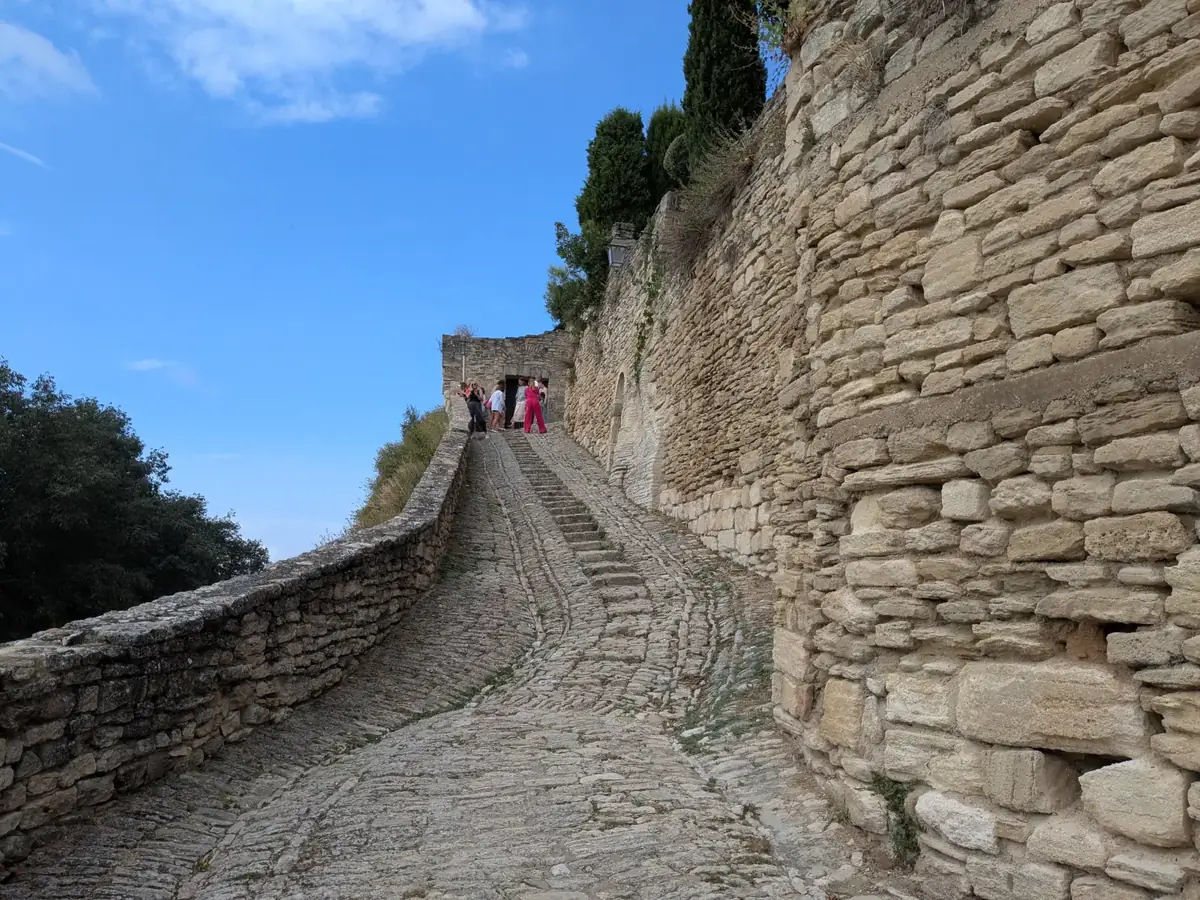
On the steepest slopes, the calades sometimes twist and turn. The limestone blocks, set upright on edge, form an uneven surface broken by low steps and landings. Some passages laid out as pas-d’âne once made it easier for laden mules to climb. Retaining walls hold back the ground, while the lanes thread between houses and gardens.
Beneath the houses: the cellars of the Palais Saint-Firmin
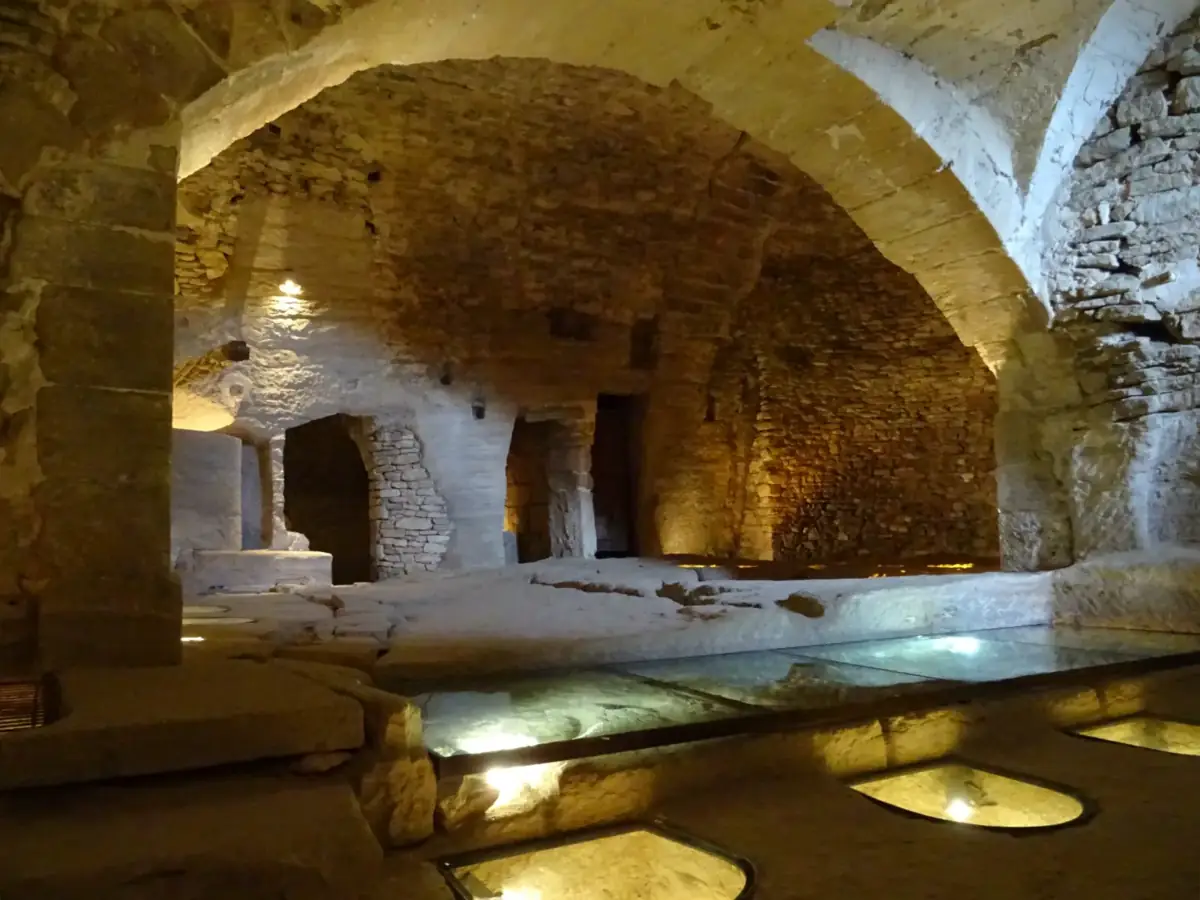
Near the church, the Palais Saint-Firmin stands over a semi-troglodytic complex, cut into the rock and completed with stone walls and vaults. Stairways, passages and rooms are arranged on several levels that follow the slope.
These spaces preserve traces of craft and production. Silos, vats, cisterns and the remains of an olive oil mill bear witness to the storage and processing of produce beneath the village.
The Palais Saint-Firmin provides access to this complex. Several other houses in the village also have cellars arranged over several levels within the rock.
The Fontaine Basse at the foot of the cliff
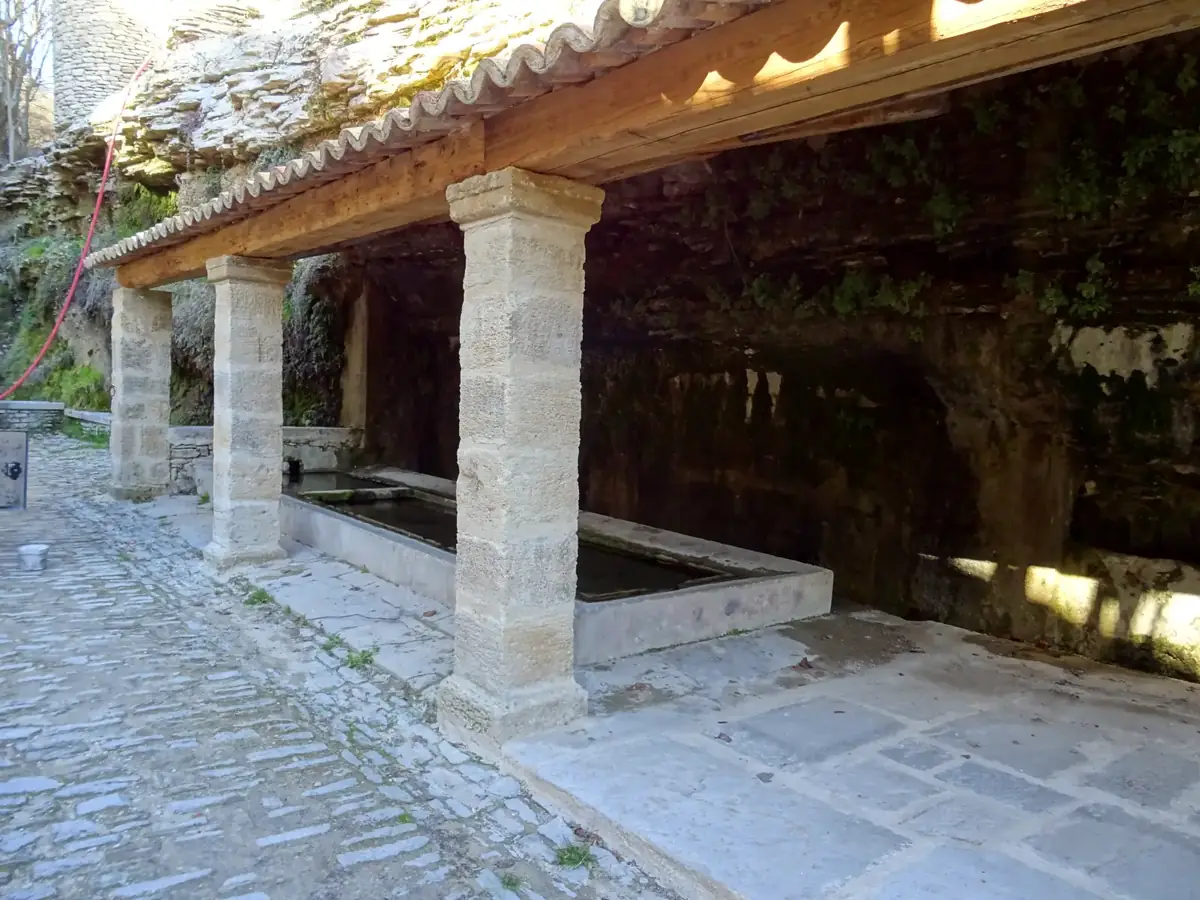
The calade of the Fontaine Basse leads to the fountain and its washhouse, built directly against the rock. First mentioned in the mid-16th century, the fountain collects water running down the cliff. Three spouts feed its basin, and the overflow then reaches the two sections of the washhouse used for washing and rinsing.
Before a reliable water supply was established in the upper village, residents had to descend to the Fontaine Basse and then climb back up the calades. The fountain erected on the village square in 1826 shortened this journey. Below, the washhouse remained associated with washing clothes and the encounters that accompanied the work.
Beyond the houses, paths lined with dry-stone walls
Beyond the last houses, dry-stone walls line the paths, support former agricultural terraces and mark out plots among olive trees and oaks. The closely packed village gradually gives way to the rural landscapes of the Monts de Vaucluse.
This countryside was also marked by the history of the Gordes maquis, formed in the spring of 1943. As an active centre of the Resistance, the village suffered reprisals and destruction in 1944. Cited in divisional orders, Gordes was awarded the Croix de Guerre with silver star on 11 November 1948.
Gordes in the landscapes of the northern Luberon
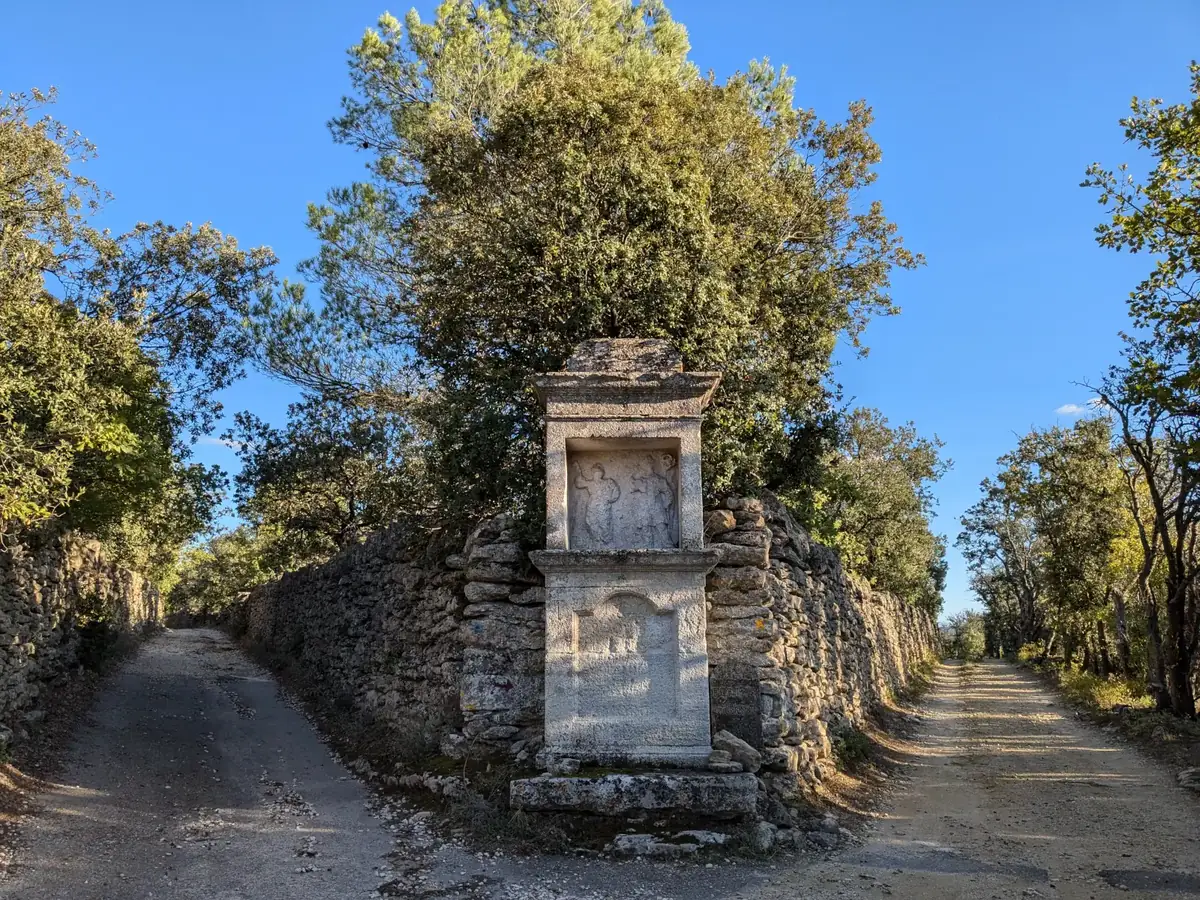
The Col de Gordes loop extends a visit to the centre into these landscapes. At the meeting of two paths stands an ancient stele, probably of Roman origin. The carved figures, interpreted as Cybele and Ceres, associate this crossing point with nature and the harvest. On the return route, the Chemin de Bel-Air opens onto a broad view of Gordes and the valley.
From the paths around Gordes, the view crosses the Calavon valley towards the Luberon range. The village belongs to a landscape of limestone hills and wooded valleys, among the olive groves and vineyards of the northern Luberon.
In the countryside around Gordes, the Village des Bories continues the story of dry-stone building, while Sénanque Abbey occupies a valley north of the village. Further east, Roussillon owes the colours of its façades and surrounding landscapes to its ochre soils.
On the far side of the Calavon plain, Vieil-Oppède offers another hilltop-village walk, following cobbled lanes up to the collegiate church and castle ruins.
Visitor information
Visiting Gordes
- Walking through the village
- Gordes is best explored on foot, through sloping lanes, cobbled paths and passages linking the village terraces. Suitable shoes make walking on the uneven paving easier.
- Parking
- Municipal car parks are located around the centre. Parking is paid, by meter or mobile app, every day from 8 am to 7 pm.
Parking arrangements may change. Check the Gordes town hall parking information before your visit.
Extend your stay
Guest houses around Gordes to extend your getaway
A stay around Gordes provides easy access to the village, Sénanque, the Bories and the roads of the northern Luberon. The portal brings together independent guest houses and links directly to the owners’ websites, helping you compare locations and plan your stay.
These properties listed on the Portal are within 25 km as the crow flies of the location featured in this getaway. Visit their websites to plan your stay.
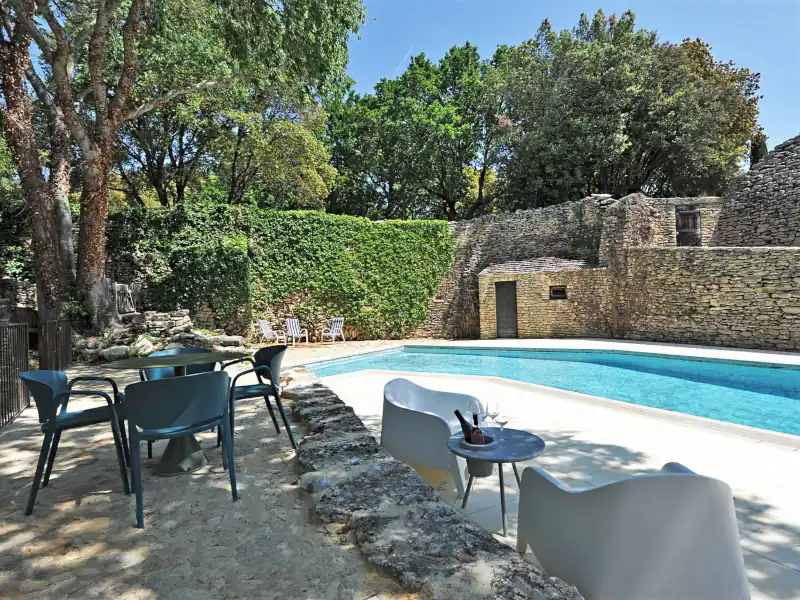

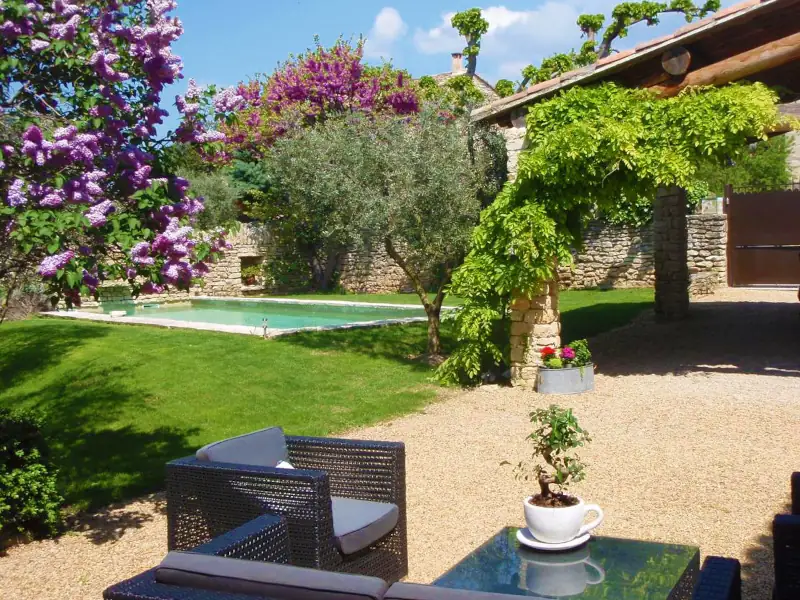

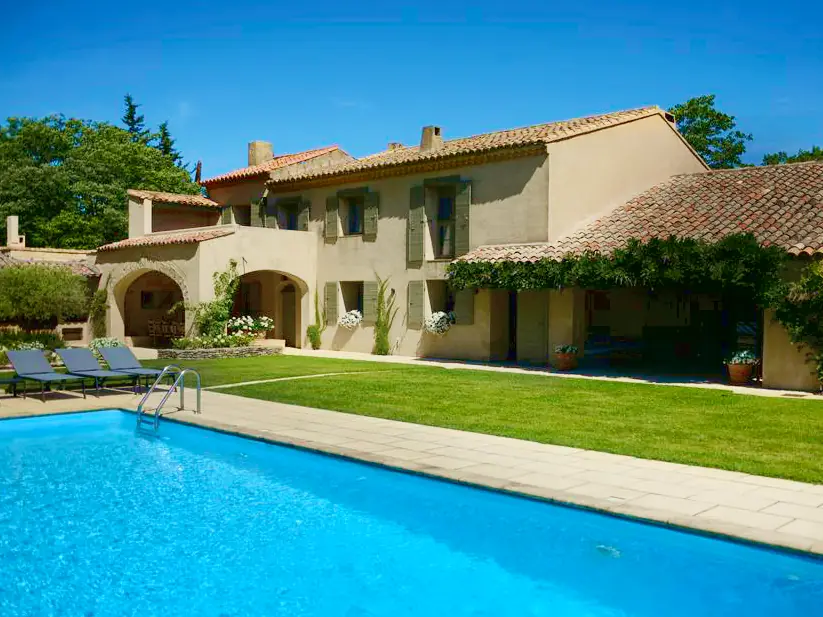
Four de Cony
Charming bed and breakfast
Saumane de Vaucluse
Visit website
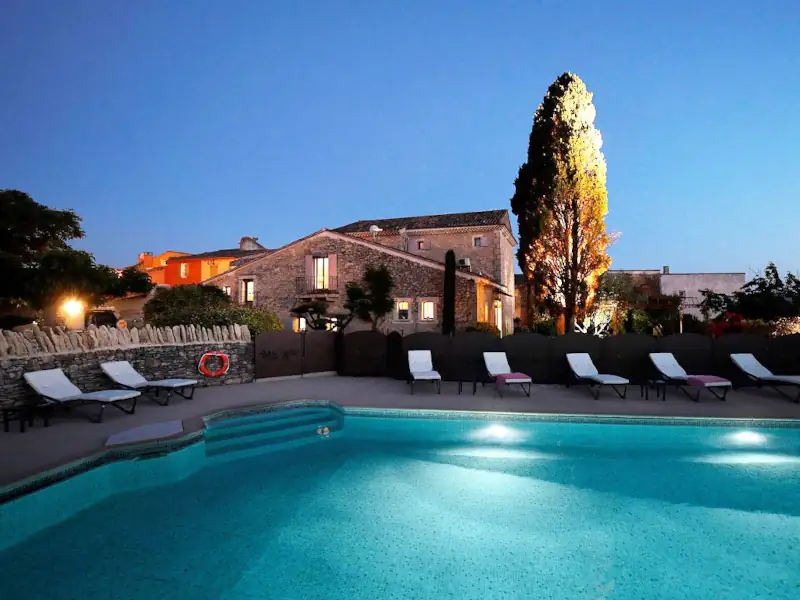
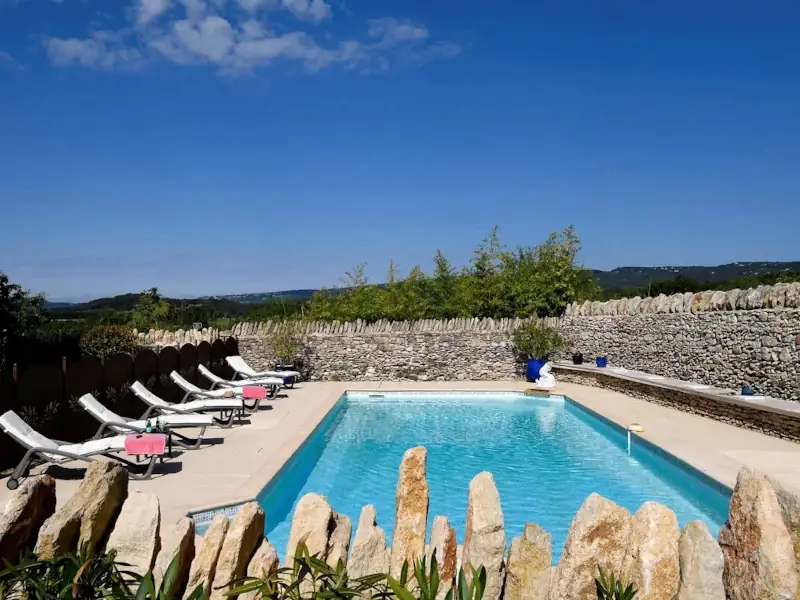
Gîte des Demoiselles
Charming Gite
Roussillon
Visit website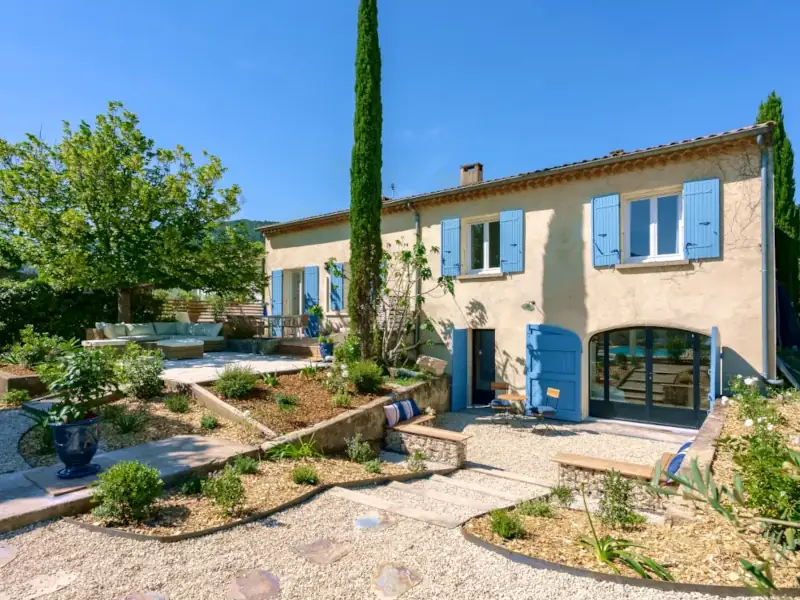

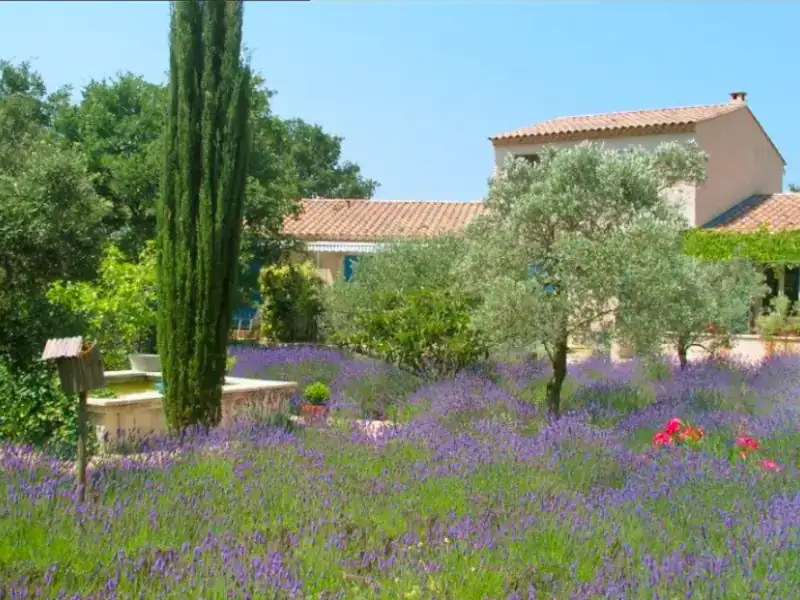


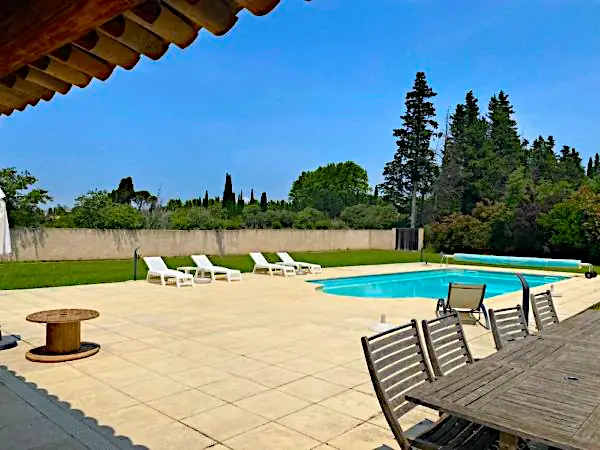
Le Pavillon du Lantana
Holiday home
Les Taillades
Visit website

La Bergerie du Luberon
Charming holiday home
Les Taillades
Visit website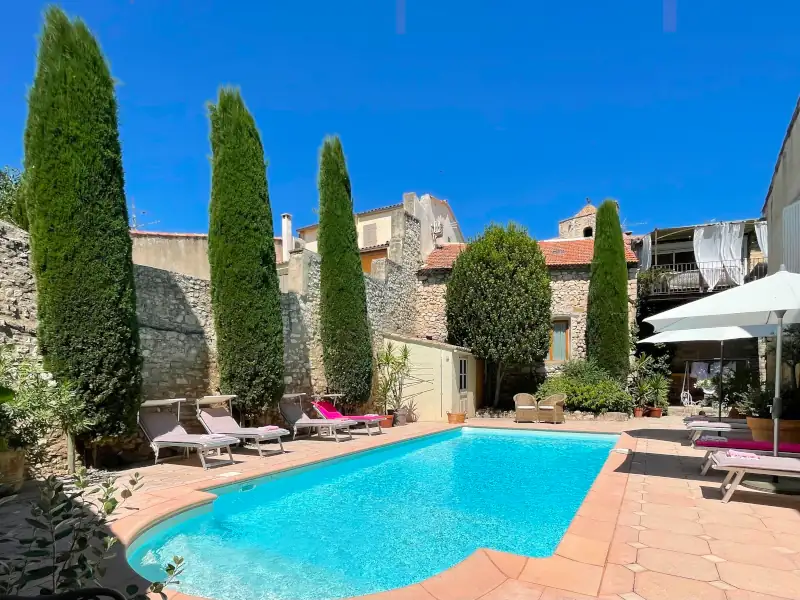
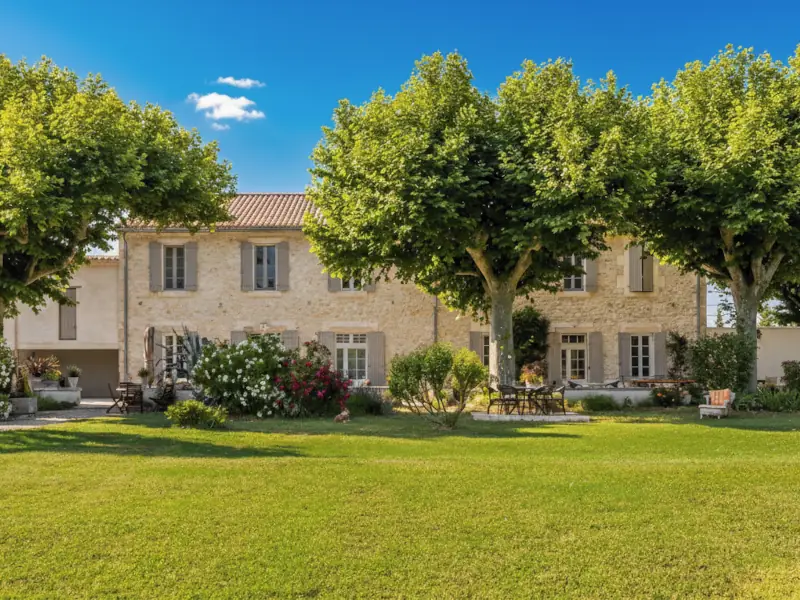
La Bastide des Amouriers
Charming bed and breakfast and Gite
Caumont-sur-Durance
Visit website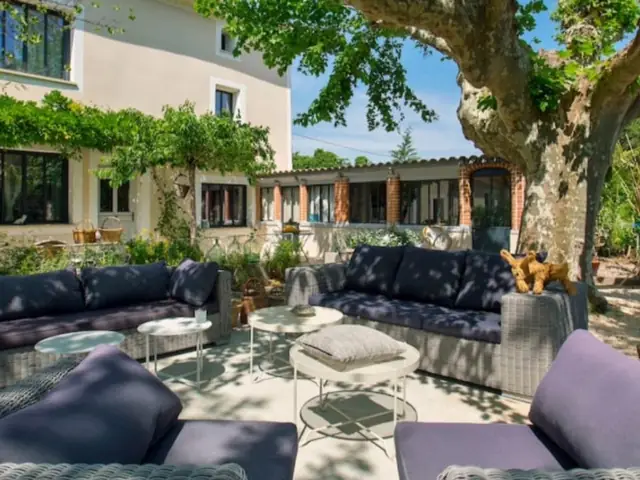

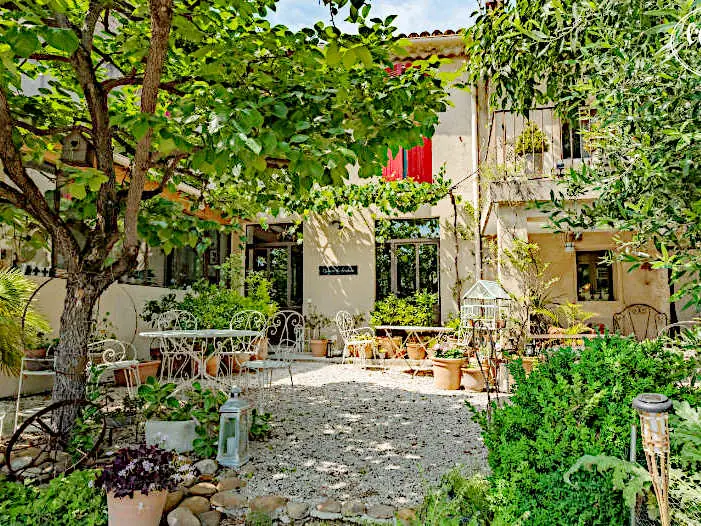
L'Oréliane
Charming Bed and breakfast
Châteauneuf de Gadagne
Visit website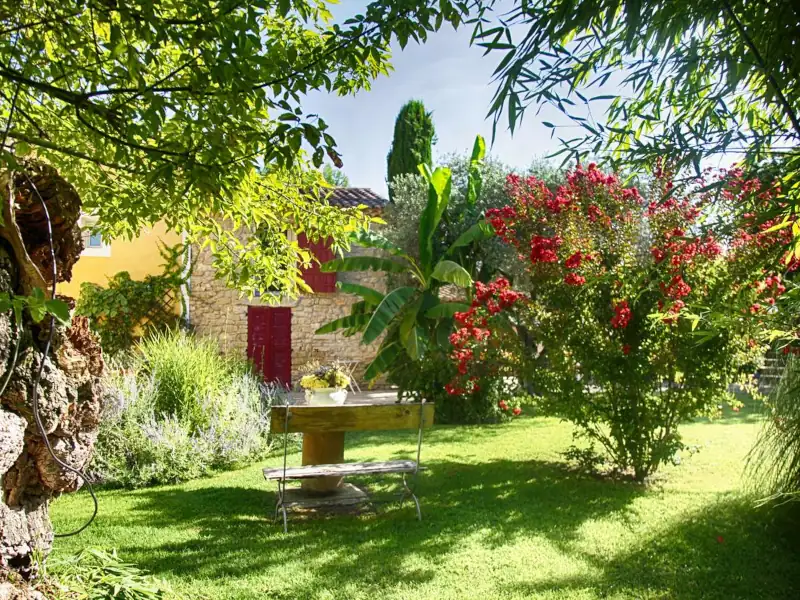
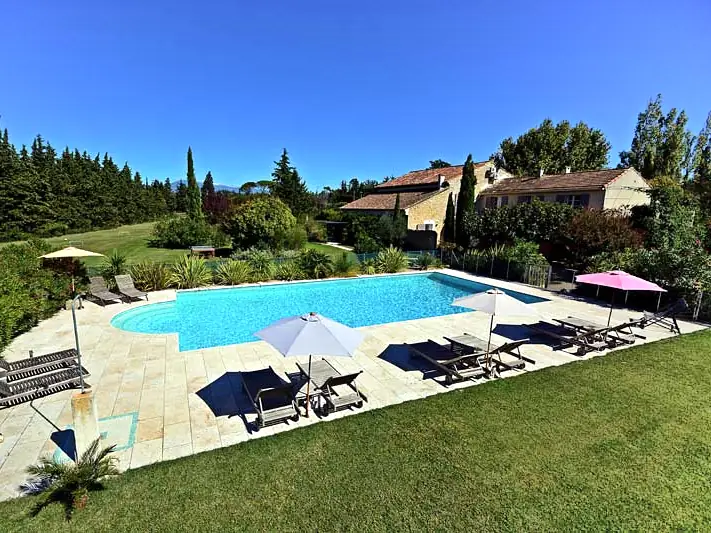
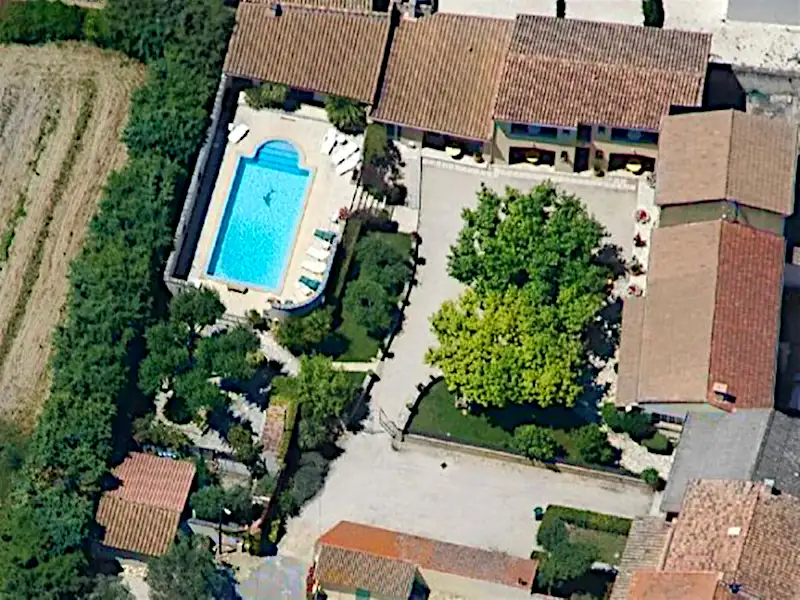
Le Mas de l'Amandier
Charming Bed and breakfast and holiday rental
St Saturnin lès Avignon
Visit website