A getaway in the Monts de Vaucluse
Venasque, a hilltop village in cherry country
Text and photographs by Vincent Flachaire
On its rocky spur facing Mont Ventoux, Venasque is best explored on foot, from the towers to the fountain, then on to the church and the early Christian baptistery.
The towers at the village entrance
Venasque’s three towers guard the accessible side of the spur. On the other slopes, cliffs already provided natural protection. The enclosure follows the line of an ancient fortification, but the so-called Saracen towers and the ramparts visible today are largely medieval.

Before they were listed as historic monuments in 1892, the towers had begun to be dismantled to provide building materials for neighbouring properties, including the school opposite. Openings had also been cut through the rampart to make the village easier to reach. Around 1925, the historic monuments service turned these openings into the monumental gateways still used today.
The fountain at the heart of the village
For many years, villagers collected their water in Place de la Fontaine: running water did not reach every house until 1960. The metal bars fixed across the basin supported their water jugs. Overflow supplied the washhouse below, then the nearby vegetable gardens.

When the fountain was rebuilt in 1838, its decoration caused a debate. Villagers wanted to keep a pyramid topped with a weather vane, while the authorities proposed a statue of Jean Althen, associated with the development of madder cultivation in the Comtat. A Medici vase was eventually chosen; it still crowns the fountain.

The early Christian baptistery
Behind Notre-Dame church, the baptistery has four apses arranged around a central space. Arcades rest on columns topped with carved capitals, some reused from ancient buildings. The building’s origins date to the late sixth century; later alterations changed its architecture.

This religious complex dates from the time when the bishops of Carpentras were based in Venasque, on a site that was easier to defend. The village also gave its name to the Comtat Venaissin, which later became a papal territory.
In 1834, Prosper Mérimée visited the baptistery as inspector of historic monuments. His intervention helped secure its restoration and inclusion on the first list of protected monuments in 1840.
Notre-Dame and the painting returned from the Louvre
Notre-Dame church houses a Crucifixion from the Avignon school, dated 1498. Sent to the Louvre’s workshops for restoration in 1932, the painting was subsequently displayed there. Its return to the village then seemed uncertain.

A petition signed by 700 artists and art lovers, addressed to Édouard Daladier, secured its return. The painting thus found its way back to the church in Venasque.
Facing Mont Ventoux
From the village viewpoints, Mont Ventoux rises beyond the wooded hills and cultivated land of the Comtat. The orientation table helps identify the Dentelles de Montmirail, Mazan and nearby villages. Views change from one side of the spur to the other, taking in the plain or more enclosed valleys.

Cherry-growing country
Around Venasque, cherry orchards share the farmland with vines and olive trees. The trees blossom in spring, followed by harvests from May to July, depending on the varieties and the weather. Created by a group of growers, the “Cerise des Monts de Venasque” brand promotes premium dessert cherries. Careful orchard management, pruning and the selection of ripe fruit contribute to their quality.

In June, the Festival de la Cerise et du Terroir brings growers and visitors together in the village. The day combines tastings, cherry sales and activities celebrating local produce.
Exploring the Monts de Vaucluse and Mont Ventoux
Roads through the Monts de Vaucluse lead to Murs, Gordes and Sénanque Abbey. Winding through woods and limestone valleys, they cross the hills separating the Comtat from the Luberon. In another direction, the Gorges de la Nesque offer a further outing devoted to the landscape.
The summit of Mont Ventoux, visible from Venasque, offers another perspective on the Comtat and the landscapes of Provence.
Practical information
Visiting Venasque
- Route and suggested duration
- Allow one and a half to two hours to explore the village, towers, fountain, church and baptistery, including photo stops. Walks in the surrounding countryside require extra time.
- Getting there and parking
- Venasque can be reached from Carpentras and Saint-Didier, or from Gordes through the Monts de Vaucluse. The car park on Place des Tours lets you begin at the village entrance. Follow the parking signs on arrival.
- Church and baptistery
- The baptistery is on Place du Presbytère, behind the church. Admission is free. From the first apse, you can see the other three. Check the opening arrangements for the baptistery and Notre-Dame church before your visit.
- Cherry Festival
- Check the dates and programme of the Festival de la Cerise et du Terroir for the year of your visit.
- What to bring
- Comfortable shoes for the sloping streets and steps, water and sun protection in summer.
To plan your visit: Ventoux Provence tourist office.
Extend your stay
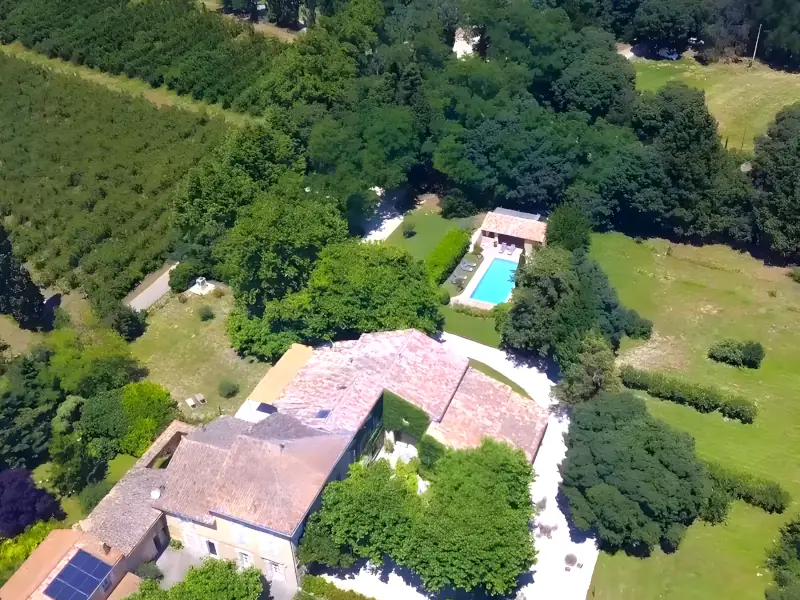
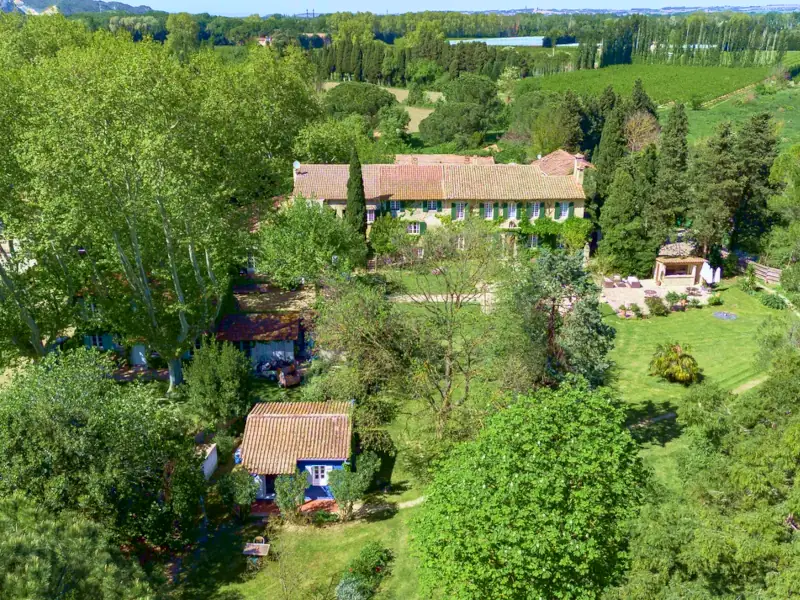
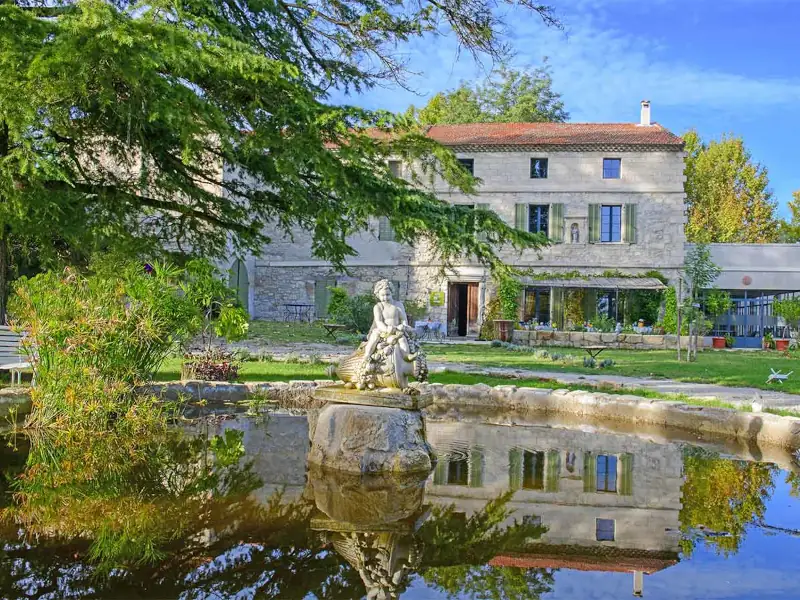
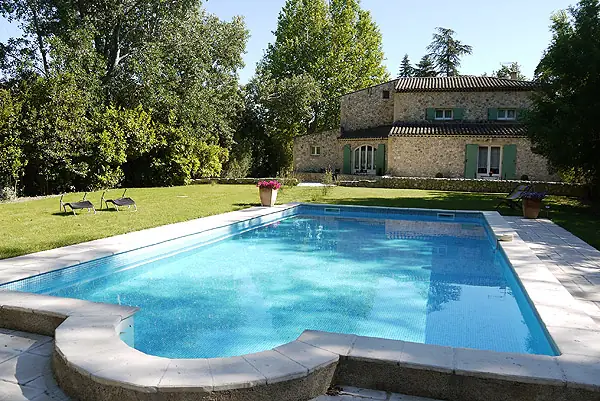
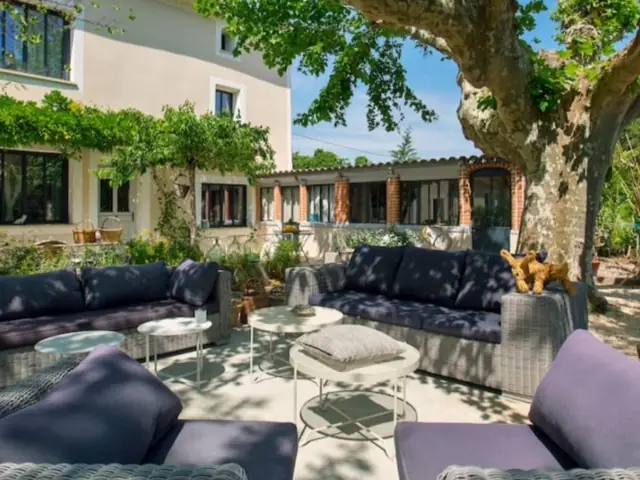
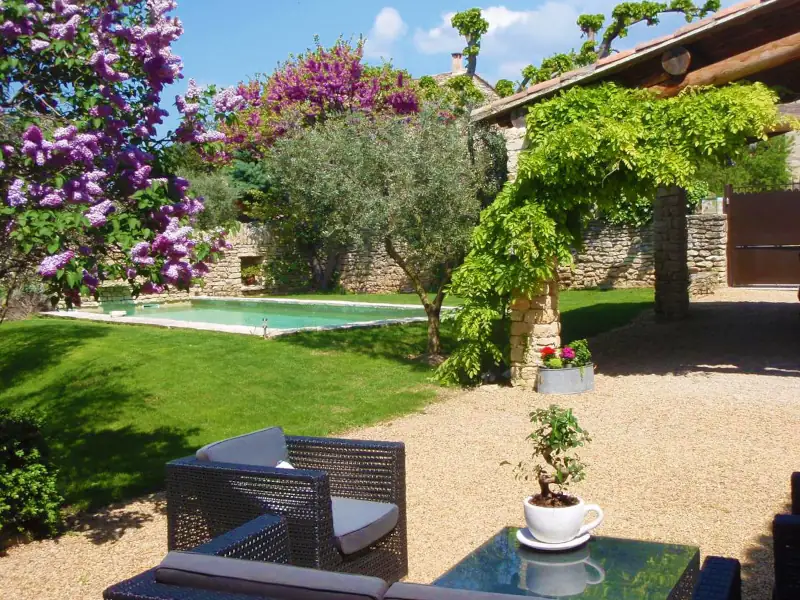
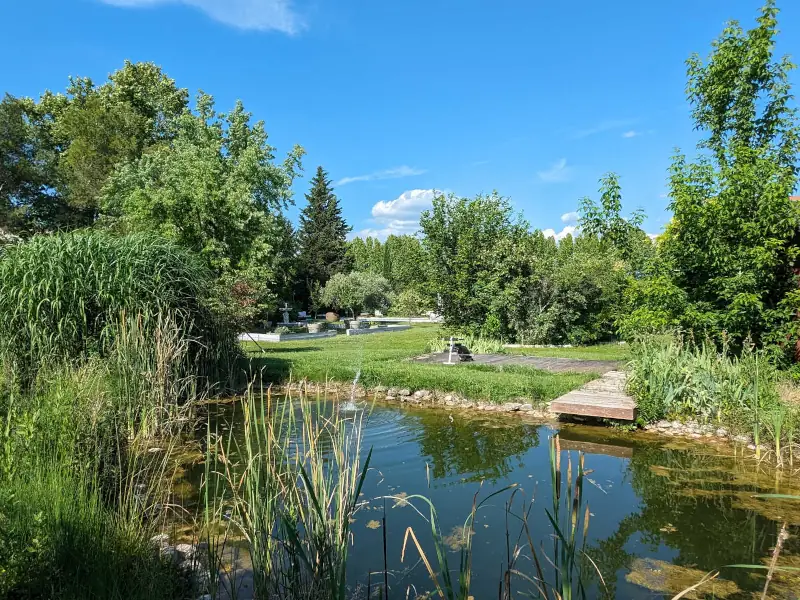
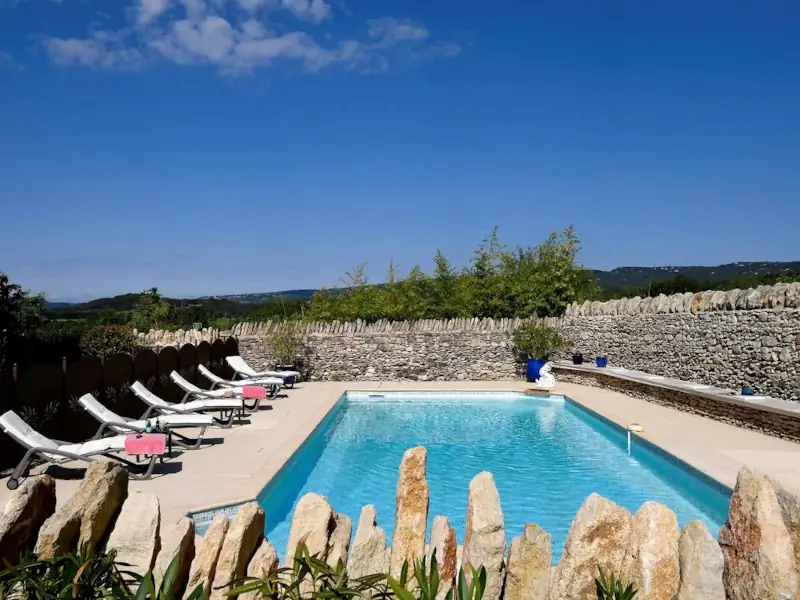
Guest houses to extend the getaway
These properties listed on the Portal are within 25 km as the crow flies of the location featured in this getaway. Visit their websites to plan your stay.

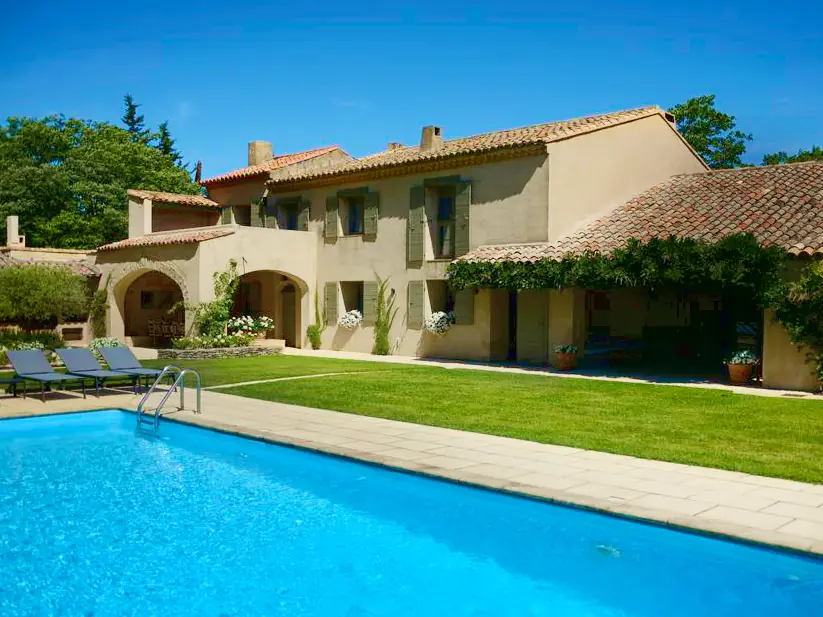
Four de Cony
Charming bed and breakfast
Saumane de Vaucluse
Visit website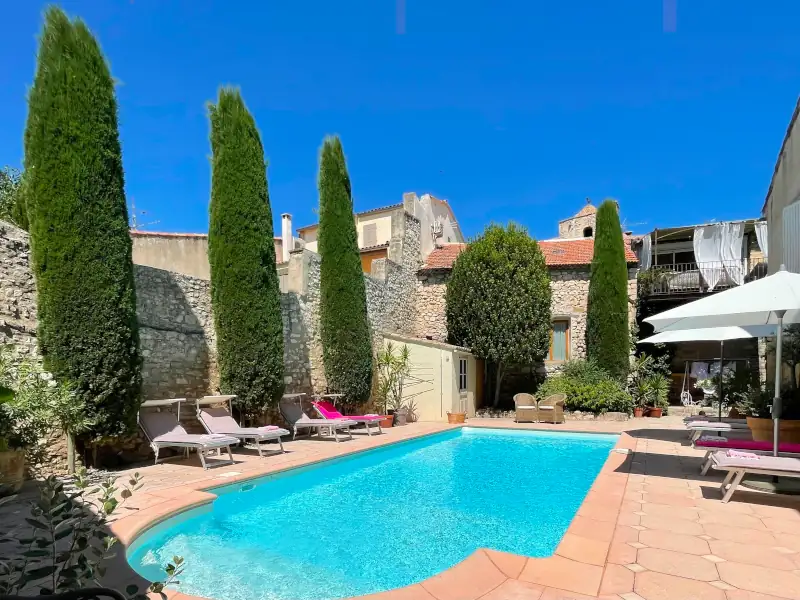


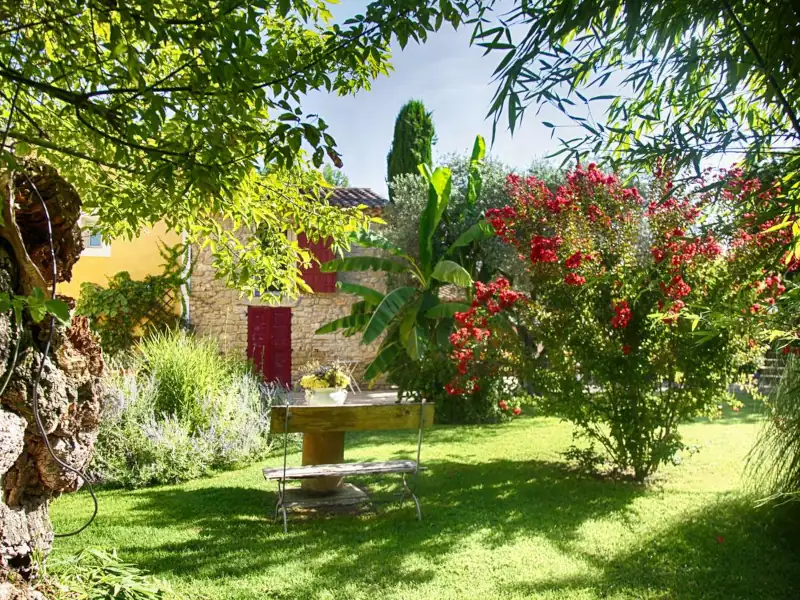
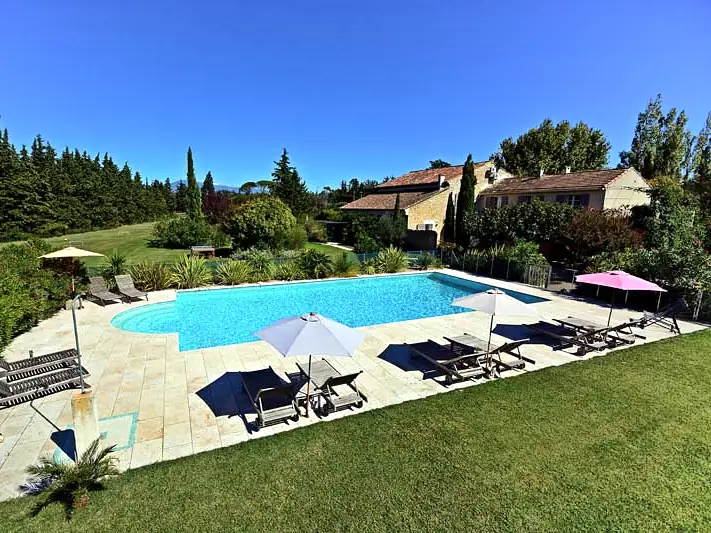


Gîte des Demoiselles
Charming Gite
Roussillon
Visit website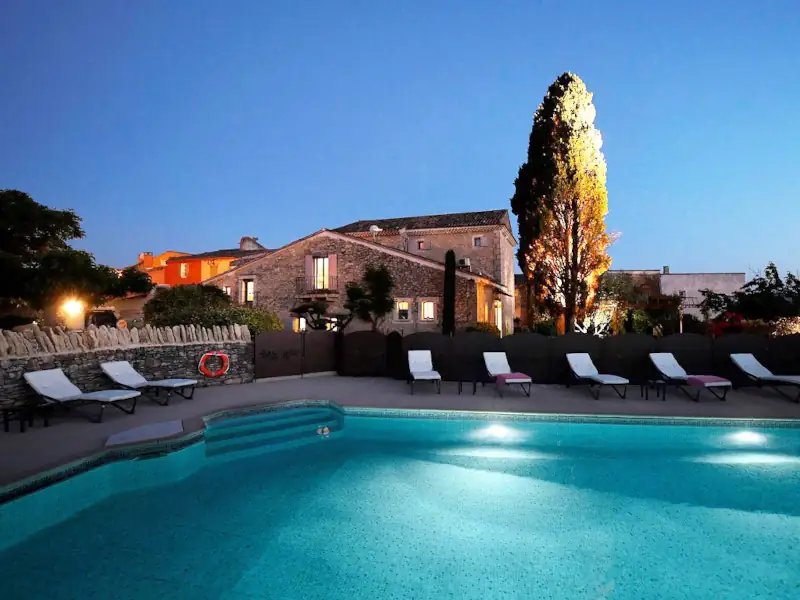

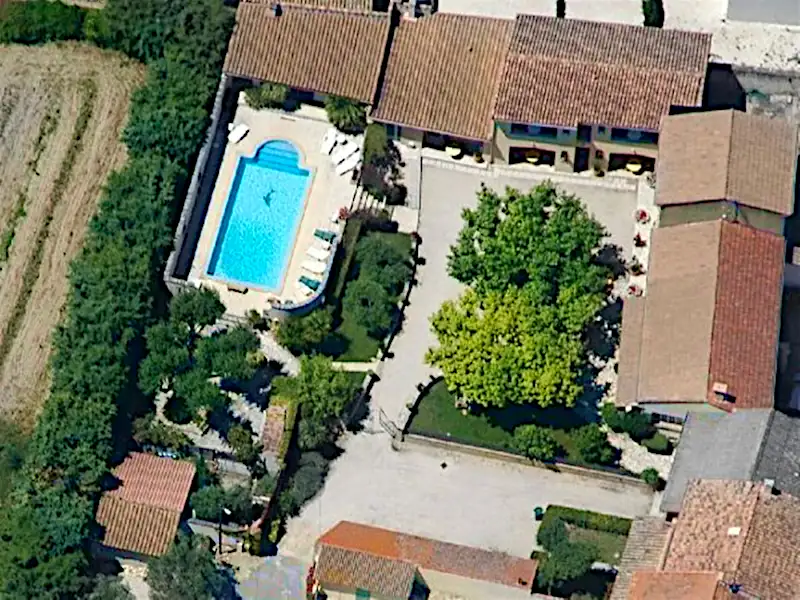
Le Mas de l'Amandier
Charming Bed and breakfast and holiday rental
St Saturnin lès Avignon
Visit website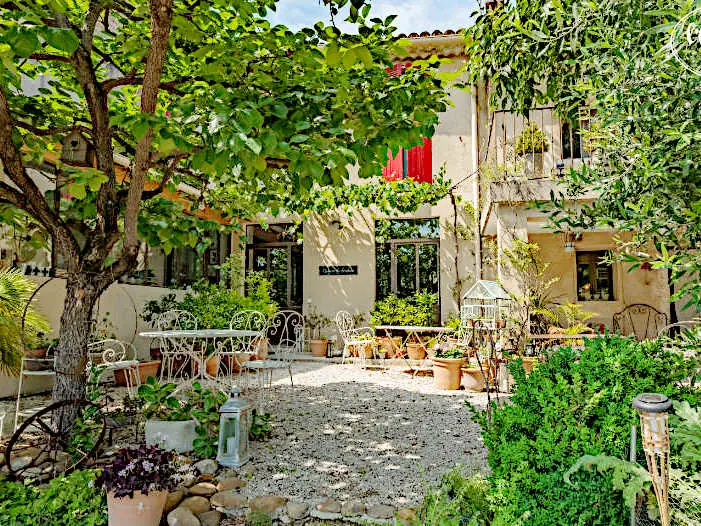
L'Oréliane
Charming Bed and breakfast
Châteauneuf de Gadagne
Visit website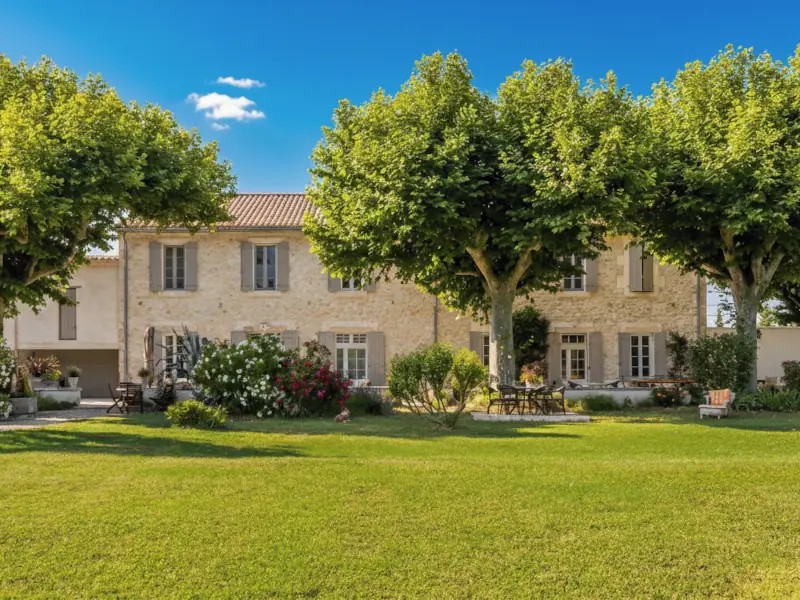
La Bastide des Amouriers
Charming bed and breakfast and Gite
Caumont-sur-Durance
Visit website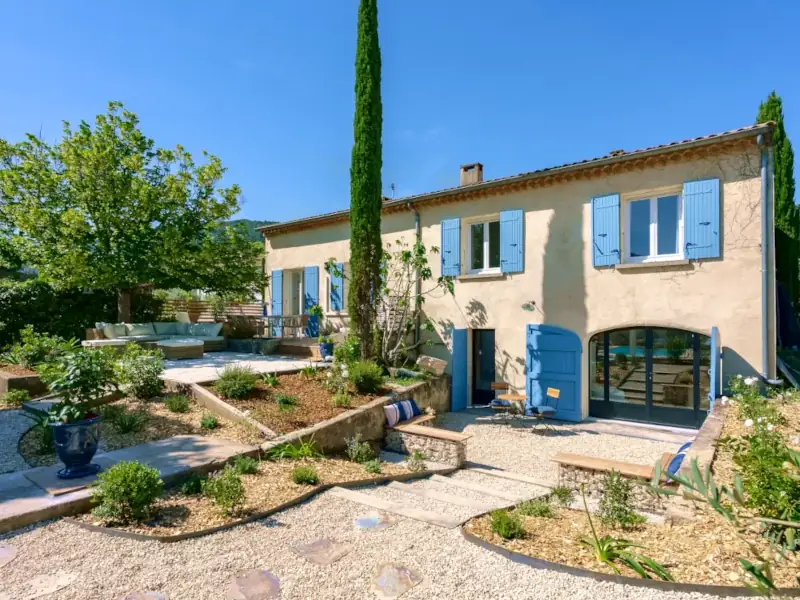
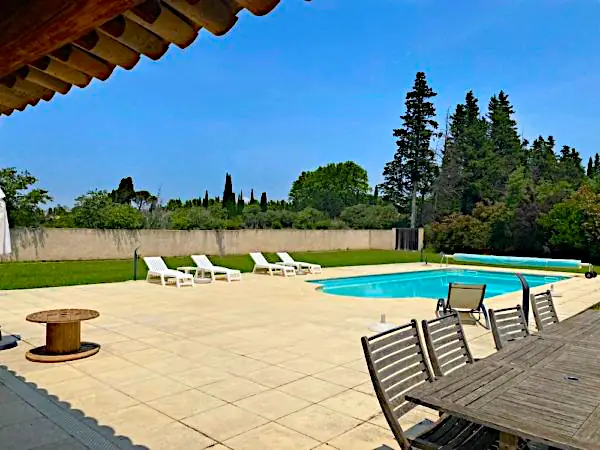
Le Pavillon du Lantana
Holiday home
Les Taillades
Visit website
La Bergerie du Luberon
Charming holiday home
Les Taillades
Visit website


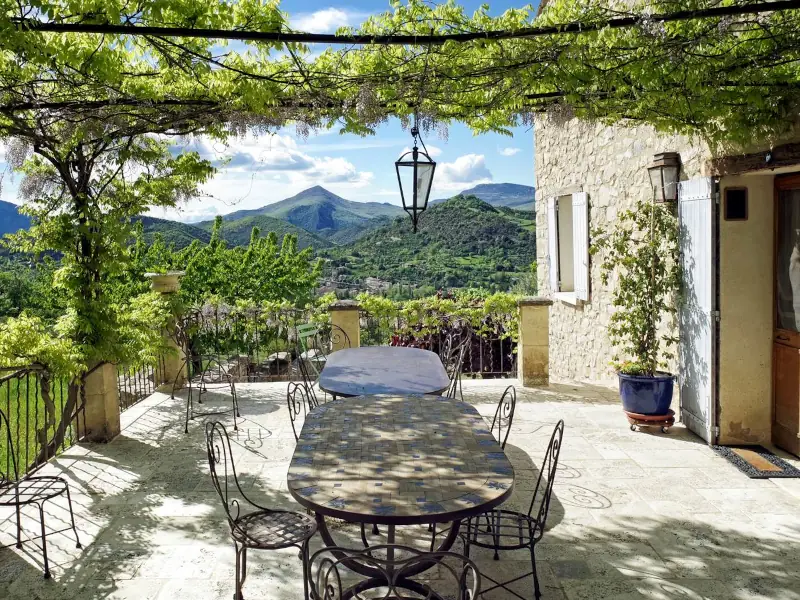
Le Deffends de Redon
Charming bed and breakfast
Montbrun-les-bains
Visit website