A getaway in the Alpilles
Saint-Rémy-de-Provence, a walk through the old town
Text and photographs by Vincent Flachaire
In Saint-Rémy-de-Provence’s old town, shady squares alternate with narrow lanes. Let’s start at Saint-Martin’s collegiate church and explore the heart of this small town at the centre of life in the Alpilles.
Saint-Martin, at the entrance to the old town
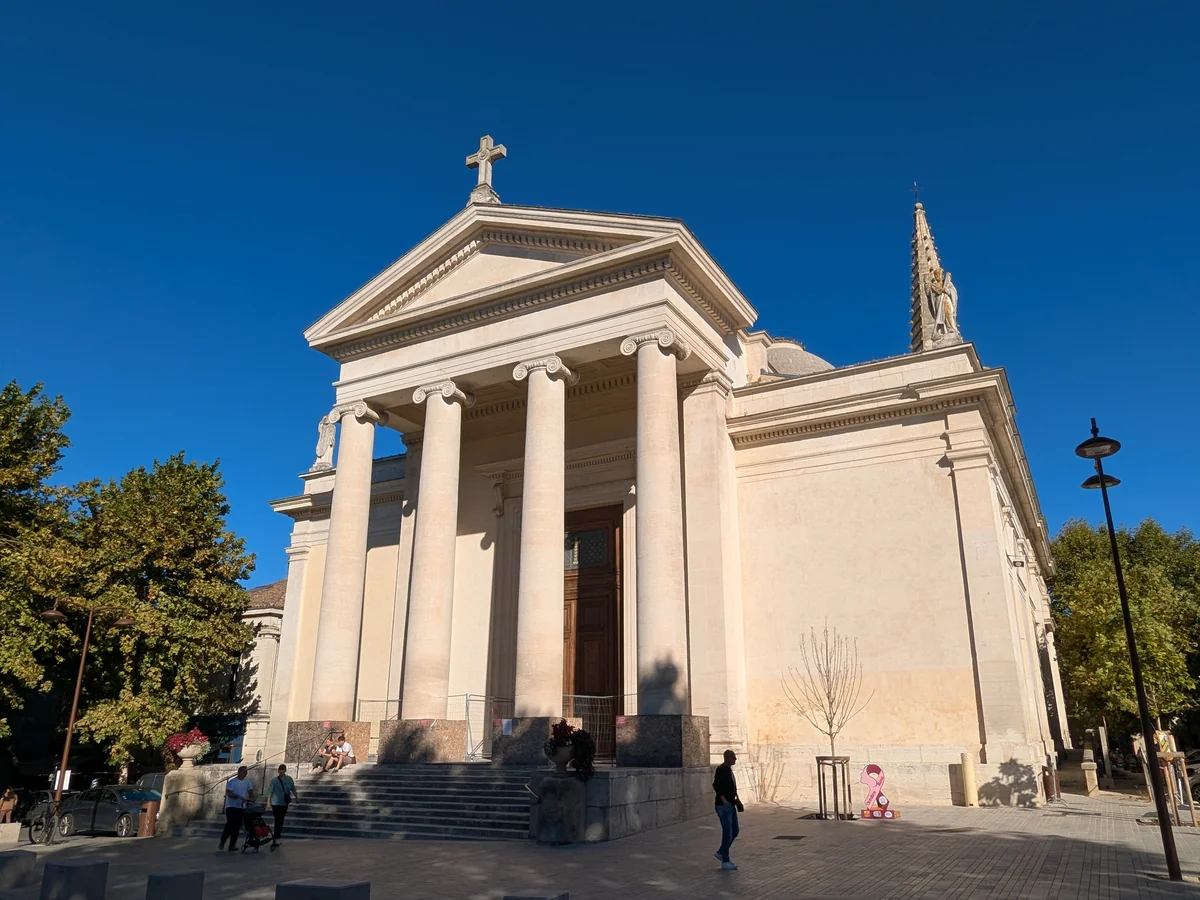
Saint-Martin’s collegiate church owes its present appearance to the collapse of the old church on the night of 29–30 August 1818. The bell tower and the Jean de Renaud chapel survived the disaster. The people of Saint-Rémy funded the rebuilding through a special tax. Architect Michel-Robert Penchaud designed the new building in the neoclassical style. At the foot of the bell tower, the funerary chapel built in 1541 retains its Gothic vaults: two periods stand side by side within the same church.
Place Jules-Pellissier, in front of the town hall
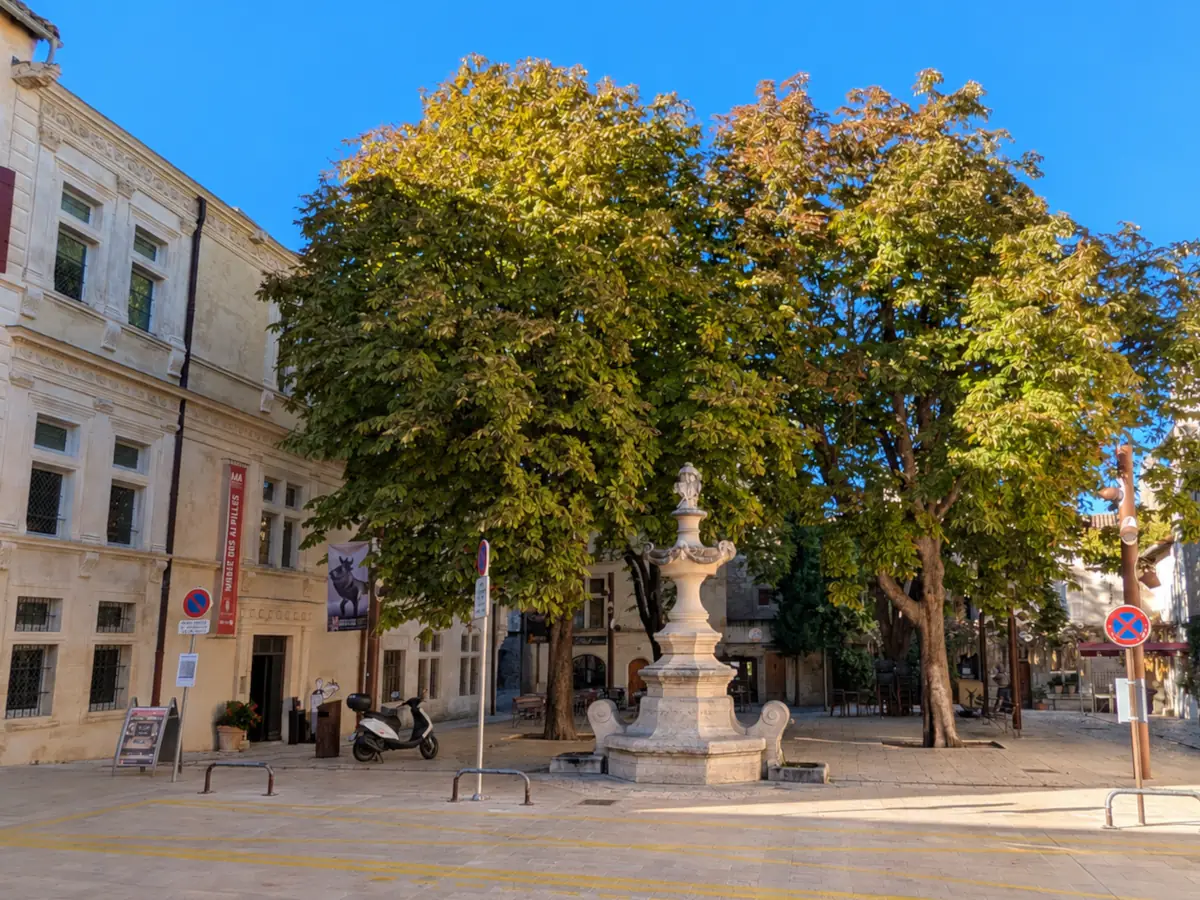
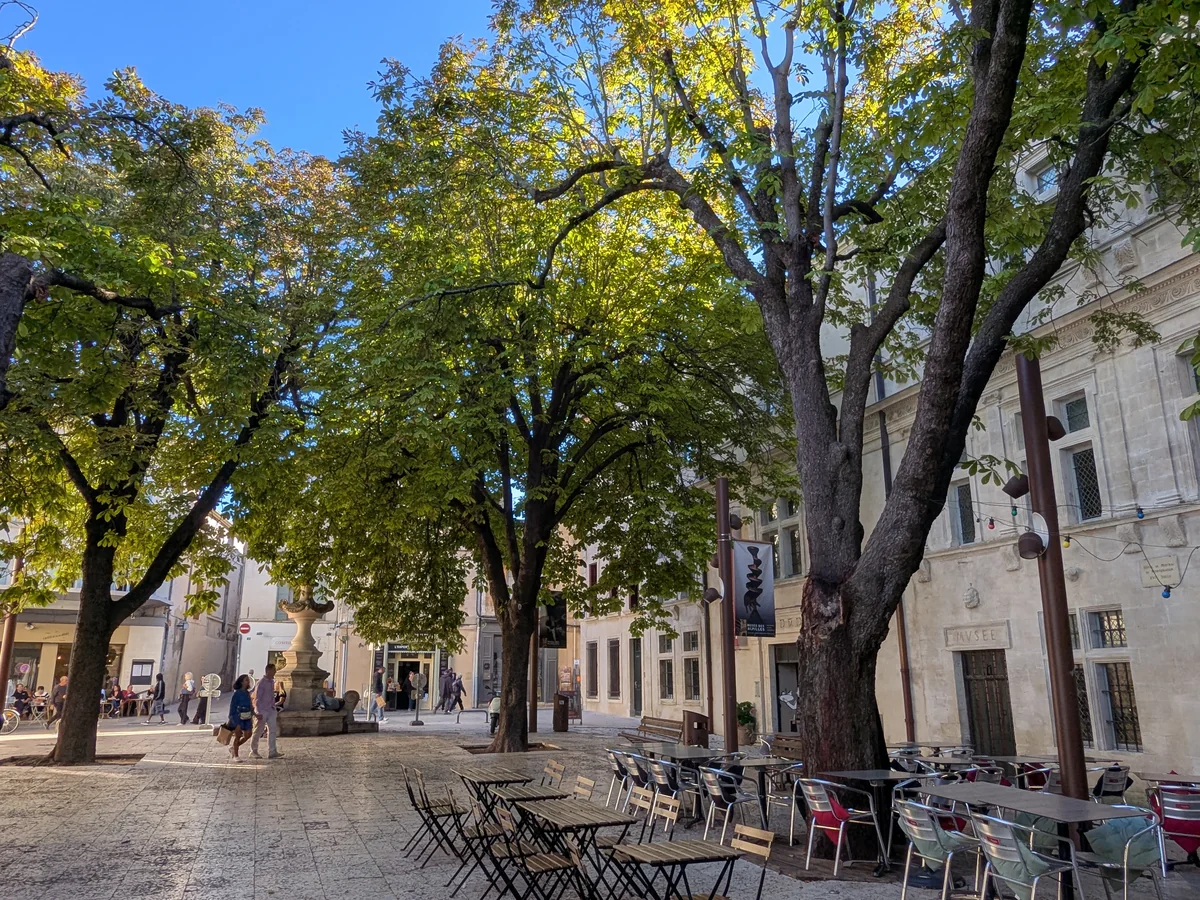
Rue Lafayette leads to Place Jules-Pellissier. In front of the town hall, trees and a fountain surround café terraces where you can stop for a coffee. On Wednesdays, the market stalls bring the square and neighbouring streets to life.
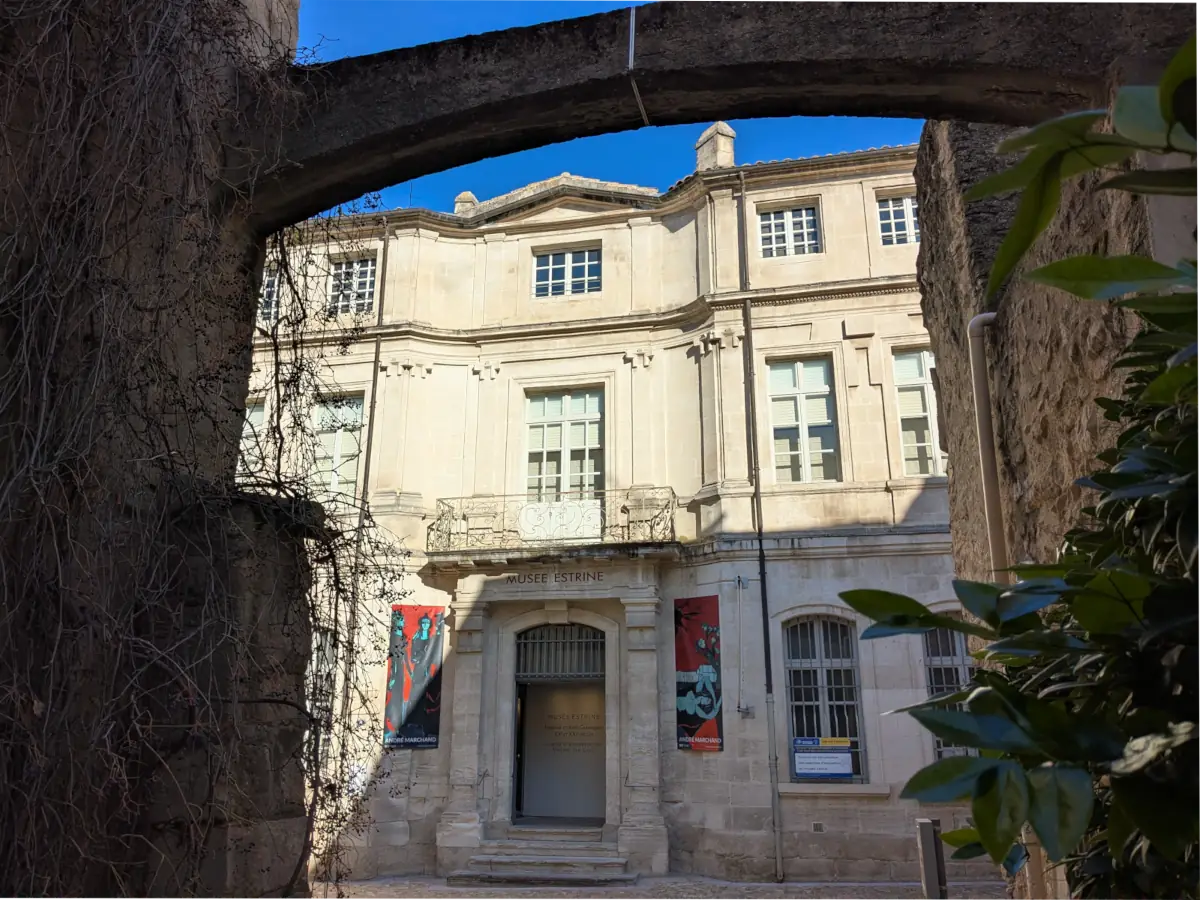
The Musée Estrine
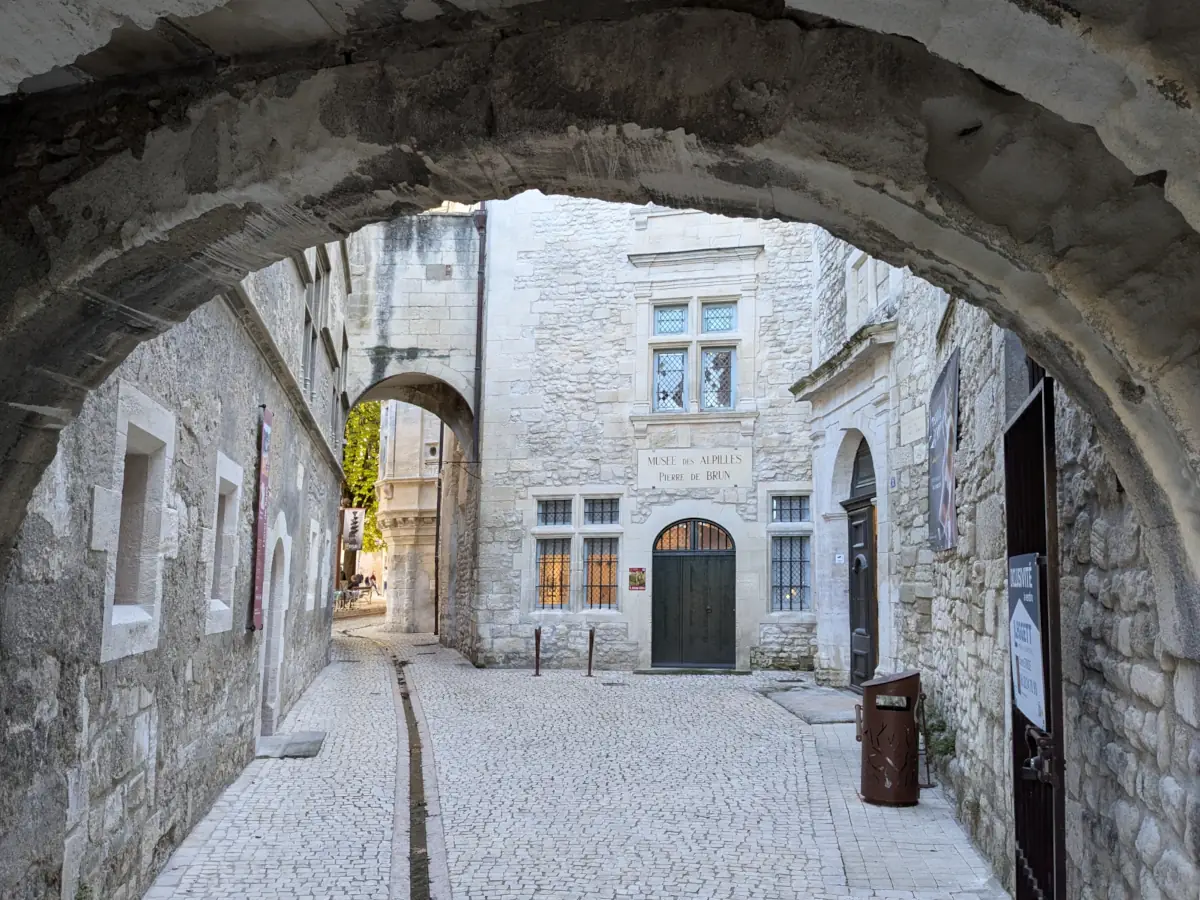
A passage leads to Rue Lucien-Estrine, where closely spaced façades and stone doorways are typical of the old town. A historic mansion here houses the Musée Estrine.
The museum focuses on painting and graphic arts of the 20th and 21st centuries. It features artists who lived and worked in Provence, including André Marchand and Albert Gleizes, a leading figure of Cubism who settled in Saint-Rémy. An interpretation centre devoted to Vincent van Gogh, who lived in Saint-Rémy, completes the visit. This multimedia space explores his life, letters and influence on modern art.
Nostradamus, a native of Saint-Rémy
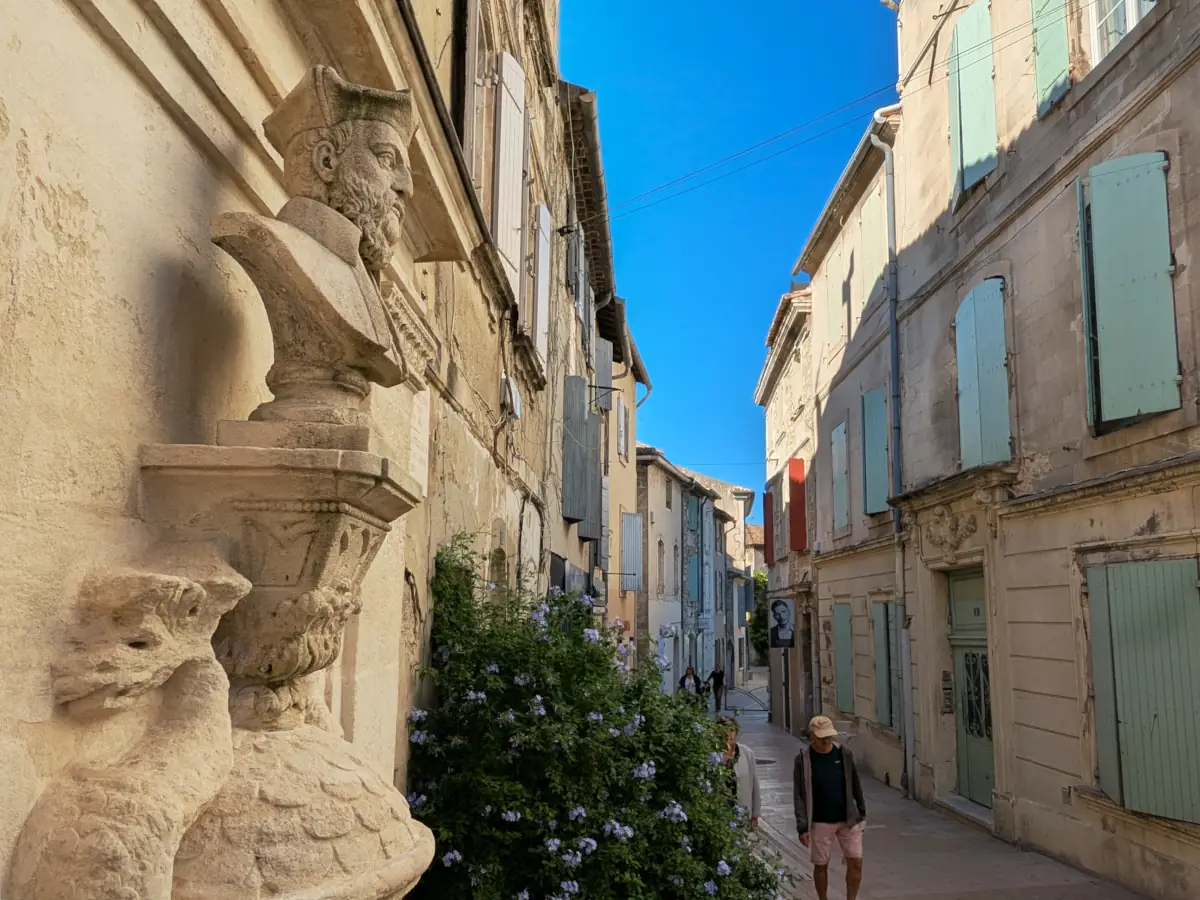
Michel de Nostredame, better known as Nostradamus, was born in Saint-Rémy-de-Provence in 1503. He spent his childhood in the town before continuing his studies in Avignon and then Montpellier. An apothecary and astrologer, he became famous for his prophecies, published as quatrains. A plaque on Rue Hoche marks the house where he was born.
At the junction of Rue Carnot and Rue Nostradamus, the fountain honours this local figure. Antoine Liotard created his bust in 1859.
The story continues in Salon-de-Provence, where his house is now a museum devoted to his life and work.
From Rue Carnot to Place Favier
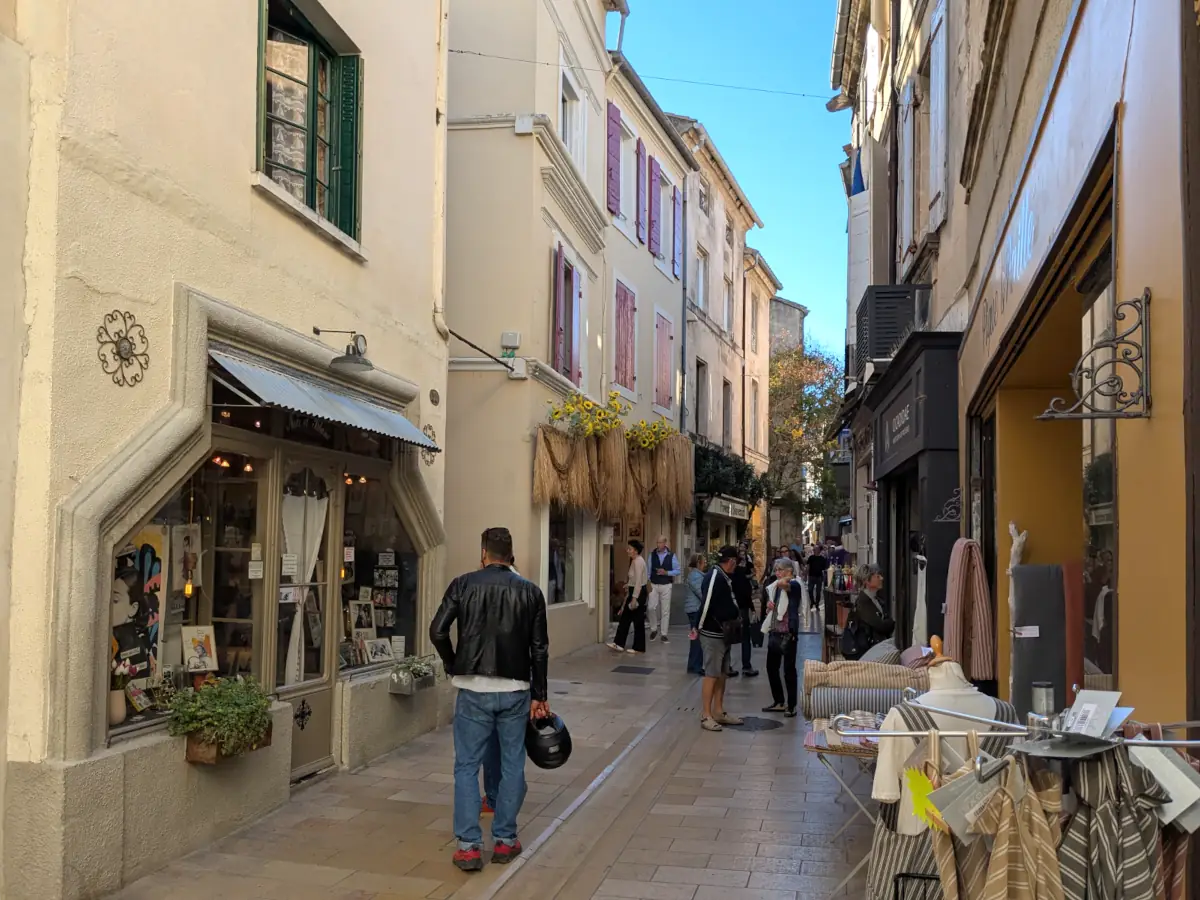
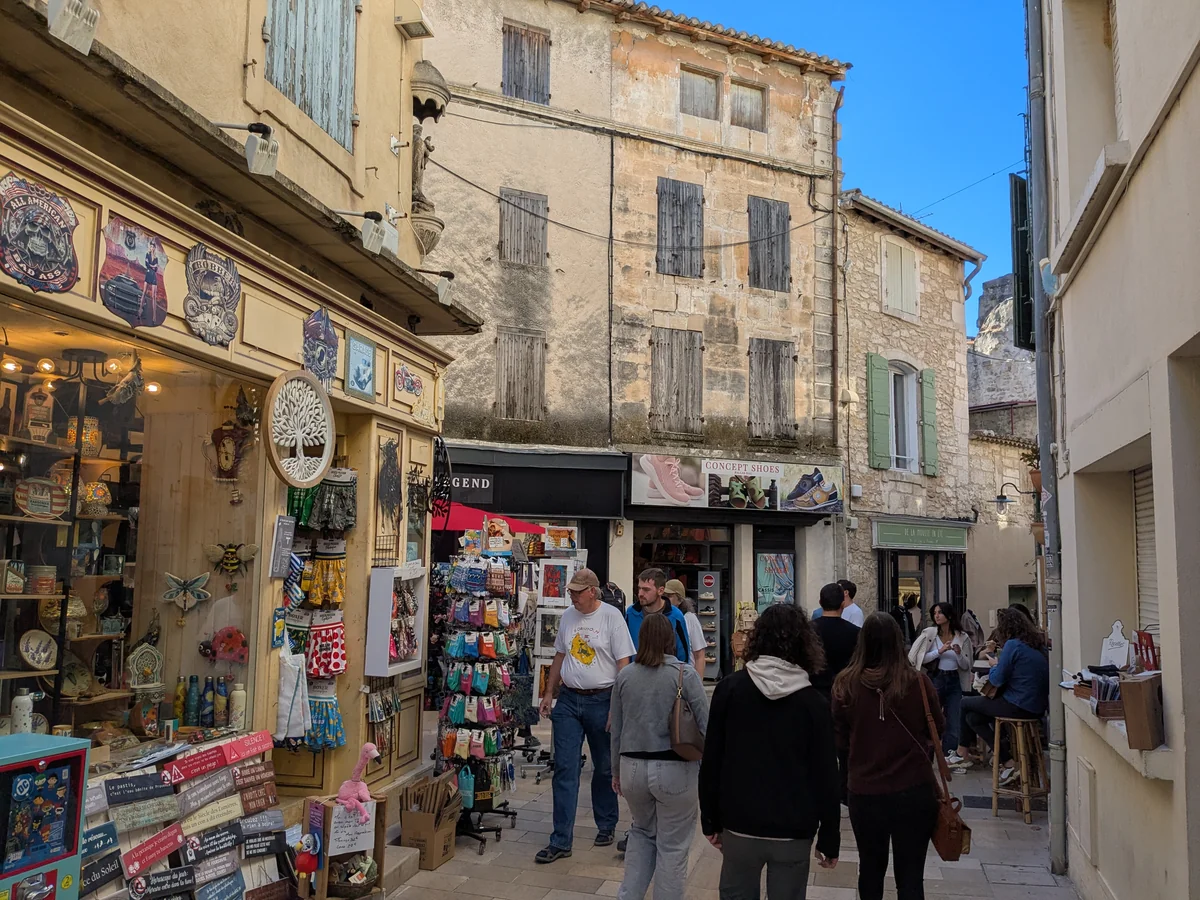
Rue Carnot is one of the old town’s shopping streets. Often distinctive, its shops sit alongside art galleries, offering plenty of reasons to pause at a window or step inside. At junctions, your gaze turns from the shopfronts to the streets opening up between the houses.
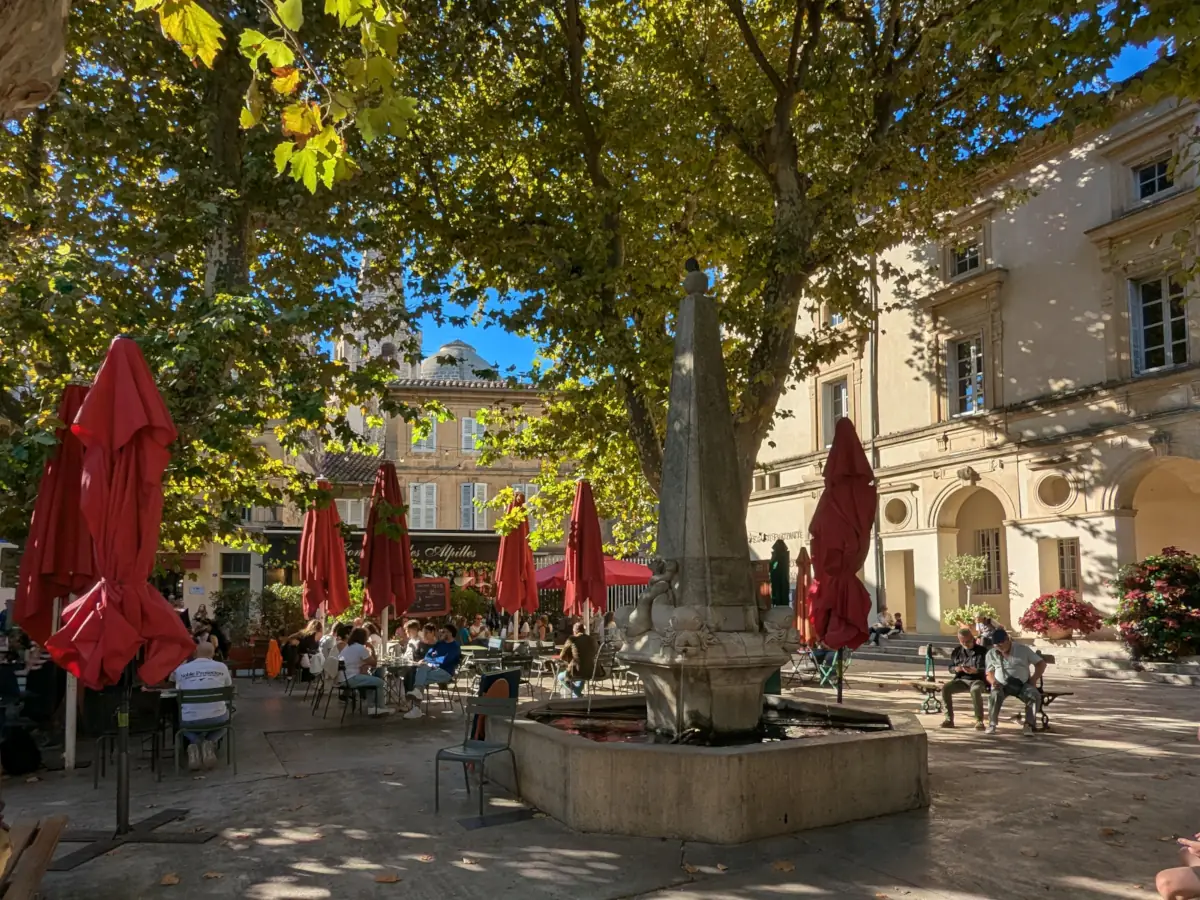
Place Favier then offers more room. The fountain, trees and café terraces invite you to slow down and step back to take in the façades.
The Musée des Alpilles, a window onto the region
On the square, the Musée des Alpilles occupies the Hôtel Mistral de Mondragon, a Renaissance mansion. Its façade and inner courtyard also offer an insight into the architecture of the old town.
The collections, which include everyday objects, tell the story of the people of Saint-Rémy and the Alpilles and their relationship with nature. Local customs and skills offer a way into the region’s culture. Graphic arts also have a place in the museum: an area around its letterpress workshop is devoted to prints, particularly contemporary works.
Rue du Parage, history behind the façades
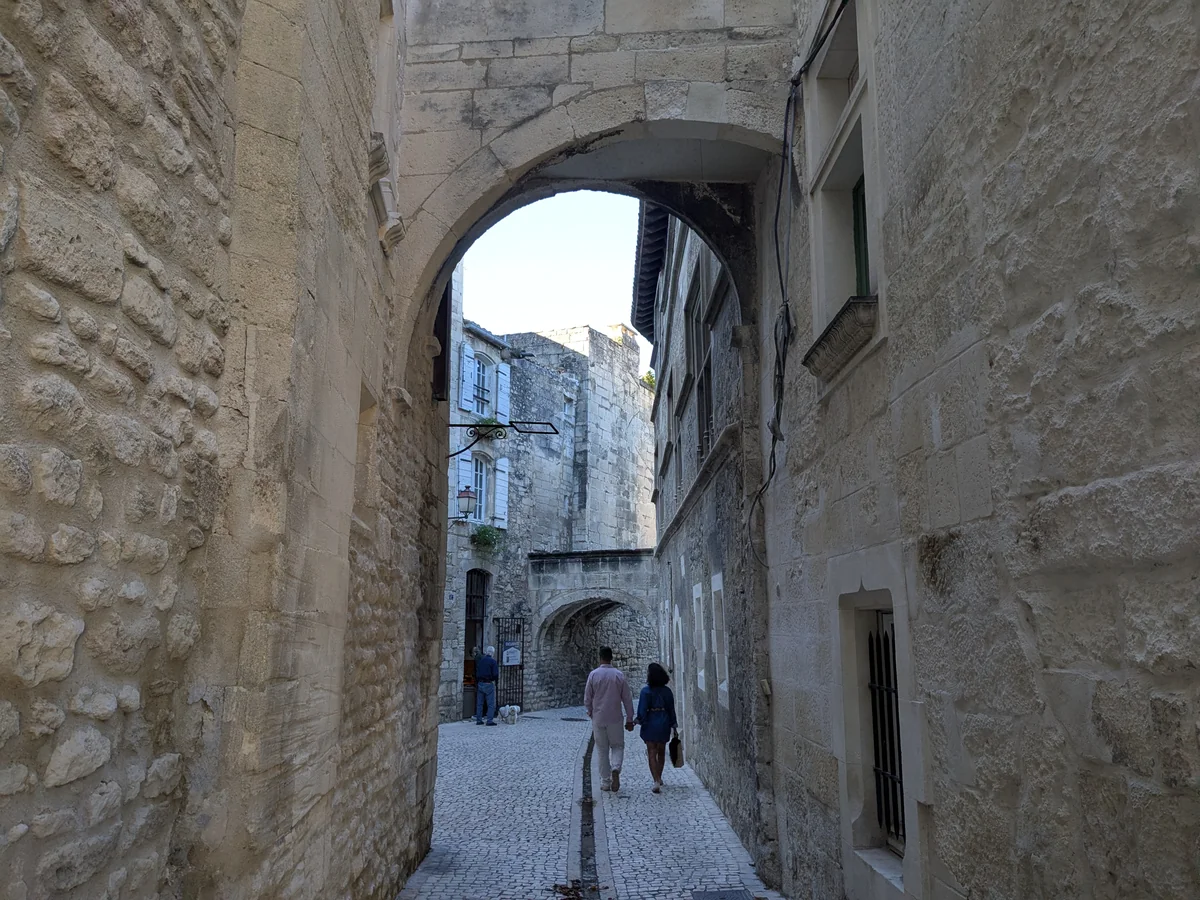
Rue du Parage continues the walk beneath a vaulted passage to the Hôtel de Sade. Behind its Renaissance façade, a visit reveals fourth-century baths, remains of medieval churches and the ruins of the Chapel of the Black Penitents. In the courtyard, part of the hypocaust, the underfloor heating system used in the ancient baths, is still visible.
The site also displays a selection of archaeological finds from Glanum, including sculptures. They offer a closer look at works unearthed in the ancient city and complement a visit to Les Antiques and the archaeological site south of town.
The Porte Saint-Paul
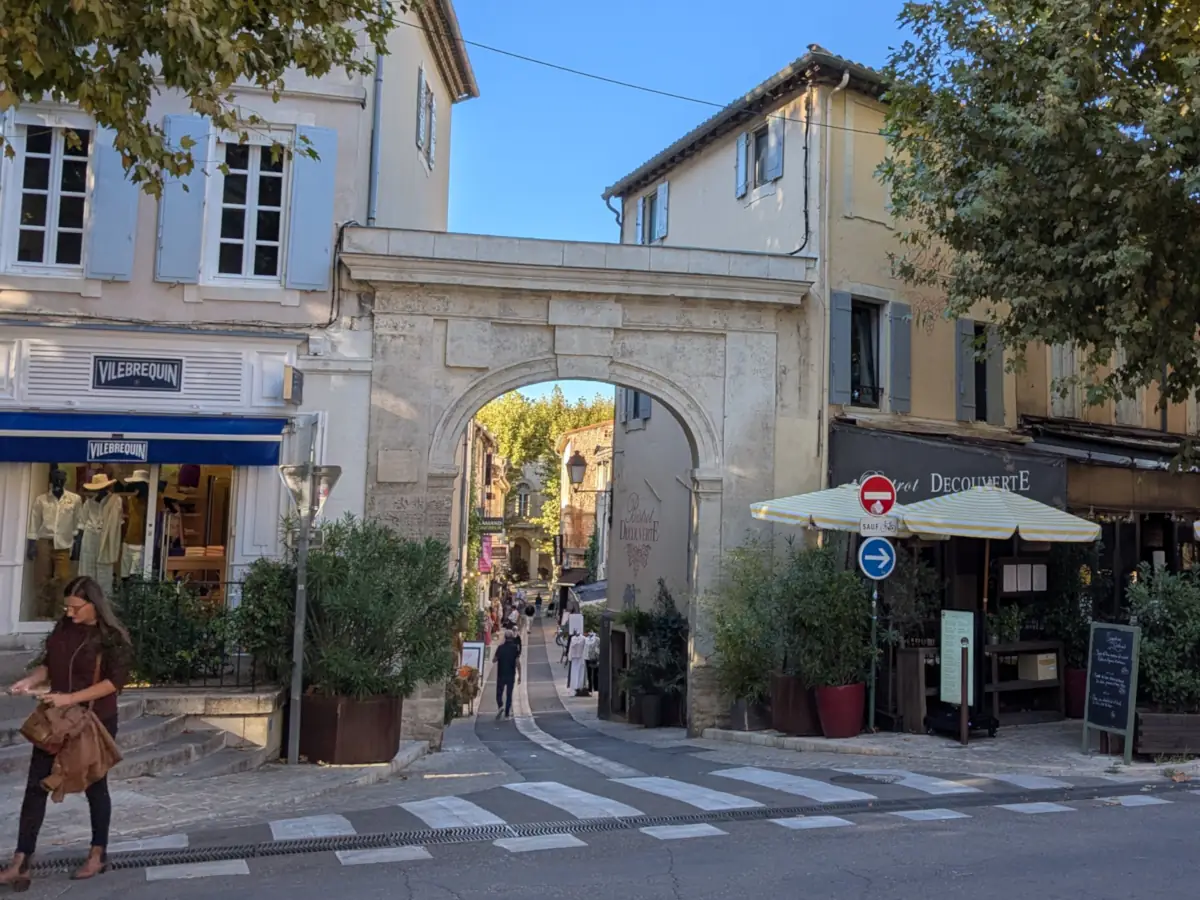
The walk through the old town can end at the Porte Saint-Paul. At the end of Rue de la Commune, the gate opens southwards onto the boulevards surrounding the old town. A few steps take you from narrow streets to the café terraces and broader views along the roads circling the centre.
Opened through the town walls in 1747, this gate provided a route to the monastery of Saint-Paul-de-Mausole, after which it is named. It recalls the fortified walls that once protected the town. Beyond the gate, you can continue towards Saint-Paul-de-Mausole and Les Antiques, at the foot of the Alpilles.
Exploring beyond Saint-Rémy’s old town
You can continue exploring Saint-Rémy at the Wednesday market or at Les Antiques.
Saint-Rémy is also a base for exploring the Alpilles: visit Les Baux-de-Provence, discover Eygalières and the Saint-Sixte chapel, then continue to Daudet’s windmill in Fontvieille and the Saint-Gabriel chapel.
Practical information
Planning your walk through the old town
- Suggested duration
- Allow one to two hours for the walk, breaks and photographs, plus time for any museum visits.
- Parking
- The Parking de la Libération is within walking distance of the centre. Consult the municipal parking map and regulations for other car parks.
- Museums in the old town
- Check opening times, exhibitions and visitor information on the websites of the Musée Estrine, the Musée des Alpilles and the Hôtel de Sade.
Extend your stay
Guest houses to extend your getaway
These properties listed on the Portal are within 25 km as the crow flies of the location featured in this getaway. Visit their websites to plan your stay.
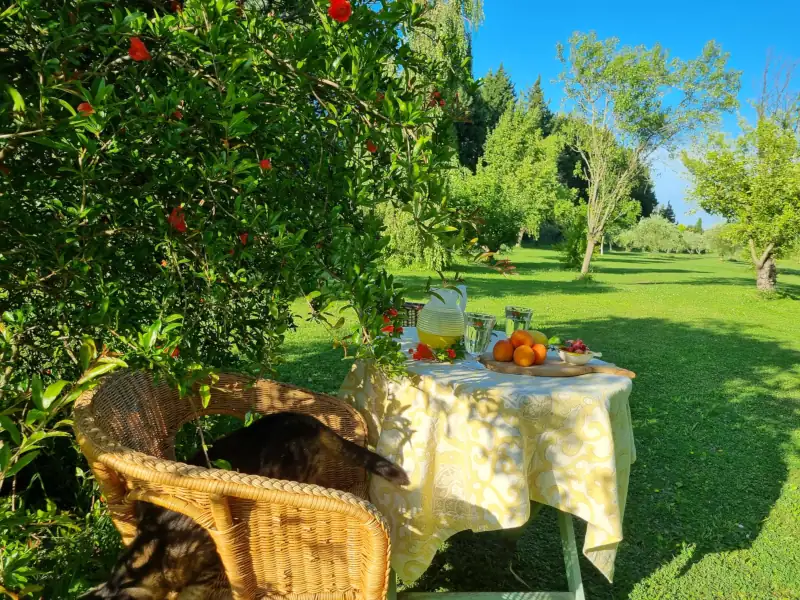
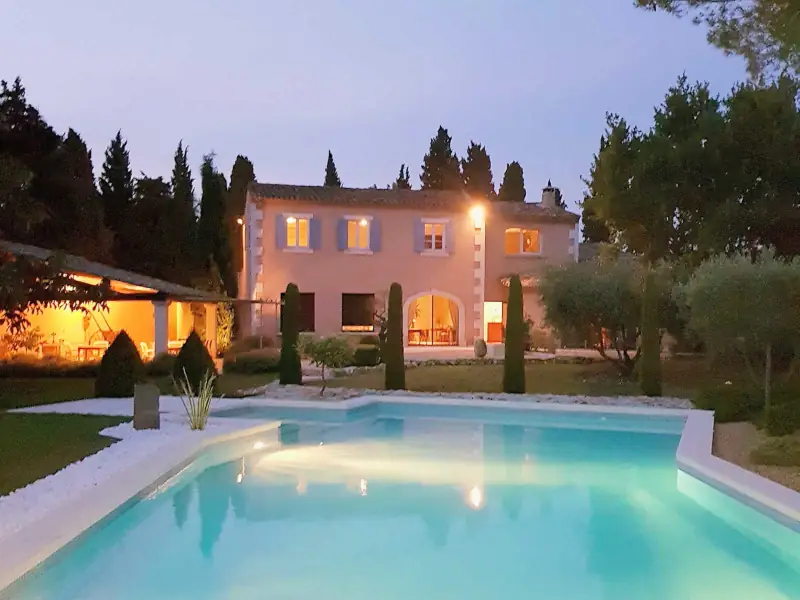

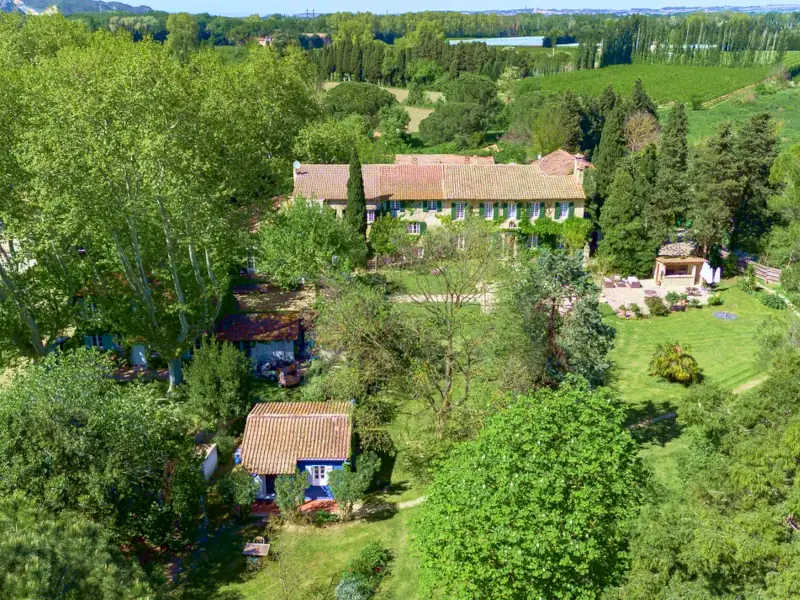
Mas des Marguerites
Charming Bed and breakfast
Maussane les Alpilles
Visit website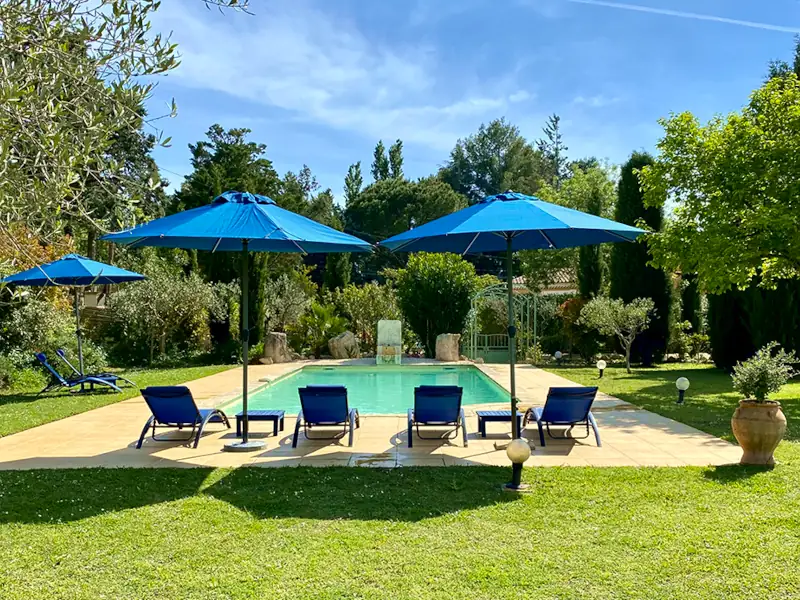
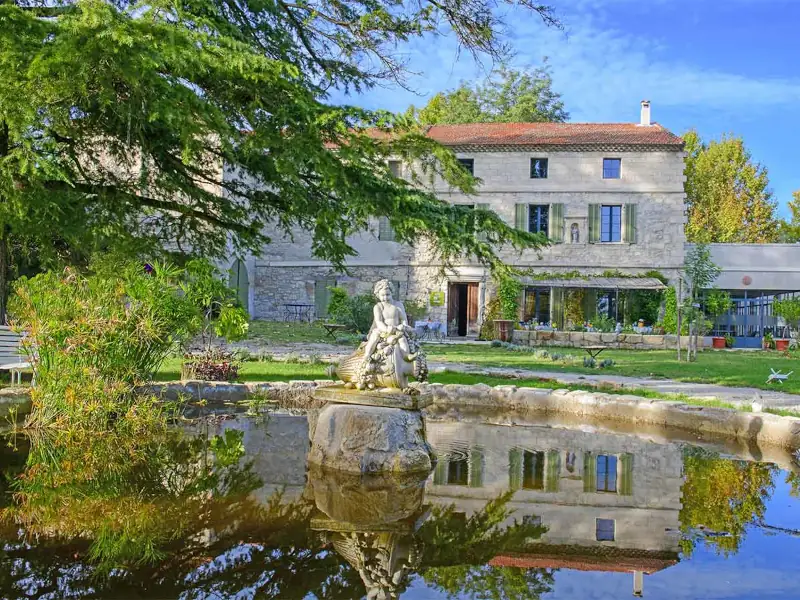
Au Coeur des Alpilles
Charming bed and breakfast
Maussane-les-Alpilles
Visit website
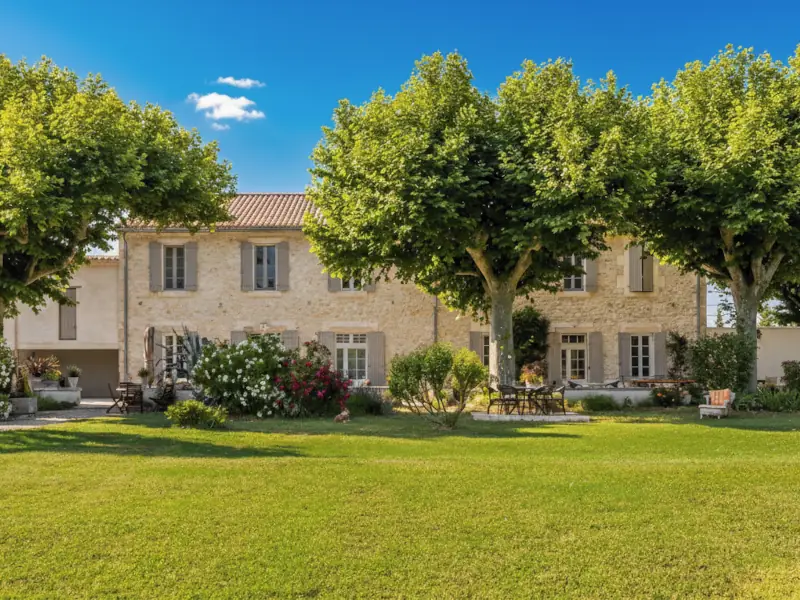
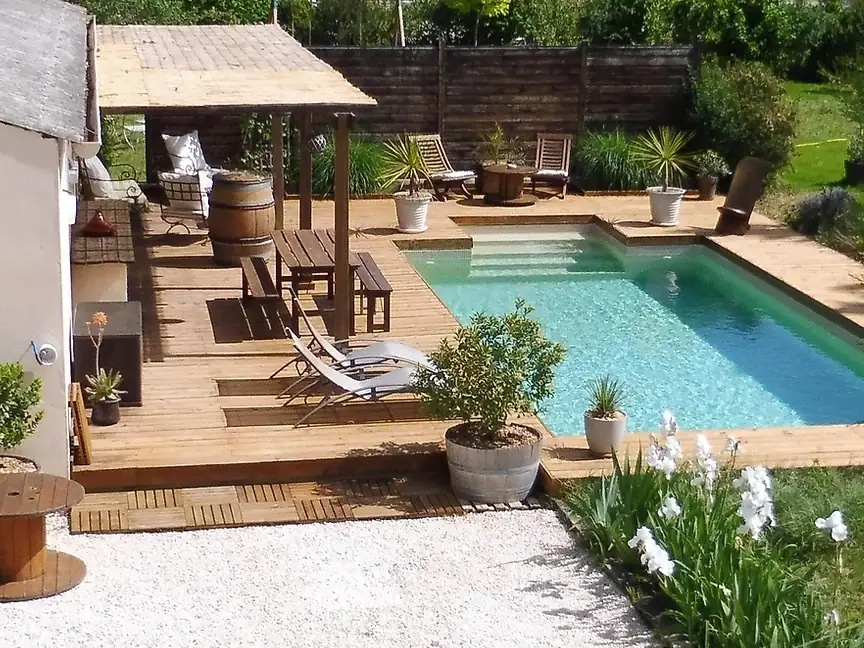
La Bastide des Amouriers
Charming bed and breakfast and Gite
Caumont-sur-Durance
Visit website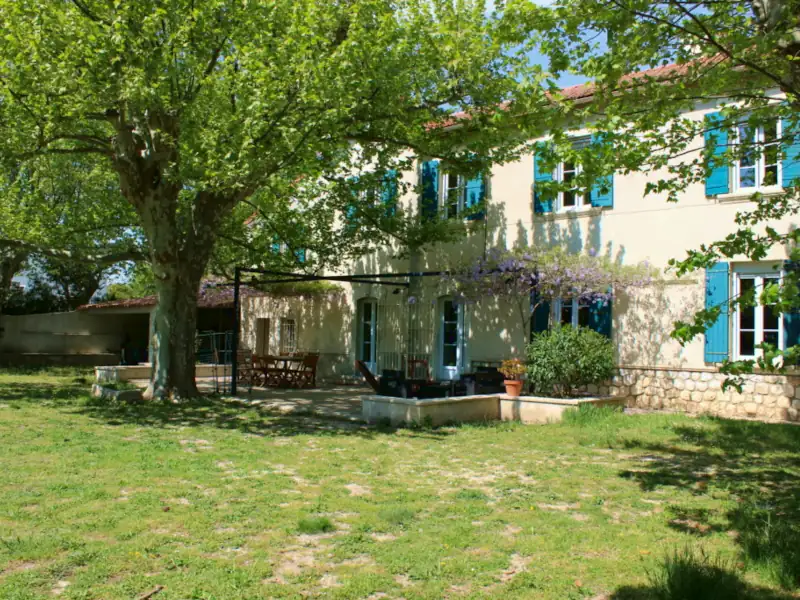
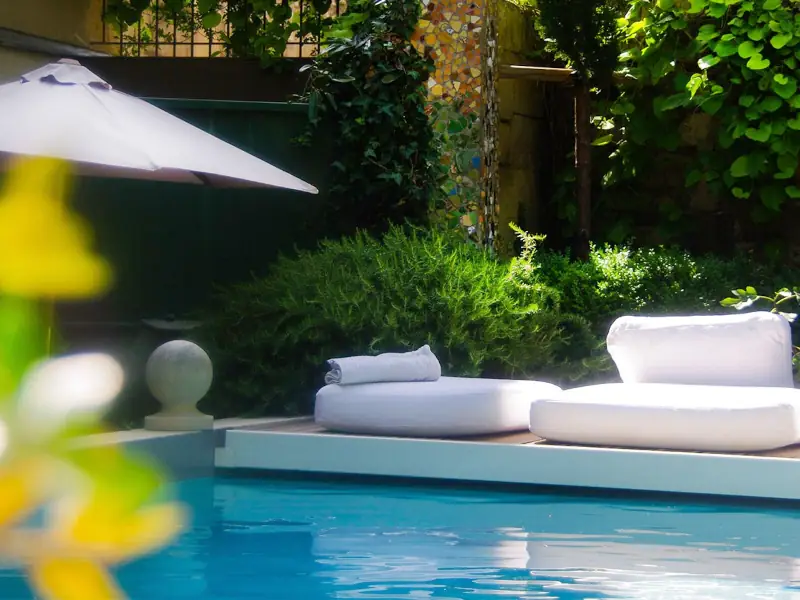
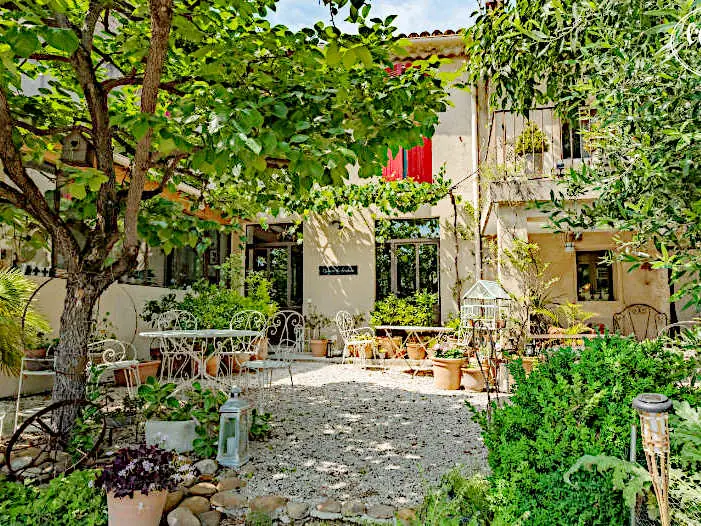
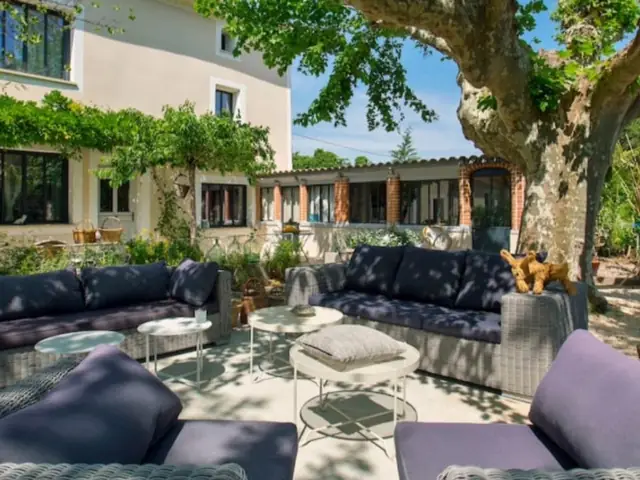
L'Oréliane
Charming Bed and breakfast
Châteauneuf de Gadagne
Visit website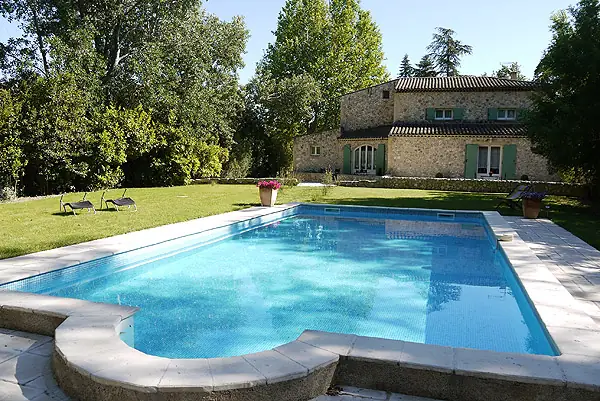
Fontaine des Magnarelles
Charming Bed and breakfast
Althen des Paluds
Visit website
Le Mas de l'Amandier
Charming Bed and breakfast and holiday rental
St Saturnin lès Avignon
Visit website
La Bergerie du Luberon
Charming holiday home
Les Taillades
Visit website
Le Pavillon du Lantana
Holiday home
Les Taillades
Visit website