Getaway in the Alpilles
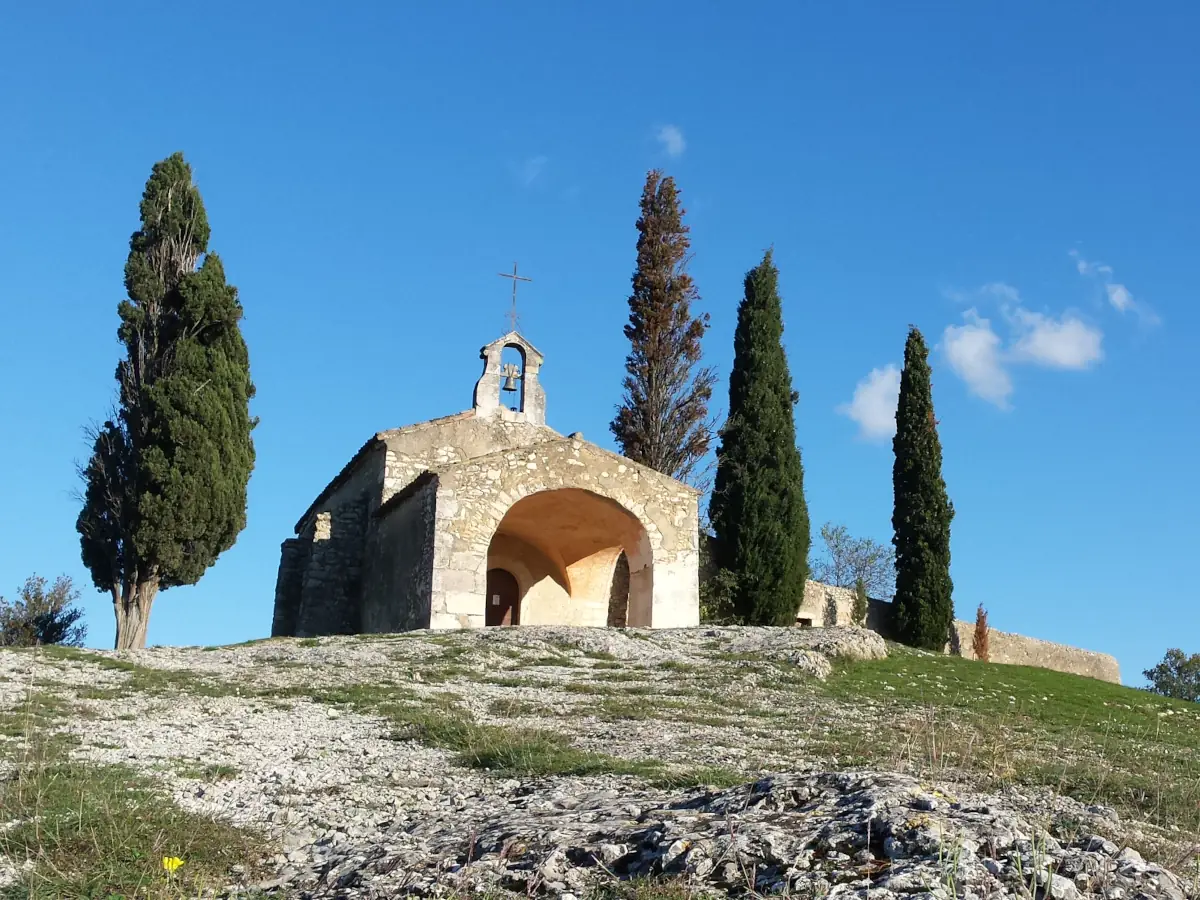
Saint-Sixte chapel, in the Alpilles
Text and photographs by Vincent Flachaire
Set on a rocky rise outside Eygalières, the Romanesque Saint-Sixte chapel is linked to a living pilgrimage tradition.
A solitary landmark in the Alpilles landscape
As the road to Orgon leaves Eygalières, the chapel appears between the cypresses, set on a rocky rise. Its pale stone stands out against the plateau; from the road, the building seems small, but a little distance reveals how naturally it belongs to the surrounding relief.
Romanesque architecture reshaped in the seventeenth century
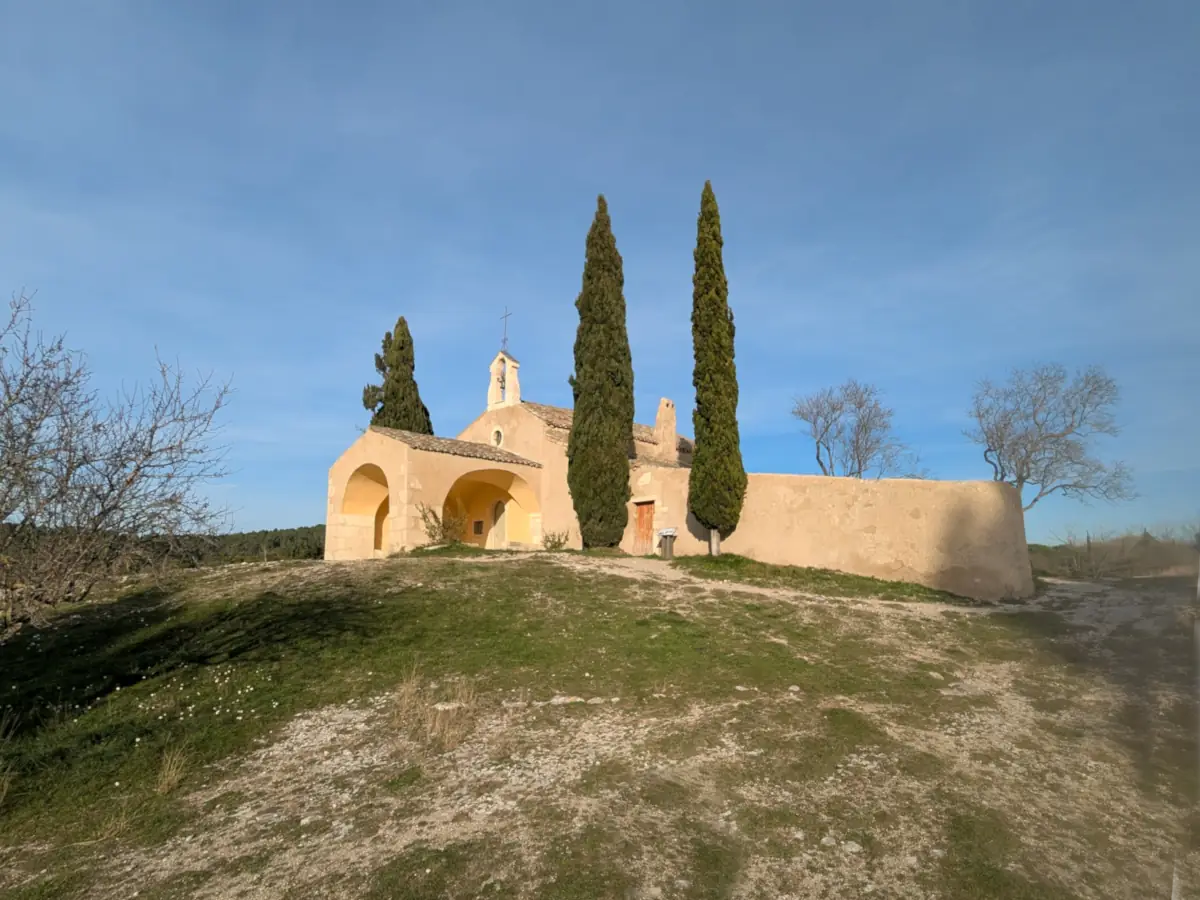
The chapel was built in the twelfth century on the site of an ancient sanctuary, near a spring. The surviving Romanesque work includes the semicircular apse, built in finely laid stone and covered by a half-dome vault. The wall of the triumphal arch still bears two corbels carved in the shape of boar's heads.
The rubble-stone nave is preceded by a projecting porch, or stabulum, added in the seventeenth century. The hermitage and enclosed garden belong to the same period. Massive buttresses support the building, which is topped by a single-opening bell gable, a familiar silhouette in Provence's rural chapels.
The Easter Tuesday Roumavage
The chapel was mentioned in a papal bull by Adrian IV before 1155 and was given to the abbey of Mollégès in 1222. Every Easter Tuesday, a procession known as the Roumavage makes its way from Eygalières parish church to the chapel. Villagers, sometimes in traditional dress, gather for a Mass in Provençal in honour of Saint Sixtus. The tradition associates the pilgrimage with protection for the crops against drought.
During the plague epidemic of 1720, the hermitage served as a lazaret. In the nineteenth century, the chapel remained a place of devotion and also became a subject for painters. Behind its plain walls, local worship, pilgrimage and the memory of a time of crisis overlap.
A rural chapel that became a painter's motif
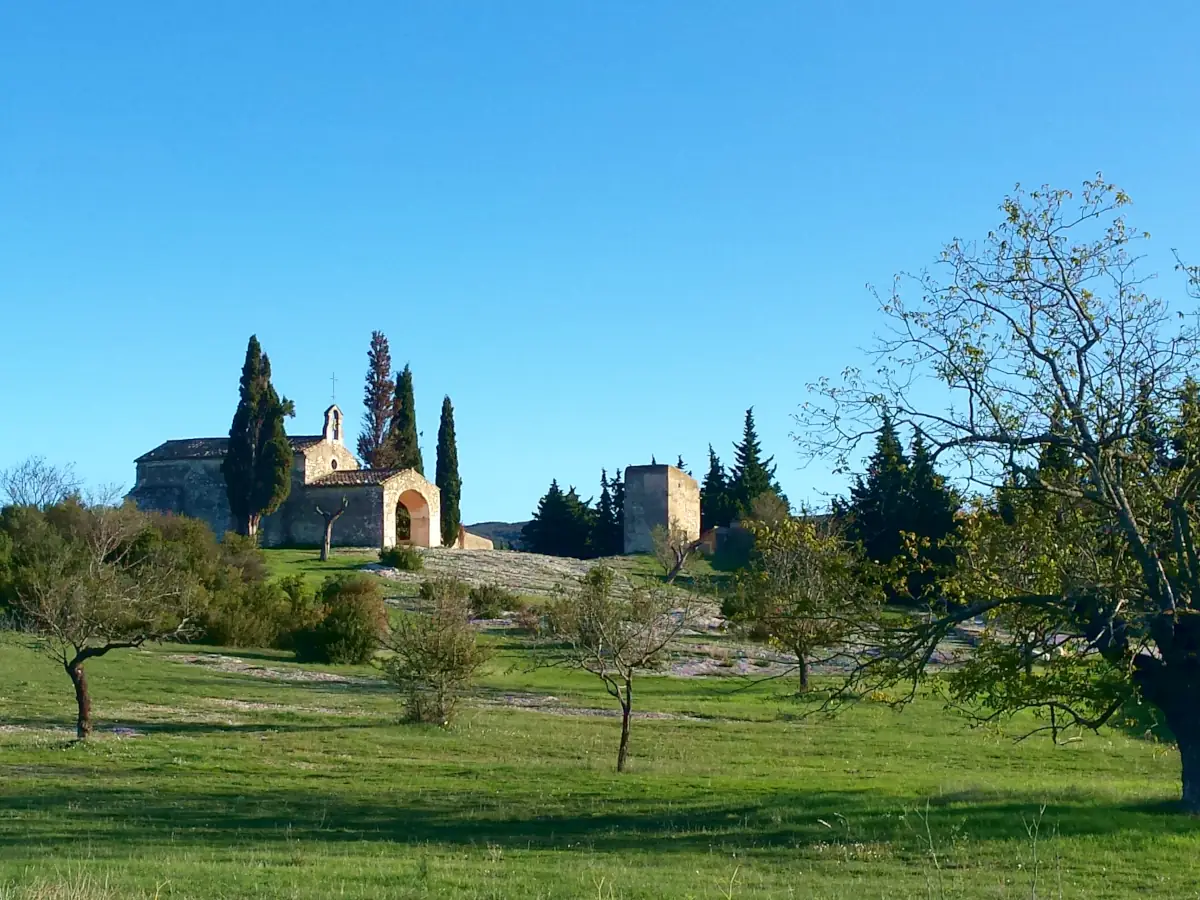
The building's isolation, the vertical lines of the cypresses and the light of the Alpilles compose a scene reduced to a few strong forms. Since the nineteenth century, painters have found here three recurring subjects of Provence: stone, evergreen trees and a southern light that changes with the hour.
Reproduced again and again, the chapel has become one of the region's best-known images, in painting as well as photography. André Derain made a painting of it. On site, the landscape is more restrained than its image suggests: a low building, a few trees, a path and the limestone horizon of the Alpilles.

Continue through the Alpilles
The journey can continue towards Saint-Rémy-de-Provence’s old town and the Antiques of Glanum, another reminder of the massif's ancient history. The Wednesday market in Saint-Rémy brings the discovery into the town's streets and squares. Near Tarascon, the Saint-Gabriel chapel offers another Romanesque building set in a rural landscape. To the north-west, at Boulbon, the Saint-Marcellin chapel served as the parish church until 1628: it stayed outside the walls, and the village still walks up to it in procession every 1 June. From one end of the Alpilles to the other, these chapels show how small-scale architecture can belong so closely to the relief.
Practical information
Visiting the Saint-Sixte chapel
- Location and access
- The chapel is on the road to Orgon, about 2 km east of Eygalières. Parking nearby is limited.
- Opening
- The exterior can be seen all year round. The interior opens occasionally, notably for Thursday Mass after Easter and on some Sundays in season. Opening times may change: check the current opening information before visiting.
Extend your stay
Guesthouses around Eygalières and the Alpilles
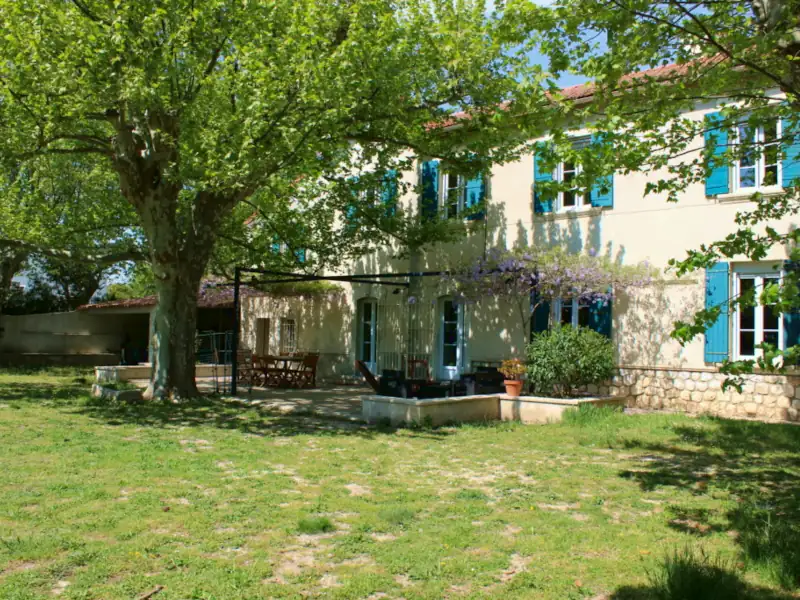
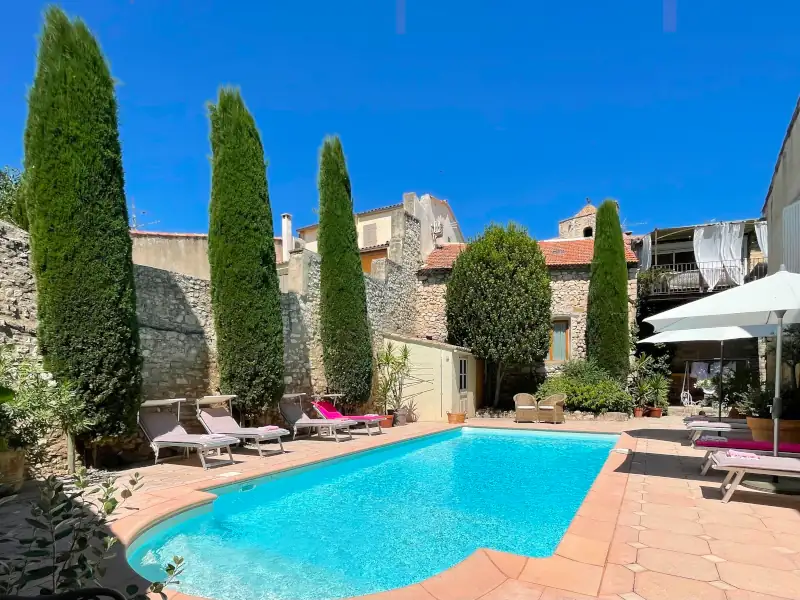
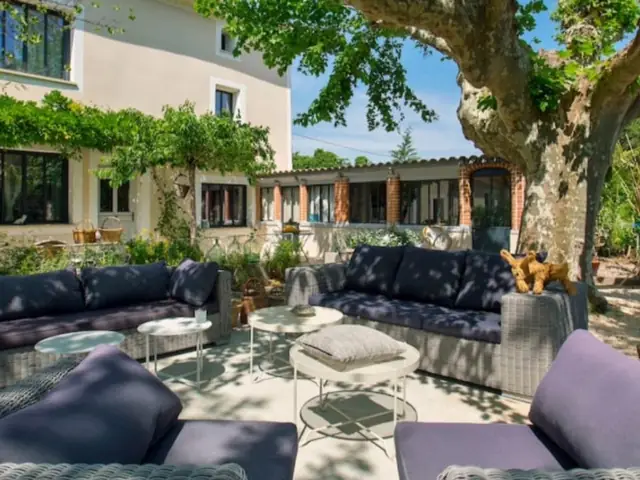
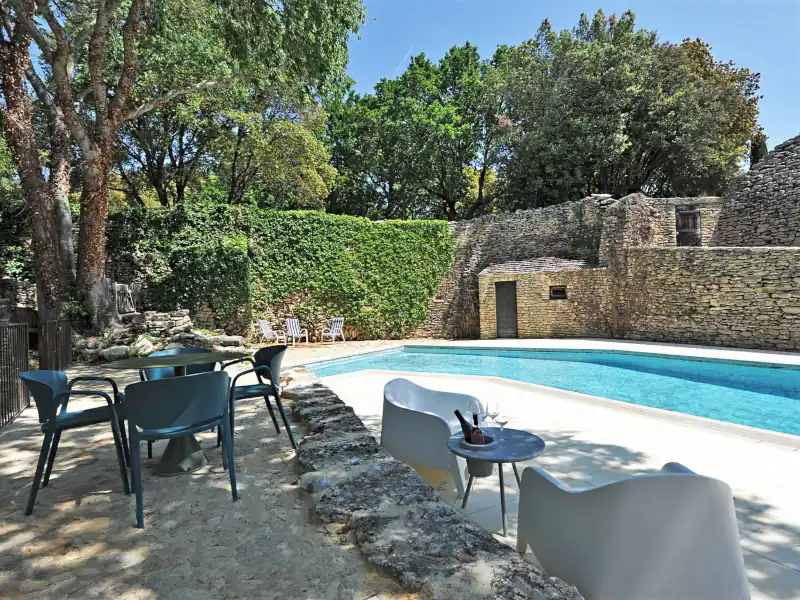
To extend your discovery, the portal presents guesthouses in the Alpilles, with a direct link to each owner's website.
These properties listed on the Portal are within 25 km as the crow flies of the location featured in this getaway. Visit their websites to plan your stay.


La Bergerie du Luberon
Charming holiday home
Les Taillades
Visit website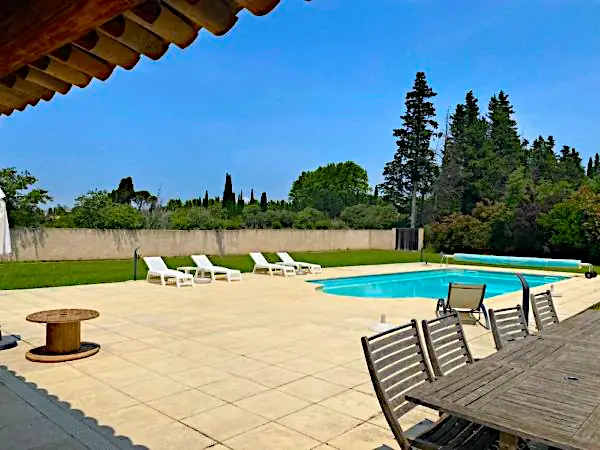
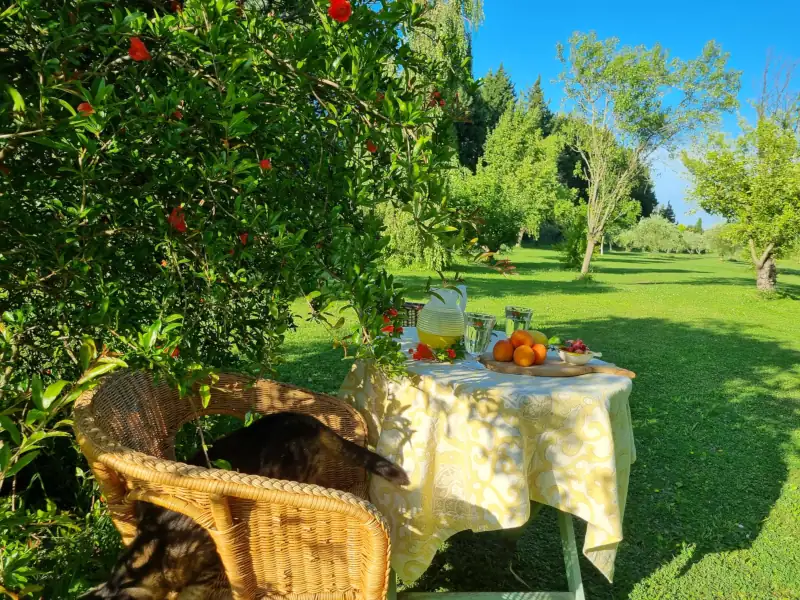
Le Pavillon du Lantana
Holiday home
Les Taillades
Visit website

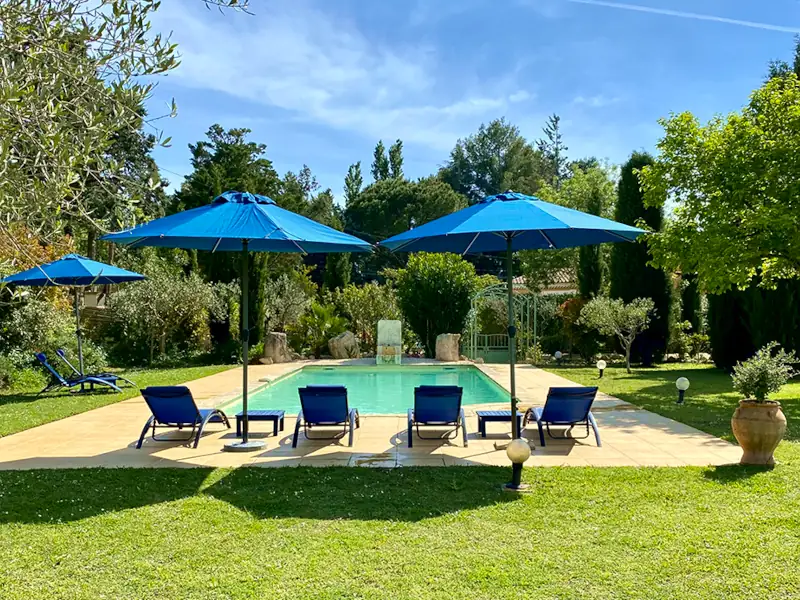
Mas des Marguerites
Charming Bed and breakfast
Maussane les Alpilles
Visit website
Au Coeur des Alpilles
Charming bed and breakfast
Maussane-les-Alpilles
Visit website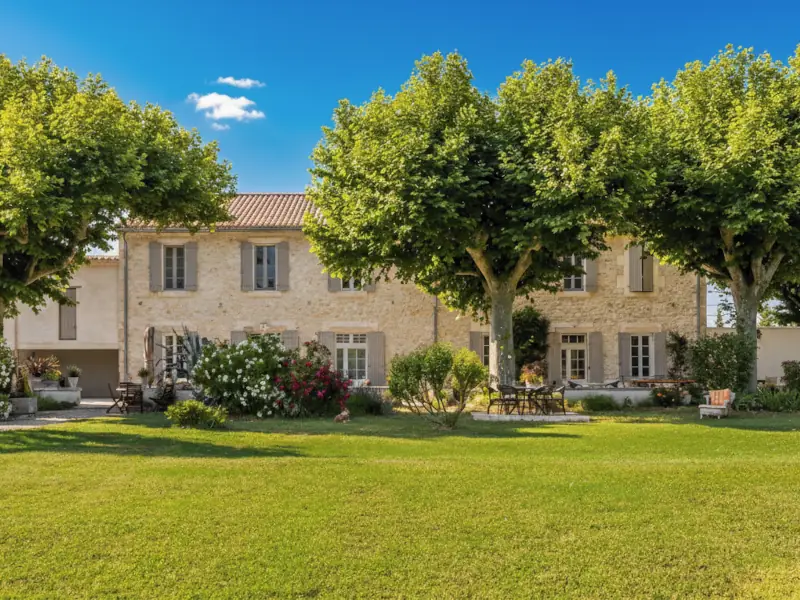
La Bastide des Amouriers
Charming bed and breakfast and Gite
Caumont-sur-Durance
Visit website

L'Oréliane
Charming Bed and breakfast
Châteauneuf de Gadagne
Visit website
Four de Cony
Charming bed and breakfast
Saumane de Vaucluse
Visit website
Le Mas de l'Amandier
Charming Bed and breakfast and holiday rental
St Saturnin lès Avignon
Visit website