


A getaway in the Rhône Valley
Orange, from the Triumphal Arch to Saint-Eutrope Hill
Text and photographs by Vincent Flachaire
Rome’s victories are carved into the Triumphal Arch of Orange, while the theatre still hosts performances. Above its tiers of seats, Saint-Eutrope Hill preserves traces of the castle of the Princes of Orange.
The Triumphal Arch of Orange
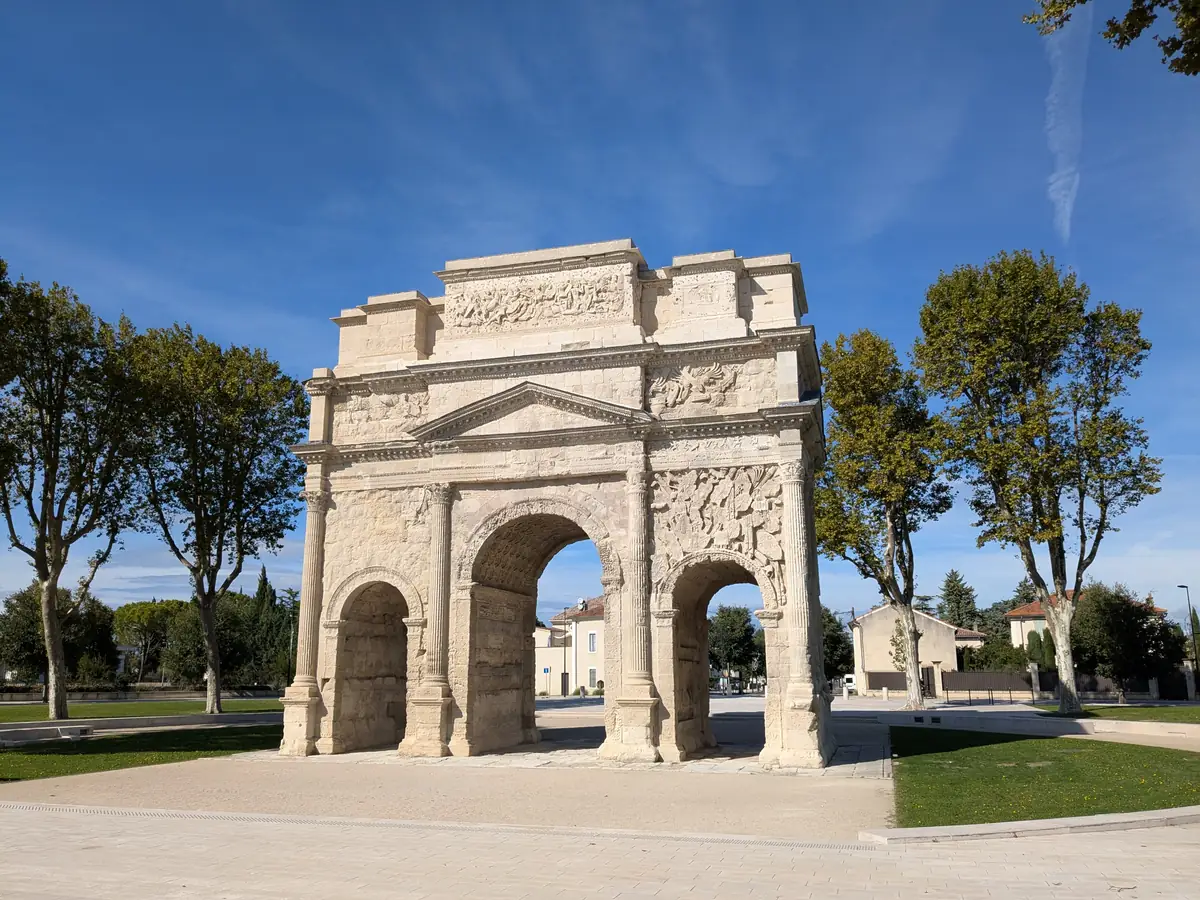
North of the old town, the arch stood on the Via Agrippa as travellers approached the Roman colony of Arausio. Built in the early 1st century AD, it proclaimed Rome’s power. Its three passageways, columns and decoration formed a monumental entrance before visitors even reached the city streets.
Walking around the monument reveals piles of weapons, fighting figures and naval trophies. This decoration celebrates Rome’s conquests and the peace imposed by the Empire. Reliefs cover the different sides of the arch, their details becoming more or less distinct as the light changes.
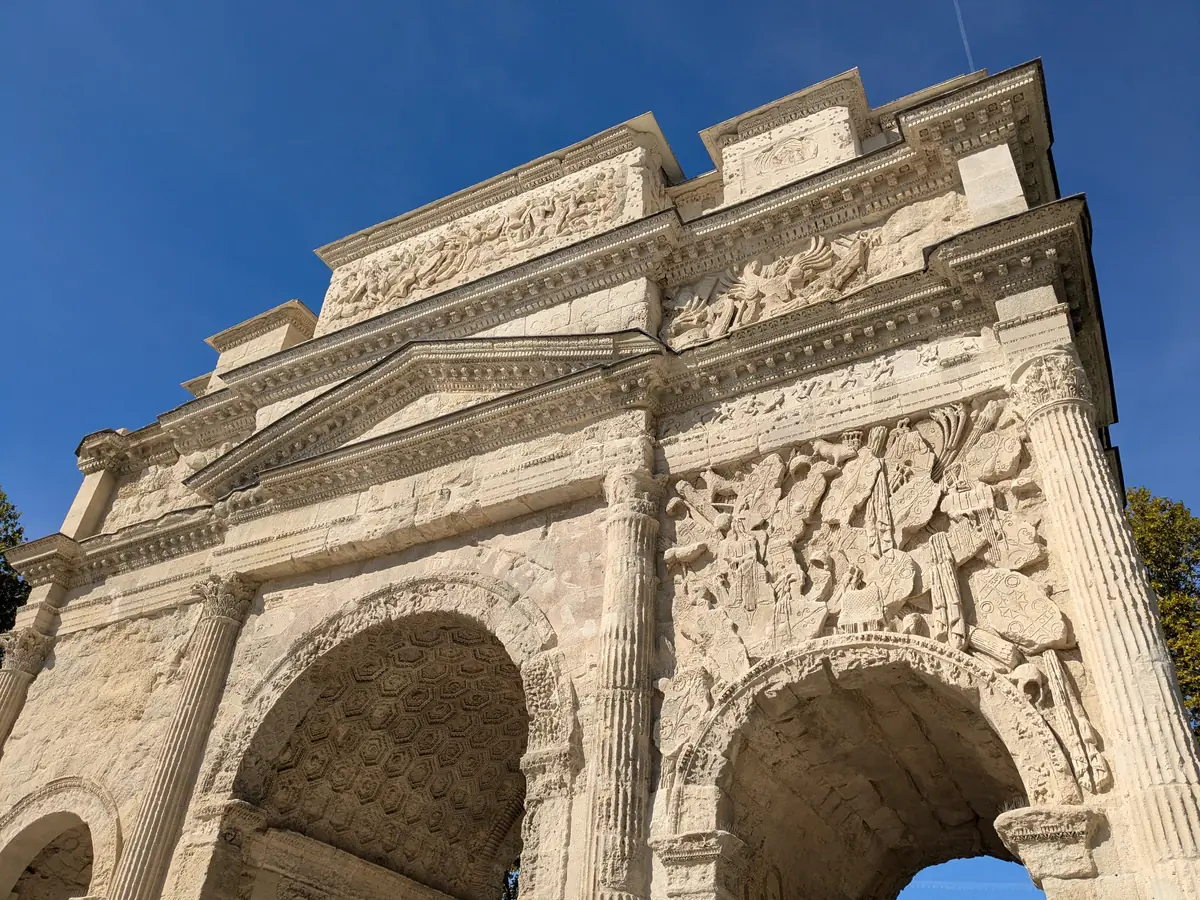
An arch turned into a fortress
In the Middle Ages, the arch took on a new role. Surrounded by a ditch, topped with a battlemented upper storey and fitted with a chapel, it became a defensive post. These new uses helped preserve the Roman structure.
Work to remove the later additions began in the late 18th century. In the following century, architect Auguste Caristie undertook its restoration. Today’s pedestrian layout makes it possible to walk around the arch and examine its sculptures closely.
The forum below the hill
From the arch, the walk crosses the old town to reach the theatre and the nearby remains. Much of the Roman city still lies beneath today’s houses and streets.
The forum brought together the colony’s political, judicial, religious and commercial activities. Porticoes bordered its large paved square. To the south, a wall decorated with fountains separated the square from the sacred precinct, where a temple dedicated to the imperial cult stood. The temple’s substantial foundations and the remains of the semicircular wall around it can still be made out.
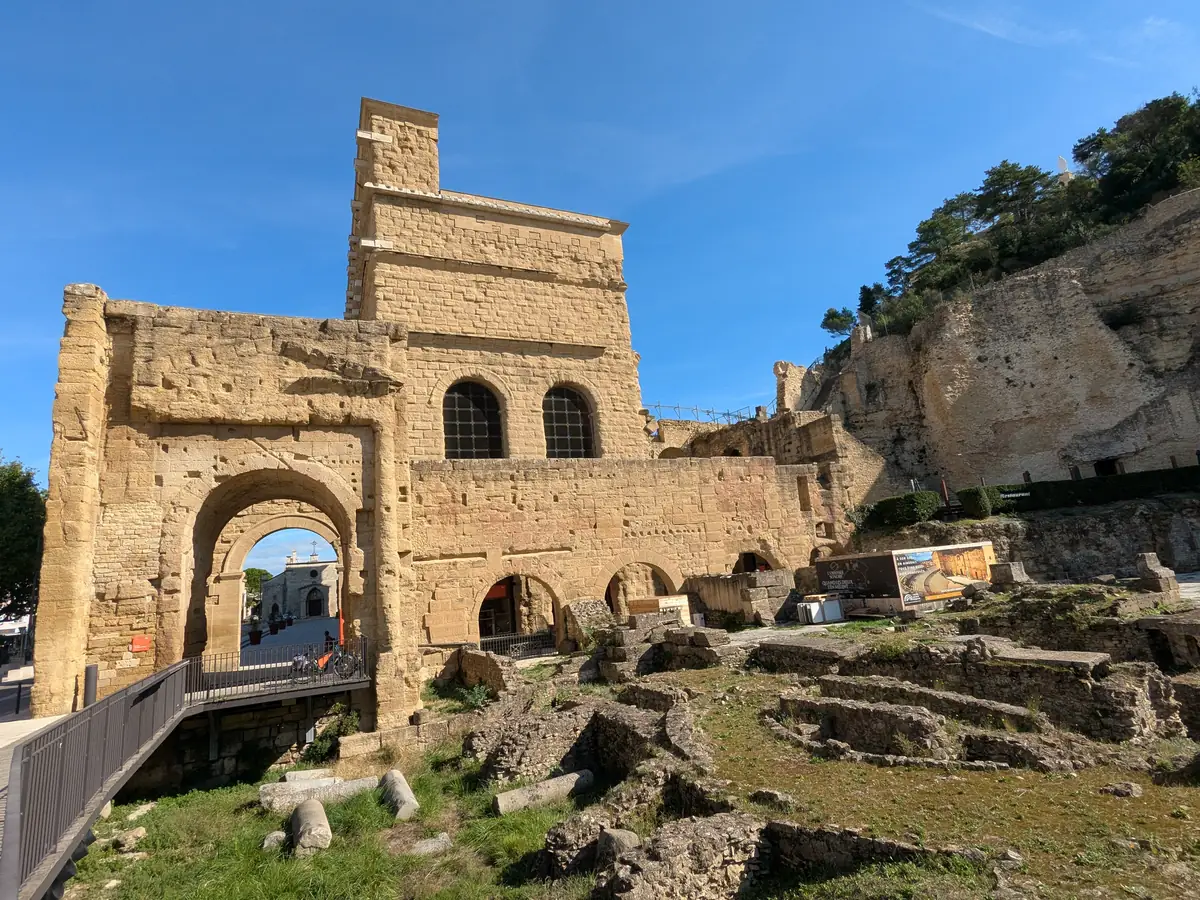
The theatre’s great wall
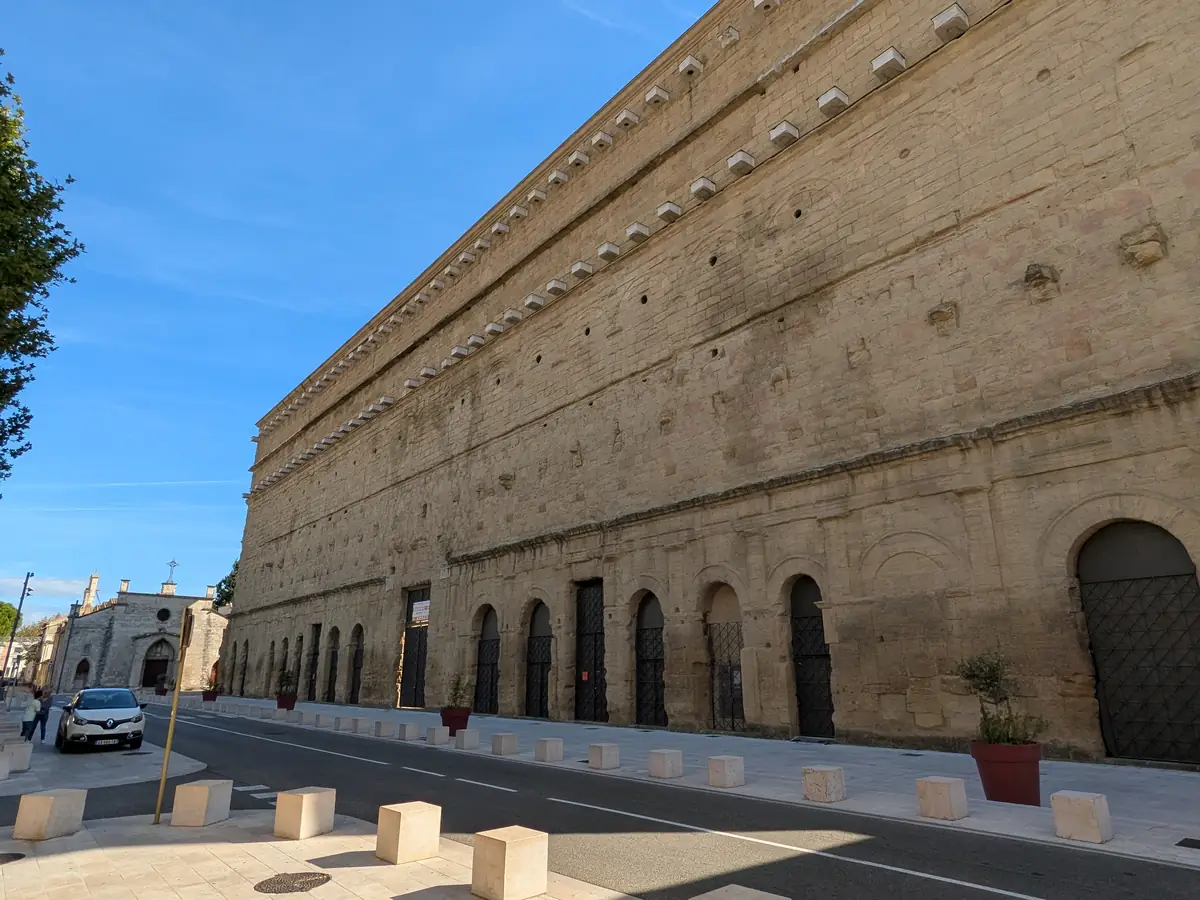
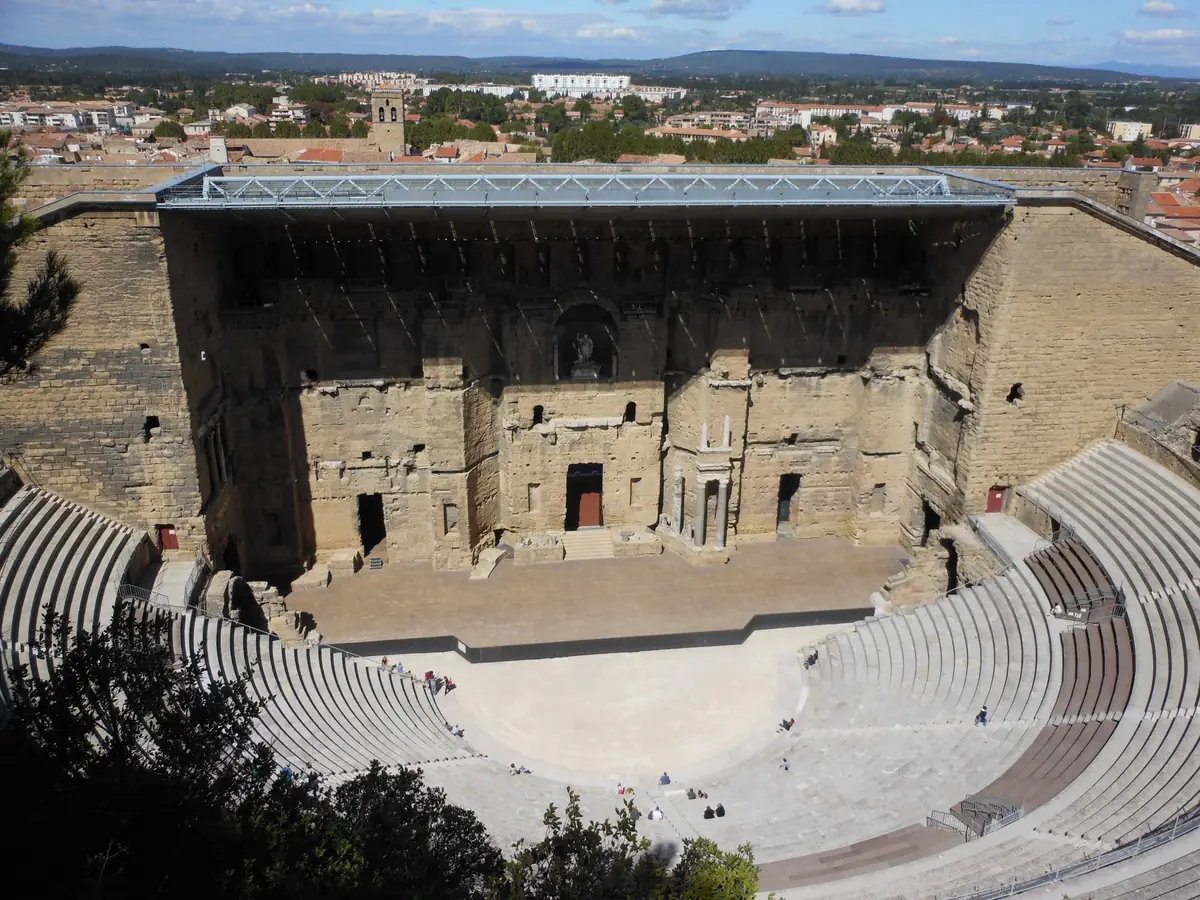
Beside the ruins, the theatre’s outer wall stretches for around 103 metres and rises to 37 metres. Built under Augustus, the monument uses the slope of Saint-Eutrope to support its seating. On the town side, the façade preserves traces of a vanished portico and several rows of arches. The theatre, its surroundings and the Triumphal Arch form a single UNESCO World Heritage property.
At the very top, stone brackets supported wooden masts. These were used to spread the velum, a canvas awning that sheltered spectators from the sun.
Facing the stage
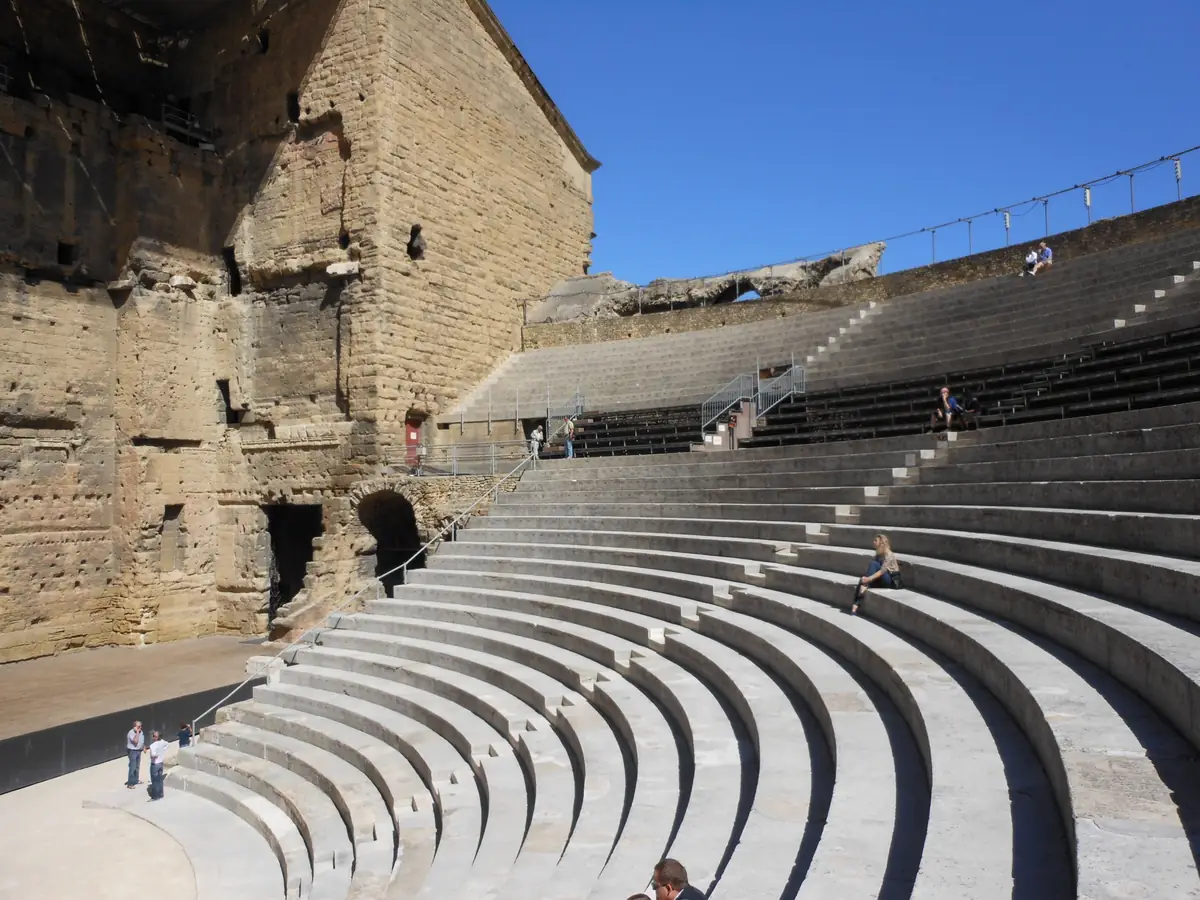
Inside, the semicircular tiers could accommodate nearly nine thousand spectators facing the stage. The survival of the great wall above it makes Orange one of the best-preserved Roman theatres. Its niches and columns once formed part of a much richer setting, clad in marble and adorned with statues.
The statue of Augustus occupies the central niche above the stage. The emperor thus symbolically presided over performances: entertainment, too, helped establish imperial power in the daily life of the city.
From houses to performances
After Antiquity, the theatre’s walls served for defence and sheltered residents, particularly during the French Wars of Religion. Houses were built inside the monument, extending into the area now cleared in front of the seating.
Restoration in the 19th century allowed performances to return. Today, the monument hosts the Chorégies d’Orange and other musical events.
The Museum of Art and History
Opposite the theatre, the Museum of Art and History occupies a 17th-century mansion. It belonged to Georges Van Cuyl, a Dutch gentleman responsible for supplying arms to the castle of the Princes of Orange. Eagle reliefs and fragments of the Centaur frieze offer a close view of some of the theatre’s sculpted decoration.
Fragments of the Roman cadastral maps record how land around Orange was divided. Engraved in marble, the plans specify the size of plots, their legal status and their taxable value. Other rooms display everyday objects from the principality and portraits of Philip William and Maurice of Nassau, two sons of William the Silent.

Saint-Eutrope, the castle hill
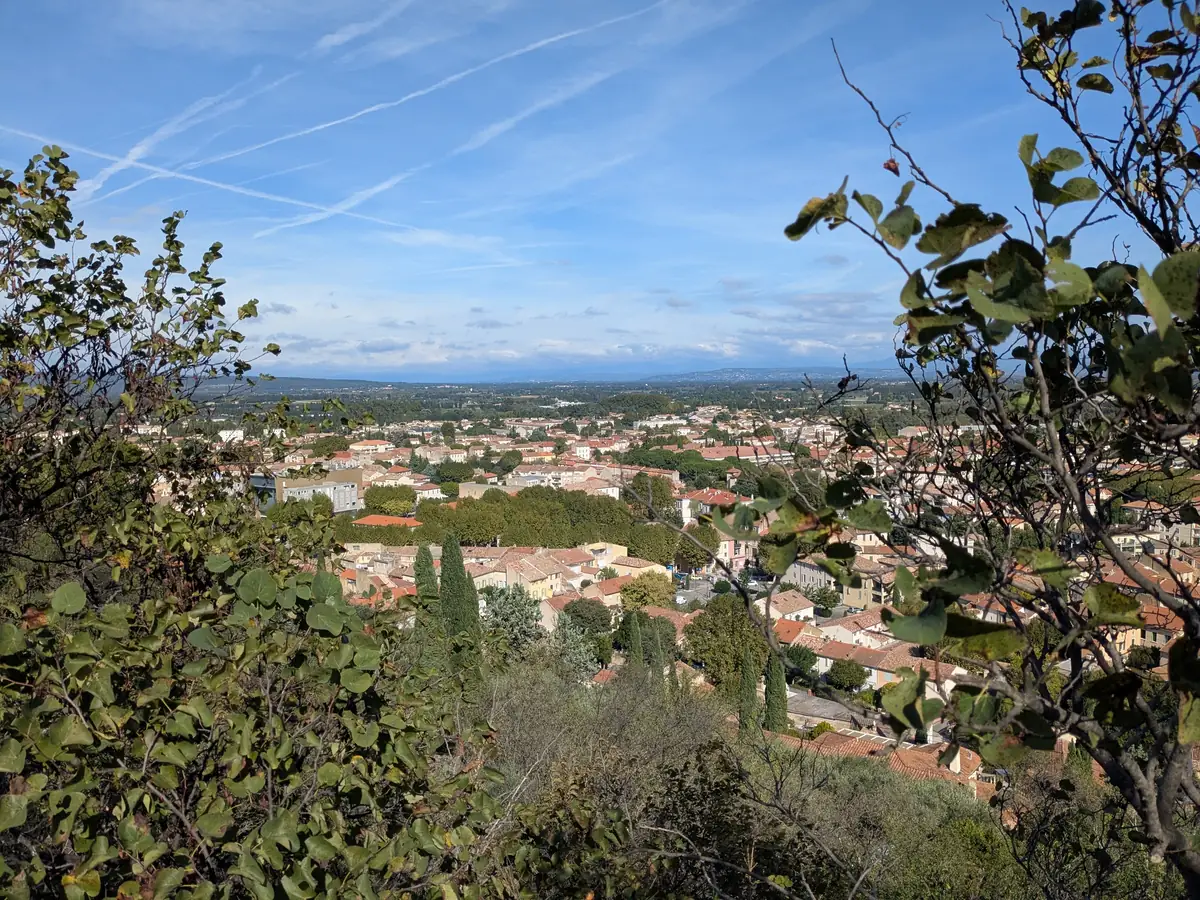
The climb to Saint-Eutrope leads above the rooftops of Orange. Paths, pines and benches now occupy heights that were fortified for centuries. The medieval castle was enlarged, then enclosed within a bastioned fortress in the 17th century.
Military works raised the ground level and buried some of the older buildings. The remains and information panels help trace the castle’s layout and the fortress’s transformations. The destruction ordered under Louis XIV brought an end to this stronghold.
From Les Baux to Orange-Nassau
In the Middle Ages, the lords of Les Baux ruled the Principality of Orange. In 1544, William of Nassau inherited this small territory when he was only eleven. The title of Prince of Orange gave its name to the Orange-Nassau branch, from which today’s Dutch royal dynasty descends.
The principality also became a centre of the Reformation. Religious conflicts and French occupations marked its history until it was definitively ceded to France by the Treaty of Utrecht in 1713.
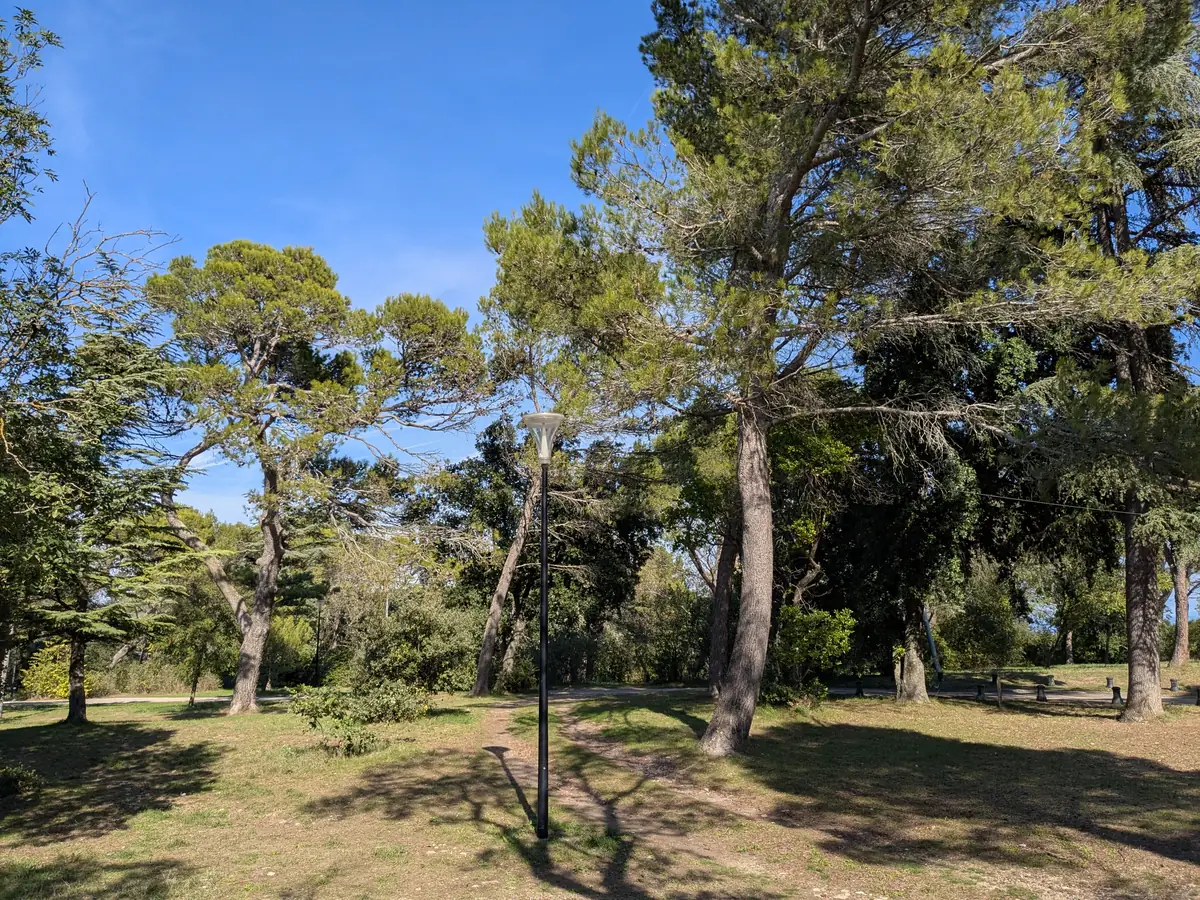
A project launched in 2024 is restoring and presenting the remains of the castle of the Princes of Orange: clearing ditches, repairing walls and staircases, and reinstating some entrances. Archaeological monitoring has notably confirmed the location of the castle chapel, where a well-preserved vault springing and carved capitals survive.
Explore further around Orange
Continue exploring Roman Provence at Vaison-la-Romaine, with its bridge, residential districts and theatre. South of Orange, the castle of Châteauneuf-du-Pape overlooks the Rhône Valley vineyards. To the east, the villages and vineyards of the Dentelles de Montmirail offer other walks to extend your stay.
Practical information
Visiting Orange
- Walk and suggested duration
- The route from the arch to the theatre and then Saint-Eutrope Hill is explored on foot through the centre. Allow half a day, around three to four hours including breaks and visits to the theatre and museum.
- Getting here and parking
- The Pourtoules car park is near the theatre and museum; walk to the arch to begin the route. The climb to Saint-Eutrope adds a slope and steps to the walk.
- Theatre, museum and performances
- The area around the arch is freely accessible. The admission ticket for the ancient theatre includes entry to the Museum of Art and History, which can also be visited separately. Check opening times and ticket conditions before you come.
- For a performance, consult the programme of the Chorégies d’Orange, among other events. Performances may affect visiting arrangements at the theatre.
- What to bring
- Wear shoes suitable for steps and hillside paths, and bring water and sun protection. The seating is exposed to the sun. Respect closed areas around the remains and follow construction-site signs on Saint-Eutrope.
To plan your stay: Pays d’Orange en Provence tourist office.
Extend your stay
Guest houses around Orange and in the Rhône Valley
Staying around Orange gives you time to explore the Roman monuments, then visit the nearby villages and vineyards. The portal links directly to the owners’ websites to help you plan your stay.
These properties listed on the Portal are within 25 km as the crow flies of the location featured in this getaway. Visit their websites to plan your stay.


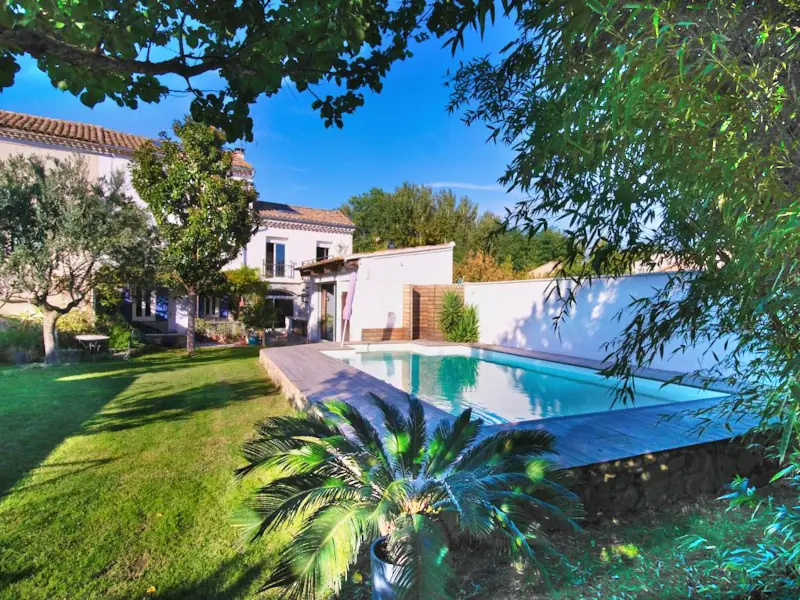
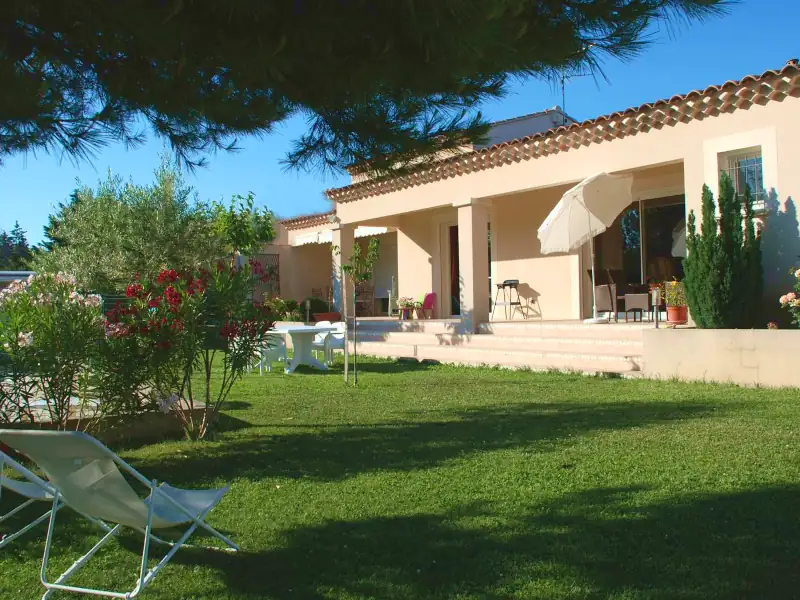

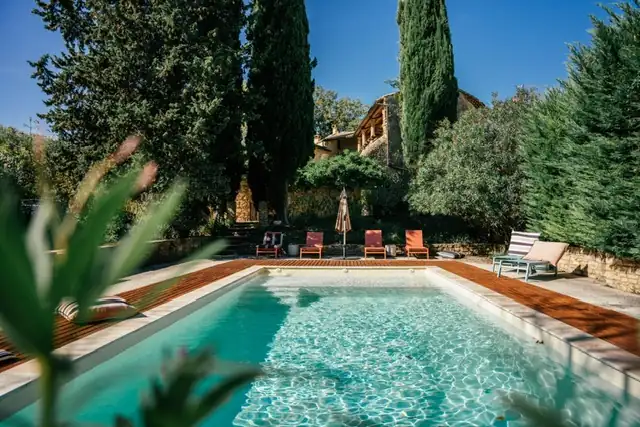
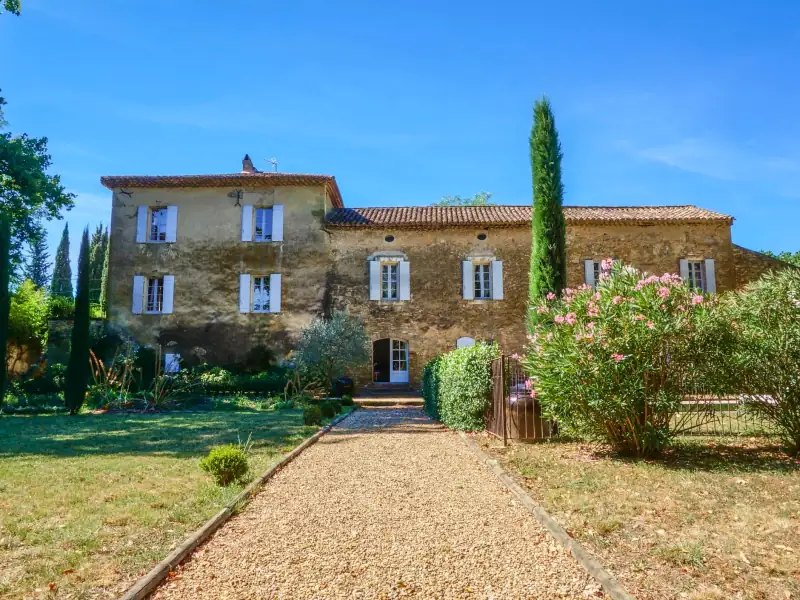
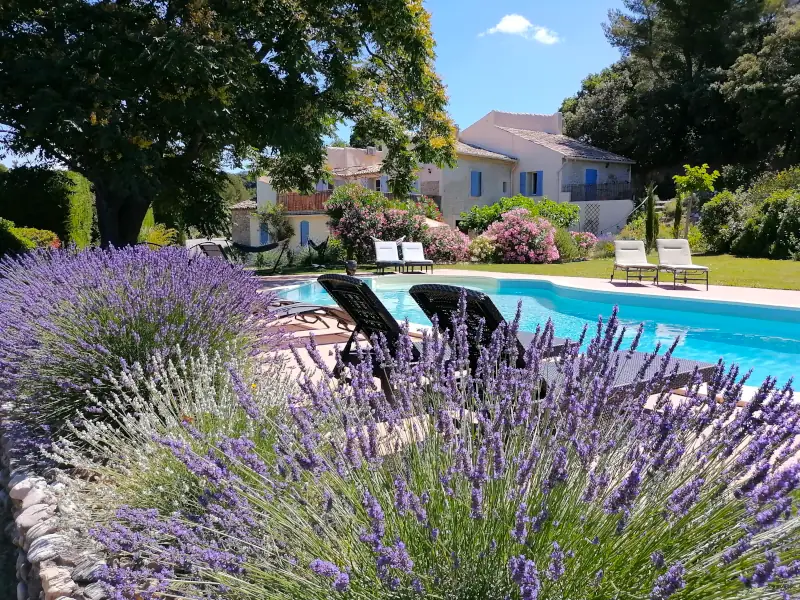
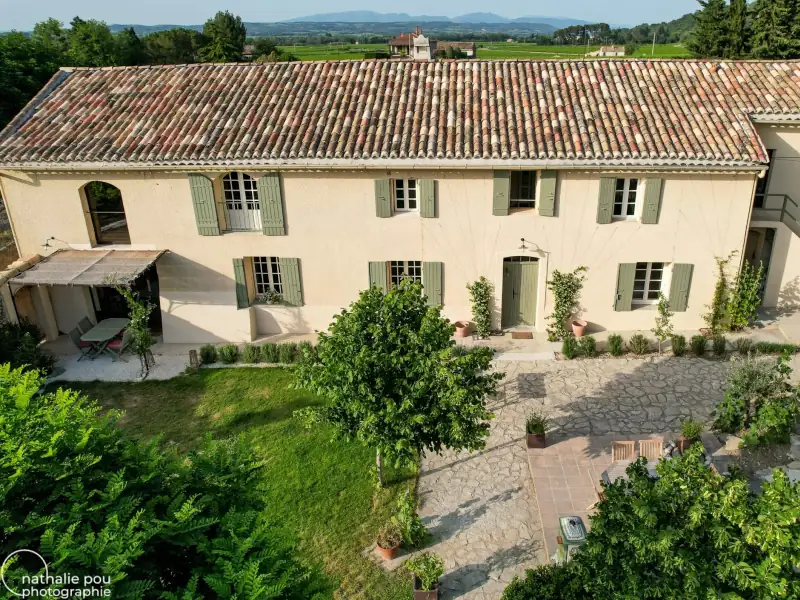
Le Mas des Poules
Charming bed and breakfast and Gîte
Saint-Roman-de-Malegarde
Visit website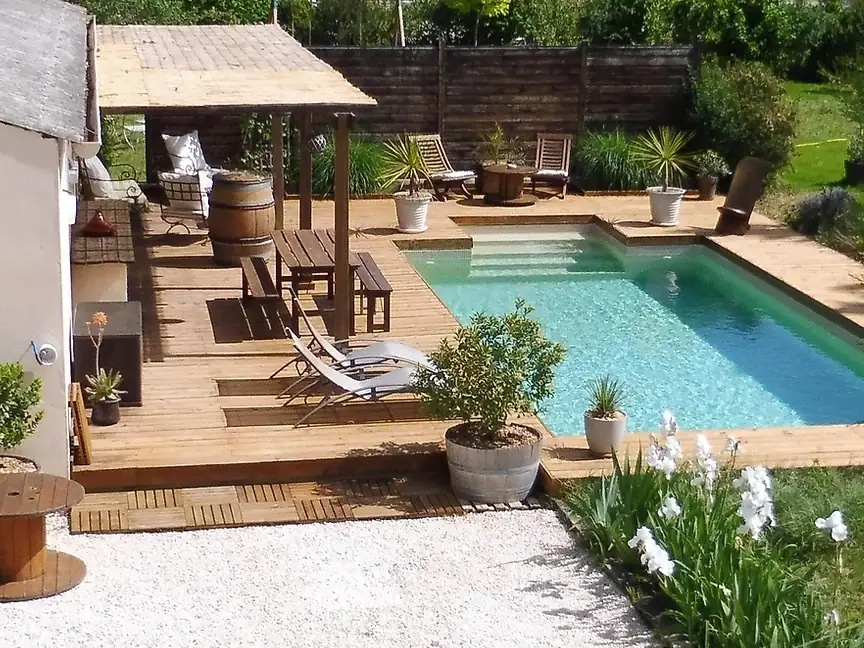
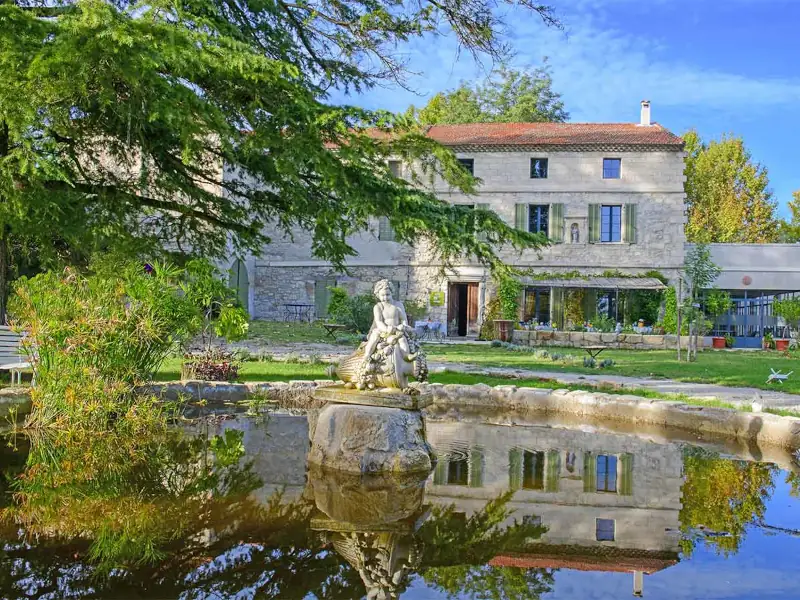
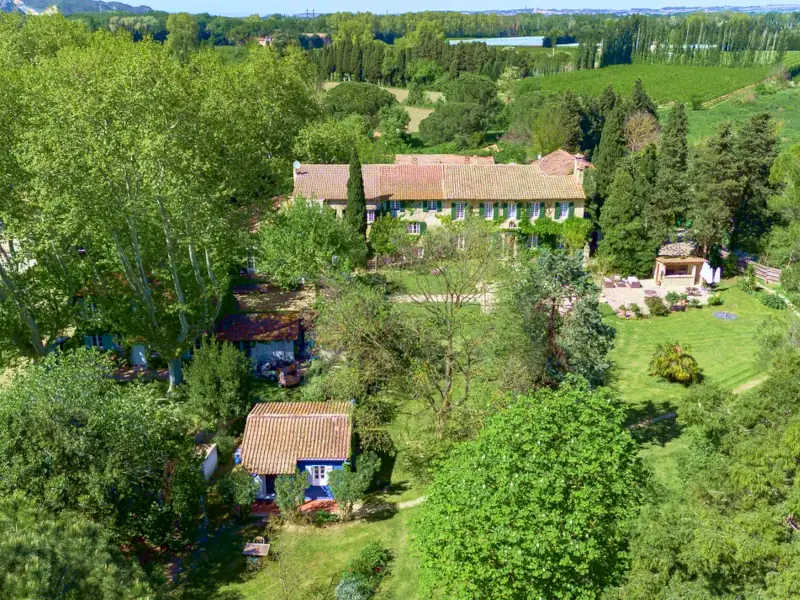
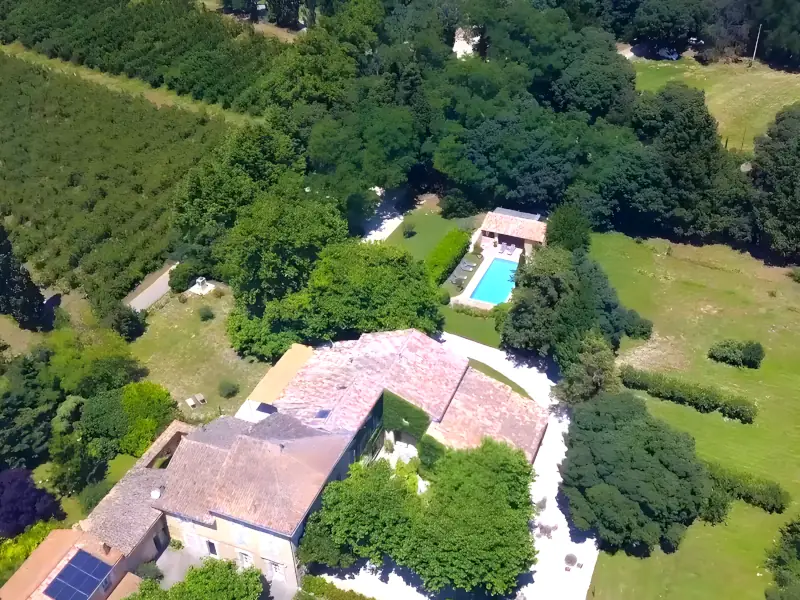
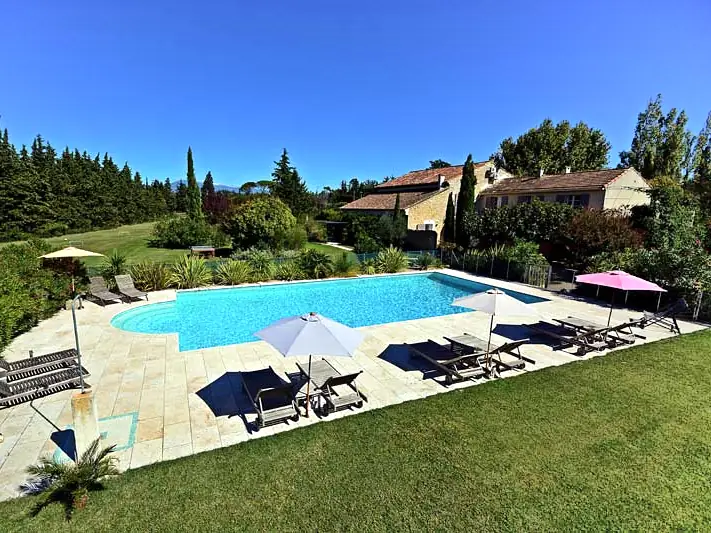
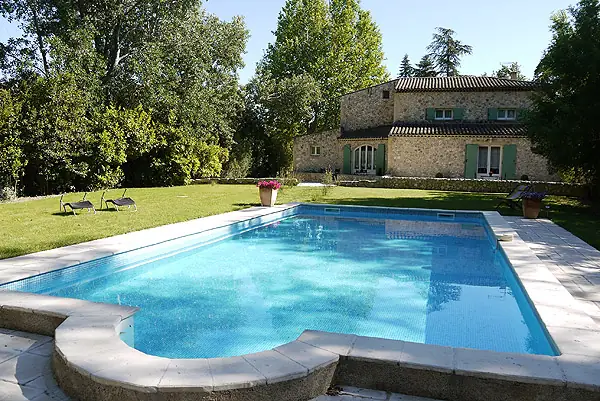

Le Mas de l'Amandier
Charming Bed and breakfast and holiday rental
St Saturnin lès Avignon
Visit website