A getaway in the Pays des Sorgues
At Fontaine-de-Vaucluse, the Sorgue rises from the depths
Text and photographs by Vincent Flachaire
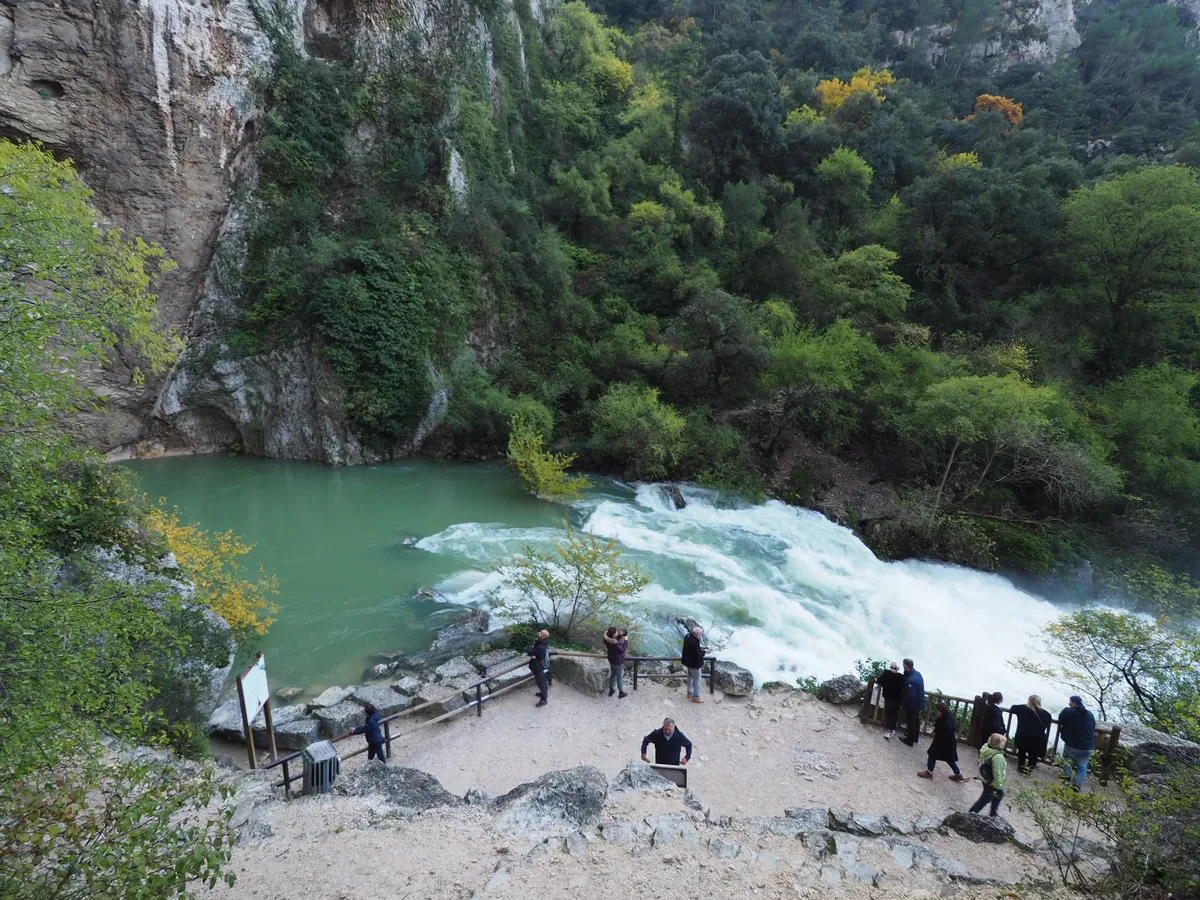
The Sorgue emerges in the closed valley, runs through the village and reaches the plain of the Sorgues.
The river emerges beneath the cliff
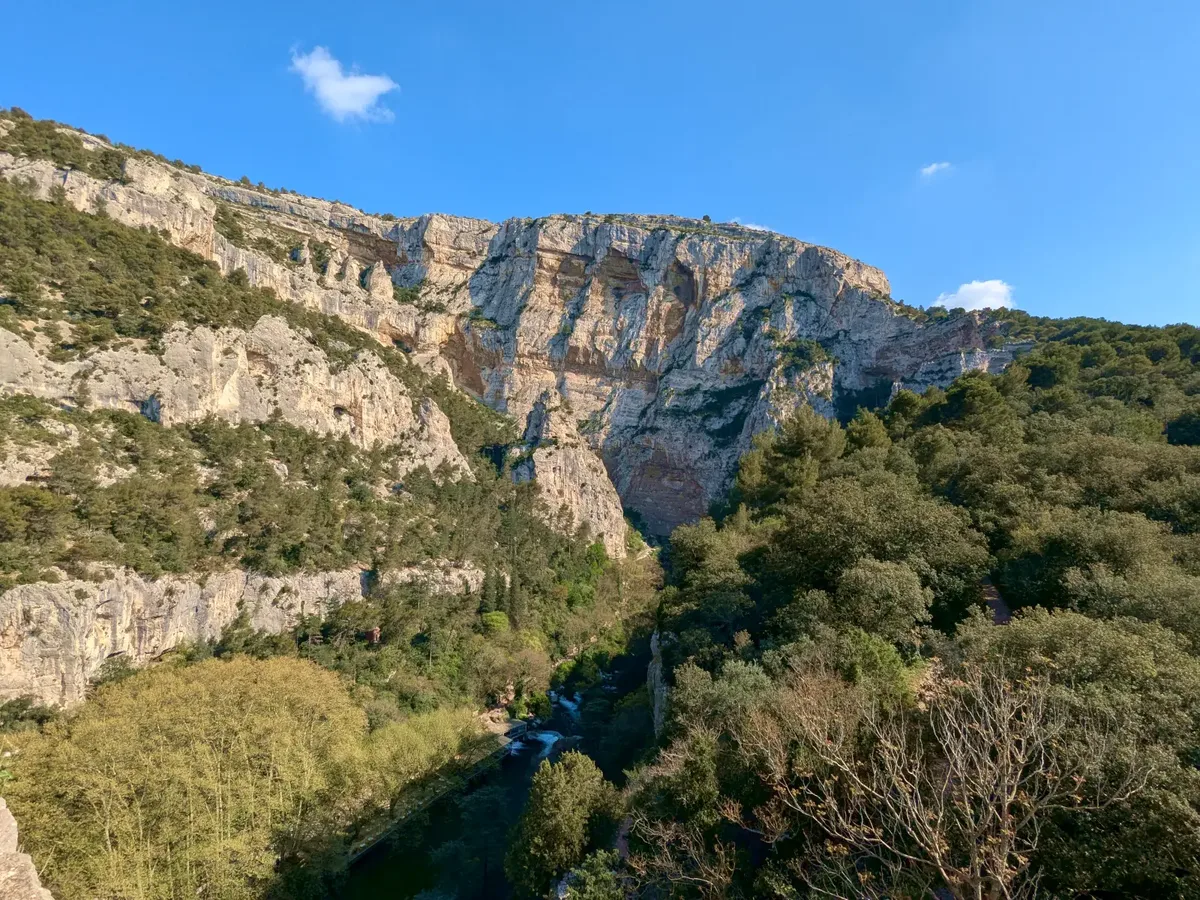
Nothing at the bottom of this cirque suggests the extent of the country that feeds the Sorgue. Rain falling on Mont Ventoux, the Monts de Vaucluse and the Albion plateau travels through the limestone before gathering here. At Fontaine-de-Vaucluse, that underground network has found a single outlet: the chasm at the foot of the cliff.
The name Vaucluse was born from this landscape enclosed by cliffs: Vallis Clausa, the closed valley. From the ruins of the Bishops’ Castle, limestone walls hold the valley floor; the Sorgue skips from rock to rock and slips under the trees towards the village, set where the valley opens onto the plain.
When the Sorgue rises from the chasm
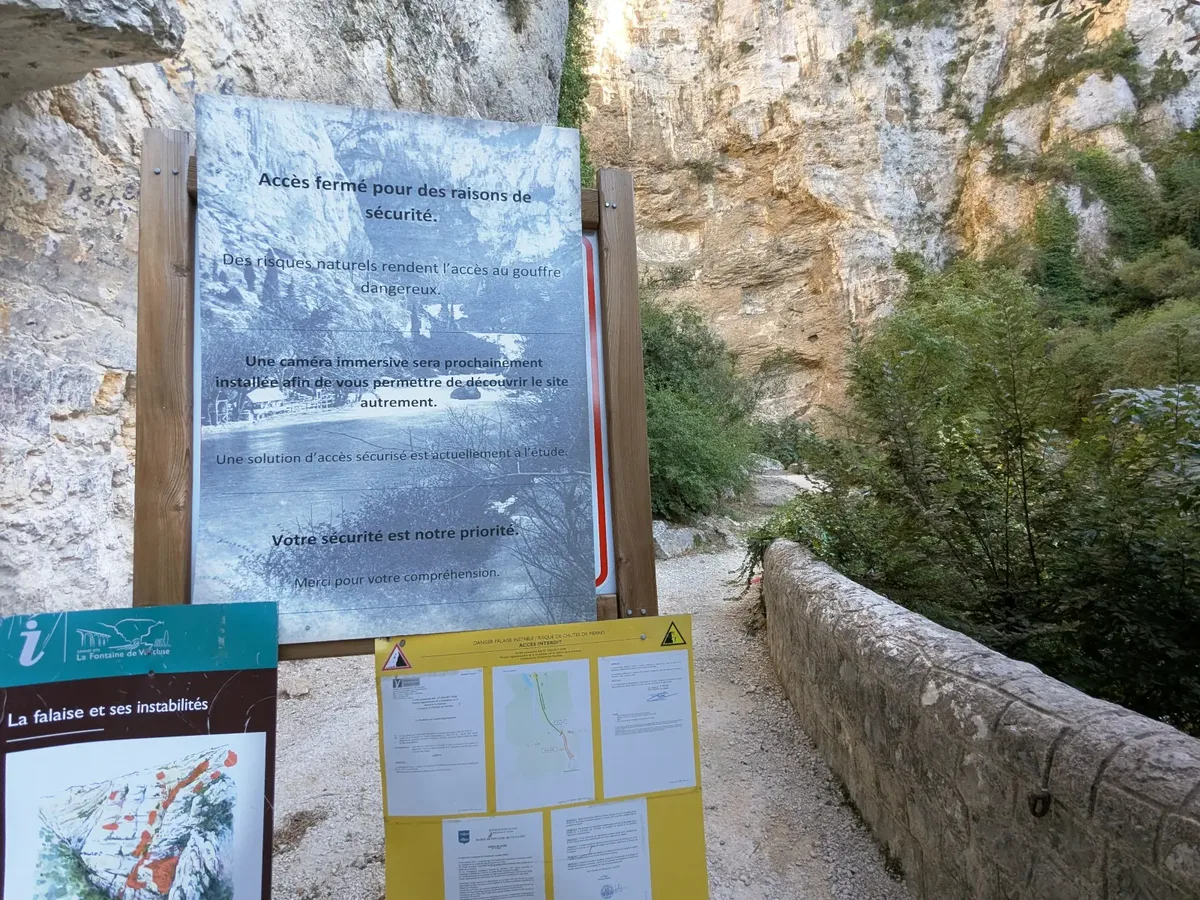
The level of the spring changes with the seasons and the rain that replenishes the karst network. In high water, the basin fills and overflows; the current strengthens and the river suddenly takes on a larger scale in the gorge. Flood marks cut into the rock record these rises in the water. The final approach to the basin is now closed.
Surveys on the cliff above the chasm revealed instability that exposes the path to falling stones and blocks. A video installation is planned to offer another way of seeing the site.
Putting the Sorgue to work
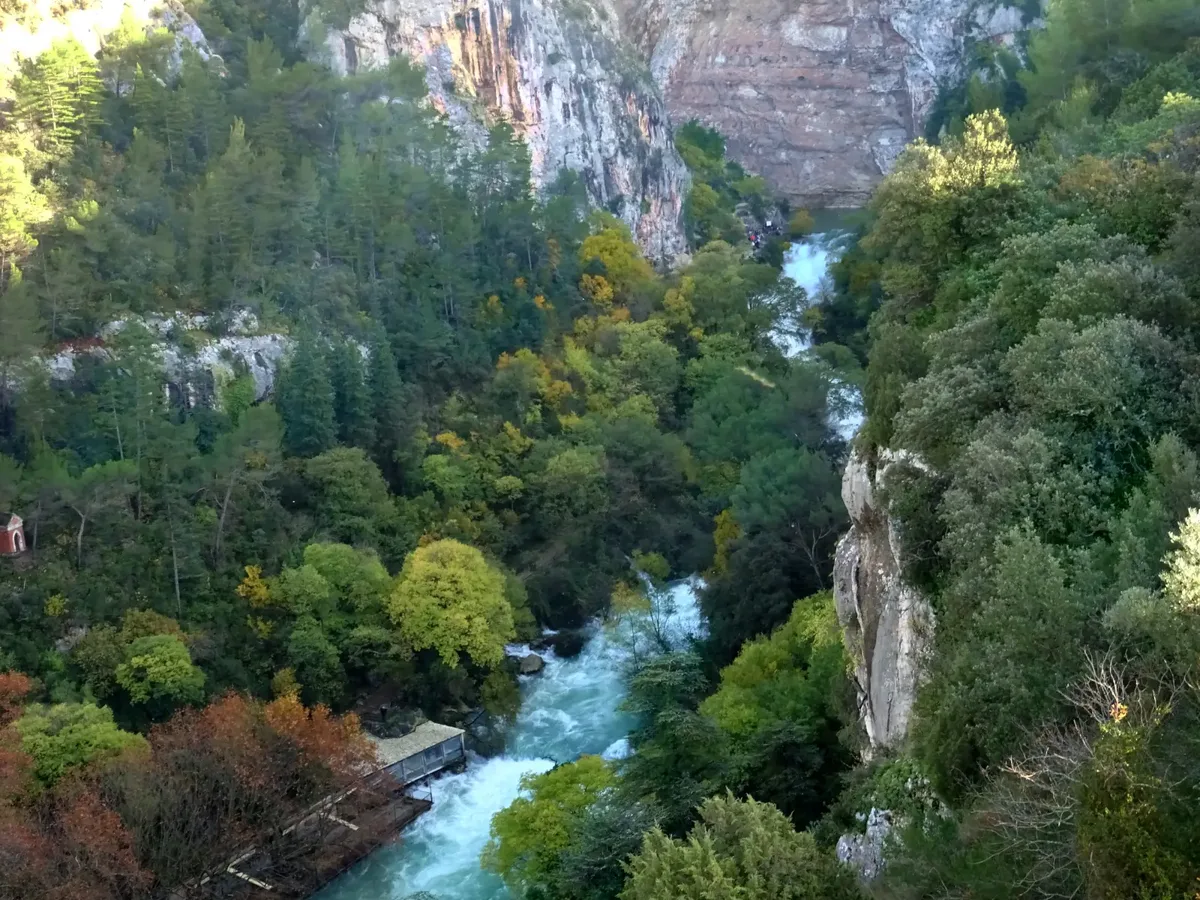
Further downstream, the river has been shaped by people: weirs hold back the water, channels lead it towards the mills, and stonework supports the village terraces above the current.
This dependable force long sustained Fontaine-de-Vaucluse, though it is less visible today behind the village façades. Water wheels turned flour, oil and paper mills; along the river, millraces — channels that carried part of the water to the wheels — distributed the power of the current, without coal or steam engines. Downstream, the water wheels of L’Isle-sur-la-Sorgue extend that industrial story.
Long before the mills, a Roman channel already carried water from the Sorgue. Its remains on the left bank recall that the water first served to irrigate the land opening beyond the village.
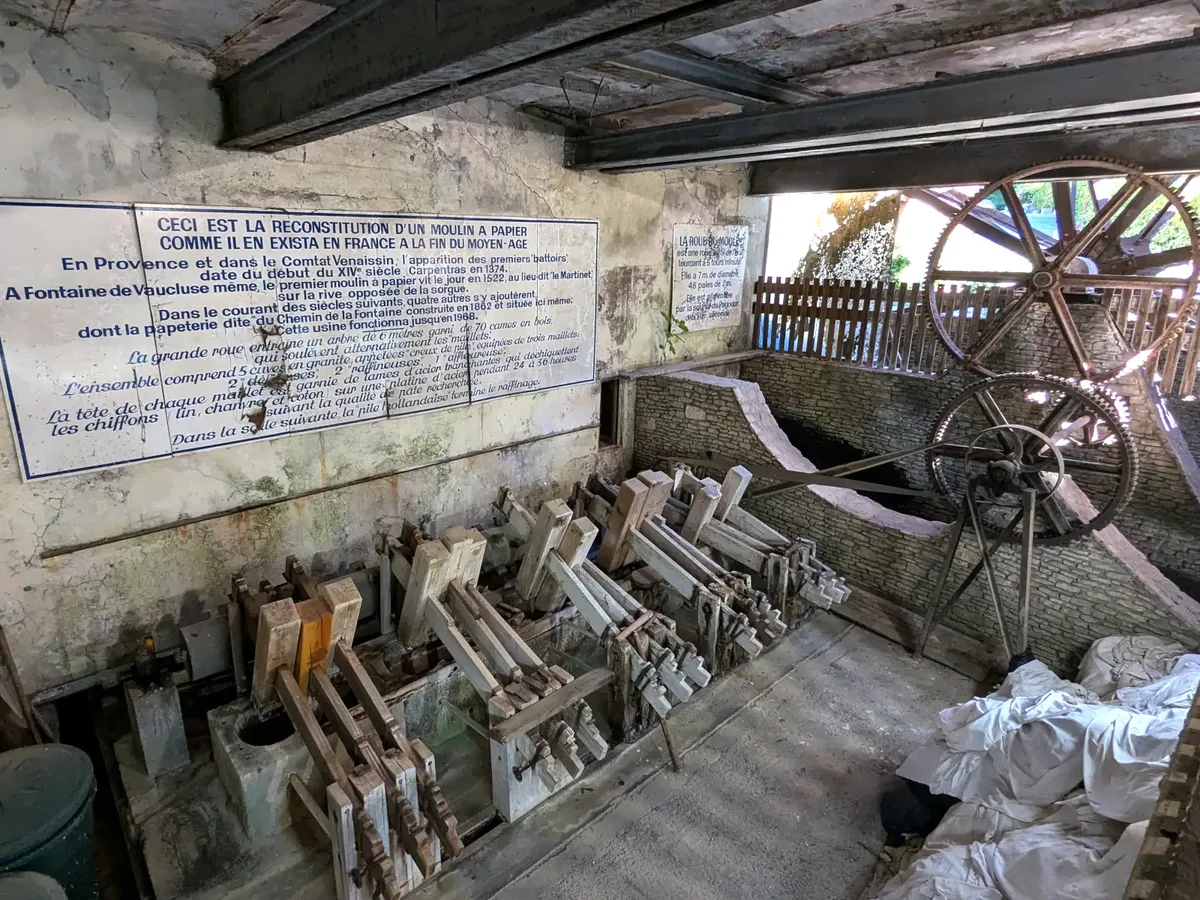
Paper left the most lasting mark on local industry. Provence’s first paper mill was established in Carpentras in 1374, but Fontaine-de-Vaucluse became one of the region’s main places of production in the centuries that followed. At the Vallis Clausa mill, the wheel still drives stampers that beat rags in water until they become pulp. The sheets are formed one by one, pressed, then hung upstairs to dry.
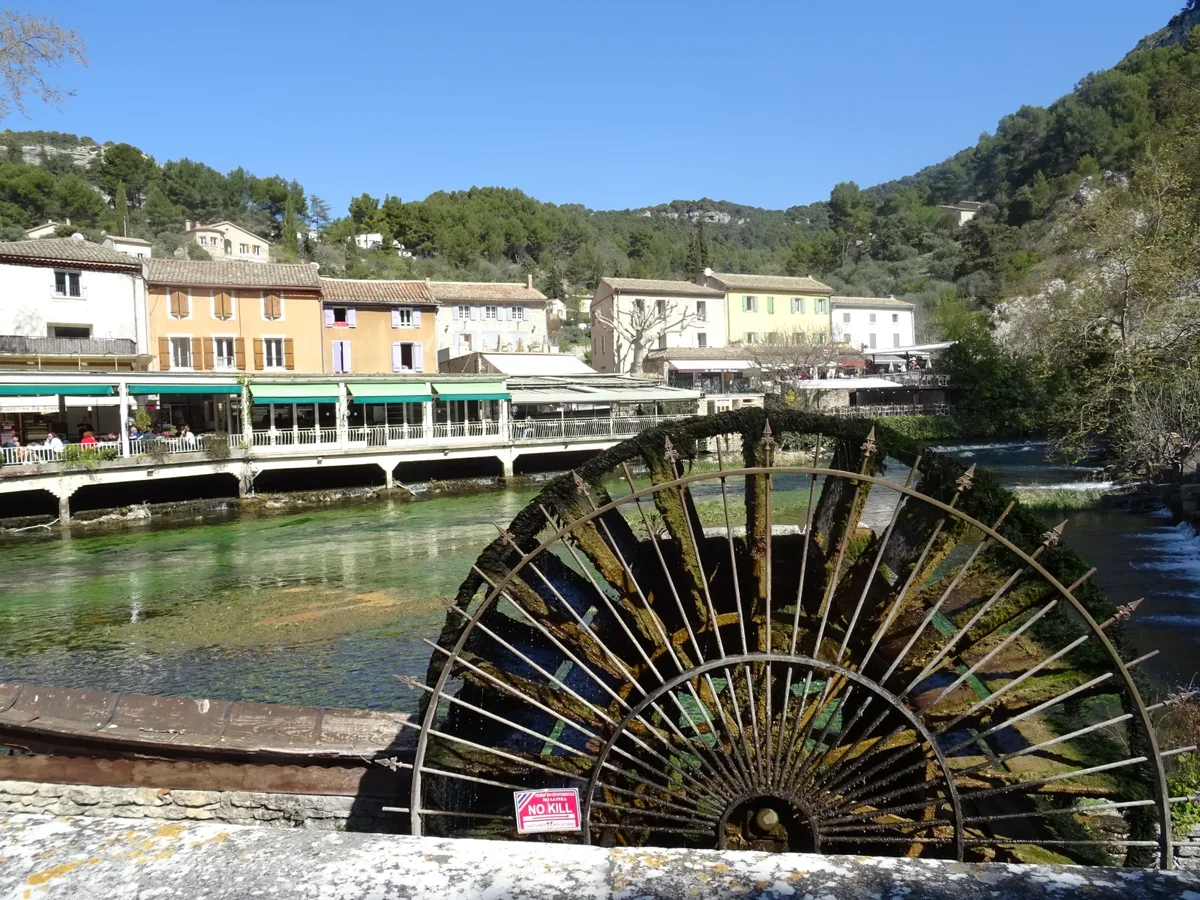
Petrarch remains part of the village
In 1338, Petrarch settled in the valley to step away from the bustle of the papal court in Avignon. By the Sorgue, he found a place to read, write and work away from the city.
After him, the valley continued to attract writers and artists: Chateaubriand, George Sand, René Char, Braque and Giacometti.
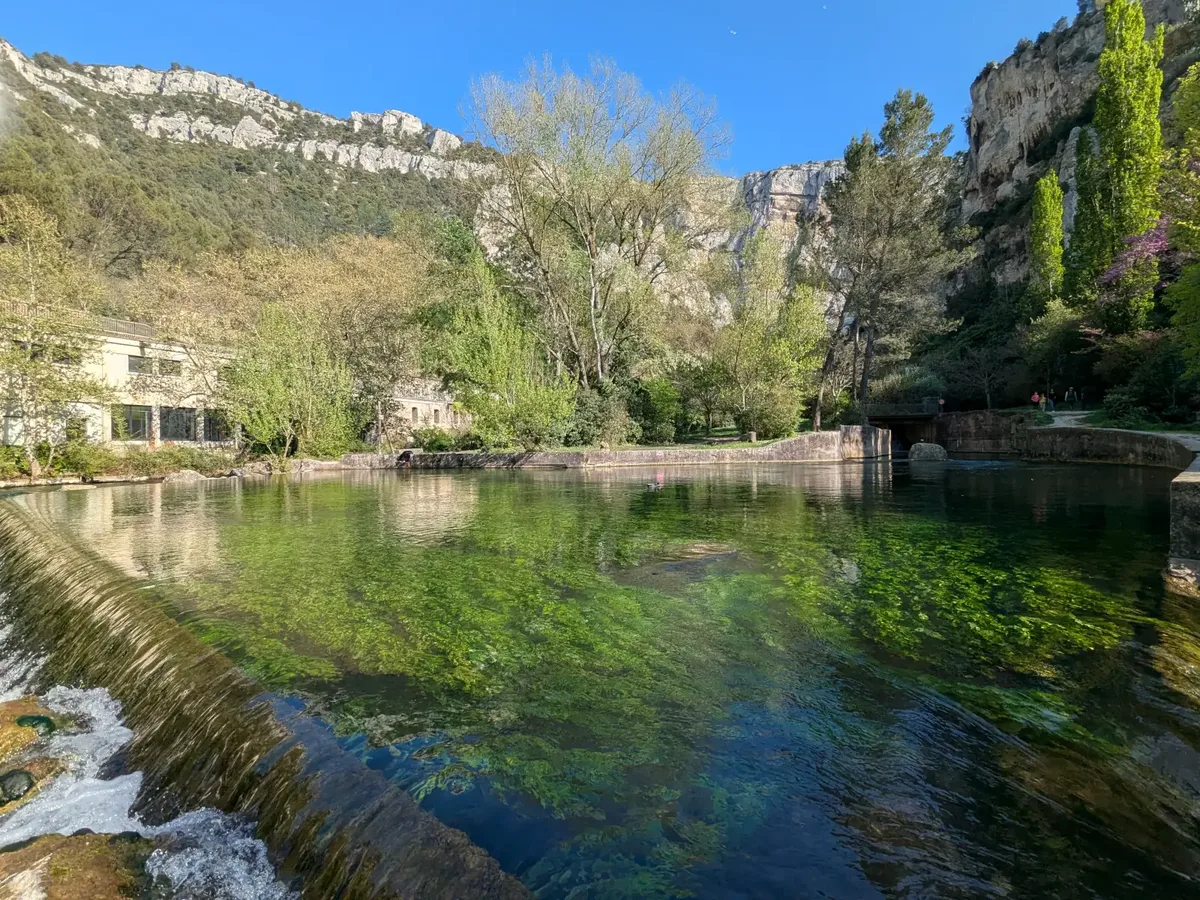
On the left bank of the Sorgue, the garden of the François-Pétrarque Museum-Library stretches between water and cliff. The museum holds old editions, drawings and prints devoted to Petrarch, Laure and Fontaine-de-Vaucluse.
Life along the Sorgue today
Fontaine-de-Vaucluse is above all a popular place to relax. The Fontaine path runs beside the river, between café and restaurant terraces, old village houses and the trees along the Sorgue. It leads to the spring; higher up, paths reach the cliffs, the garrigue and the landscapes of the Monts de Vaucluse.
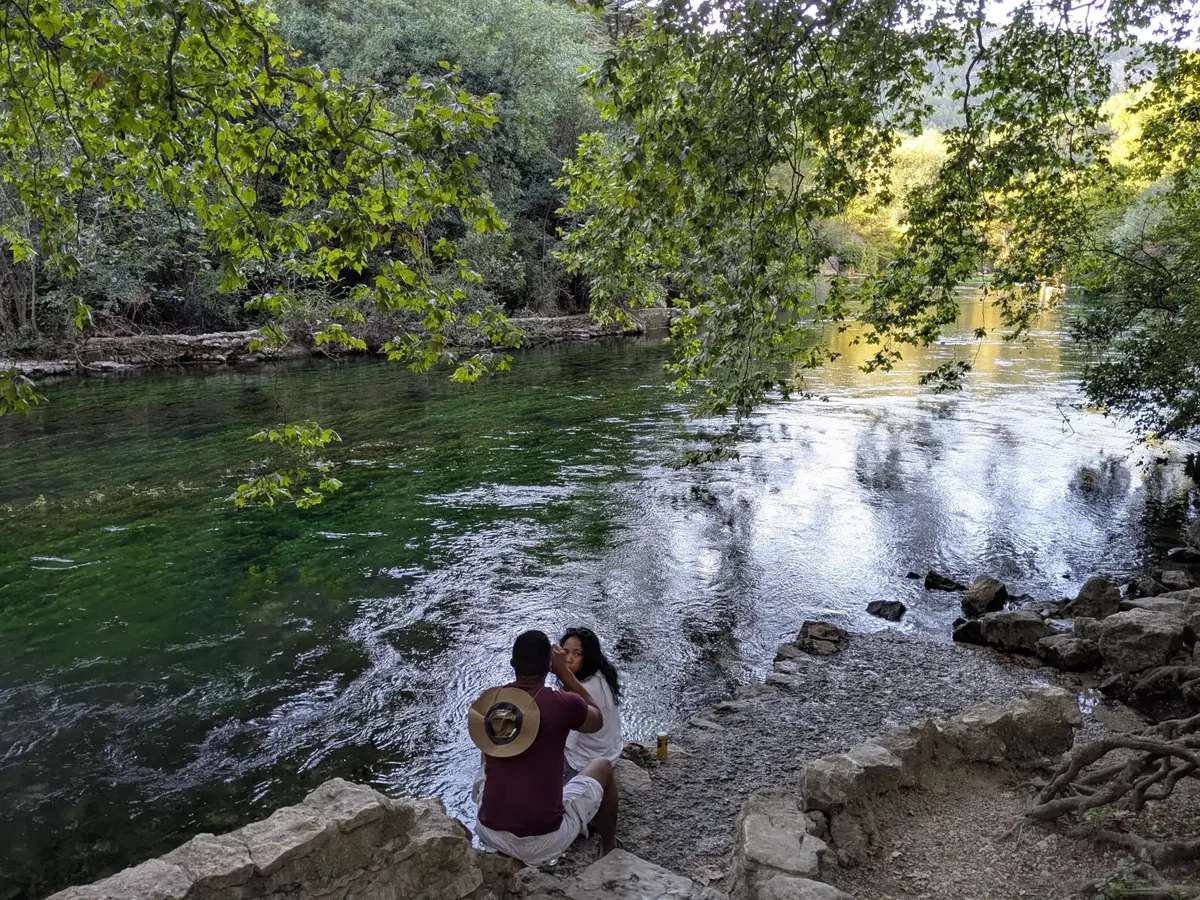
On the water, a canoe or kayak trip links Fontaine-de-Vaucluse with L’Isle-sur-la-Sorgue, passing near the Partage des Eaux. The eight-kilometre route depends on water levels and navigation conditions.
Visitor information
Getting to Fontaine-de-Vaucluse
- Access
- The D25 leads to the village at the entrance to the closed valley. The Fontaine path then runs through the village beside the Sorgue.
- Parking
- Car parks are paid. Payment is made at the machines on arrival.
Access and navigation conditions can change. Before visiting, check the municipal parking information, the Sorgue navigation conditions and the walking notes.
Extend your stay
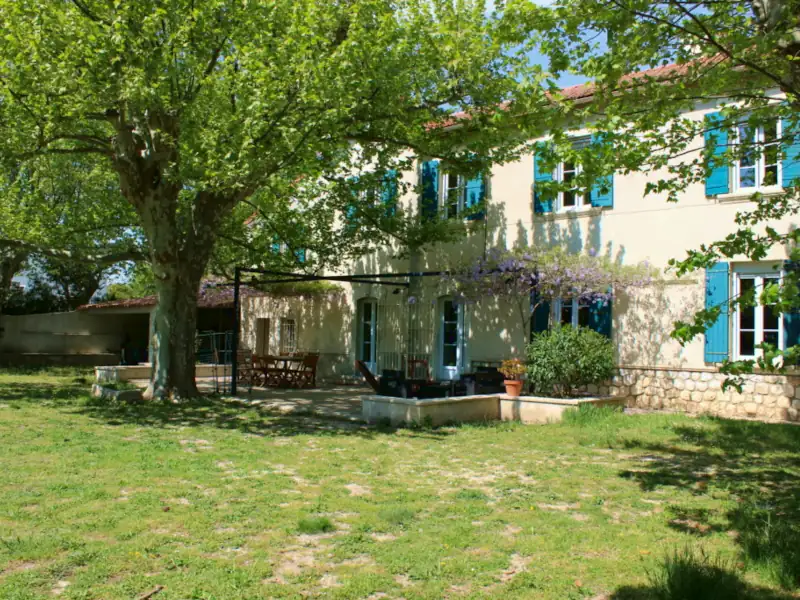
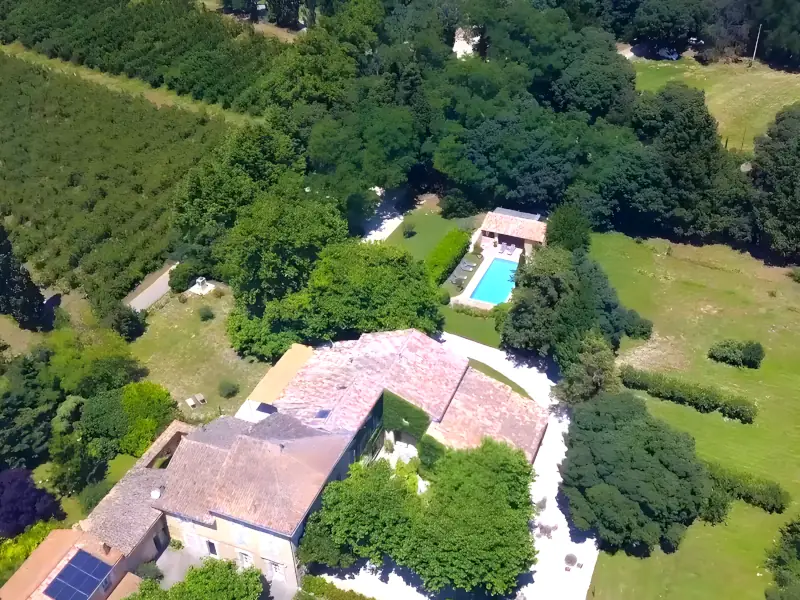
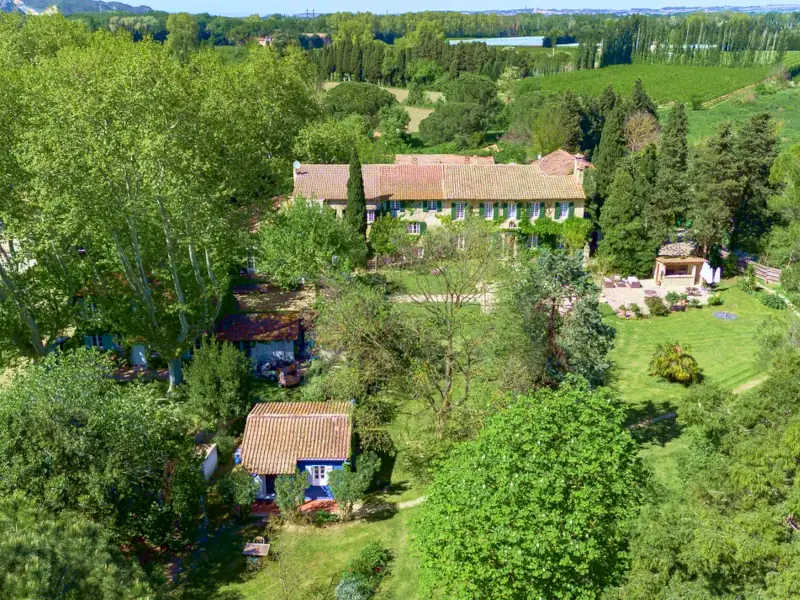
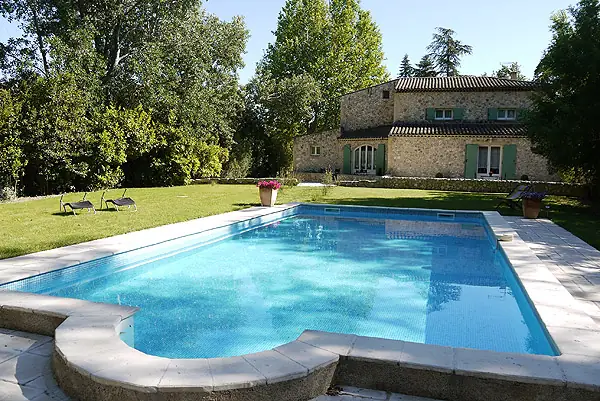
Guest houses around Fontaine-de-Vaucluse
These properties listed on the Portal are within 25 km as the crow flies of the location featured in this getaway. Visit their websites to plan your stay.
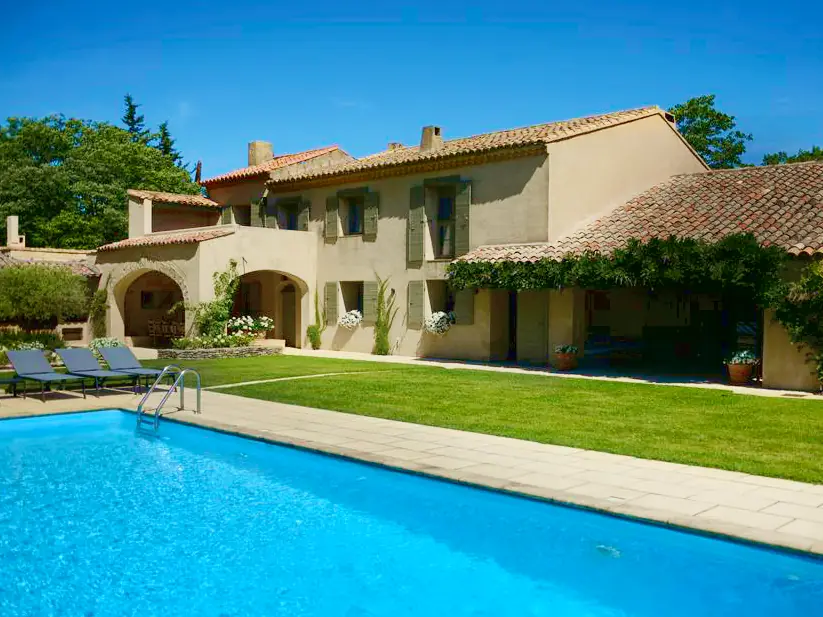
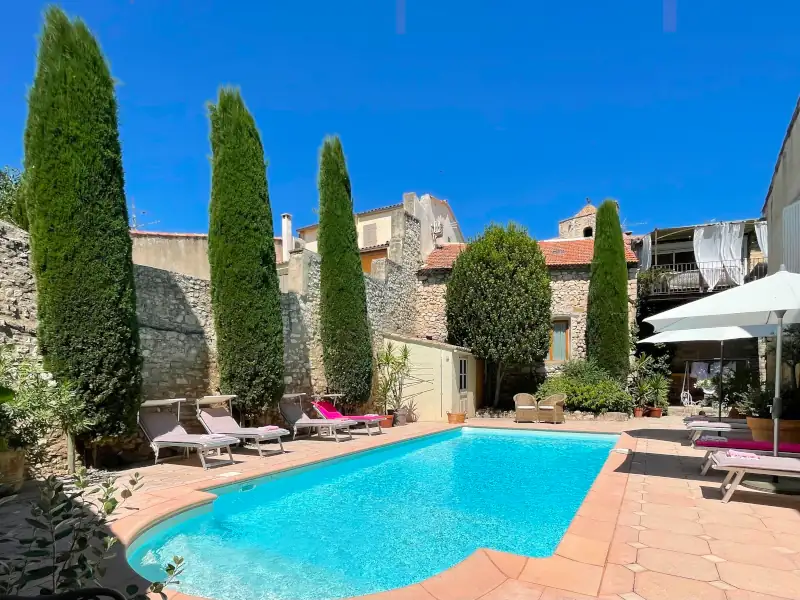
Four de Cony
Charming bed and breakfast
Saumane de Vaucluse
Visit website
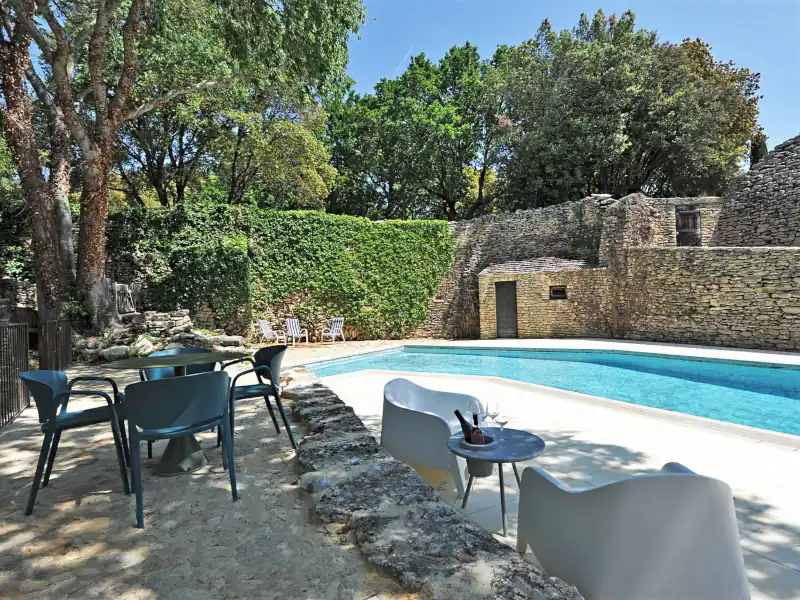

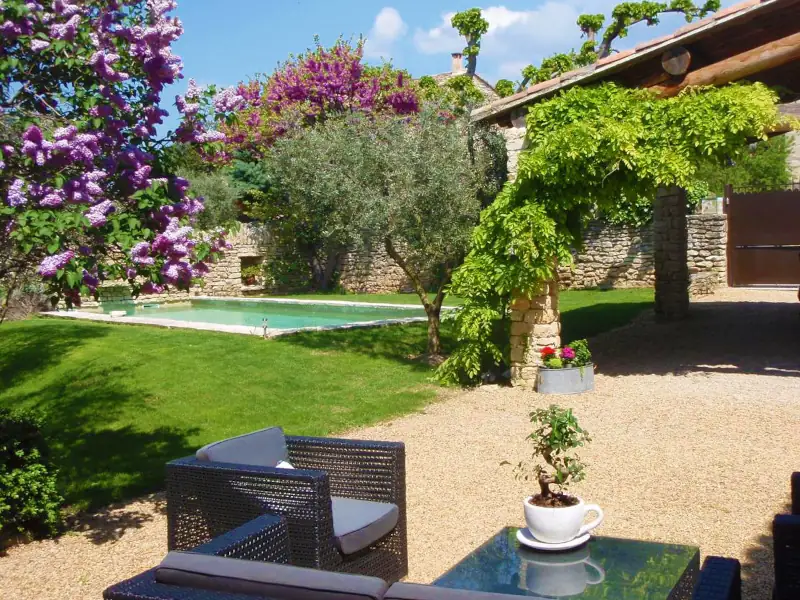


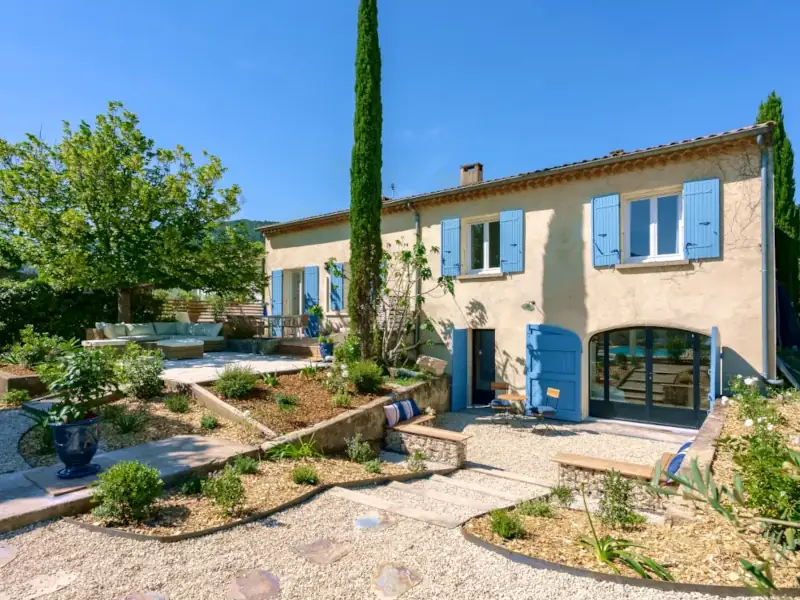

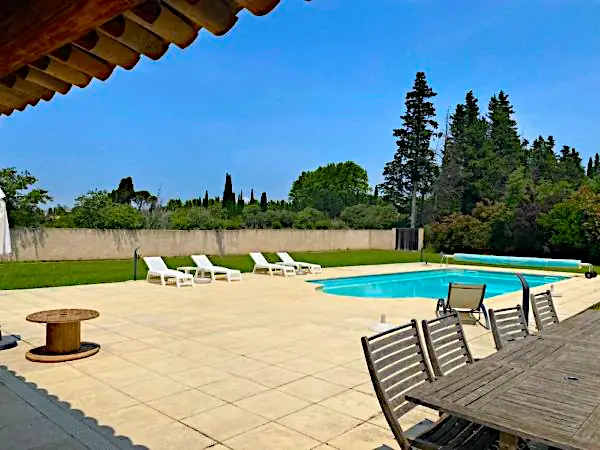
Le Pavillon du Lantana
Holiday home
Les Taillades
Visit website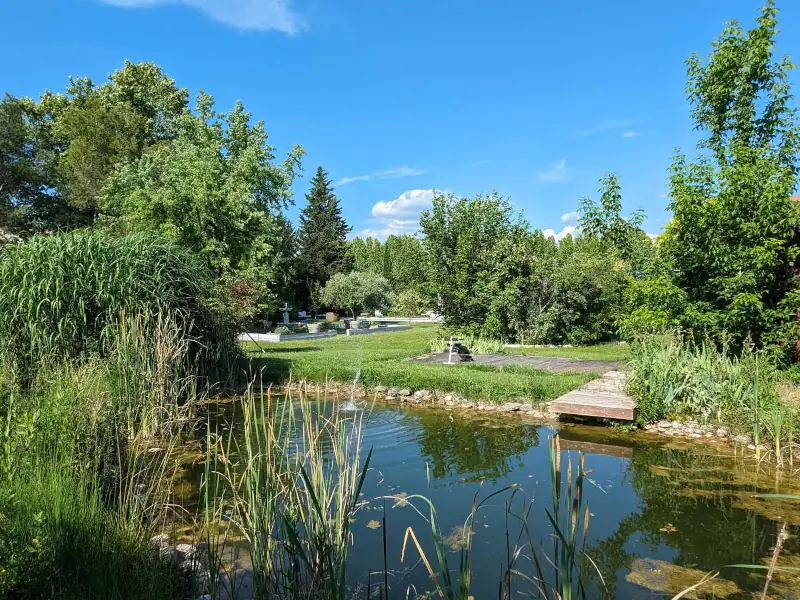

La Bergerie du Luberon
Charming holiday home
Les Taillades
Visit website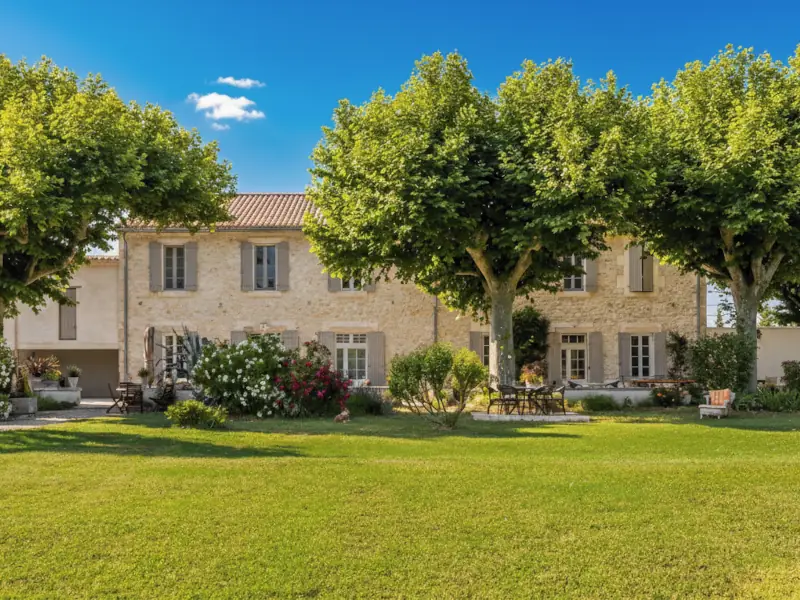
La Bastide des Amouriers
Charming bed and breakfast and Gite
Caumont-sur-Durance
Visit website
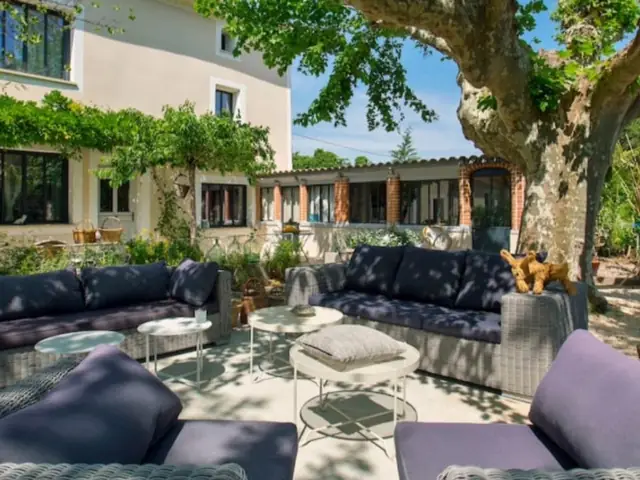
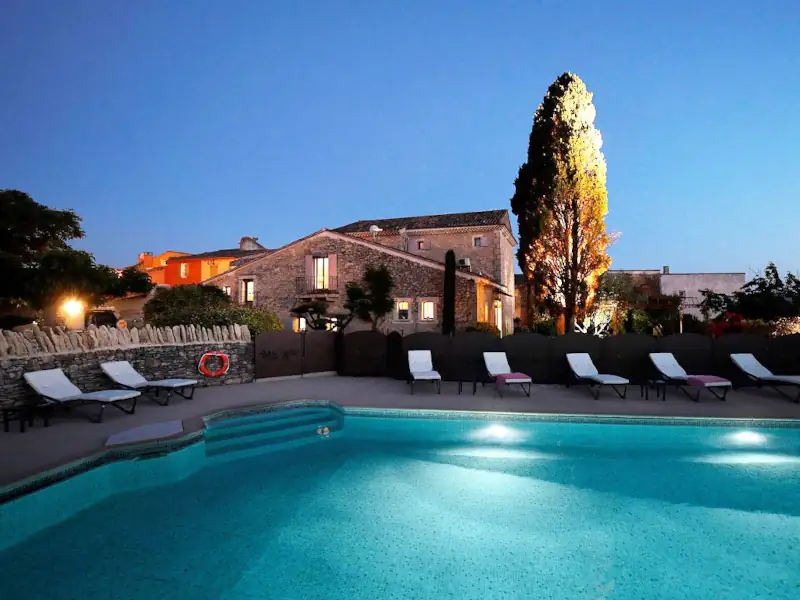
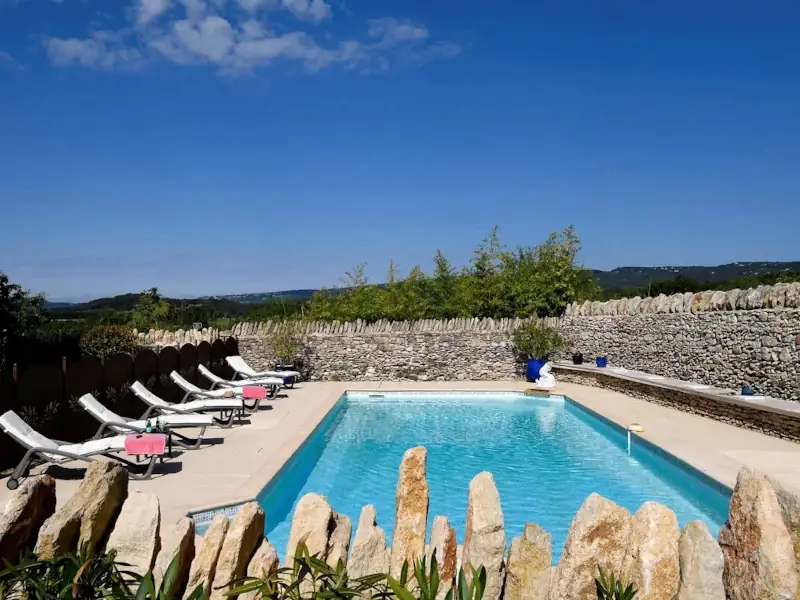
Gîte des Demoiselles
Charming Gite
Roussillon
Visit website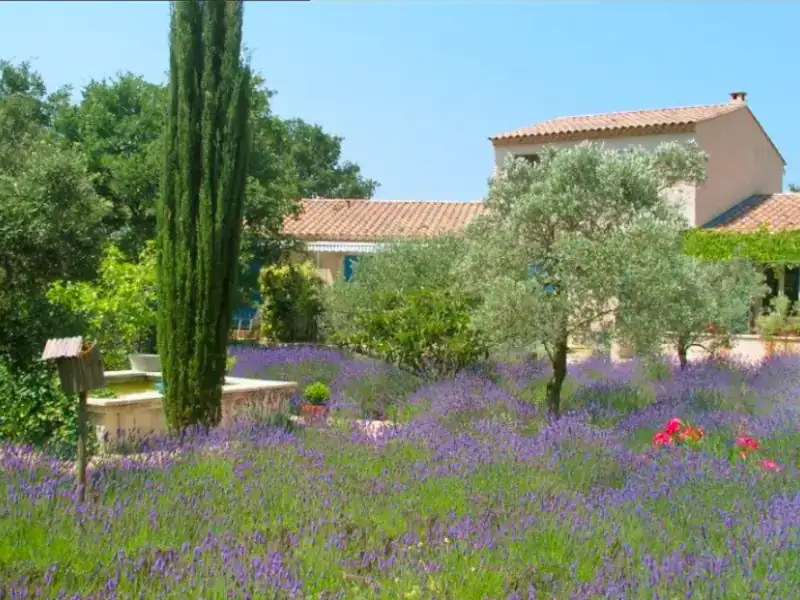
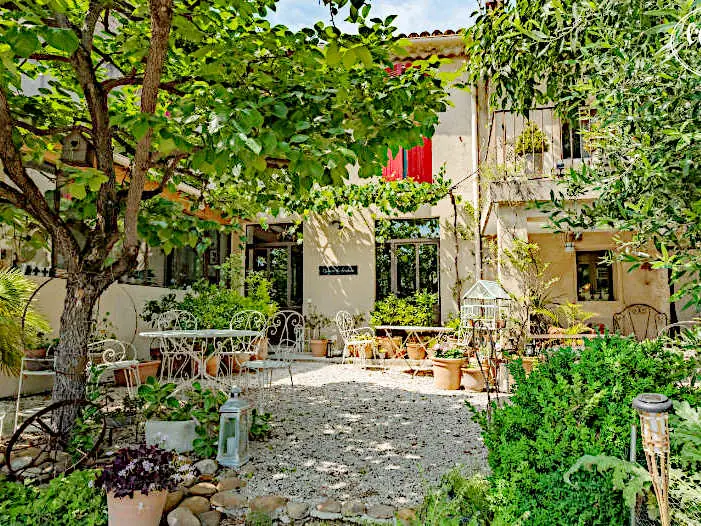
L'Oréliane
Charming Bed and breakfast
Châteauneuf de Gadagne
Visit website
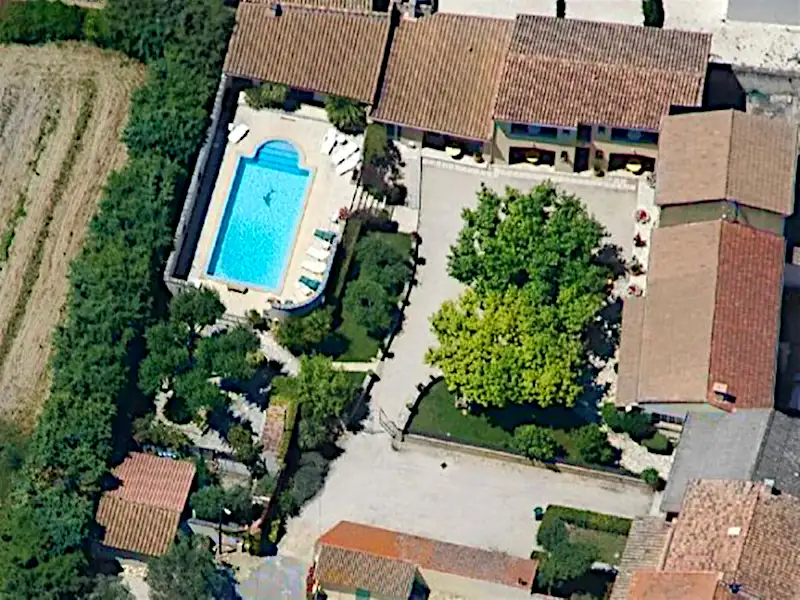
Le Mas de l'Amandier
Charming Bed and breakfast and holiday rental
St Saturnin lès Avignon
Visit website