A getaway in L’Isle-sur-la-Sorgue
The water wheels, an industrial legacy of L’Isle-sur-la-Sorgue
Text and photographs by Vincent Flachaire
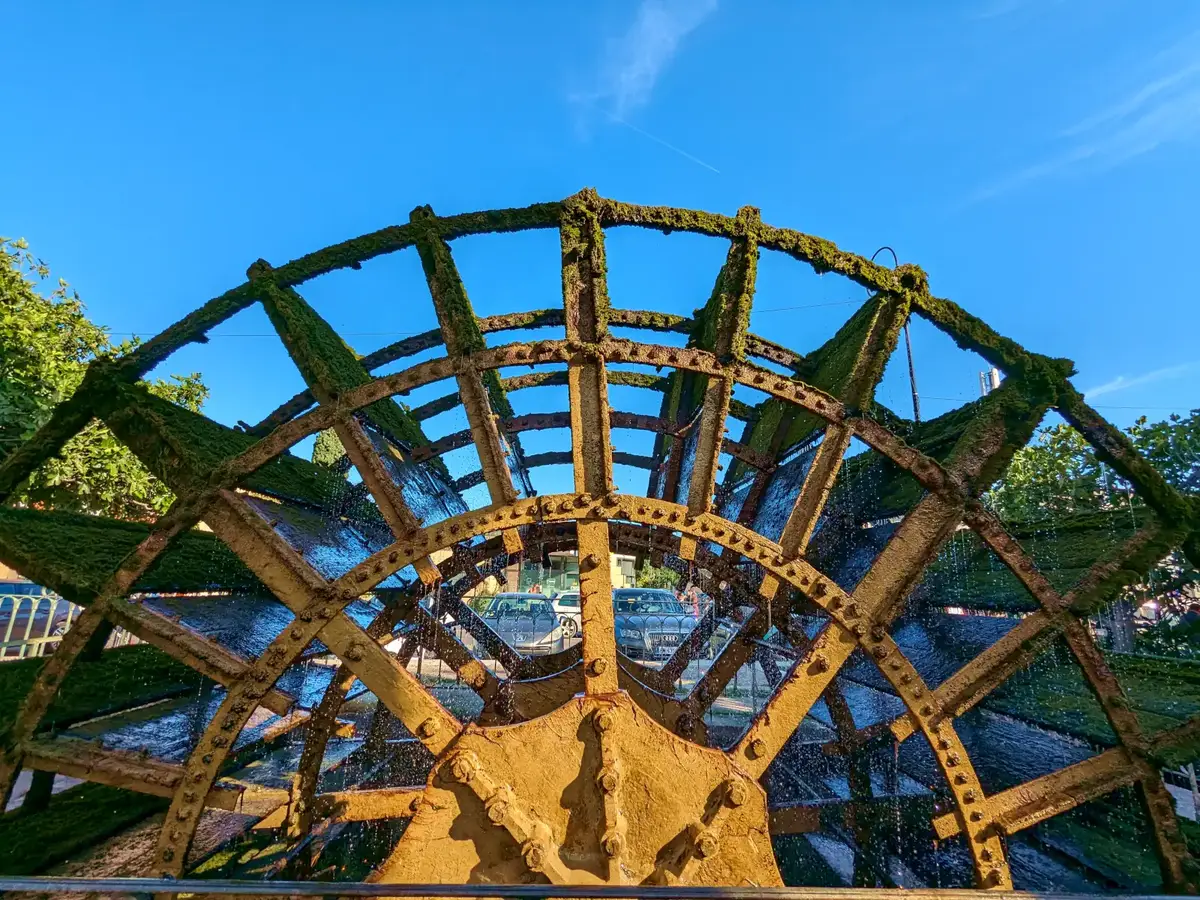
Fourteen moss-covered water wheels still turn along the canals of the old town. Driven by the current of the Sorgue, they helped make L’Isle-sur-la-Sorgue a manufacturing town.
The Sorgue, power for mills and factories
Local tradition tells of a fishing community settling on this plain crossed by water. From the Middle Ages onwards, woollen cloth from the Monts de Vaucluse was fulled and finished in mills powered by the Sorgue. The wheels also drove flour mills, paper mills, silk-spinning mills, sawmills and a range of workshops. By the end of the 19th century, several hundred people worked in the town’s factories.
The spread of water wheels accompanied the industrial growth of the 19th century. Between 1810 and 1880, L’Isle-sur-la-Sorgue had as many as 62 wheels on its canals, including seventeen on the Canal de l’Arquet alone.
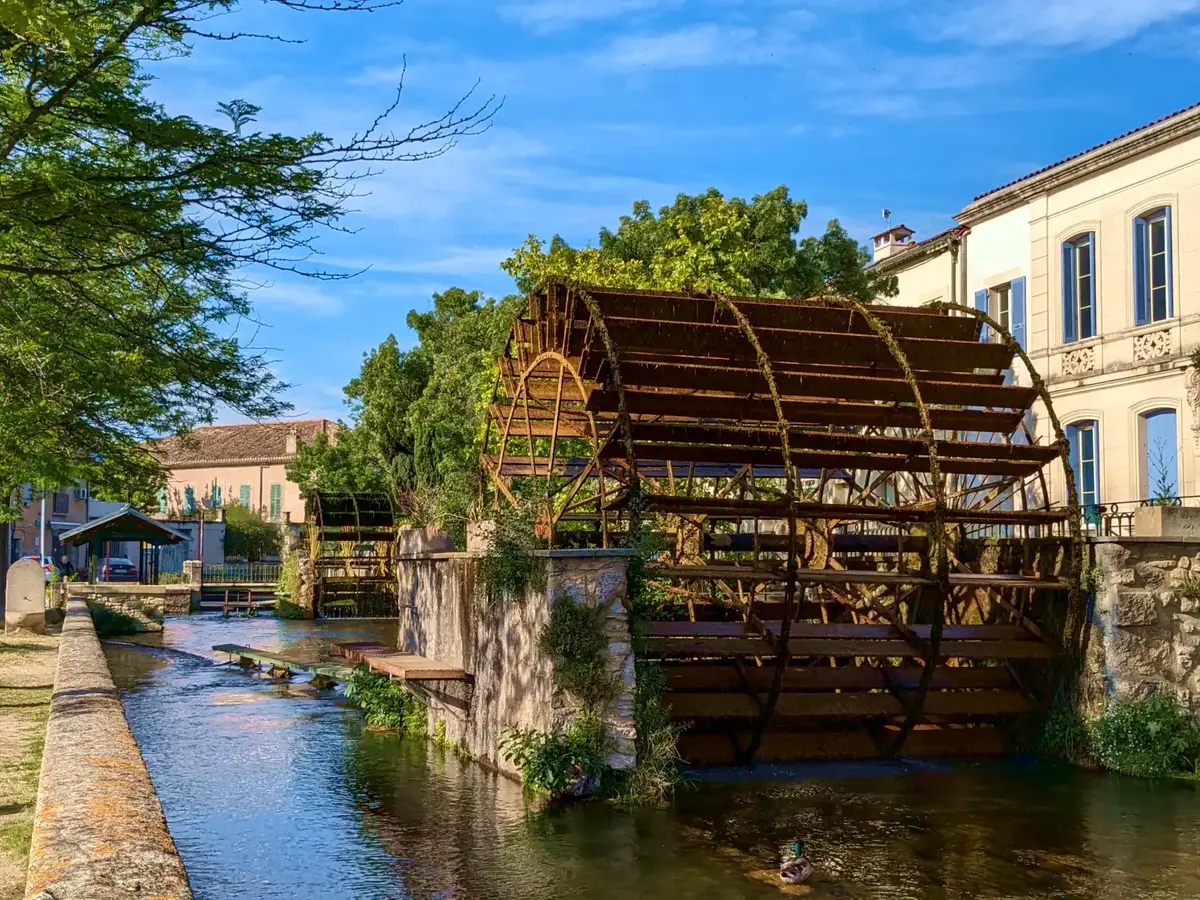
In Rue des Roues, the legacy of an industrial town
The Canal de l’Arquet crosses the old town and runs alongside Rue Théophile-Jean, still known as Rue des Roues. Here the density of the former system becomes clear: wheels once stood in succession outside mills and factories, connected to their machinery by drive shafts. Some were also used to raise water for domestic needs or to irrigate gardens.
The factories gradually closed in the mid-20th century. Electricity and modern industrial processes displaced the direct mechanical transmission of water power, while the town’s factories were slow to update their equipment.
The fourteen surviving wheels no longer drive machinery, but the Sorgue continues to turn them. Mineral deposits and moss thicken their spokes; as the paddles emerge from the canal, water runs from them in even streams. Regular maintenance preserves both a piece of mechanical heritage and a familiar presence in the town.
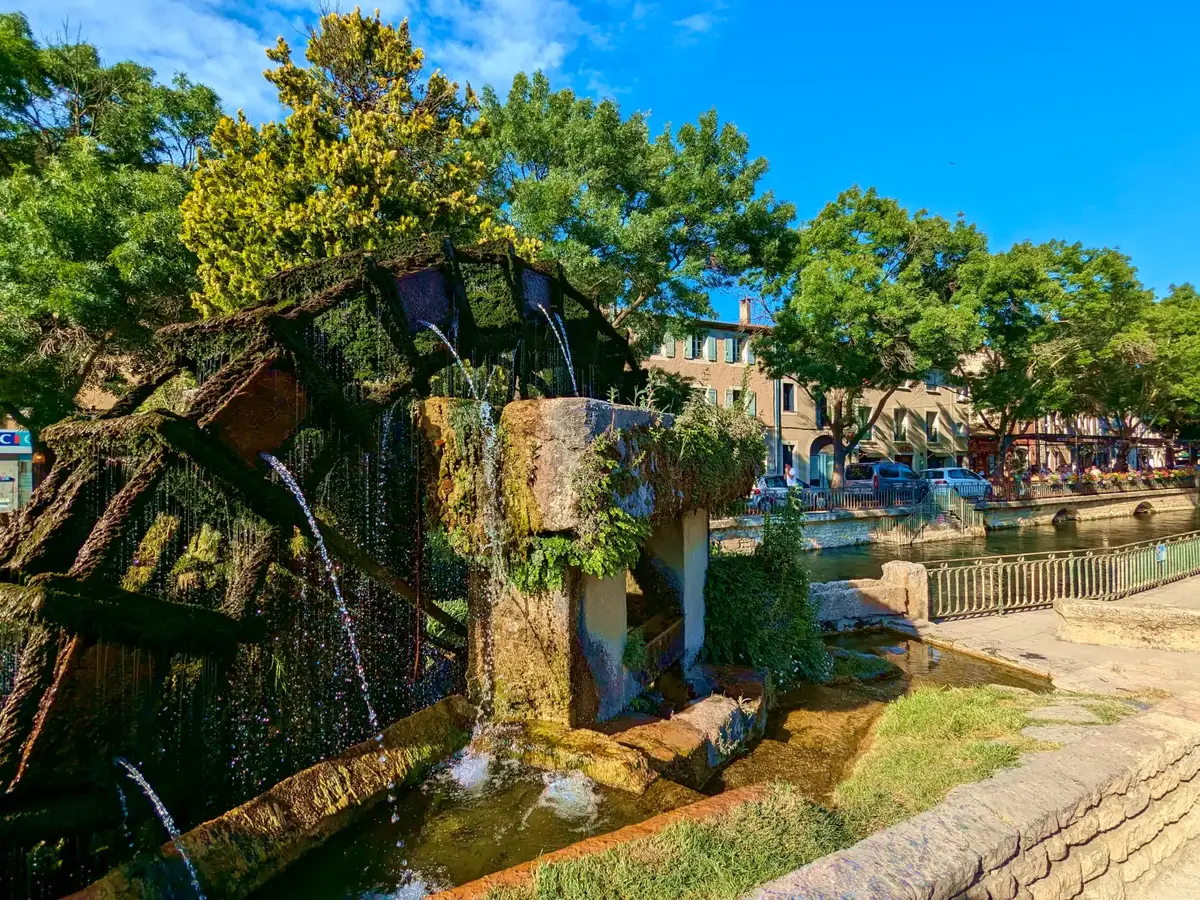
Following the wheels through the old town
The route leads from narrow canals to broader quays, past low bridges, gardens and façades built beside the water. From the late 1960s onwards, the town turned towards markets, the antiques trade and galleries. The Easter and August antiques fairs continue this commercial story, while the Sunday market fills the streets and squares of the old town.
Away from the bustle of market days, the quays are clear and the eye follows the course of the canals. Clear water runs swiftly. Its murmur can be heard as the paddles of the wheels rise behind a low wall or a screen of trees. The wheels vary greatly in form: a broad metal framework above the canal, a wheel almost buried beneath moss or an isolated mechanism beside a public garden.
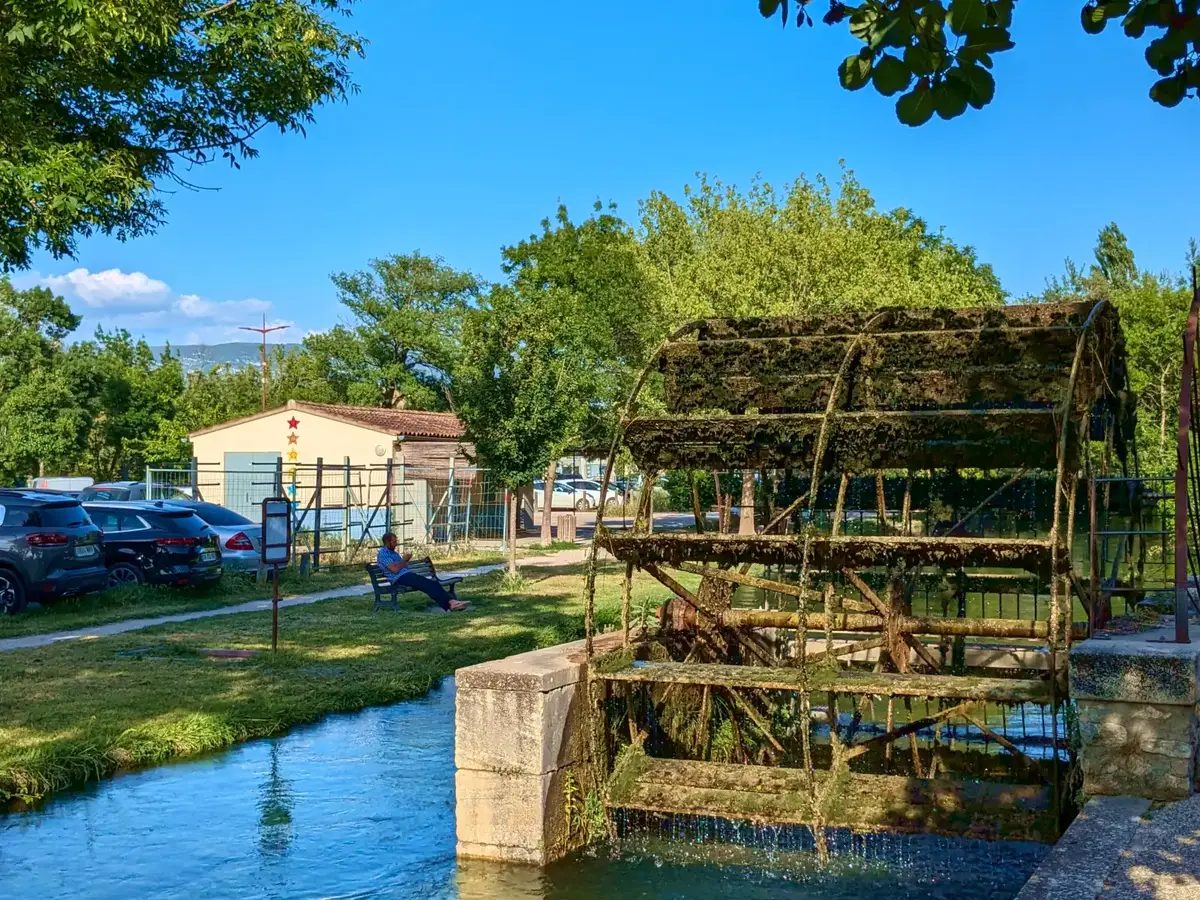
Further into the Pays des Sorgues
The share of water that turns these wheels is settled upstream, at the Partage des Eaux, where two stone weirs divide the river. From L’Isle-sur-la-Sorgue, the river can be followed upstream to Fontaine-de-Vaucluse, overlooked by the ruins of the Bishops’ Castle. Around the town, Saumane-de-Vaucluse, Le Thor and Velleron extend the journey through canals, villages and landscapes shaped by the branches of the Sorgue.
Practical information
Following the water wheels in L’Isle-sur-la-Sorgue
- The water-wheel trail
- An easy trail, marked by interpretation panels, follows the canals and water wheels of the old town. It is freely accessible throughout the year.
- Parking
- The visit is best made on foot from the car parks around the centre. On market Sundays and fair days, arrive early and check the parking map.
The trail and parking arrangements may change. Check the tourist office information before you travel.
Extend your stay
Bed and breakfasts around L’Isle-sur-la-Sorgue
These properties listed on the Portal are within 25 km as the crow flies of the location featured in this getaway. Visit their websites to plan your stay.
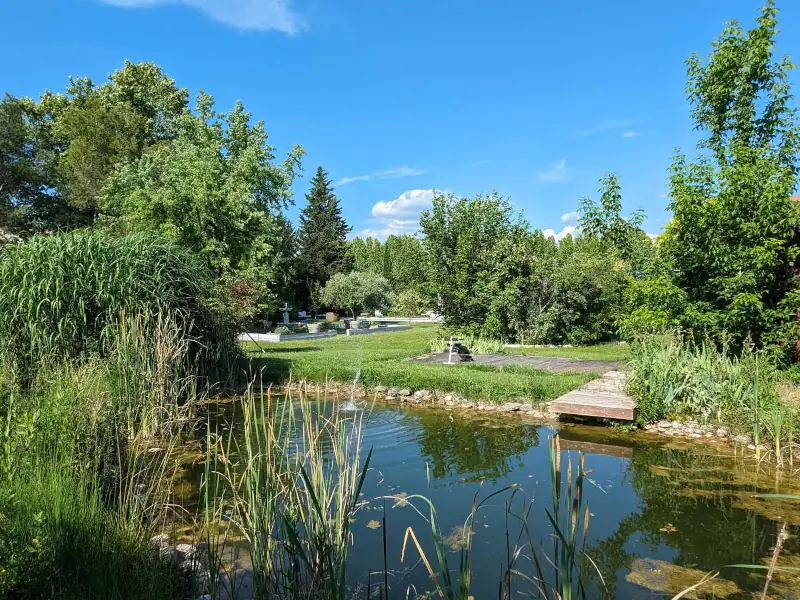
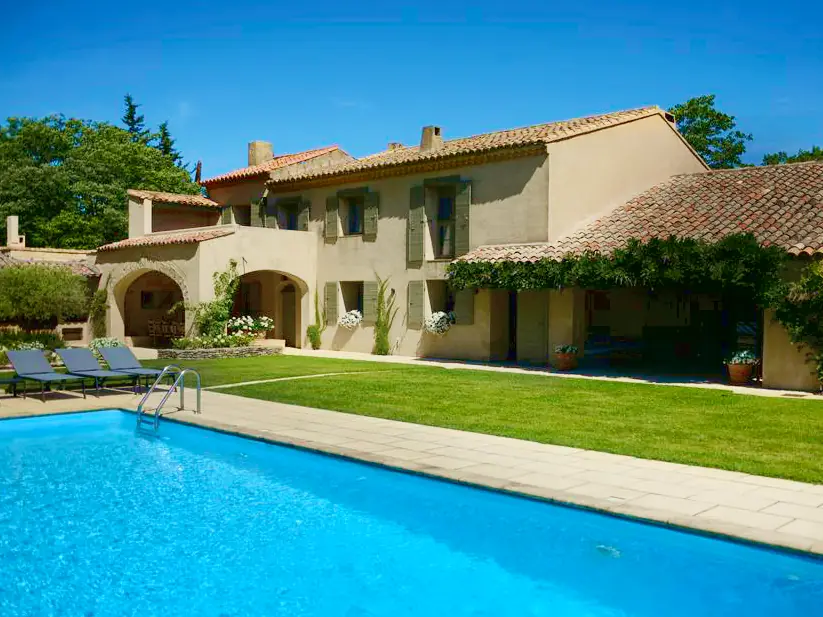
Four de Cony
Charming bed and breakfast
Saumane de Vaucluse
Visit website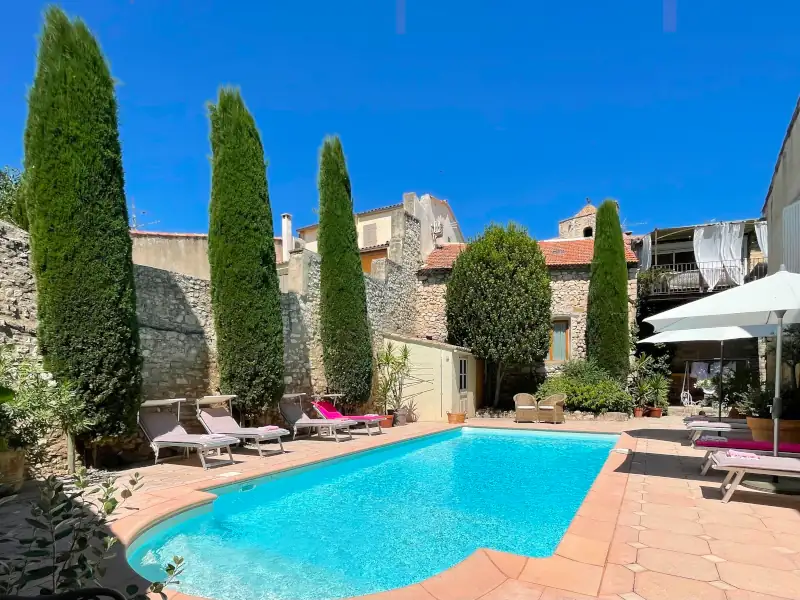


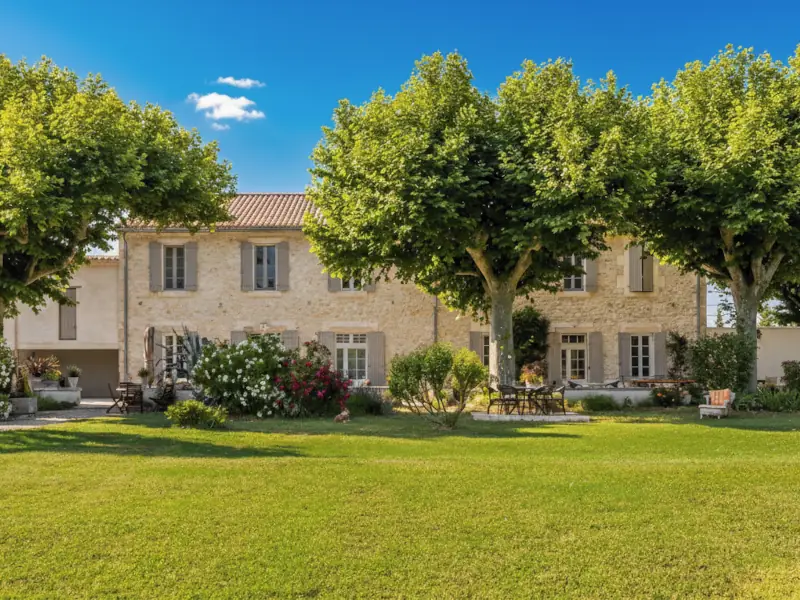
La Bastide des Amouriers
Charming bed and breakfast and Gite
Caumont-sur-Durance
Visit website
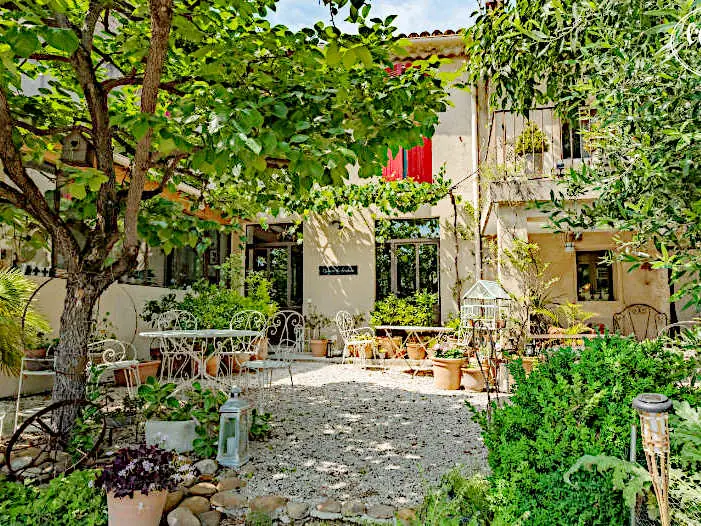
L'Oréliane
Charming Bed and breakfast
Châteauneuf de Gadagne
Visit website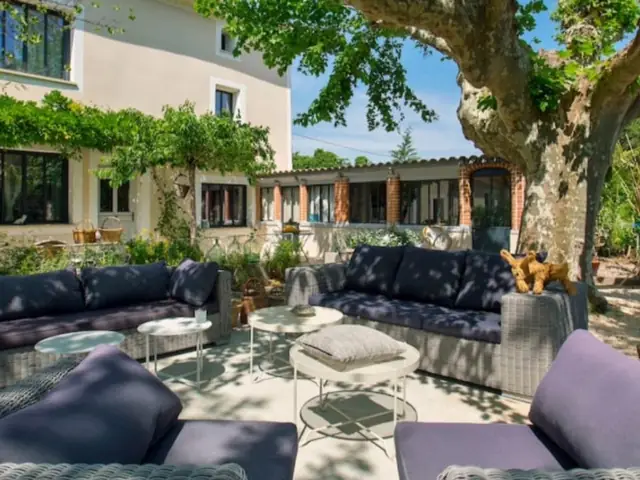

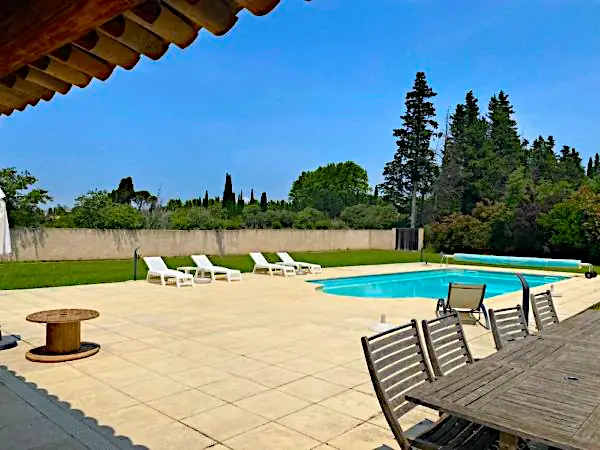
Le Pavillon du Lantana
Holiday home
Les Taillades
Visit website
La Bergerie du Luberon
Charming holiday home
Les Taillades
Visit website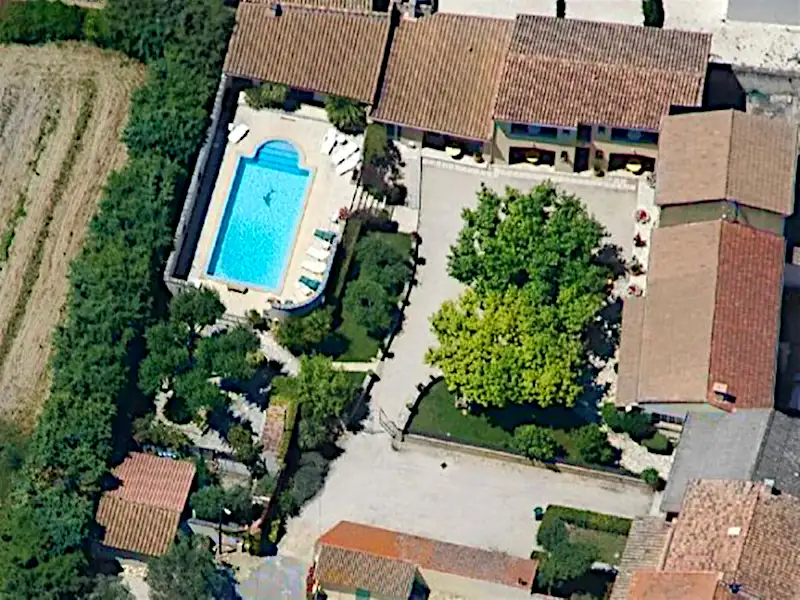
Le Mas de l'Amandier
Charming Bed and breakfast and holiday rental
St Saturnin lès Avignon
Visit website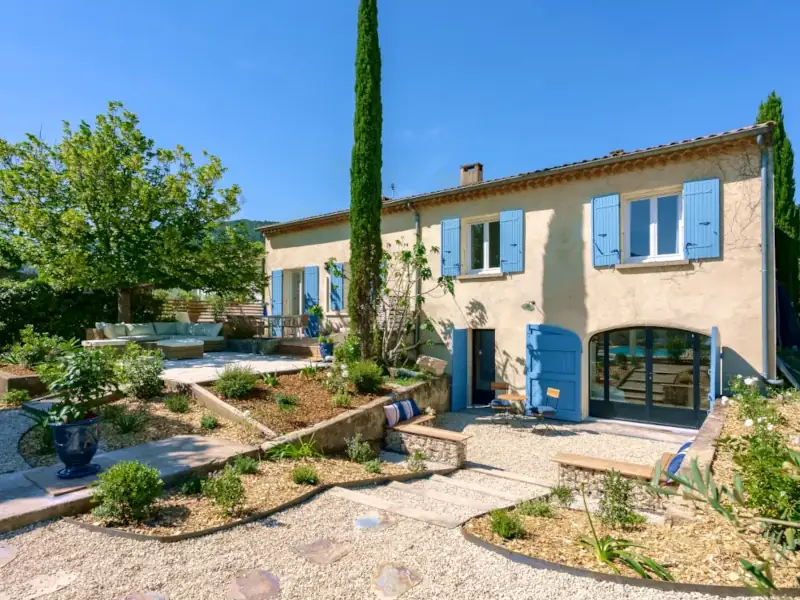


Gîte des Demoiselles
Charming Gite
Roussillon
Visit website