


A getaway in the Luberon
Lacoste, from Waldensian village to artists’ studios
Text and photographs by Vincent Flachaire
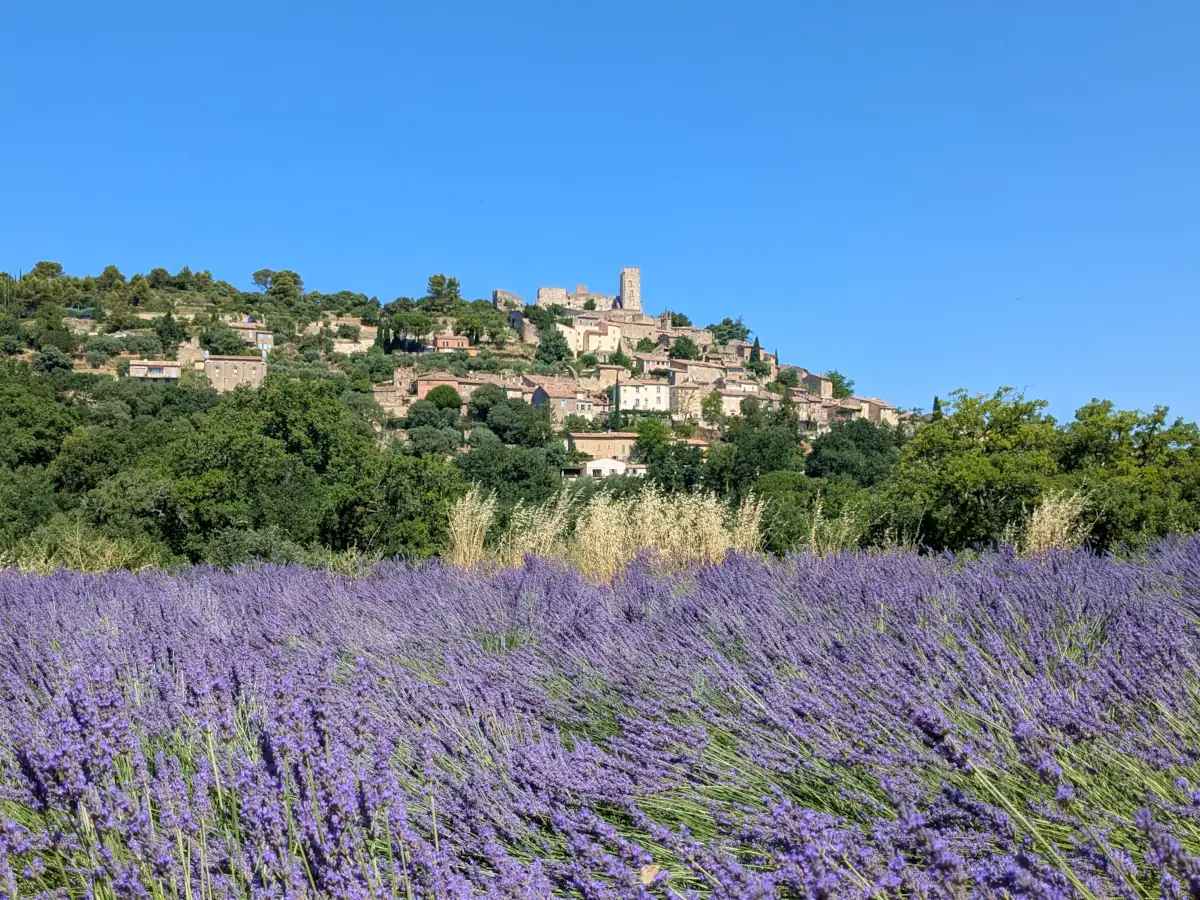
In Lacoste, cobbled lanes climb to the former château of the Marquis de Sade. Behind the old village’s stone façades, students and artists work in their studios.
Lacoste on its rocky spur, facing Bonnieux
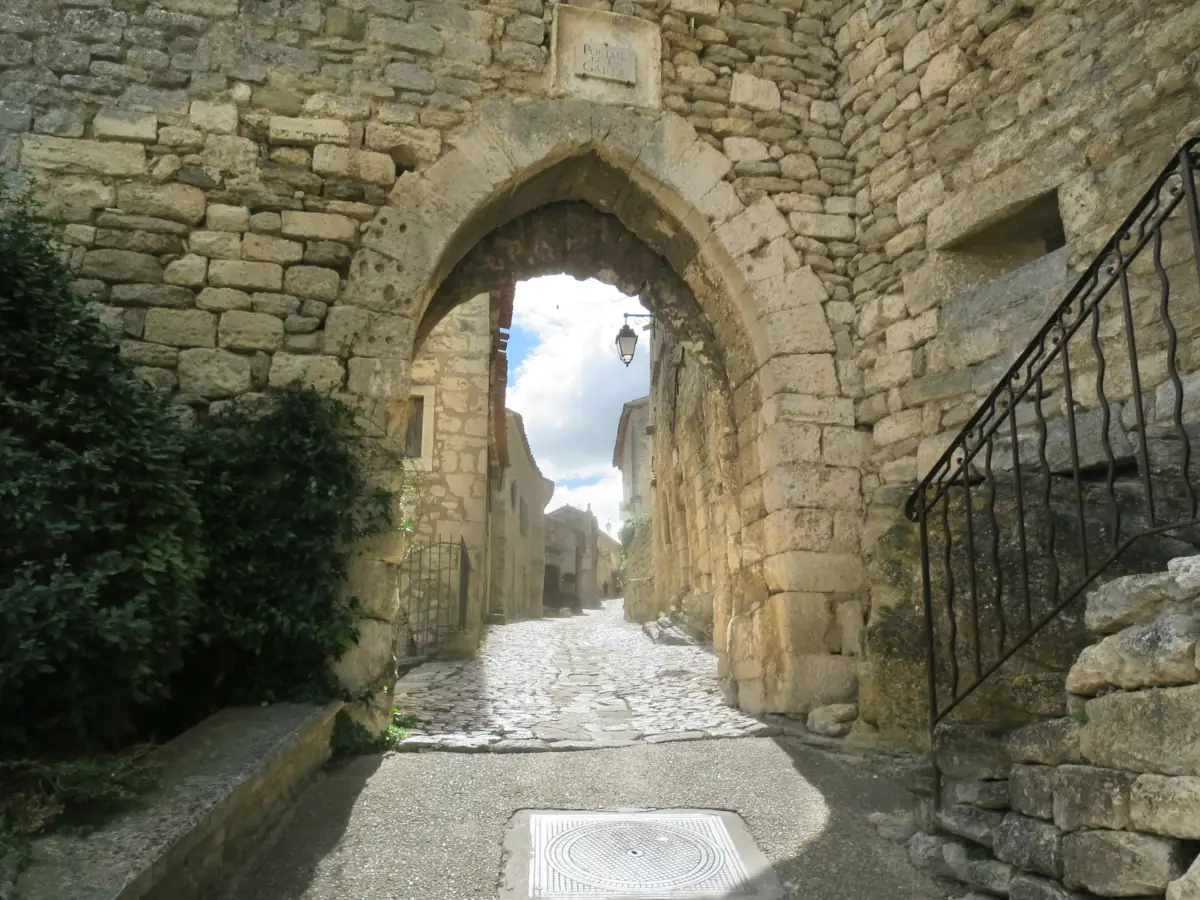
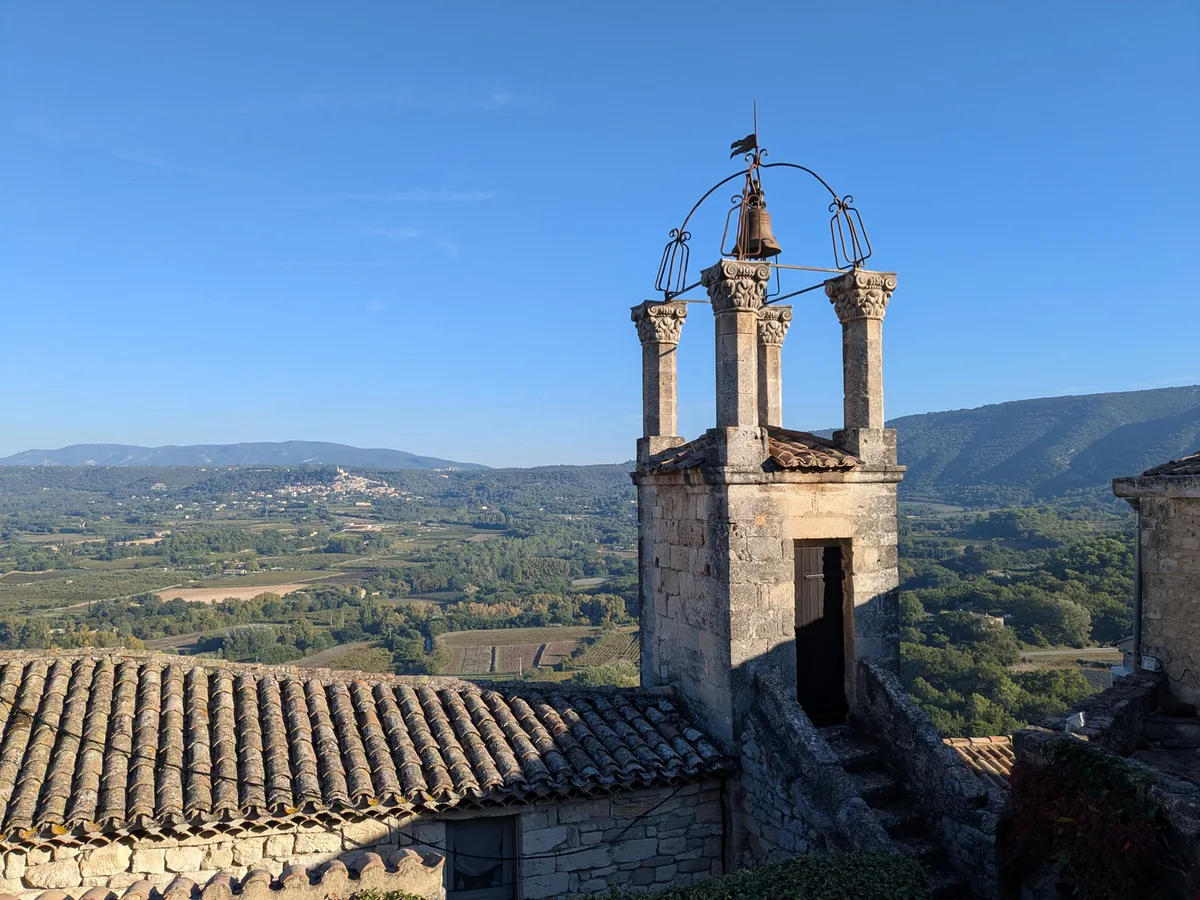
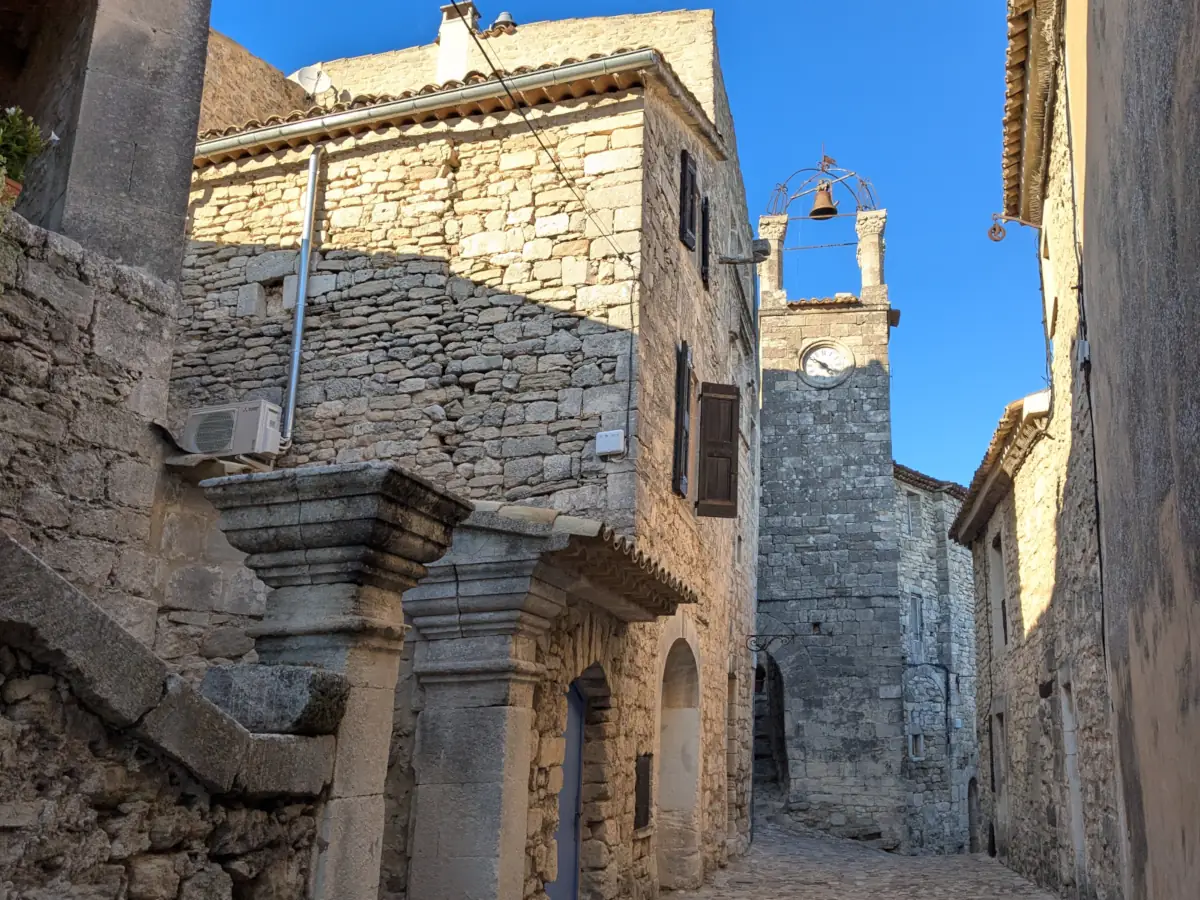
On the northern slope of the Petit Luberon, Lacoste’s houses rise in tiers below the château and overlook the Calavon plain. From the church square, the cobbled lane climbs to the Portail de la Garde. Higher up, the two bell towers of Bonnieux mark the village on the neighbouring spur.
In the 16th century, the two villages answered to different authorities. Bonnieux was an enclave of the Comtat Venaissin within Provence, while Lacoste belonged to Provence, which had passed to the French Crown.
Lacoste, a Protestant village
Waldensian families, some from Piedmont, settled in Lacoste and joined the Reformation in the 16th century. The village was pillaged during the persecution of 1545. The community rebuilt itself and still numbered 222 Protestants in 1682, three years before the revocation of the Edict of Nantes.
The château of the Marquis de Sade
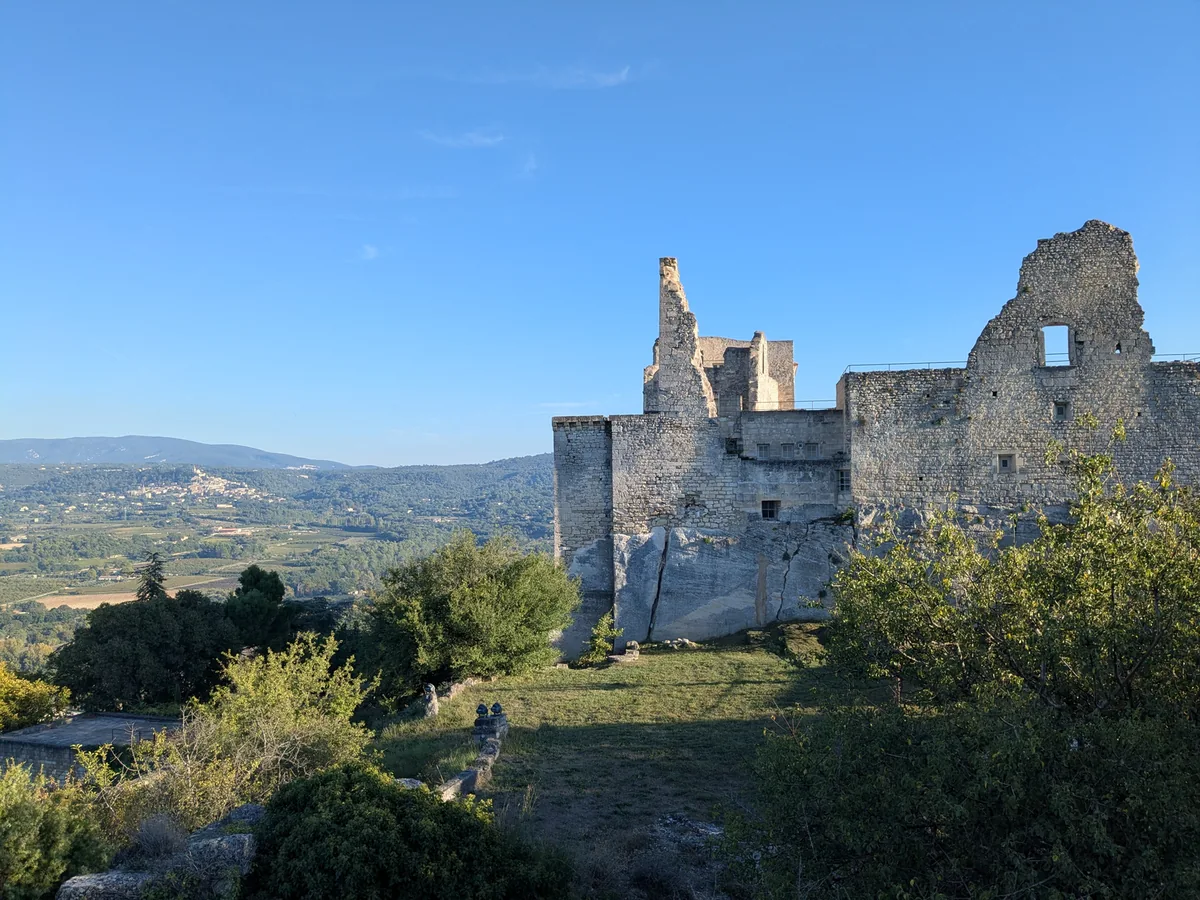
Beyond the belfry stands the ancestral château of the Marquis de Sade. A keen theatre enthusiast, he had a private theatre fitted out, where he staged plays from the repertoire and prepared his own work for the stage. Early in 1772, he hired an actor from the Marseille company and his wife. He invited his uncle to Lacoste for a ball and a performance of Beverlei, or The English Gamester.
Later that year, following the Marseille affair, the Parlement of Aix sentenced him to death in absentia. Wanted by the authorities, Sade later took refuge in his château at Lacoste.
In 1775 the château was at the centre of the so-called affair of the young girls. The Marquis was accused of violence against very young servants. The family hushed up the affair, which is known today through correspondence from the period.
From the château ruins to Pierre Cardin’s stage
Looted during the Revolution, the château deteriorated and lost even its doors and windows. In 1952 André Bouer, a teacher from Lacoste, bought the ruins and set about saving them.
A friend suggested that Pierre Cardin visit the château as a possible venue for a summer festival. Cardin recalled that the bitter cold and grey skies put him off on his first visit. Mme Bouer invited him back. This time the landscape and the light won him over. He bought the château in 2001.
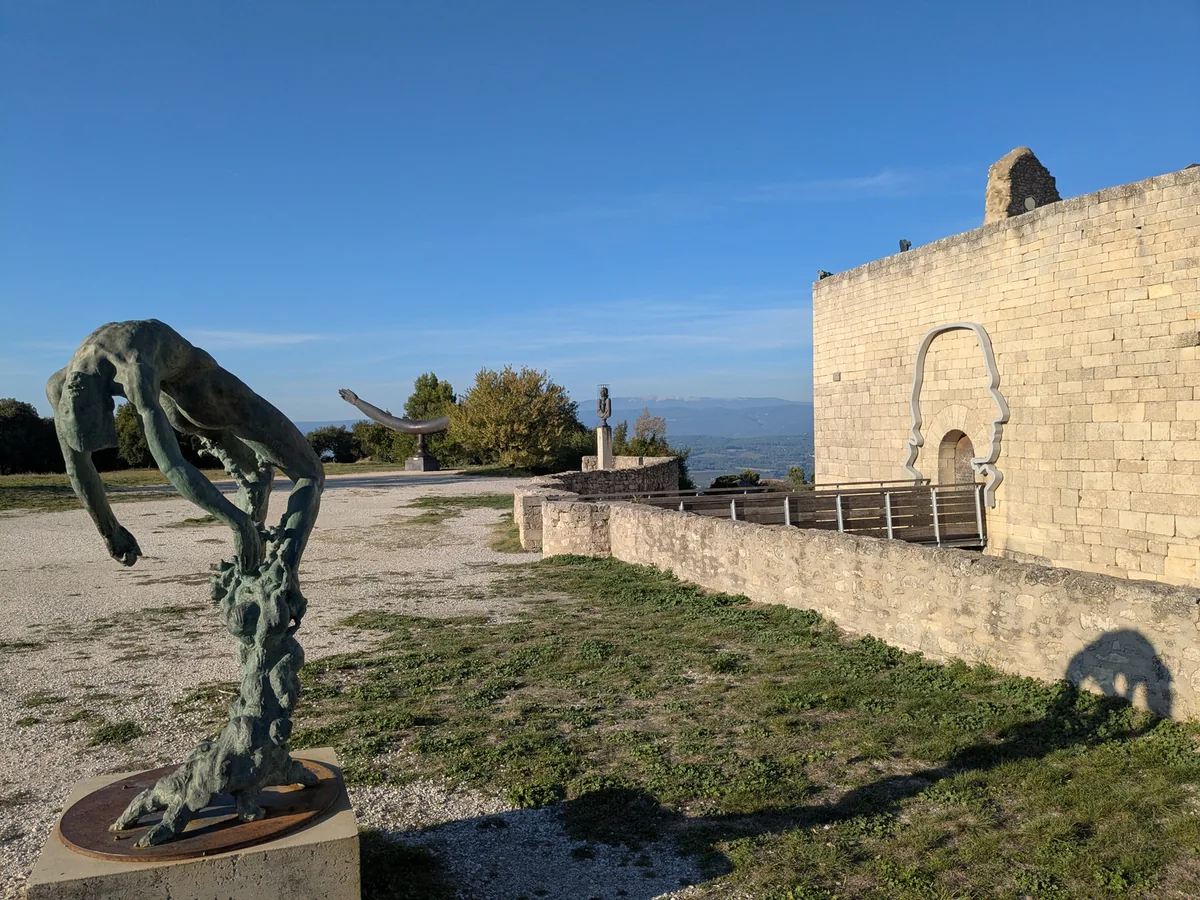
Cardin admired Sade as a writer. Both liked to challenge conventions, one in his books, the other in fashion. In 1959 Cardin shook up haute couture by presenting ready-to-wear at the Printemps department store. At Lacoste their shared love of theatre is visible in the places themselves. Sade had fitted out a theatre in the château.
Cardin continued to stabilise the château walls and built a stage in the nearby quarries, where the limestone faces form the backdrop to his festival of theatre and opera.
Pierre Cardin transforms the village
Pierre Cardin wanted Lacoste to become a centre for the arts. The festival took place at the château and in the quarries, and his plans reached down into the lanes. He bought houses for his festival guests and considered turning some into artists’ residences. He also planned galleries, shops, hotels and even a piano bar.
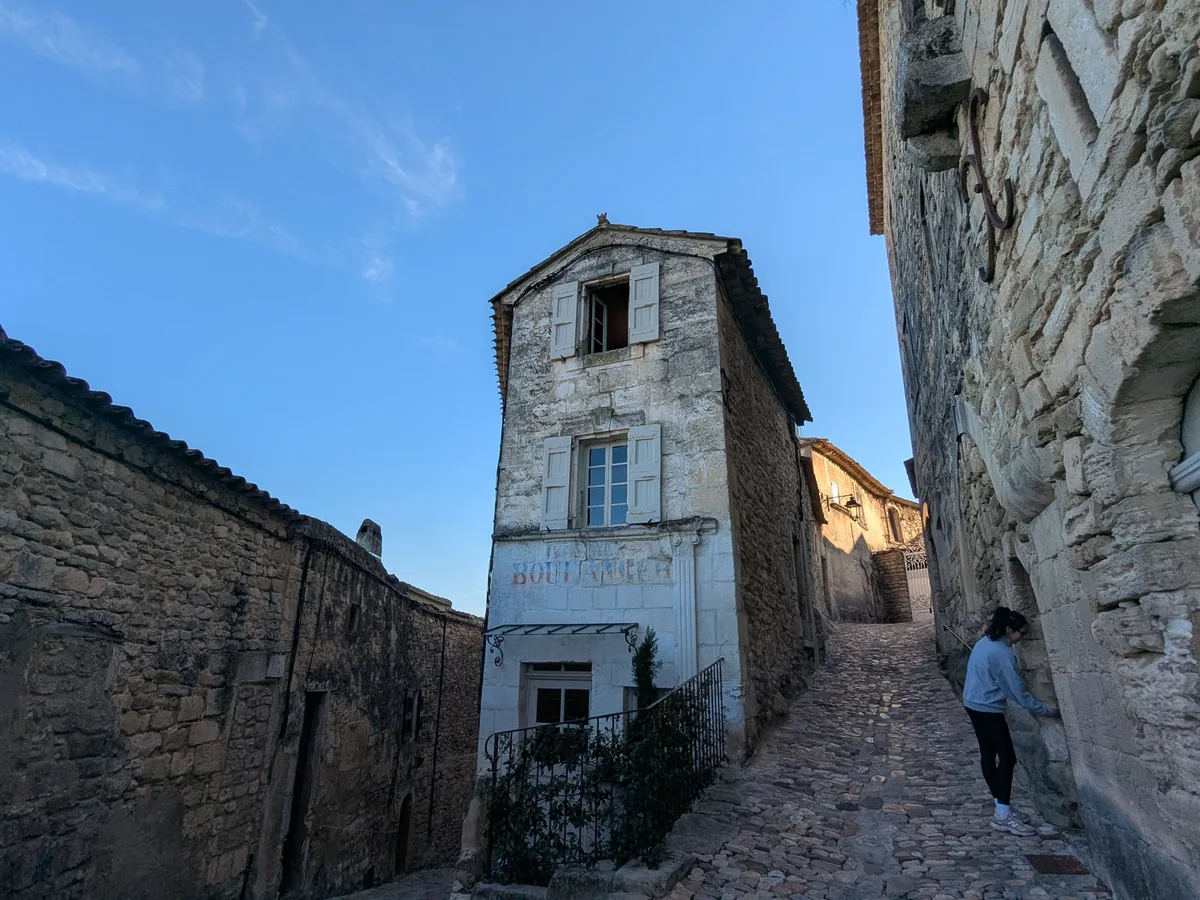
As Cardin bought more properties, the old village’s houses changed hands and uses. In 2019 residents of the Rue Basse told the Journal du dimanche how few neighbours still lived there year-round. Restored houses were often shuttered out of season. Cyril Montana and Thomas Bornot recount the debate in their documentary Cyril contre Goliath.
A village of students and artists
In the Rue Haute the word “Boulangerie” is still visible above the door. The former bakery has found a new use as part of the Savannah College of Art and Design (SCAD) campus. Students from the American university live and work in buildings scattered across the village.
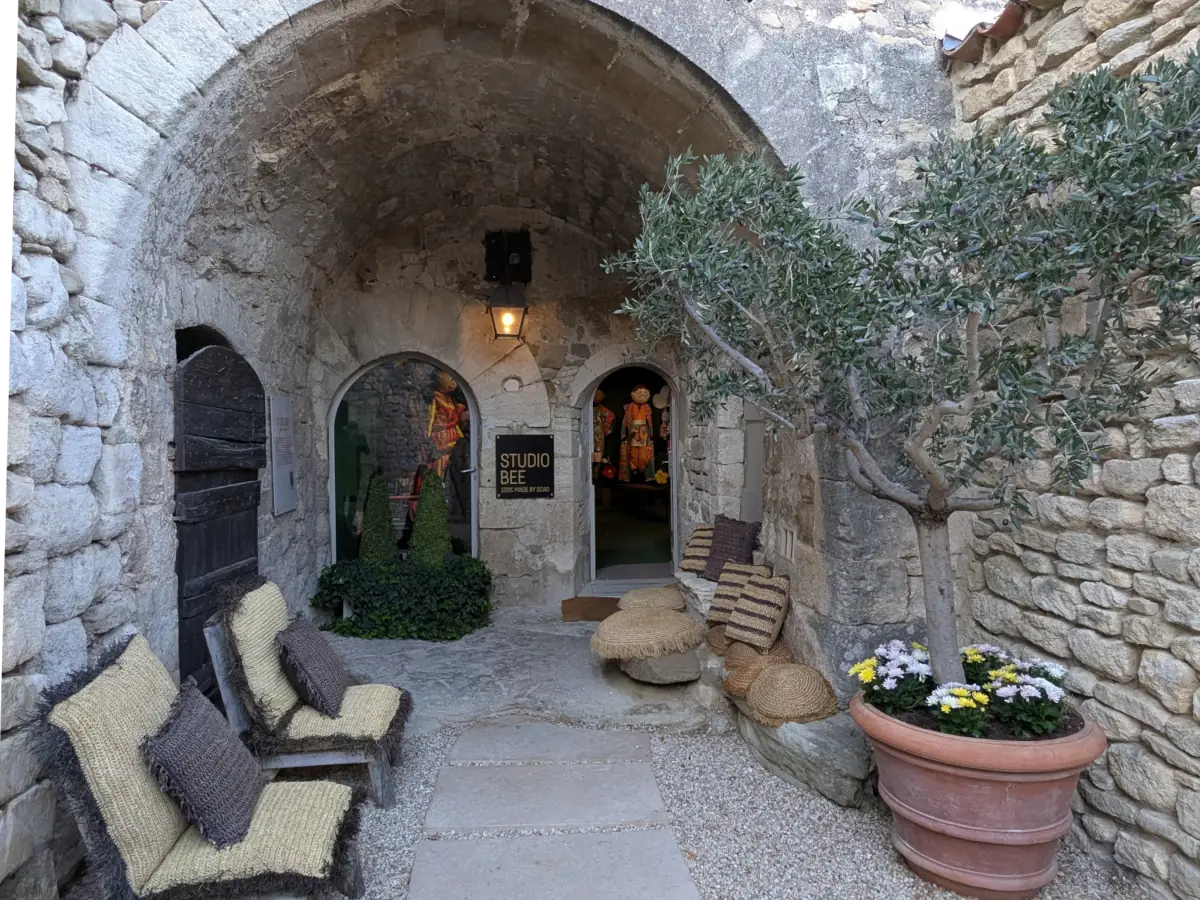
The story began around 1970, when American painter Bernard Pfriem founded an art school in Lacoste. SCAD established its campus here in 2002. In 2022 the university bought about twenty houses that Pierre Cardin had restored. Pfriem’s former studio now houses a gallery shop selling work by students and graduates.
On the Rue des Artistes, graduates return as artists in residence. During open studio sessions visitors can see them painting, assembling or sculpting works in progress. The SCAD FASH museum also holds fashion exhibitions.
The sculptures of the Escalon terraces
Near the entrance to the village, the Escalon terraces bring together work by sculptors who lived or worked in Lacoste. Among them is Louis Malachier, a 19th-century miller who taught himself to carve stone. Long after his death, his figures caught the attention of André Breton and Max Ernst.
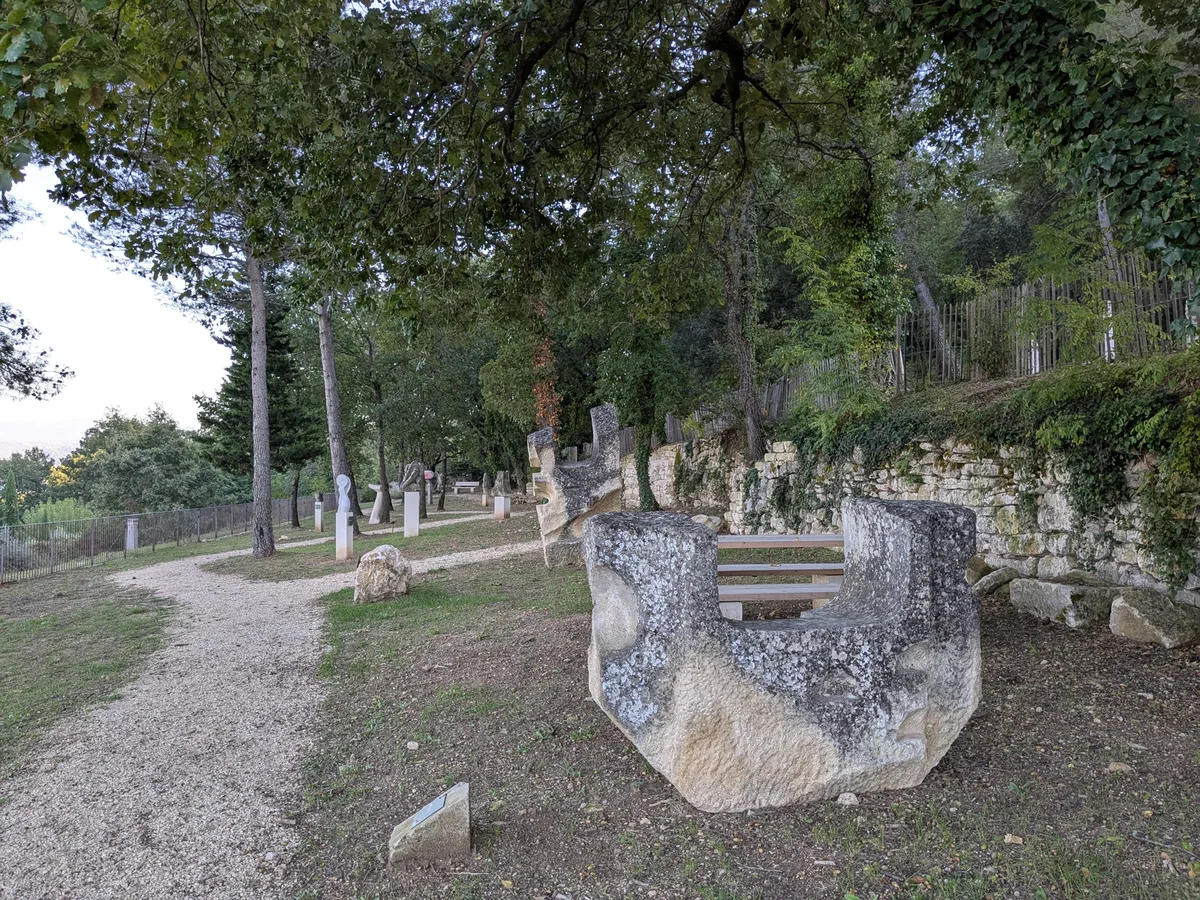
Continue your getaway
High on the Petit Luberon, the Cedar Forest can be reached on the Route des Cèdres from the Bonnieux side. Across the Calavon plain lies Roussillon, whose ochre façades can be glimpsed from Lacoste.
Down on the plain, the Pont Julien carries the old Via Domitia over the Calavon. West of Lacoste, the Maison Dora Maar in Ménerbes offers another glimpse of the Luberon villages that drew artists. A little further on, the lanes of Oppède-le-Vieux climb to the castle ruins.
Practical information
Visiting Lacoste
- The walk
- Allow an hour to an hour and a half to walk up to the château and back down to the Escalon terraces. The cobbled lanes are steep in places.
- Parking
- The landscaped car park at the village entrance on the D106 is free.
- Château, exhibitions and studios
- Check opening times before your visit. Allow extra time to go inside the château or the museum.
Lacoste village map · Visiting the château · Pierre Cardin Festival · SCAD exhibitions and studios
Extend your stay
Guest houses to extend your getaway
These properties listed on the Portal are within 25 km as the crow flies of the location featured in this getaway. Visit their websites to plan your stay.
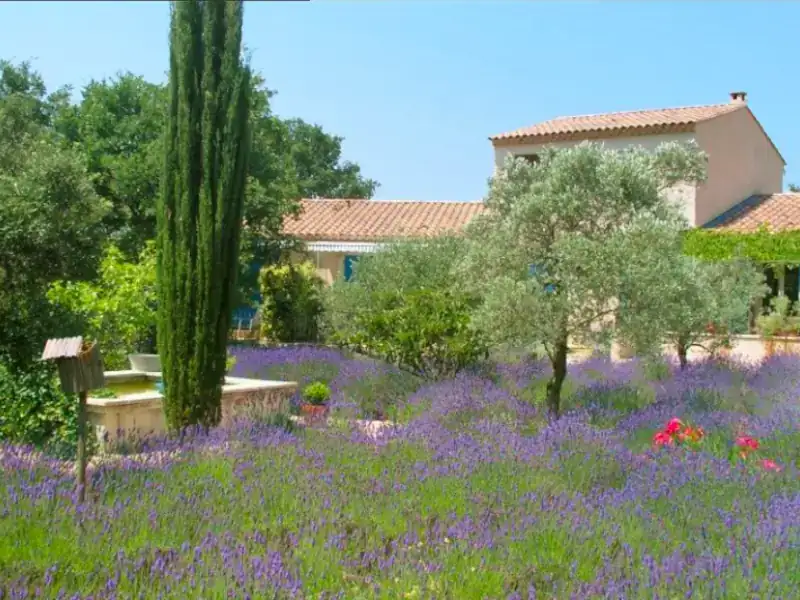

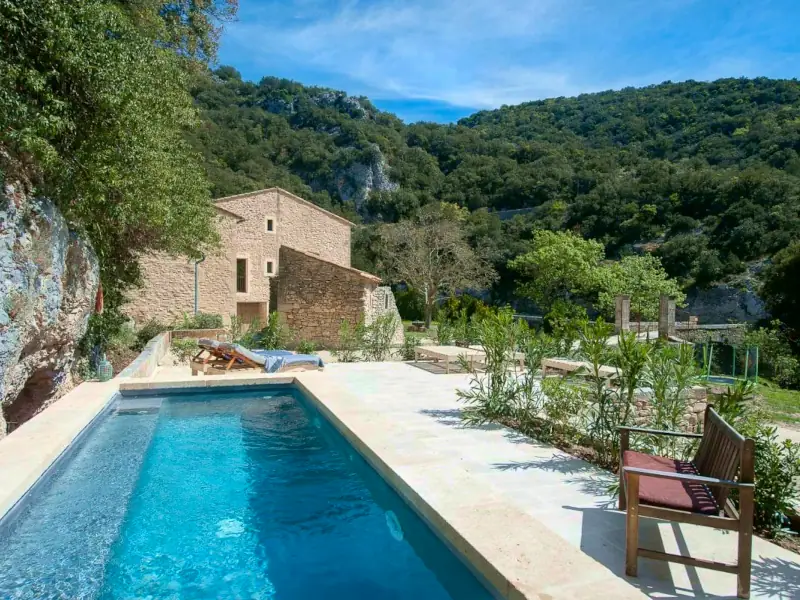


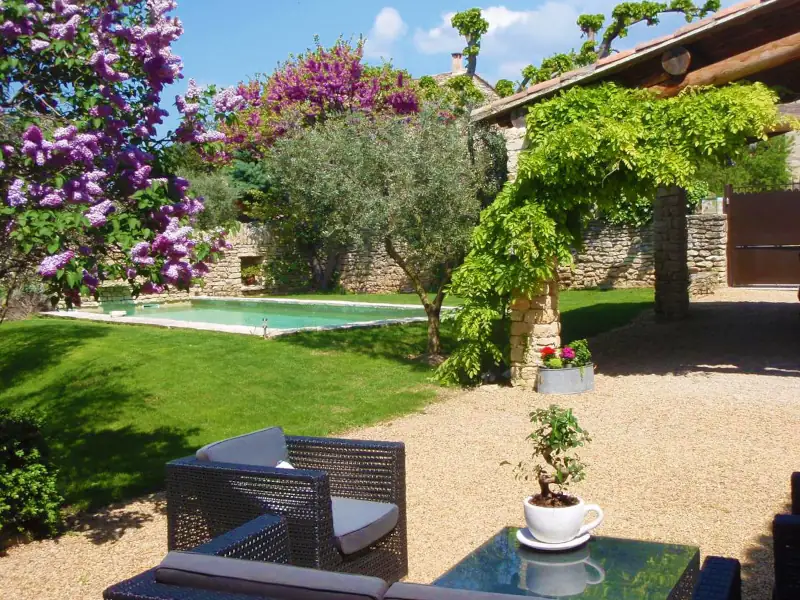
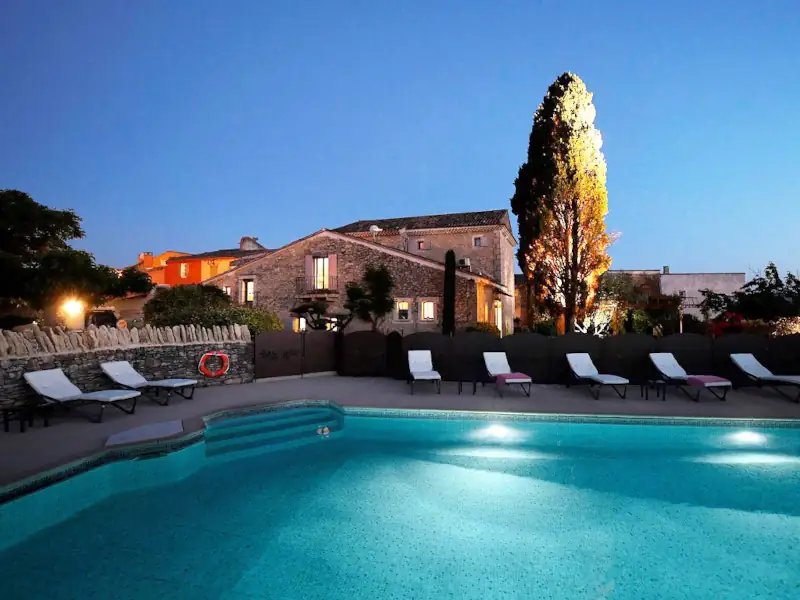
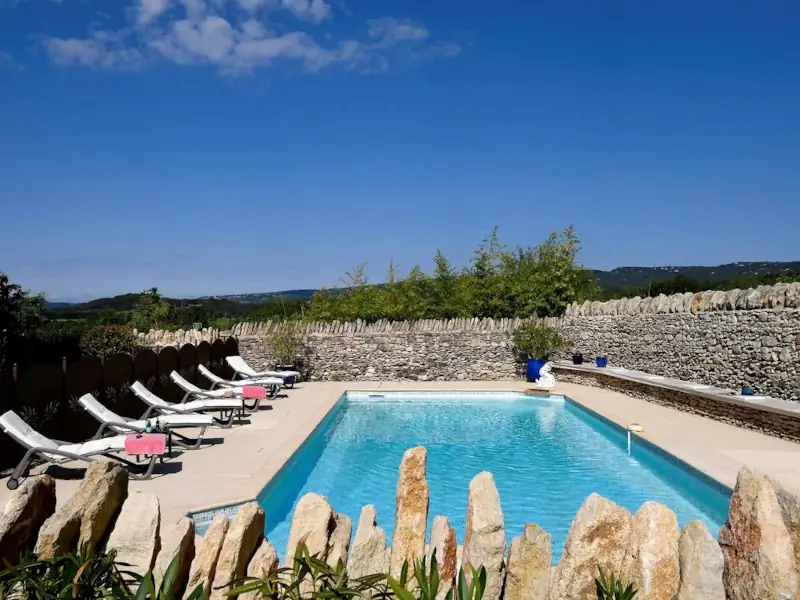
Gîte des Demoiselles
Charming Gite
Roussillon
Visit website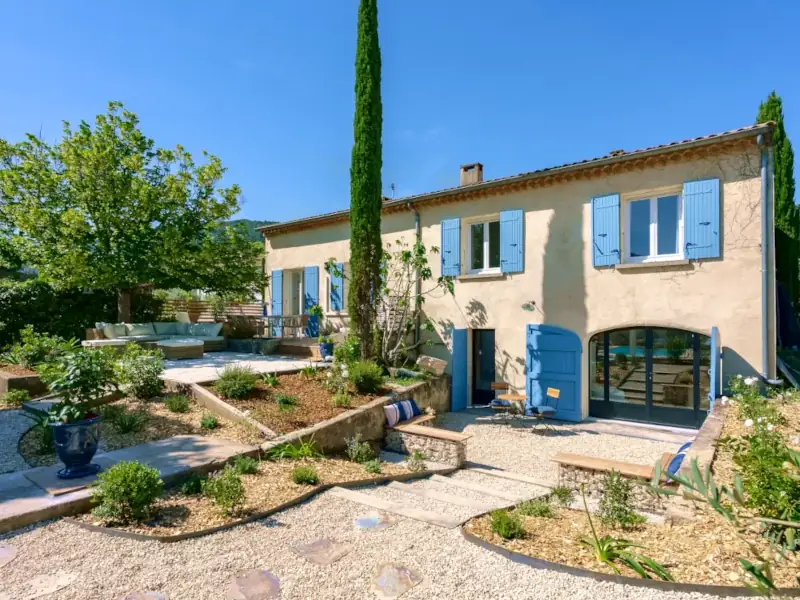


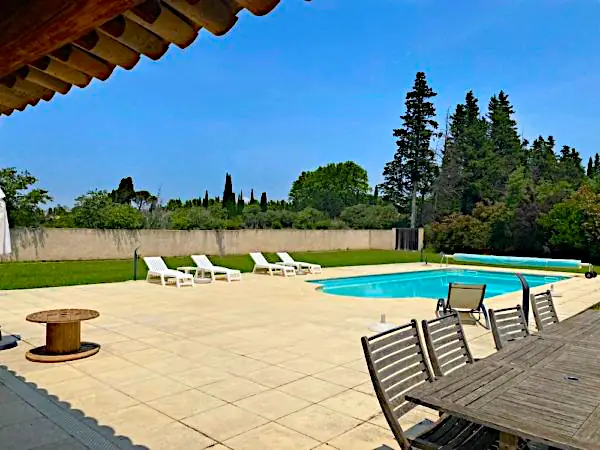
Le Pavillon du Lantana
Holiday home
Les Taillades
Visit website

La Bergerie du Luberon
Charming holiday home
Les Taillades
Visit website
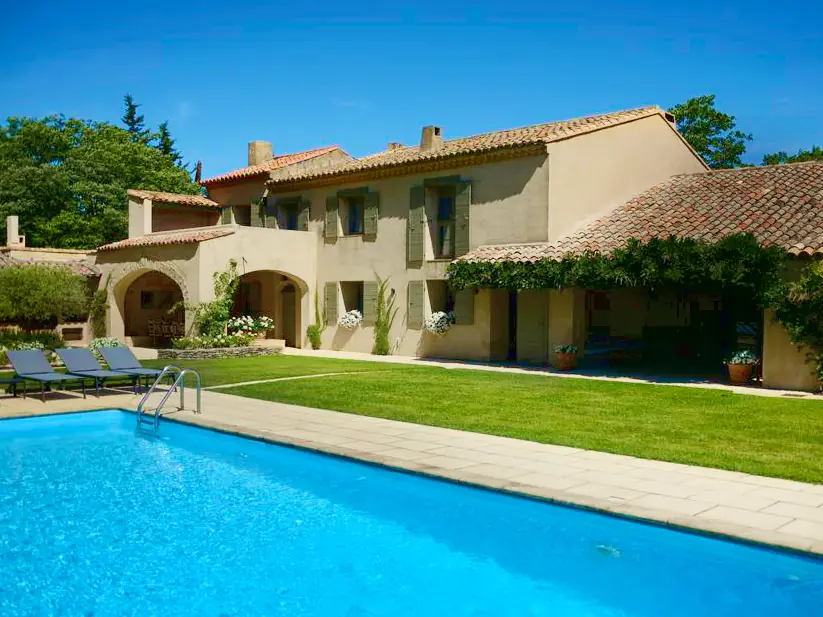
Four de Cony
Charming bed and breakfast
Saumane de Vaucluse
Visit website


Last updated: