Getaway in the Luberon
Pont Julien, a Roman bridge on the Via Domitia
Text and photographs by Vincent Flachaire
Below Bonnieux, Pont Julien crosses the bed of the Calavon on the former route of the Via Domitia.
A legacy of the Via Domitia
Built on the route of the ancient Via Domitia, the great trading road linking Italy and Spain, Pont Julien reflects the strategic and economic importance of this route in Roman times. Completed in 3 BC, it takes its name from the nearby Roman city of Apta Julia, now Apt, about ten kilometres upstream in the Calavon valley.
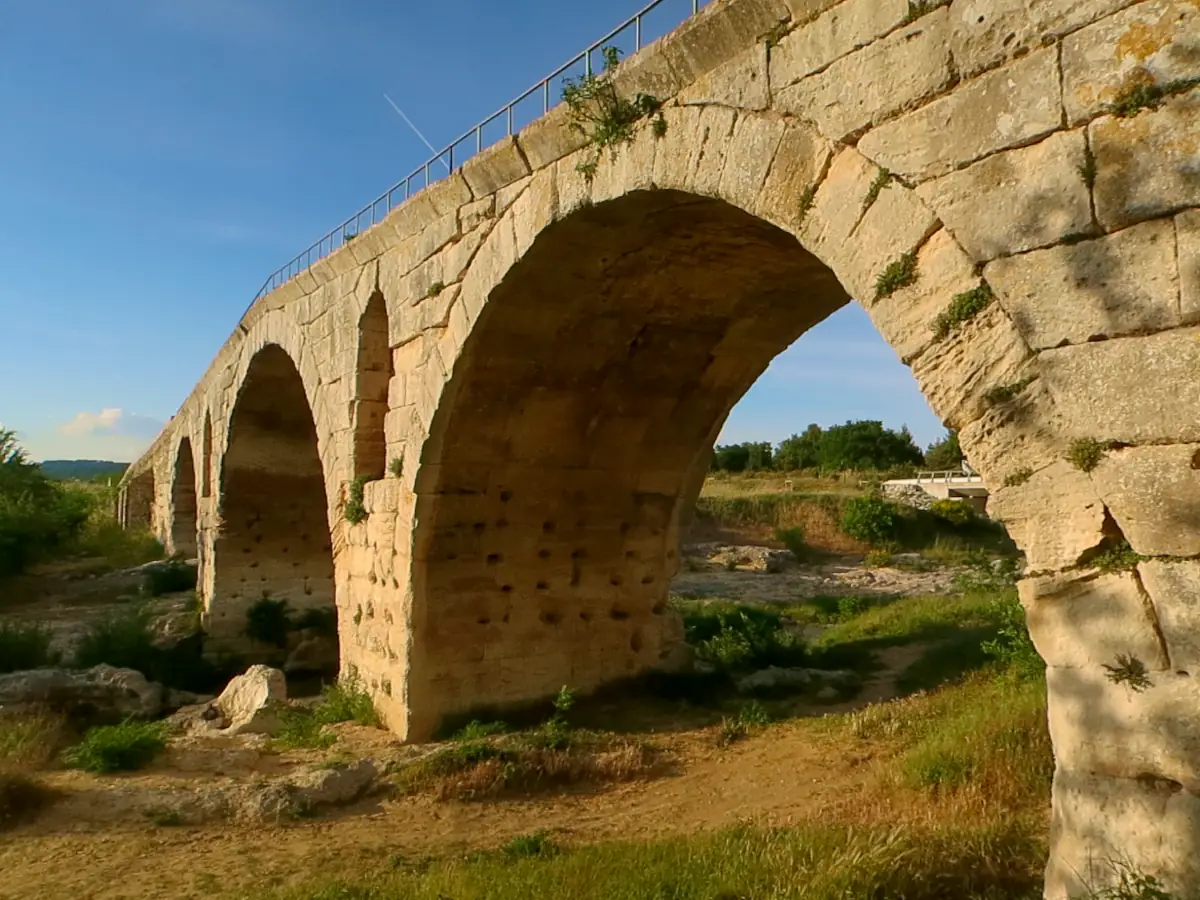
Three arches over the bed of the Calavon
Measuring 80 metres in length, the bridge is built of large, carefully cut and fitted blocks of local limestone. Its three semicircular arches rest on the abutments at either bank and on two piers anchored in the rocky bed of the Calavon. Large openings through the piers help floodwater to flow. At their base, partially visible semicircular cutwaters divide the current and reduce its force against the masonry.
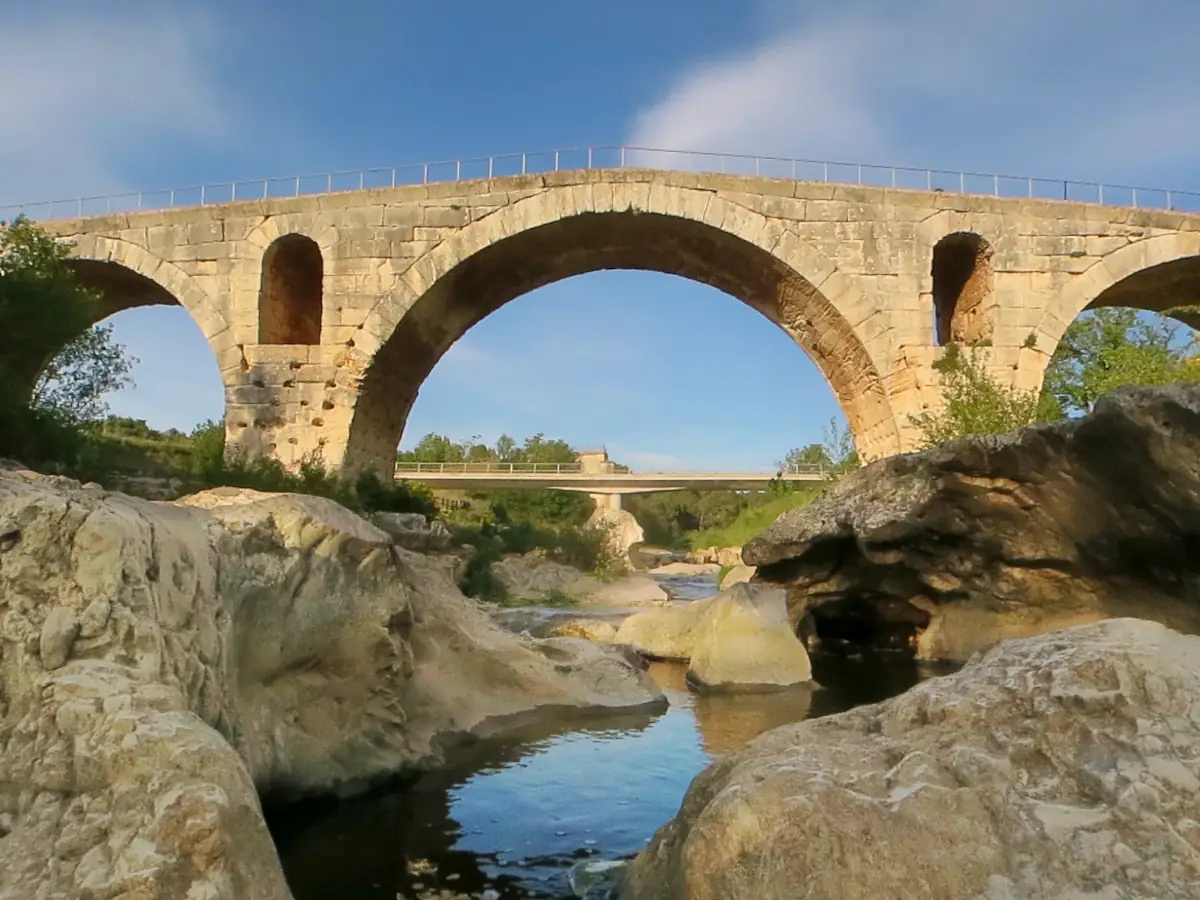
From the Via Domitia to the Calavon cycle route
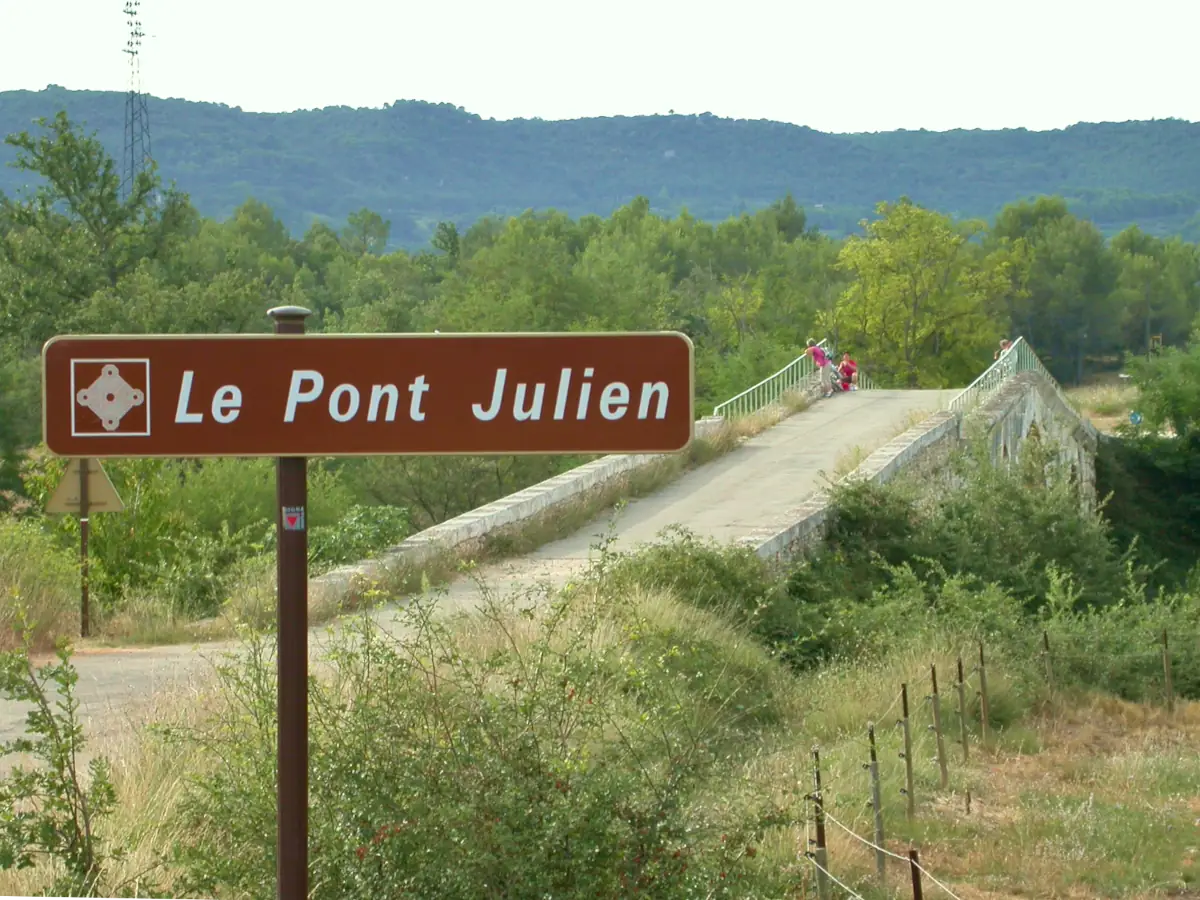
A modern bridge now carries road traffic. After more than 2,000 years of service, Pont Julien welcomes walkers and cyclists. It forms part of the Calavon cycle route, partly laid out along the former railway line between Cavaillon and Apt.
Today, Pont Julien makes a short stop on foot or by bicycle in the Calavon valley. From the bridge, the road climbs towards Bonnieux and the Cedar Forest on the heights of the Petit Luberon. To the east, Apt extends the outing with its historic centre and Saturday morning market. To the west, the valley leads to Vieil-Oppède, where cobbled lanes climb towards the collegiate church and castle ruins.
Extend your stay
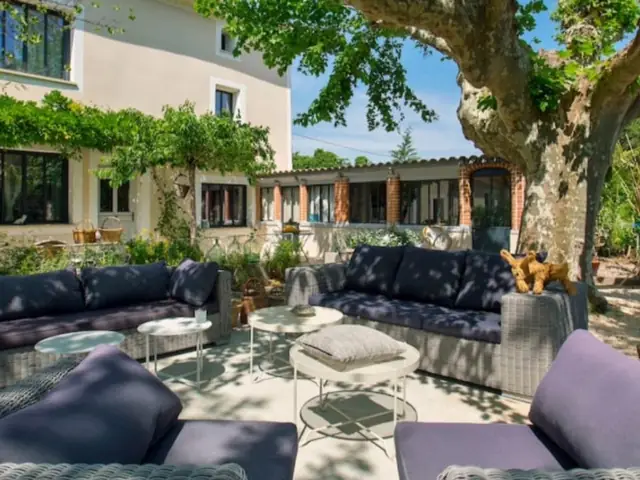
Bed and breakfasts around Bonnieux and Apt for extending the getaway
Bonnieux and Apt offer two complementary bases for reaching Pont Julien, exploring the Calavon valley and visiting the villages of the Luberon. The portal favours direct links to owners’ websites.
These properties listed on the Portal are within 25 km as the crow flies of the location featured in this getaway. Visit their websites to plan your stay.

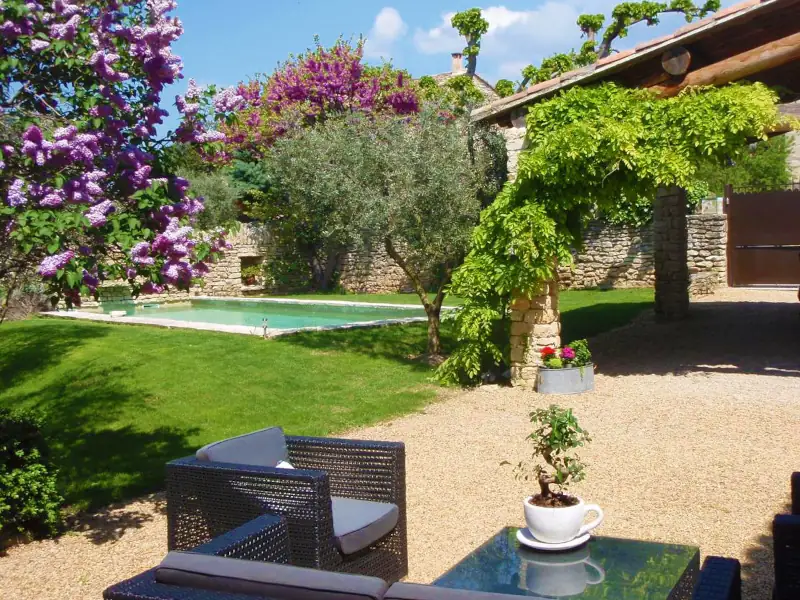
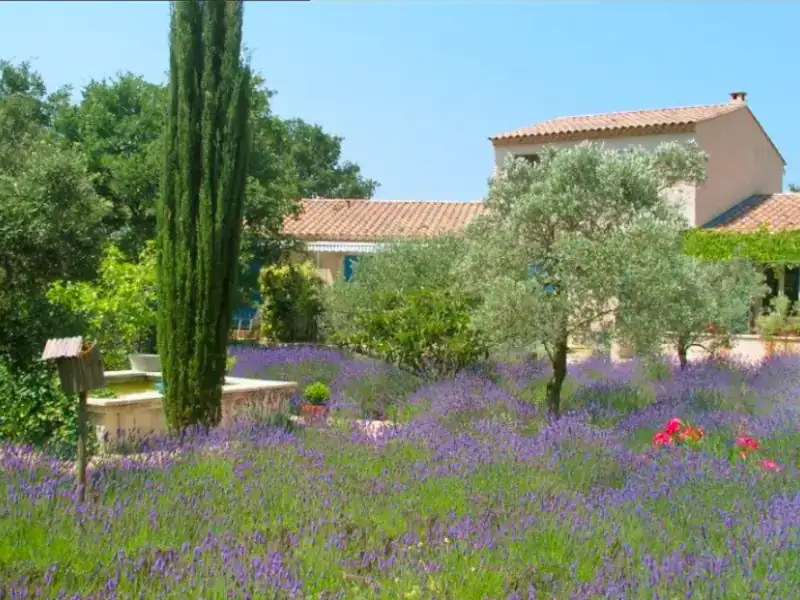
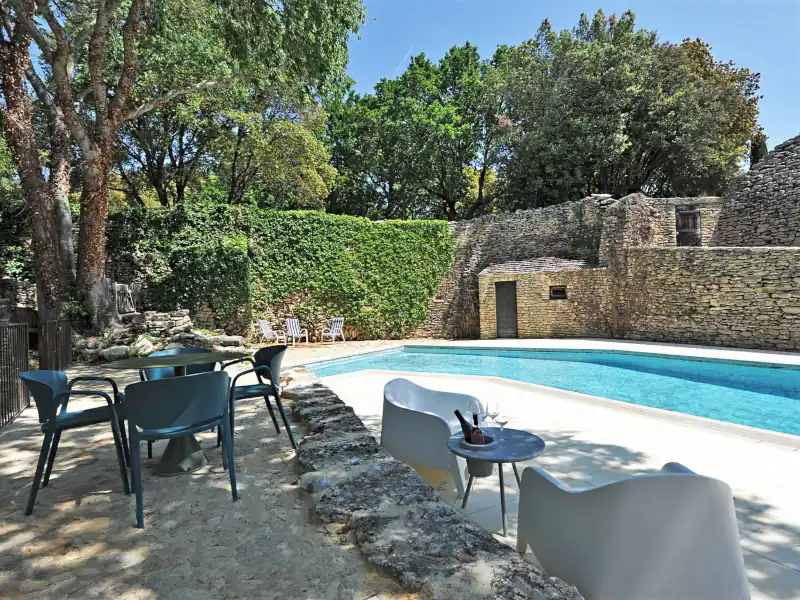
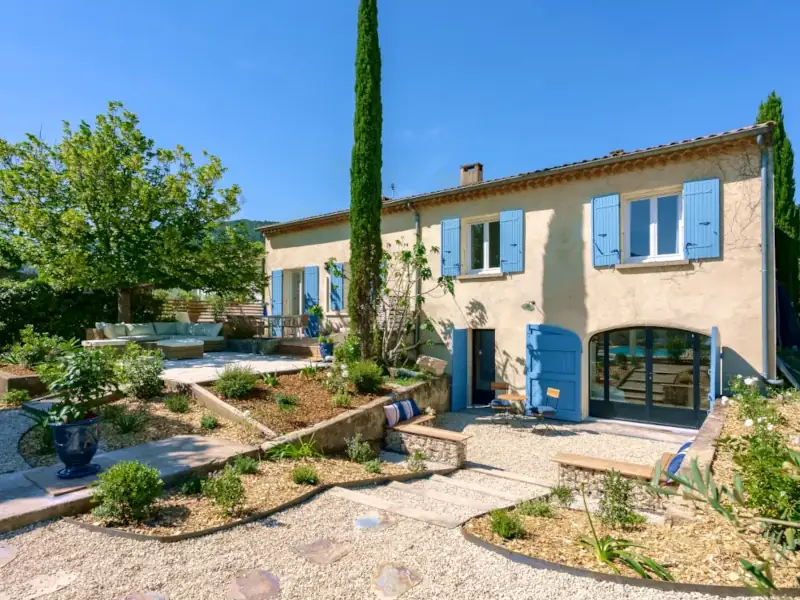


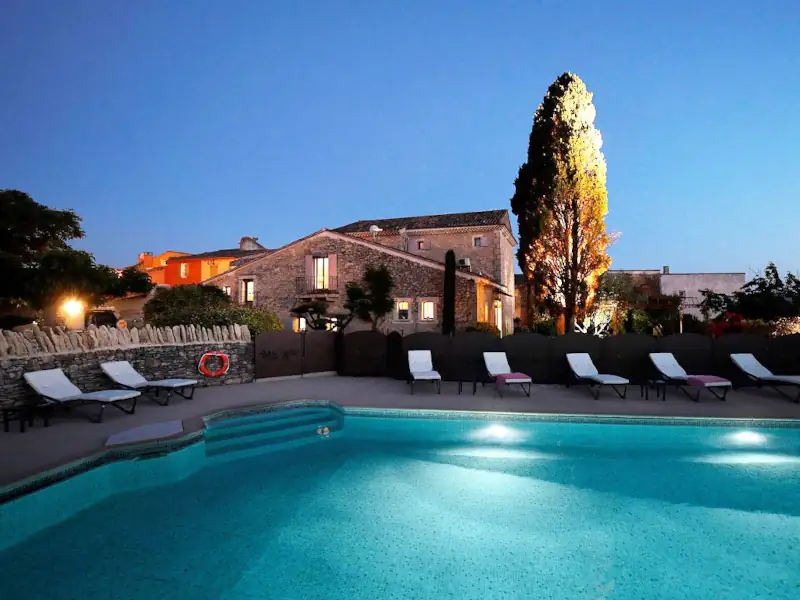
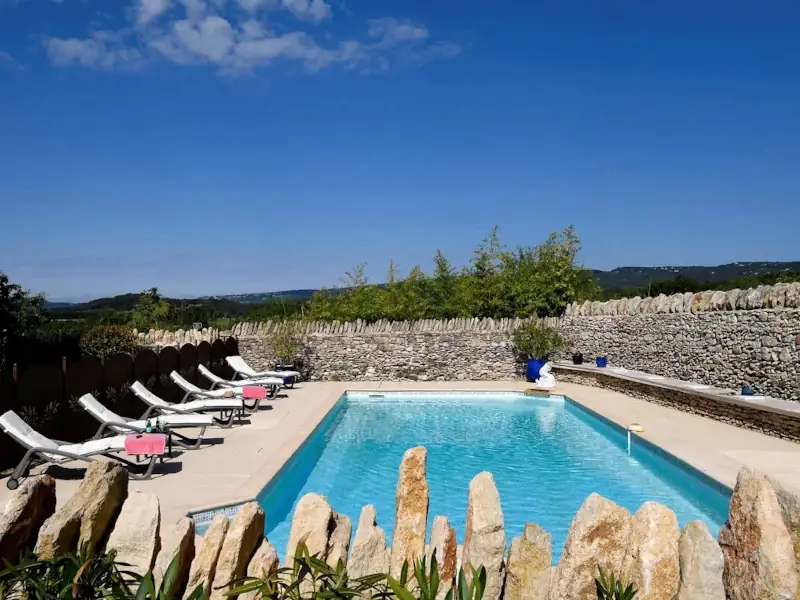
Gîte des Demoiselles
Charming Gite
Roussillon
Visit website
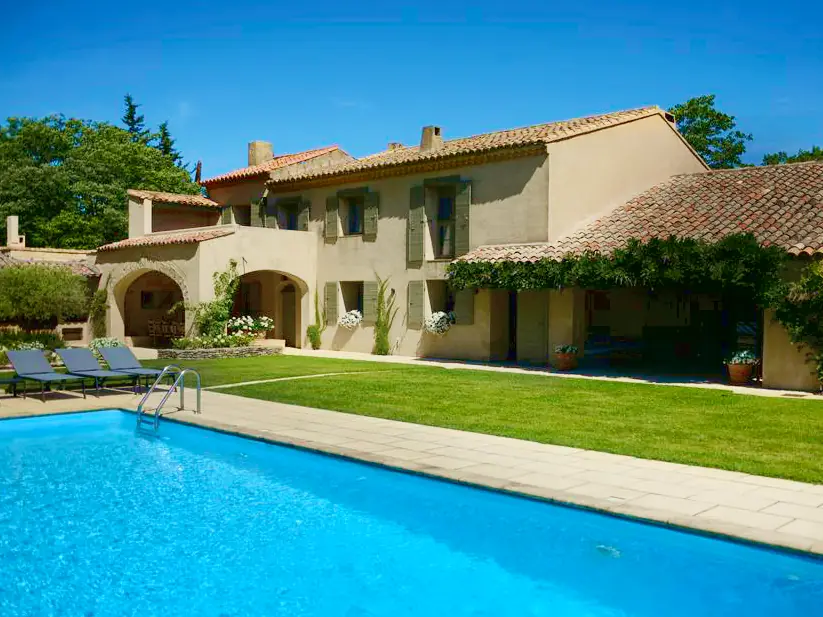
Four de Cony
Charming bed and breakfast
Saumane de Vaucluse
Visit website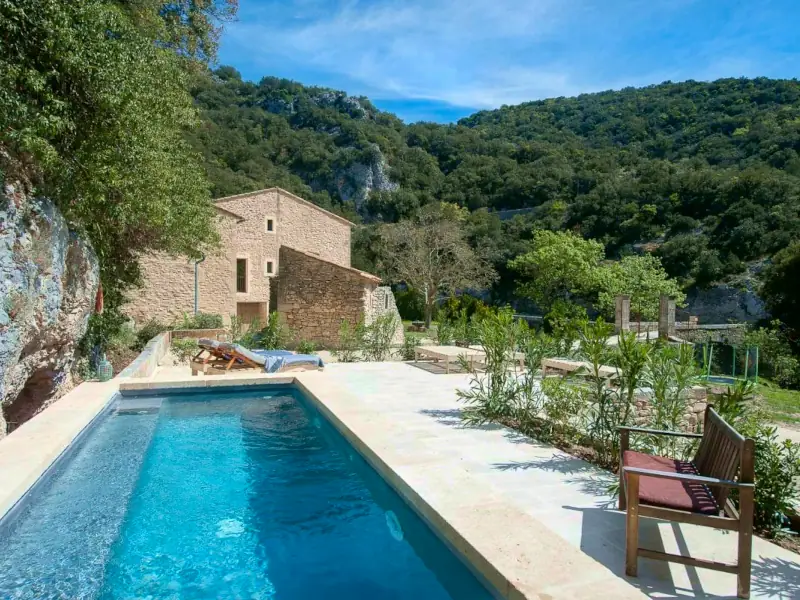
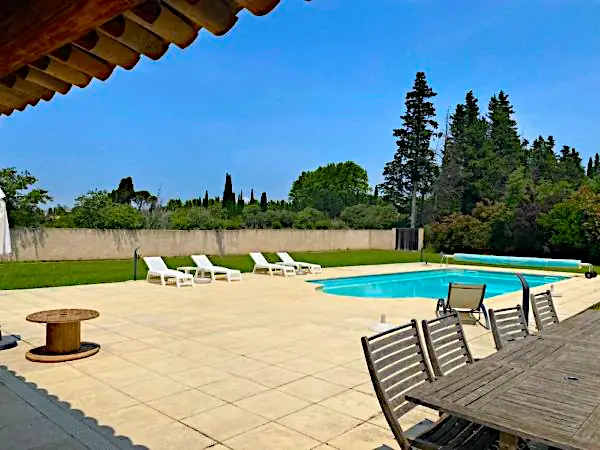
Le Pavillon du Lantana
Holiday home
Les Taillades
Visit website

La Bergerie du Luberon
Charming holiday home
Les Taillades
Visit website


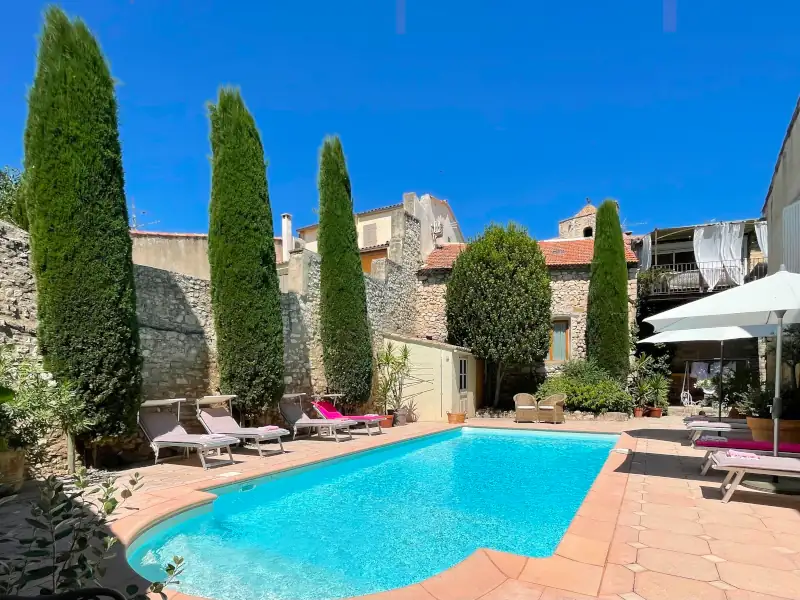
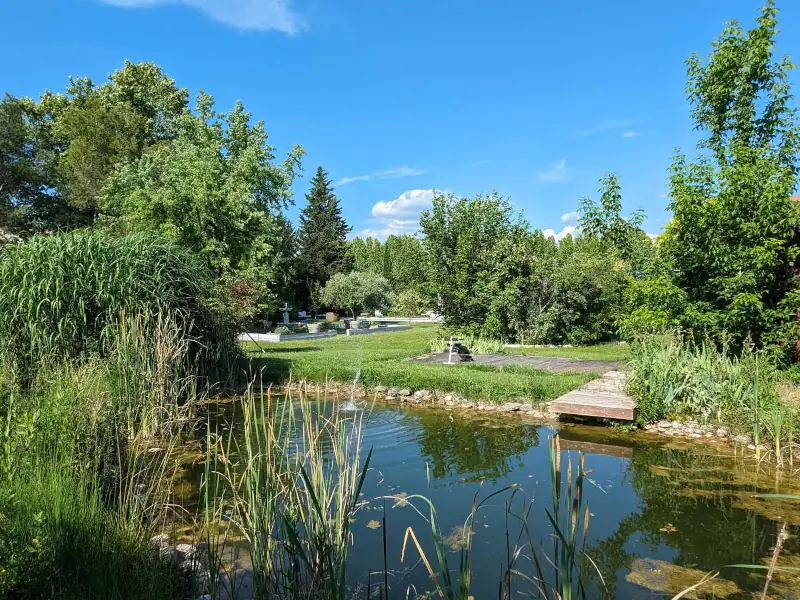
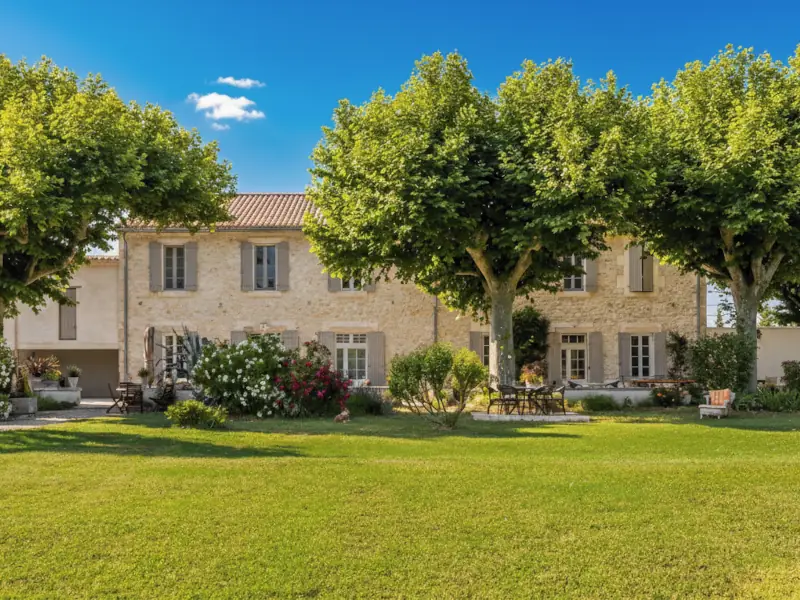
La Bastide des Amouriers
Charming bed and breakfast and Gite
Caumont-sur-Durance
Visit website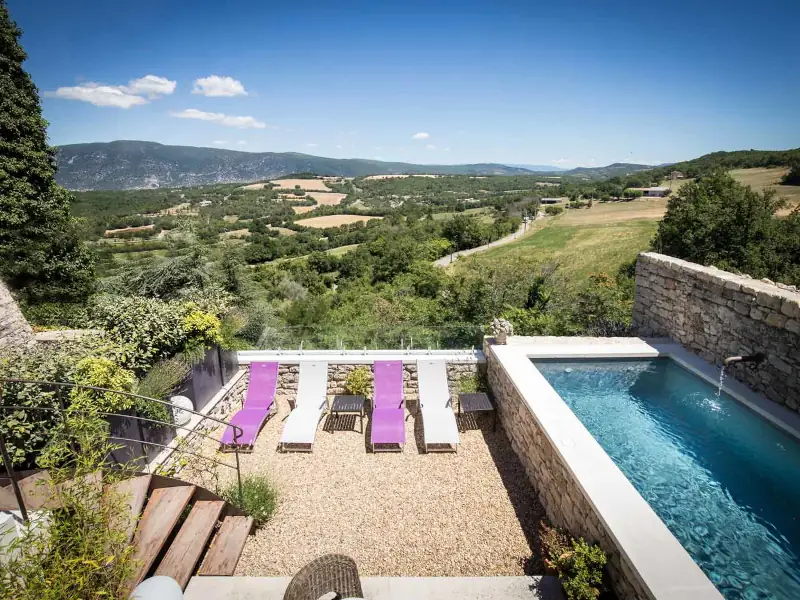
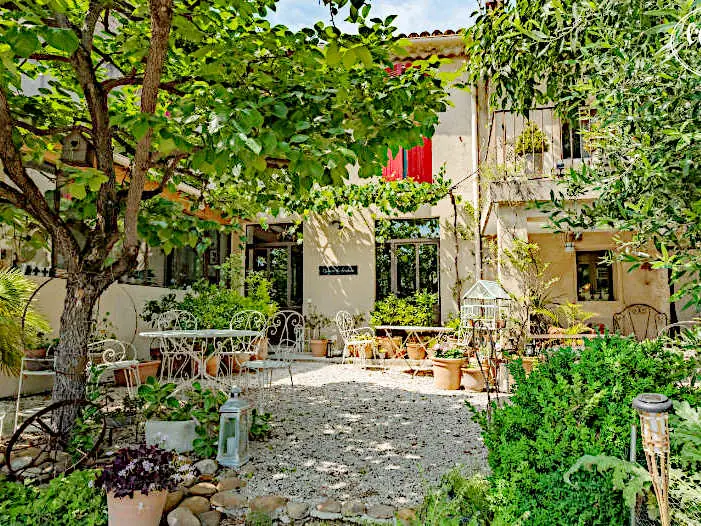
L'Oréliane
Charming Bed and breakfast
Châteauneuf de Gadagne
Visit website