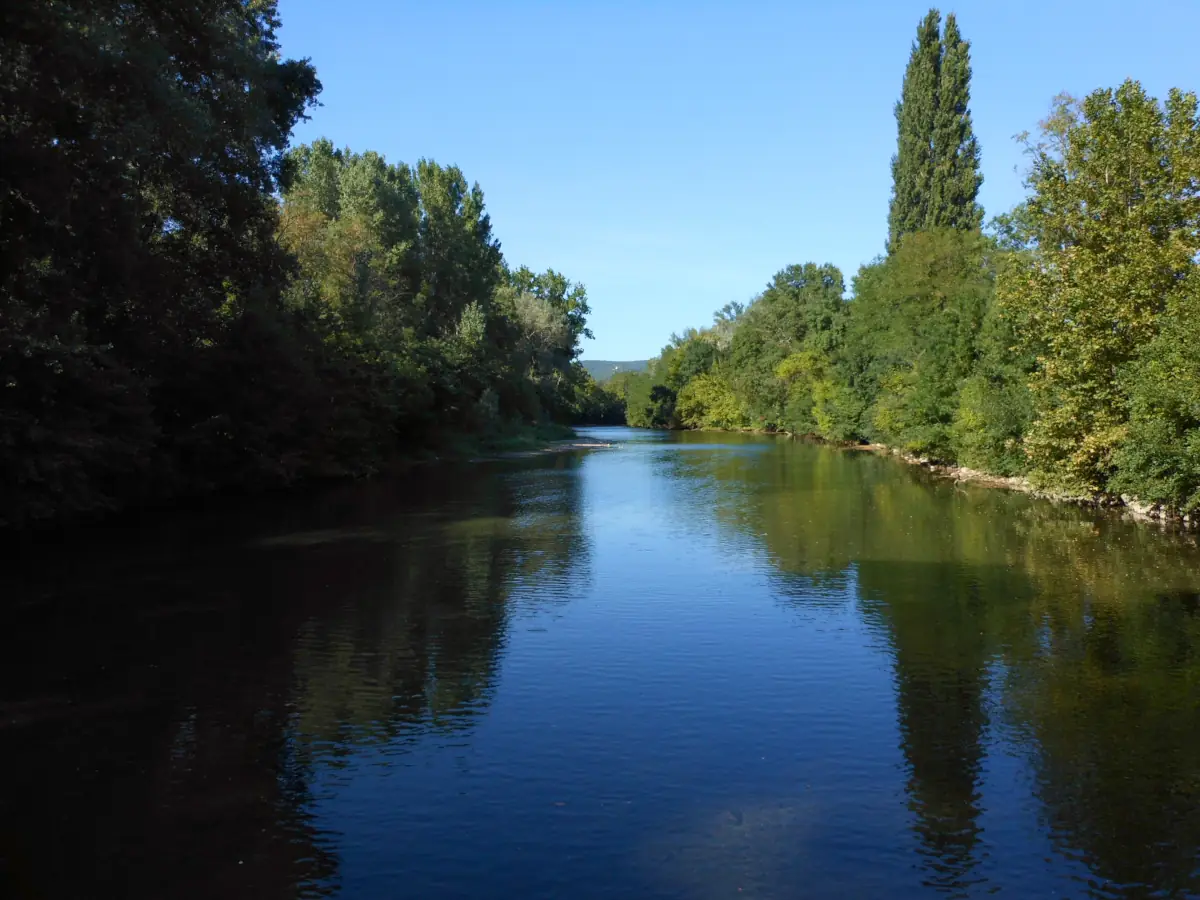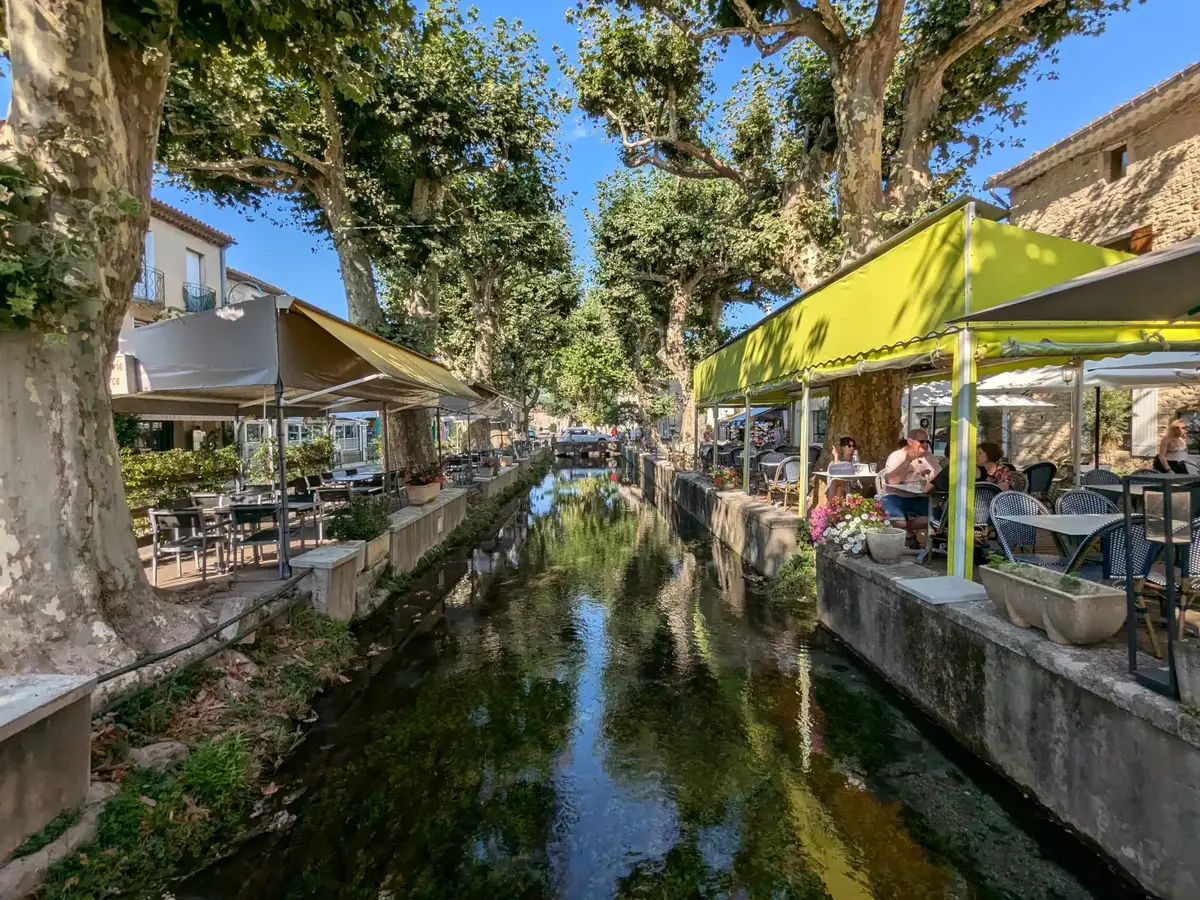
In Goudargues, water from the Fontaine flows through a canal lined with two rows of plane trees. Cafés and restaurants bring the quays to life, making the village a summer gathering place in the Cèze Valley.
The Fontaine, a spring in the heart of the village
The Fontaine has its source behind the school, near Place des Sources, then flows through the village in a canal. Nearby, the remains of a villa and baths show that the site was occupied in Roman times, in the 3rd century.
In the Middle Ages, the monks of Goudargues altered its course to drain marshy ground, irrigate crops and power oil and grain mills. Water thus became a lasting part of how the village and the surrounding land were organised.
The quays of Goudargues beneath the plane trees
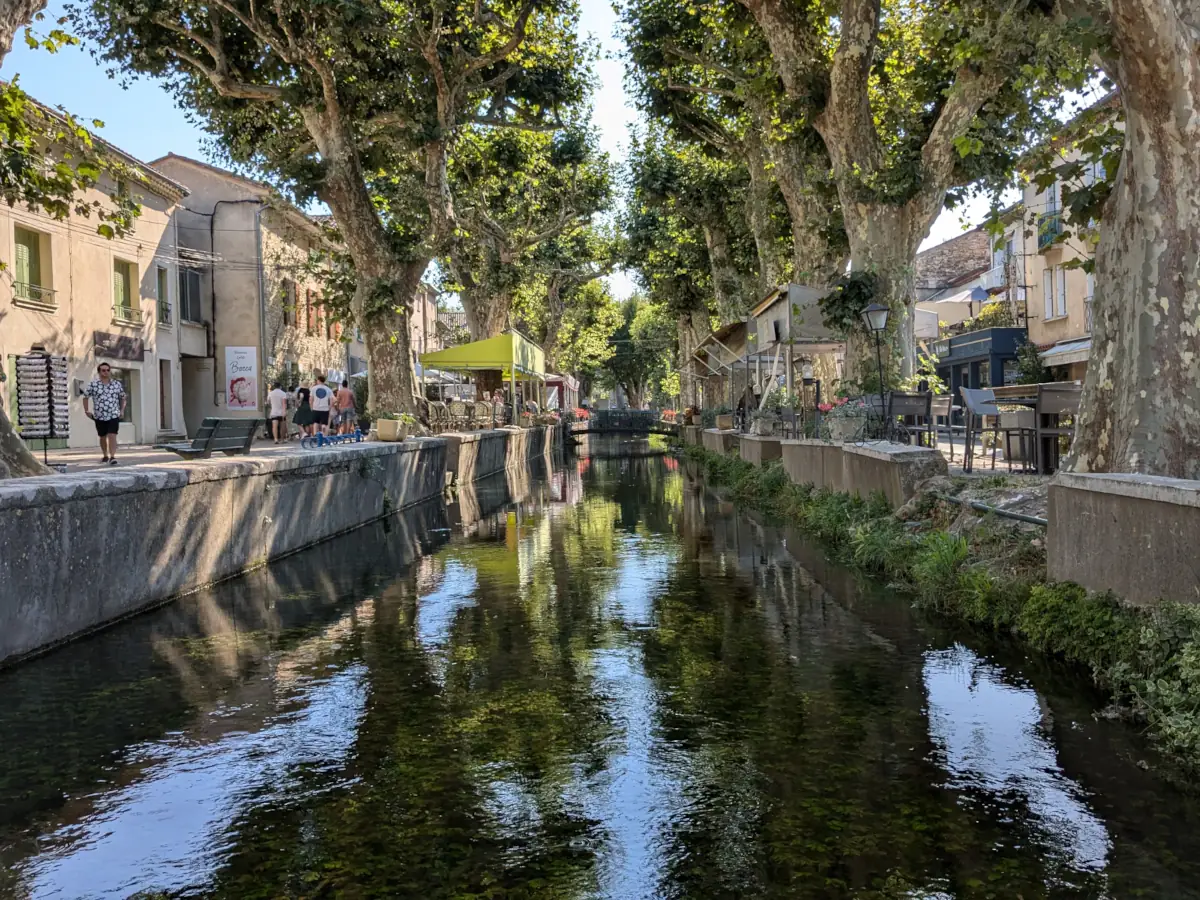
The quays took on their present form in the 19th century. Plane trees were planted on both sides of the canal from 1821 onwards. Their trunks and foliage, together with the façades and terraces, are reflected in the shallow water. This distinctive scene has earned Goudargues the nickname “the Little Venice of the Gard”.
The pace of the quays changes with the time of day and the season. In summer, terraces occupy both banks; on Wednesday mornings, the market fills the village centre. Out of season, the canal and its rows of plane trees return to the foreground, and the waterside walk becomes peaceful once again.
At the end of the quays, the waterwheel and former market gardens
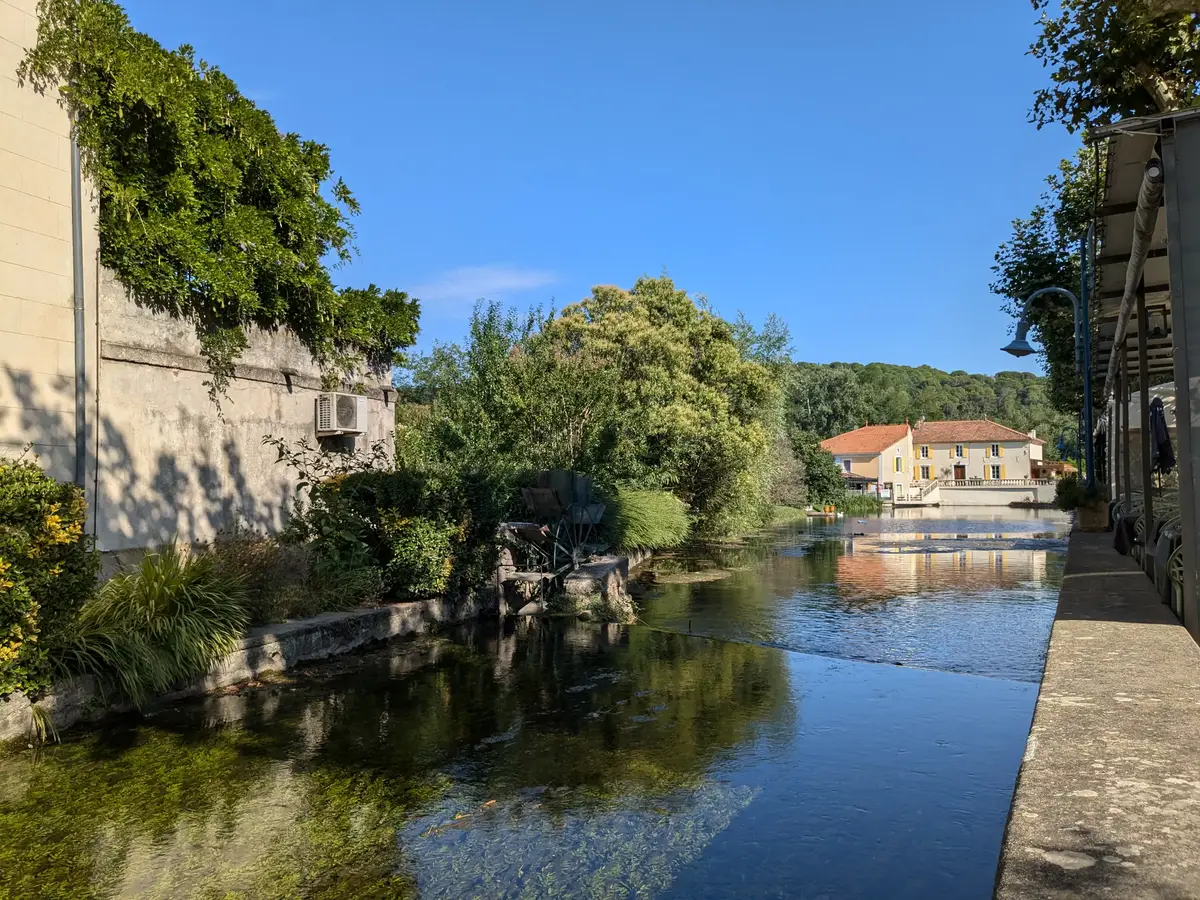
At the end of the quays, the canal widens before turning towards Avenue de l’Écluse. A waterwheel on the bank recalls how this water was once used to irrigate the market gardens of Goudargues. It marks the transition from the lively centre to the cultivated land beyond.
Practical information
Market, swimming and the votive festival in Goudargues
- Market
- The regular market is held in the village centre on Wednesday mornings. Night markets are also held in summer; check the current schedule before visiting.
- Swimming in the Cèze
- Goudargues has a pebble beach reached from the road to Pont-Saint-Esprit. Before swimming, check the water quality and conditions on the day.
- Votive festival
- The traditional votive festival is usually held around 15 August. Dates and events vary from year to year.
To check the summer events calendar and plan your visit, see the Provence Occitane tourist office website.
The covered washhouse, another use of water
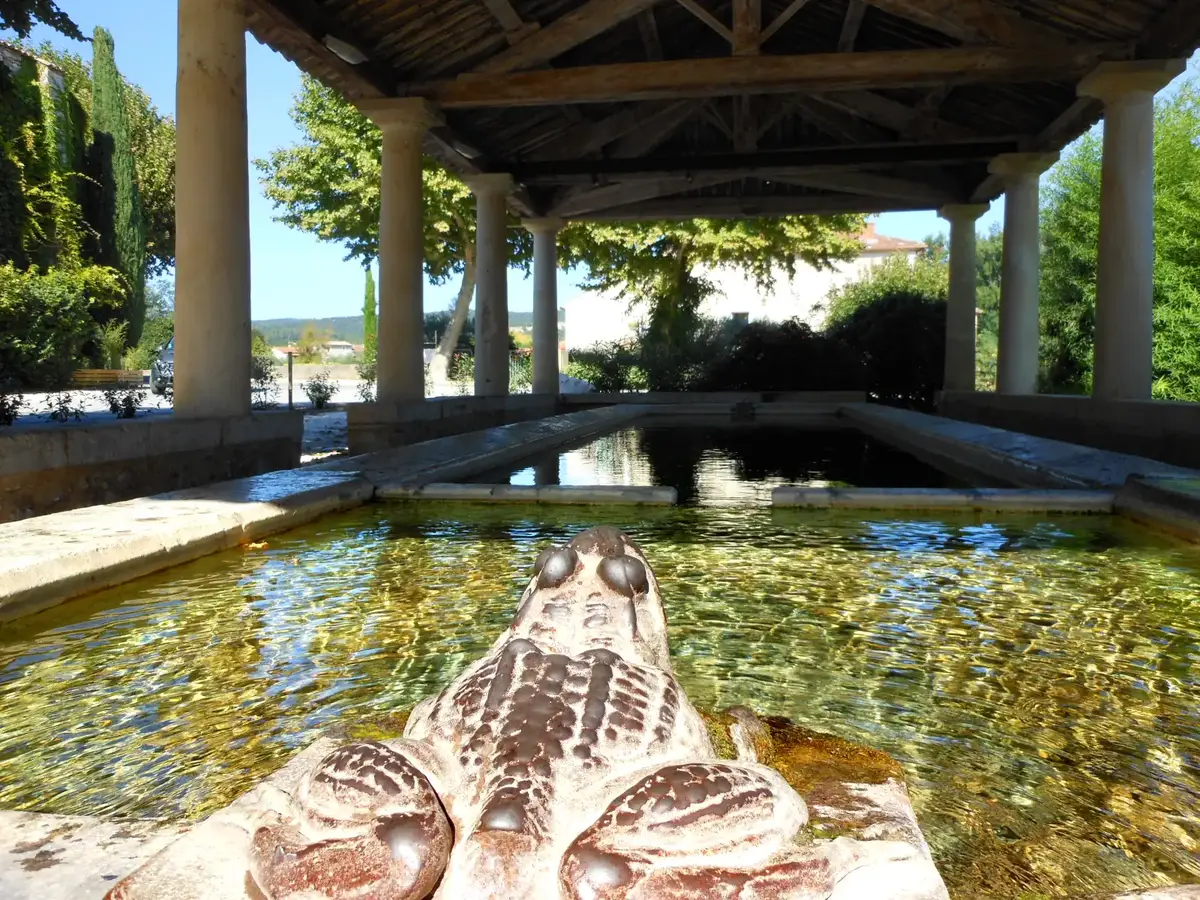
The route continues to the large washhouse, where a broad roof supported by columns shelters the basin. Washerwomen once did their laundry here, making it both a place of work and a meeting place. Today, a cast-iron frog catches the eye beside the water.
Opposite stand the former Notre-Dame de Caseneuve chapel, now converted into a home, and an old oil mill once powered by water. A path then follows vegetable gardens still irrigated by the springs before reaching the Cèze at the Gambionne footbridge.
The church and the former abbey buildings
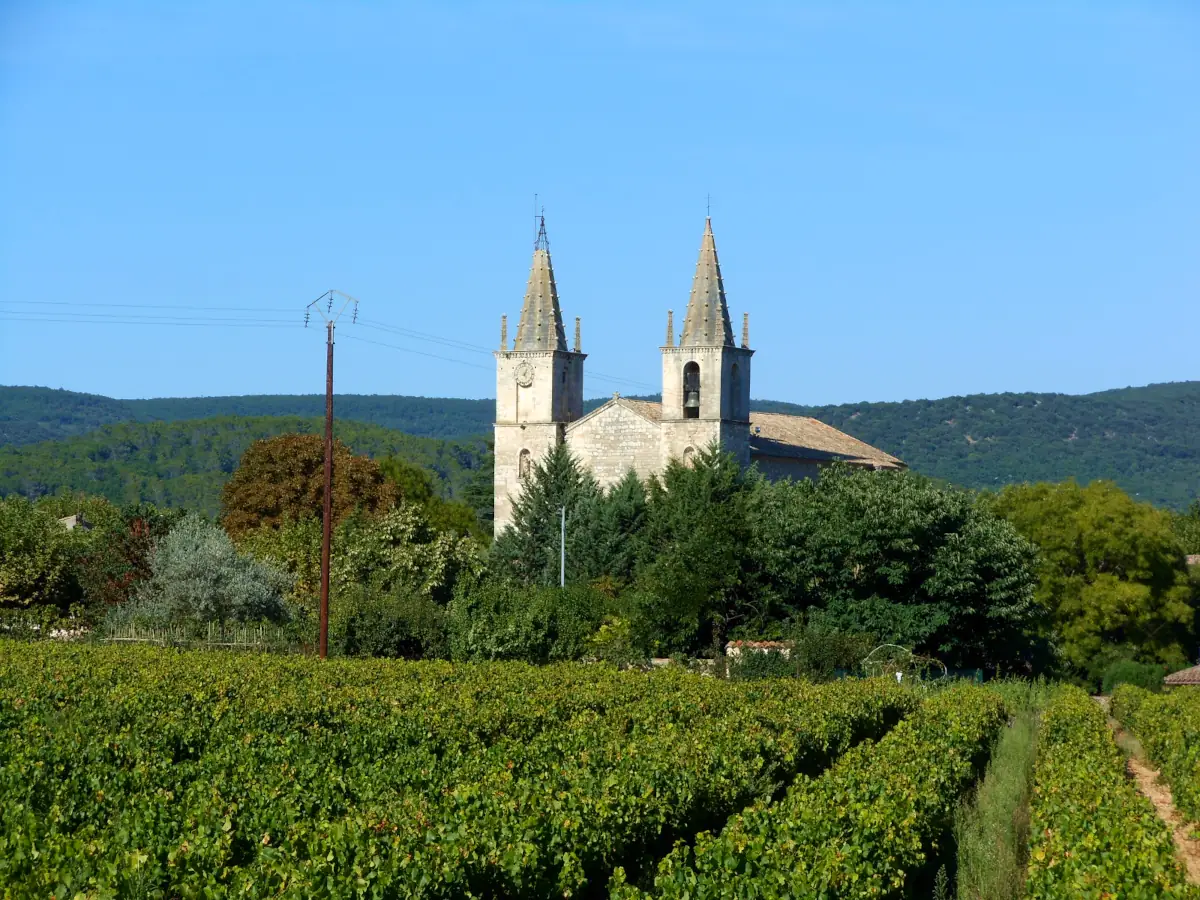
In the Middle Ages, a Benedictine community settled in Goudargues and developed a monastic complex. Built mainly in the 12th century, then altered and restored, the church of Notre-Dame-et-Saint-Michel remains its most visible feature.
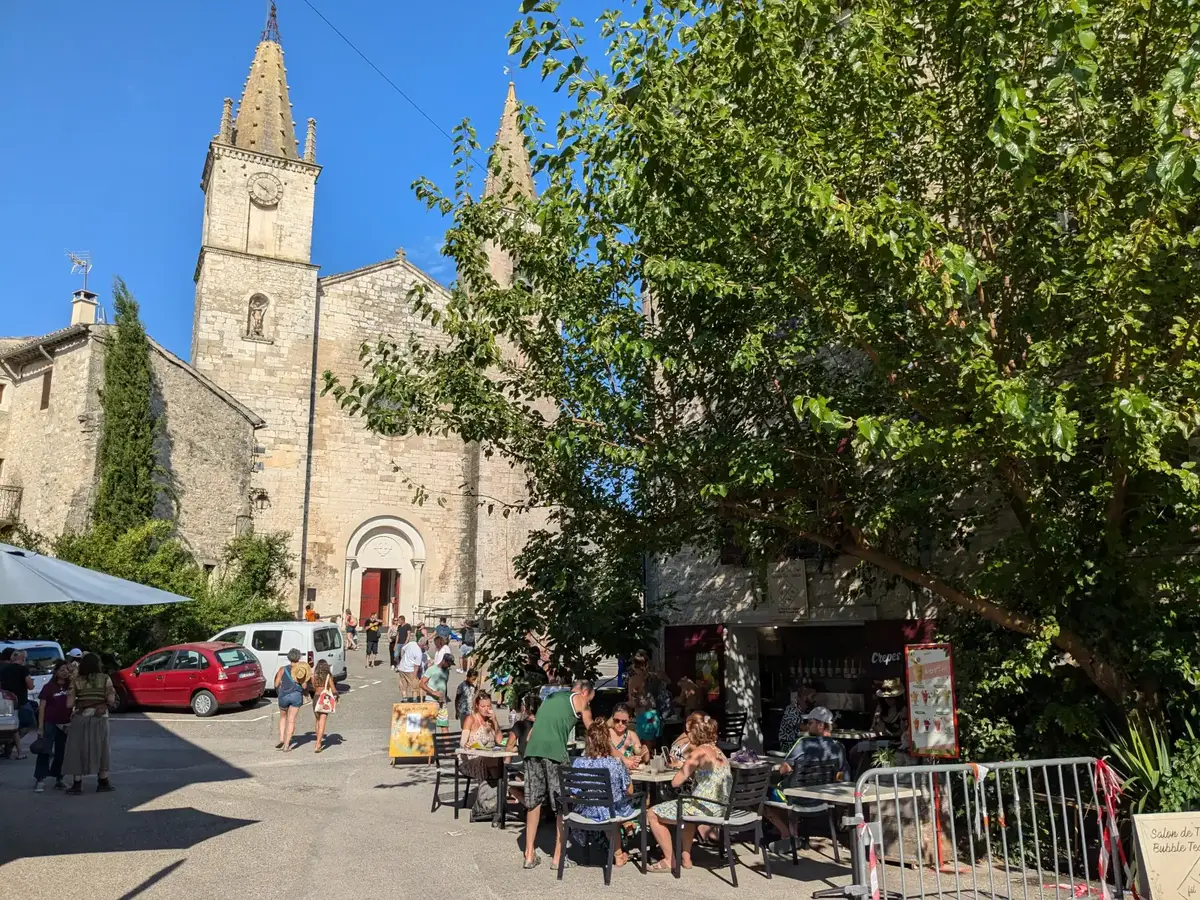
Inside, the apse is the oldest part of the building; it has been listed as a historic monument since 1939. Around the church, the former priory buildings once housed the monastic community’s living quarters.
From the monks’ settlement to the agricultural and domestic uses of water, the village grew around the Fontaine. The surviving structures trace a continuous route between the historic centre and the gardens near the Cèze.
Extend your stay
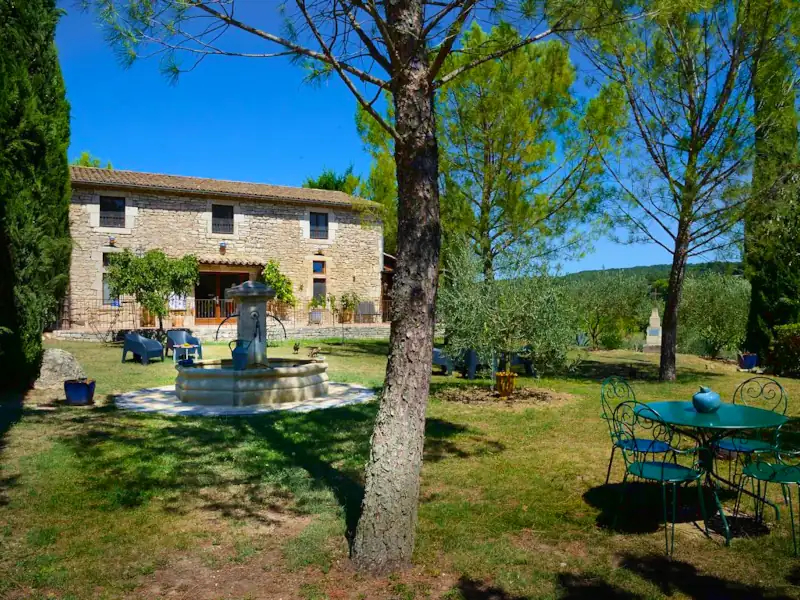
Guest houses in the Cèze Gorges to extend your getaway
Staying in the valley makes it possible to discover Goudargues and the neighbouring villages at different times of day. The portal features independent guest houses and favours direct contact with their owners.
These properties listed on the Portal are within 25 km as the crow flies of the location featured in this getaway. Visit their websites to plan your stay.
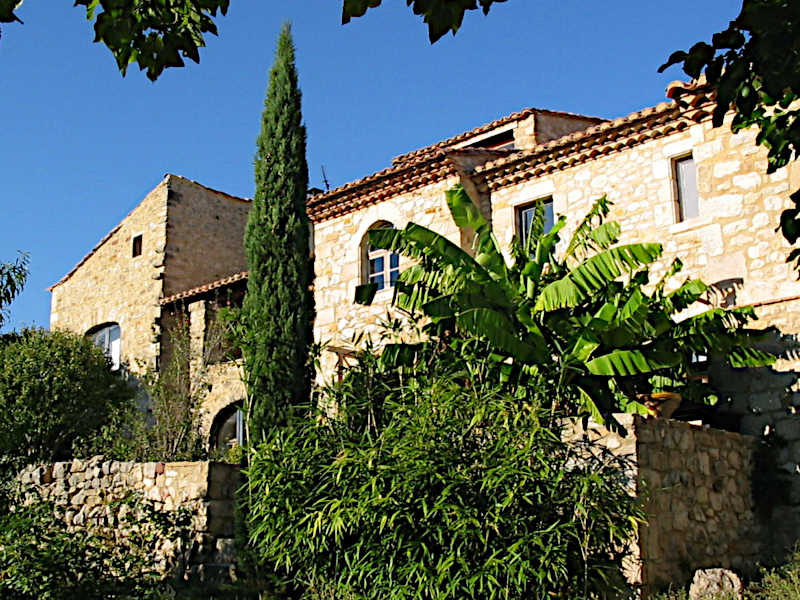
Goudargues in the Cèze Valley
In Goudargues, the course of the water eventually reaches the Cèze at the edge of the village. In summer, people come to its banks to swim. From the centre, paths cross the gardens to the river.
Nearby, La Roque-sur-Cèze and the Sautadet Waterfalls offer another way to explore the Cèze Valley.