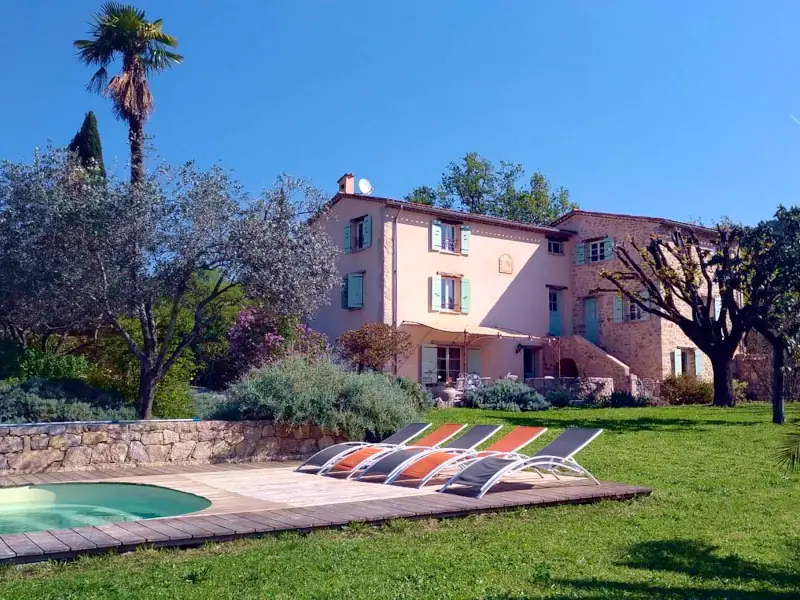
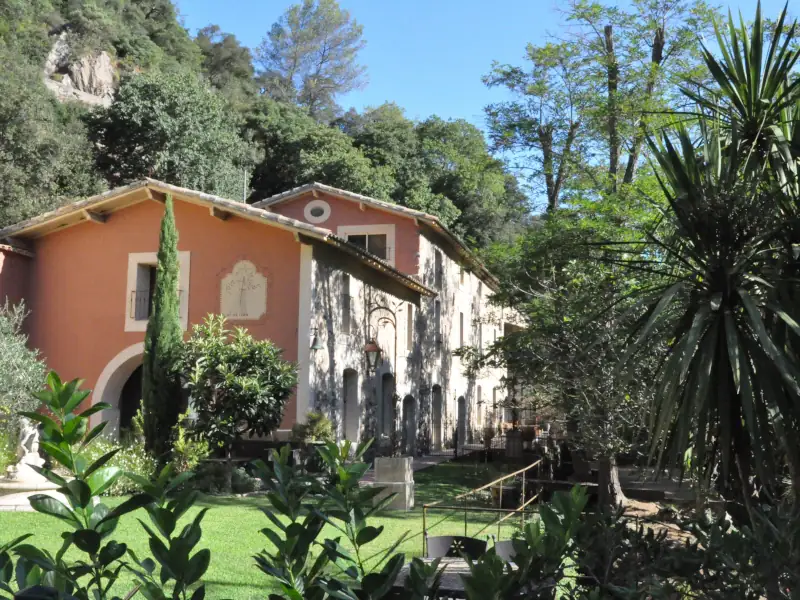
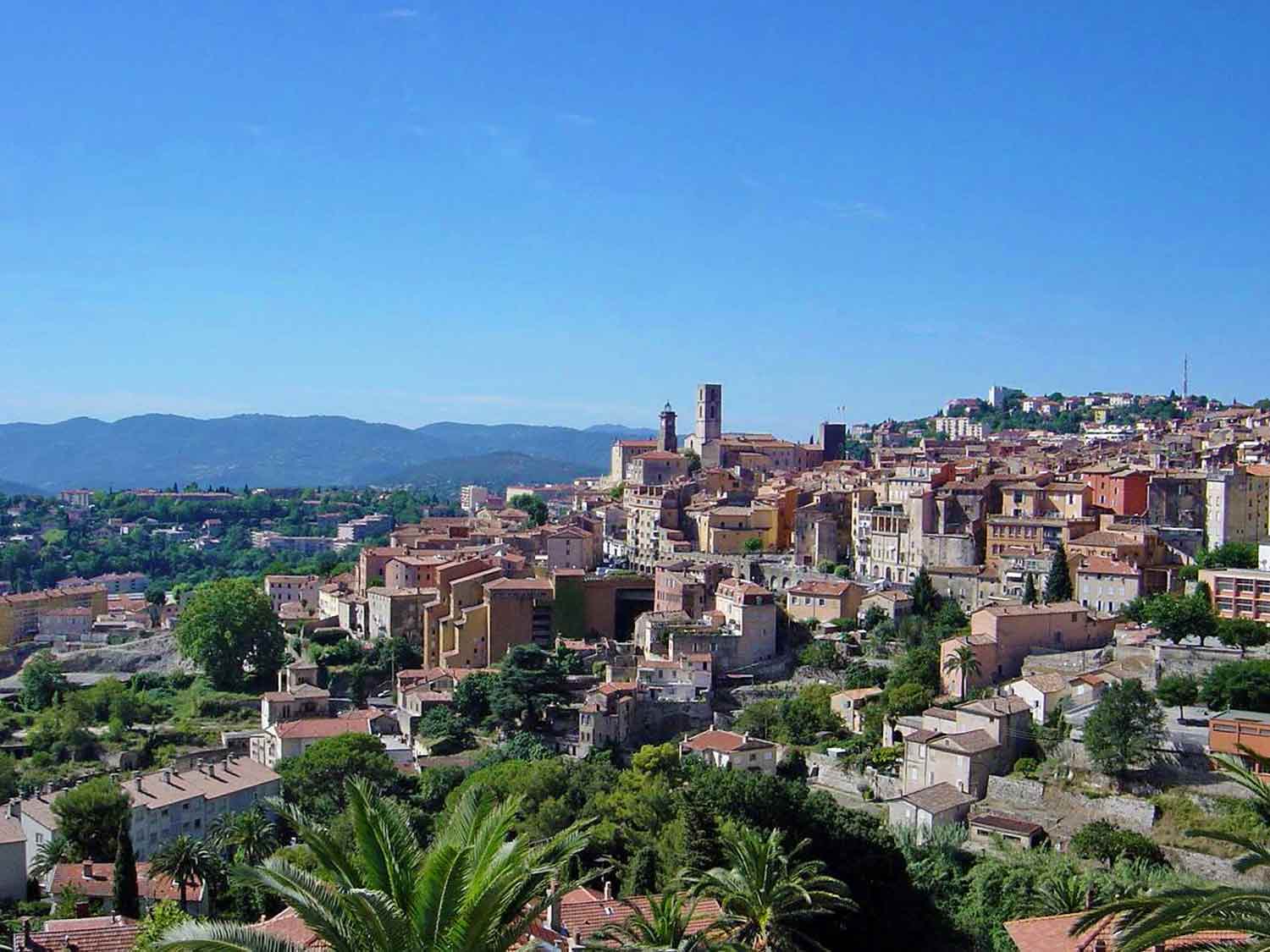
Grasse lies in the Alpes-Maritimes, about twenty kilometres from Cannes. The town is shaped by slope: tight streets, former production districts, views towards the sea and roads rising towards the Prealps.
From scented leather to perfume plants
Grasse’s history passes through leather trades, then the scenting of gloves in the 16th century. The cultivation and processing of fragrant materials later gave a particular role to May rose, jasmine, tuberose and orange blossom. Grasse perfumery depends as much on these plants as on skills of transformation, composition and trade.
Historic houses and the International Perfume Museum
Fragonard, Galimard and Molinard are among the houses that have marked local history. The International Perfume Museum broadens the subject: raw materials, gestures, tools, social uses, bottles and commercial exchanges. It presents Grasse as a town of trades, not simply as an olfactory showcase.
Old town and Notre-Dame-du-Puy cathedral
The old centre brings together narrow passages, steps, compact squares and tall façades. Notre-Dame-du-Puy cathedral keeps works attributed to Rubens and Fragonard. Markets, flower festivals and open workshops still give the centre activity linked to seasons and materials.
Routes through the Grasse hinterland
Around Grasse, roads lead to Cabris, Saint-Cézaire-sur-Siagne, Pays de Fayence and the Prealpine plateaus. A stay can therefore combine town, perfumery, hillside paths and access to the French Riviera, with welcome distance from the seafront.

 Meals with the hosts