


A getaway in Provence Verte
Saint-Maximin and the Basilica of Mary Magdalene
Text and photographs by Vincent Flachaire
Visible from afar, the Gothic basilica towers over the houses of old Saint-Maximin. A major Christian pilgrimage site, it holds the relics of Saint Mary Magdalene.
A basilica for Mary Magdalene’s pilgrims
North of the Sainte-Baume massif, the streets of old Saint-Maximin open onto Place de l’Hôtel-de-Ville at the foot of the basilica. Inside, the pillars of the nave soar towards the vaults and tall windows light the choir.
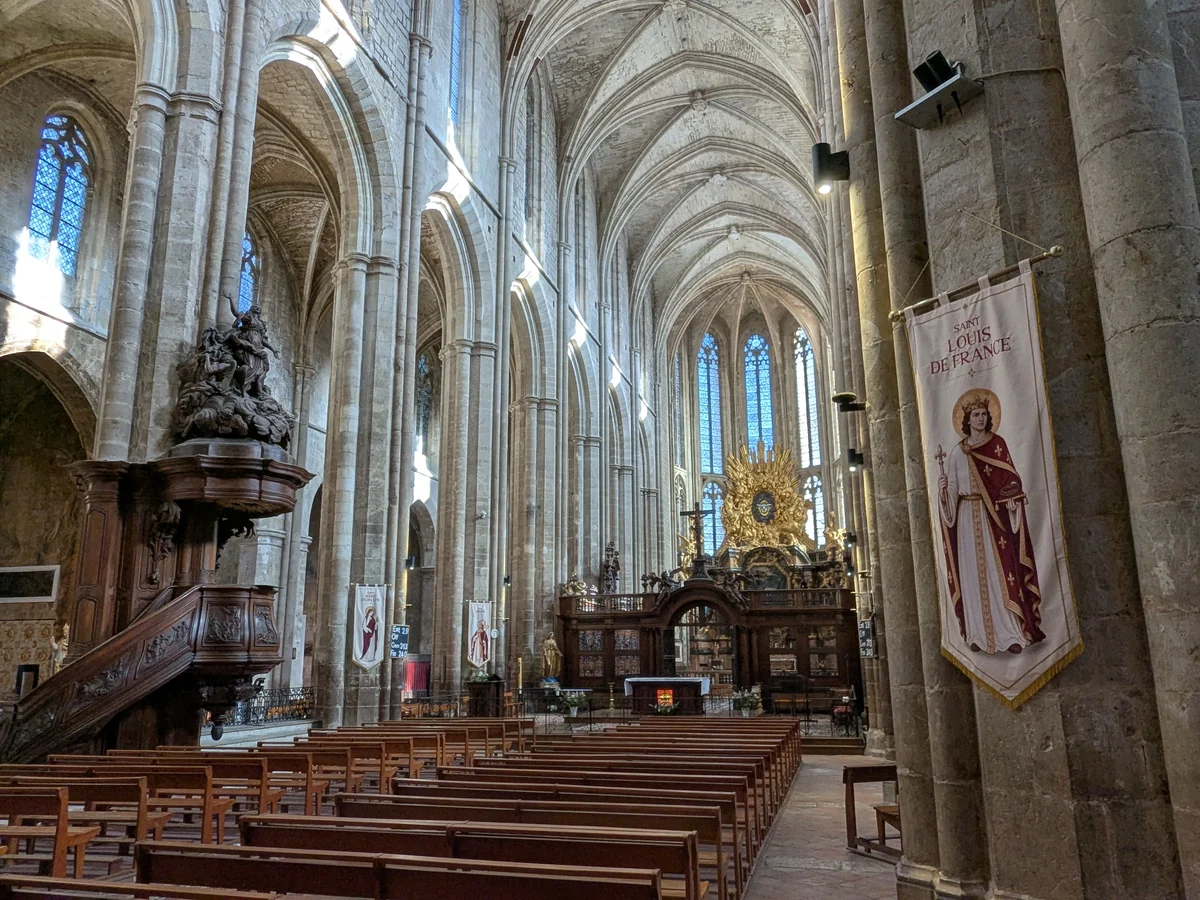
The scale of the building speaks to a medieval ambition. In 1295, Charles II of Anjou, Count of Provence, began building a basilica for pilgrims who came to venerate the relics attributed to Mary Magdalene. He brought the Gothic style of northern France to the Provençal town as a mark of his dynasty’s prestige.
Mary Magdalene’s crypt
Beneath the great Gothic church, a few steps lead to a small vaulted room containing early Christian sarcophagi. In 1279, Charles of Anjou ordered a search of the burial site. Remains found there were identified as Mary Magdalene’s, reviving the pilgrimage and leading to the construction of the present basilica.
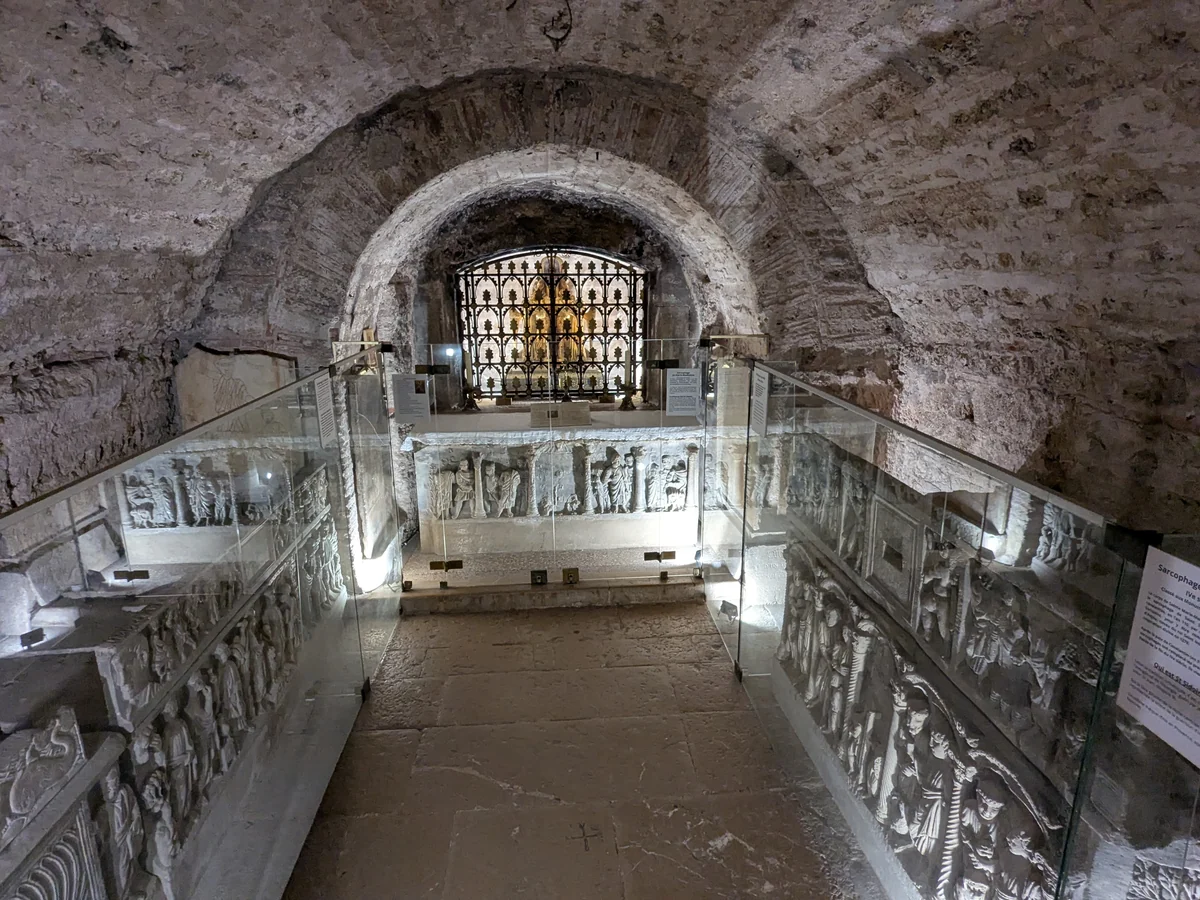
Behind a grille, a reliquary holds the skull venerated as that of the saint. Mary Magdalene, also known as Mary of Magdala, was one of Jesus’s disciples. In the Gospel of John, she is the first to see him after the Resurrection and takes the news to the disciples.
According to Provençal tradition, she lived in seclusion in the Sainte-Baume grotto before Maximin laid her to rest here. The story links the mountain retreat with the tomb in Saint-Maximin.
The sarcophagi of the early Christians
The stone coffins in the crypt bear images from the early centuries of Christianity. Figures in tunics crowd together in little carved scenes. The sarcophagi are traditionally associated with Maximin, Sidoine, Marcelle and Suzanne.
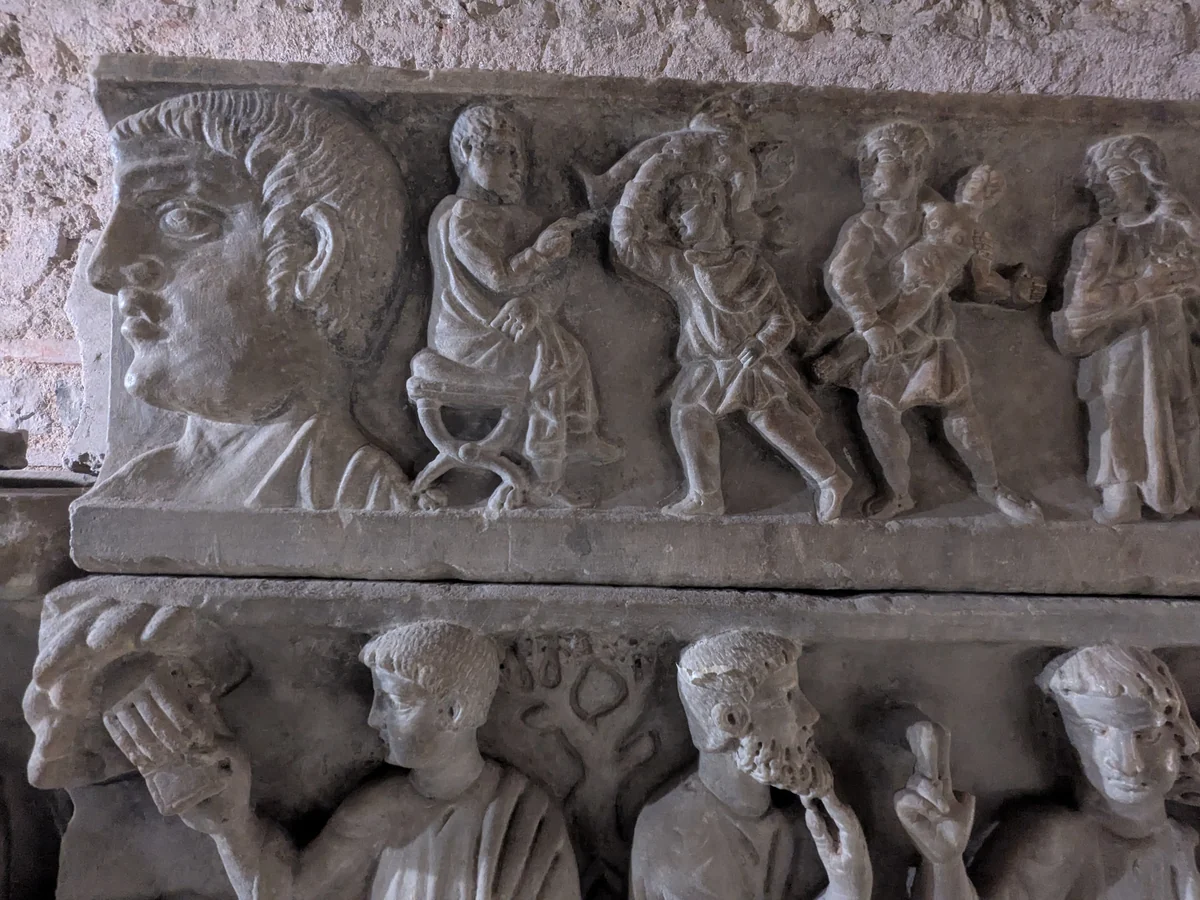
Provençal tradition names Saint Maximin as the first bishop of Aix-en-Provence. He is said to have accompanied Mary Magdalene to the region and given her communion before her death.
The choir stalls and the Passion altarpiece
The Dominican friars took their places in the choir for services. Ninety-four walnut stalls line the choir in two rows. Made between 1681 and 1692 under the direction of Brother Vincent Funel, the woodwork bears carved medallions of the order’s saints.
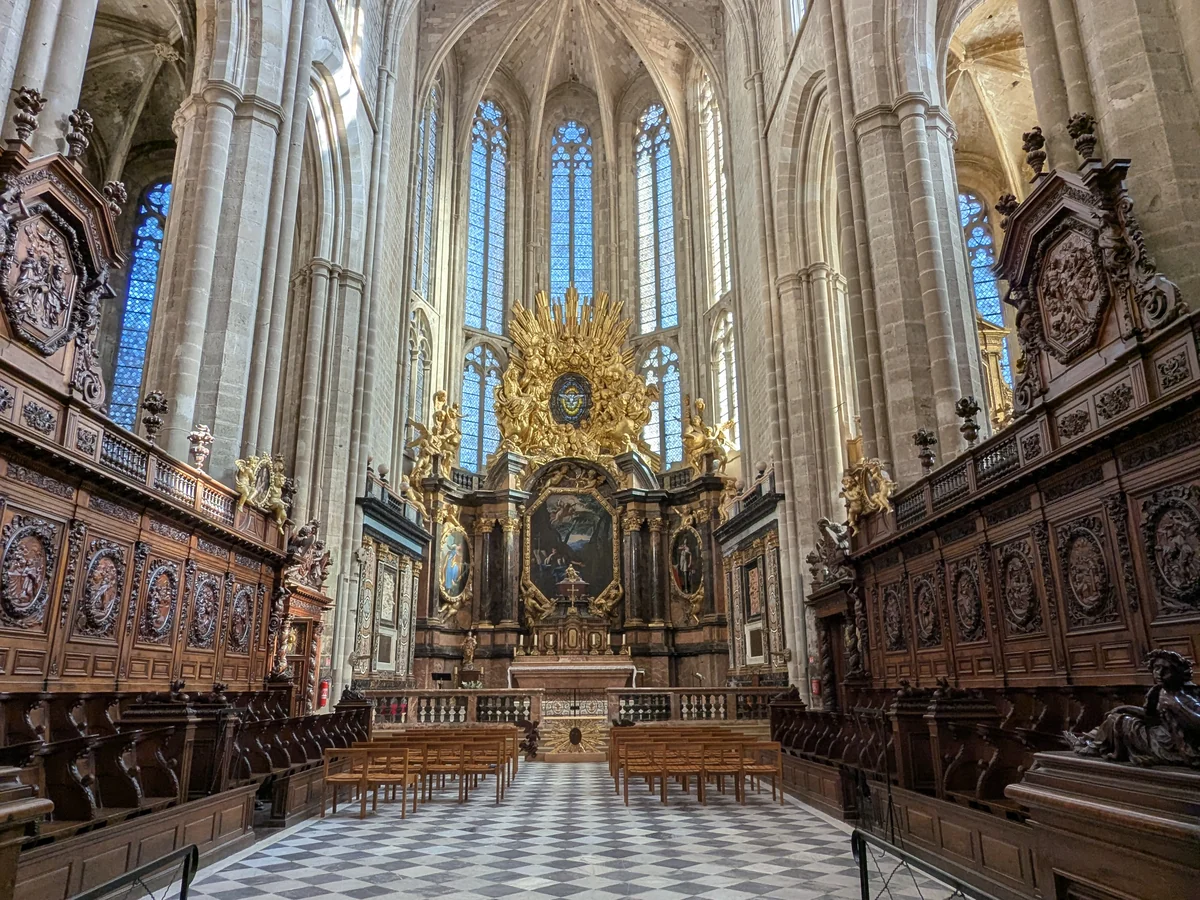
Light from the high windows falls on the seats, carvings and stone floor. In the apse of the north aisle, Antoine Ronzen’s Passion altarpiece, painted between 1517 and 1520, sets sixteen scenes around the Crucifixion in a large gilded frame.
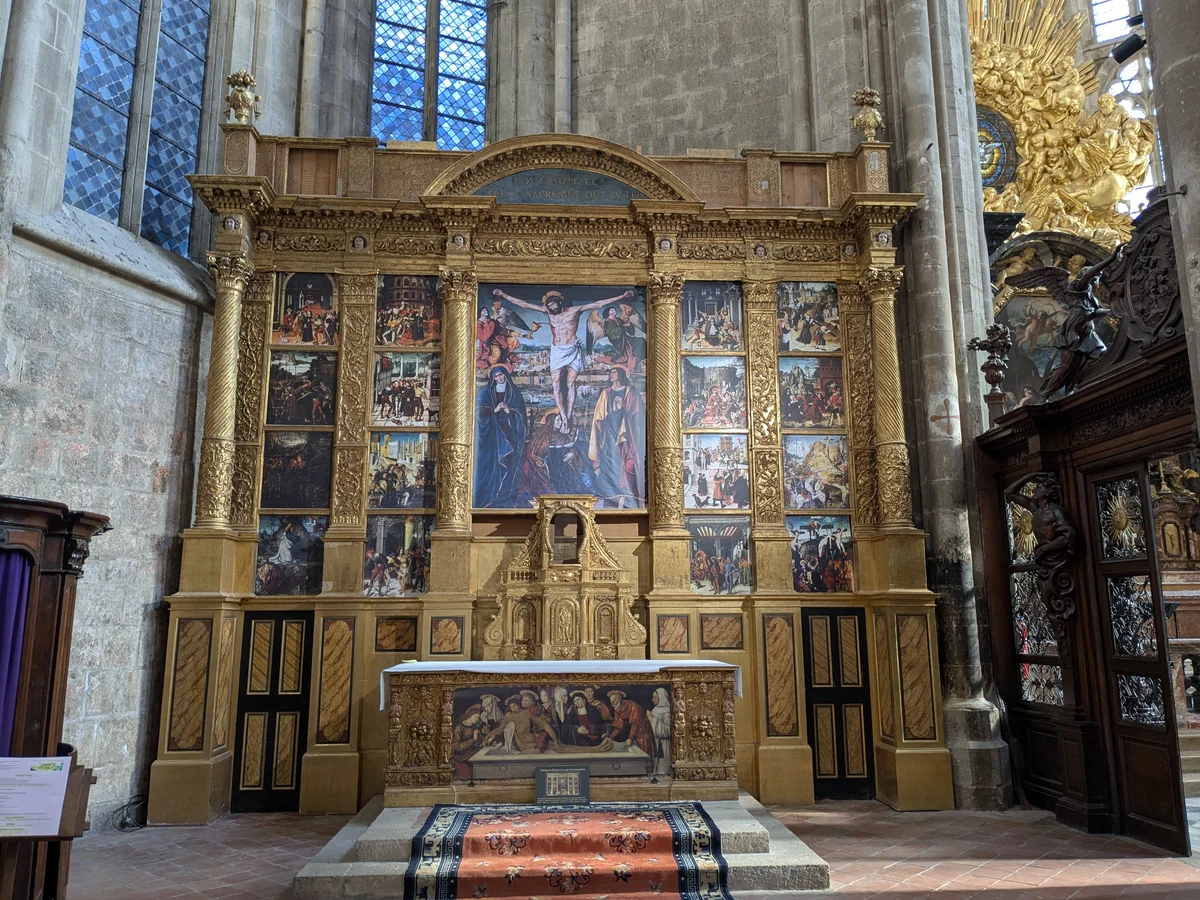
Real buildings appear in the background of the biblical scenes, including the Colosseum in Rome and the Palace of the Popes in Avignon. Ronzen drew on the cities of his own time for the settings of the Passion.
An organ saved by La Marseillaise
At the far end of the nave, the pipes of the great organ rise above the entrance. Built between 1772 and 1774 by the Dominican friar Jean-Esprit Isnard, the instrument retains its 2,960 original pipes.
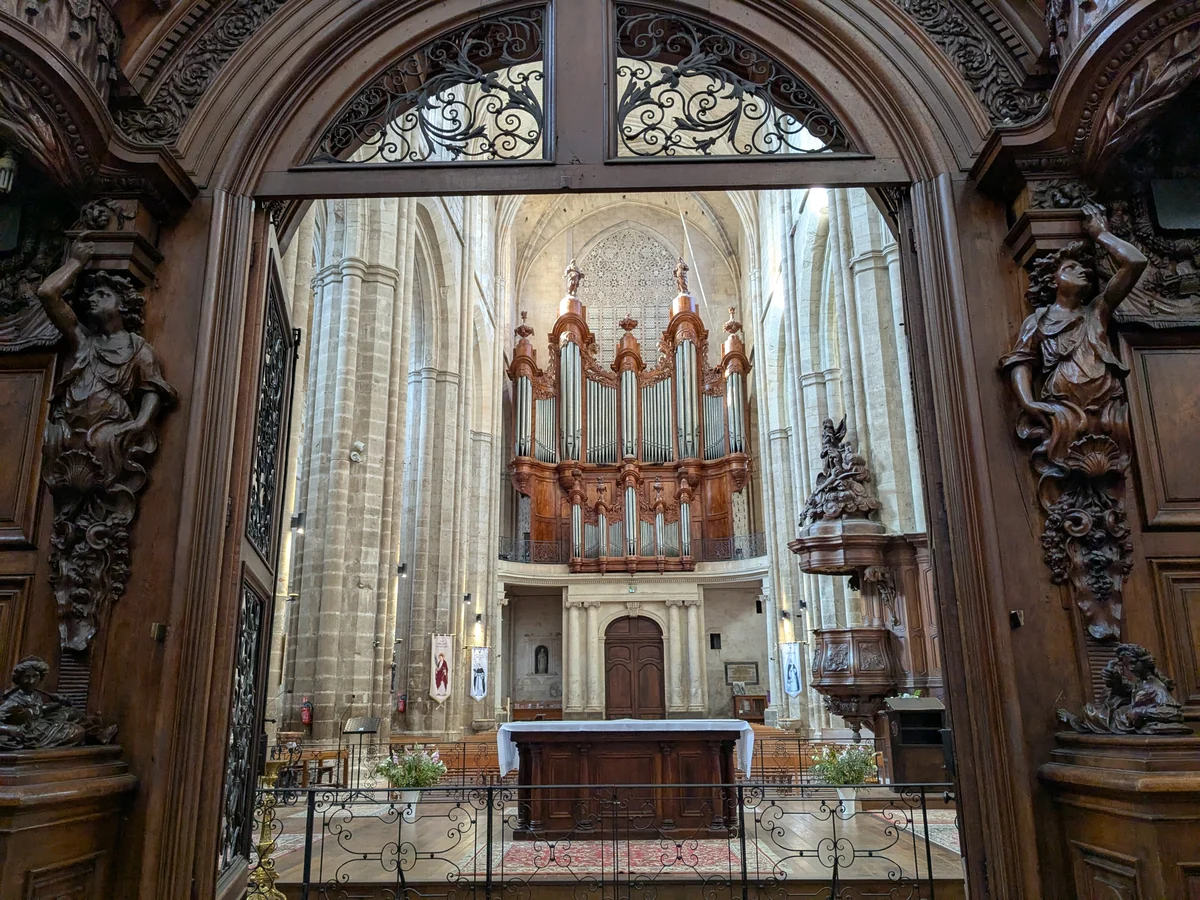
According to a local story, the organist Forcade saved it during the French Revolution by playing La Marseillaise in front of Barras and Fréron. The organ can still be heard in the nave during concerts.
A basilica left unfinished
On Place de l’Hôtel-de-Ville, the main façade presents a tall blank wall. The planned grand portal and bell tower were never built. The rose window intended for the space above the entrance was never installed.
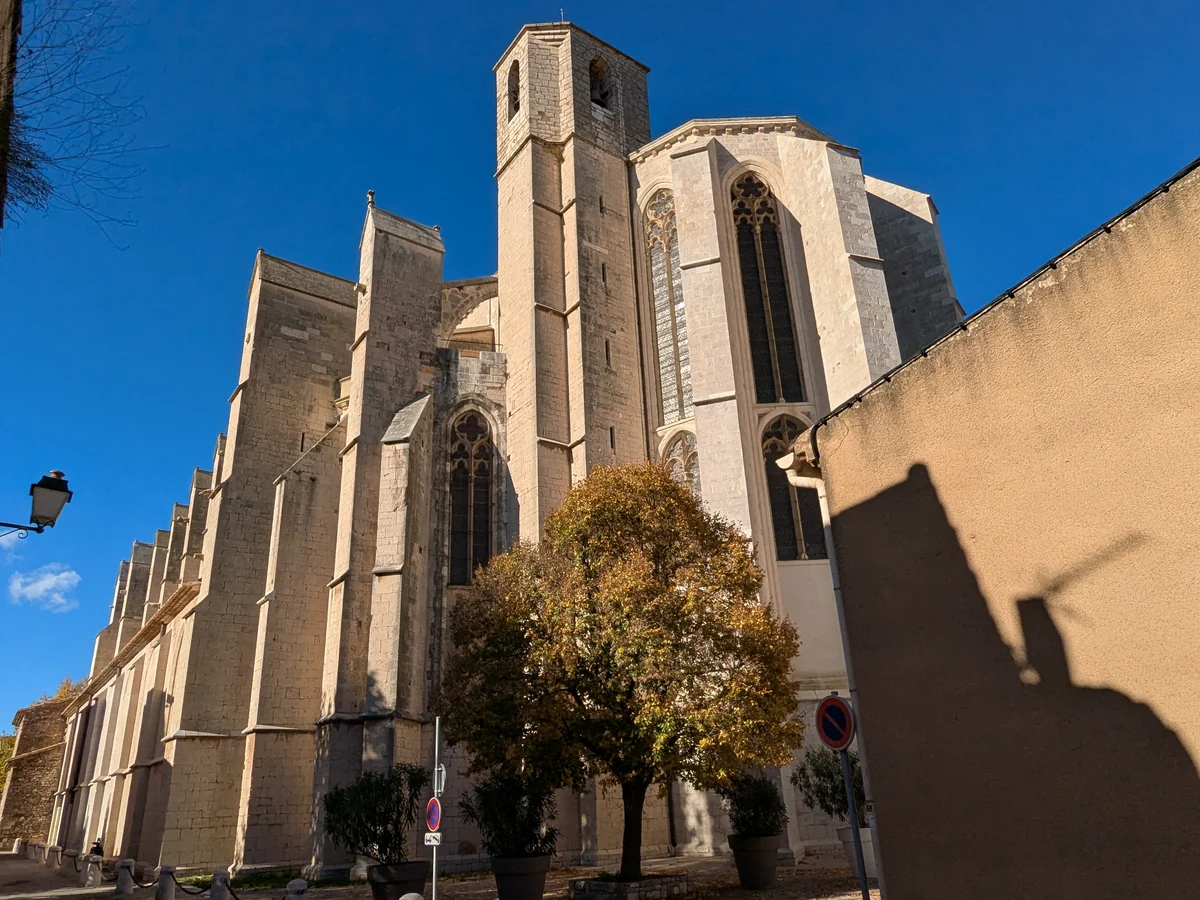
Along the sides, buttresses punctuate the length of the nave. Construction went on in stages for more than two centuries, with interruptions as conditions grew difficult. In 1532, work stopped for good when funds ran out.
The monastery and a museum in the making
The royal monastery adjoins the basilica. The Dominican friars lived here next to the shrine they looked after. The chapter house, refectory and friars’ cells were arranged around the cloister. The complex later housed a hotel that closed in 2020 ahead of restoration.
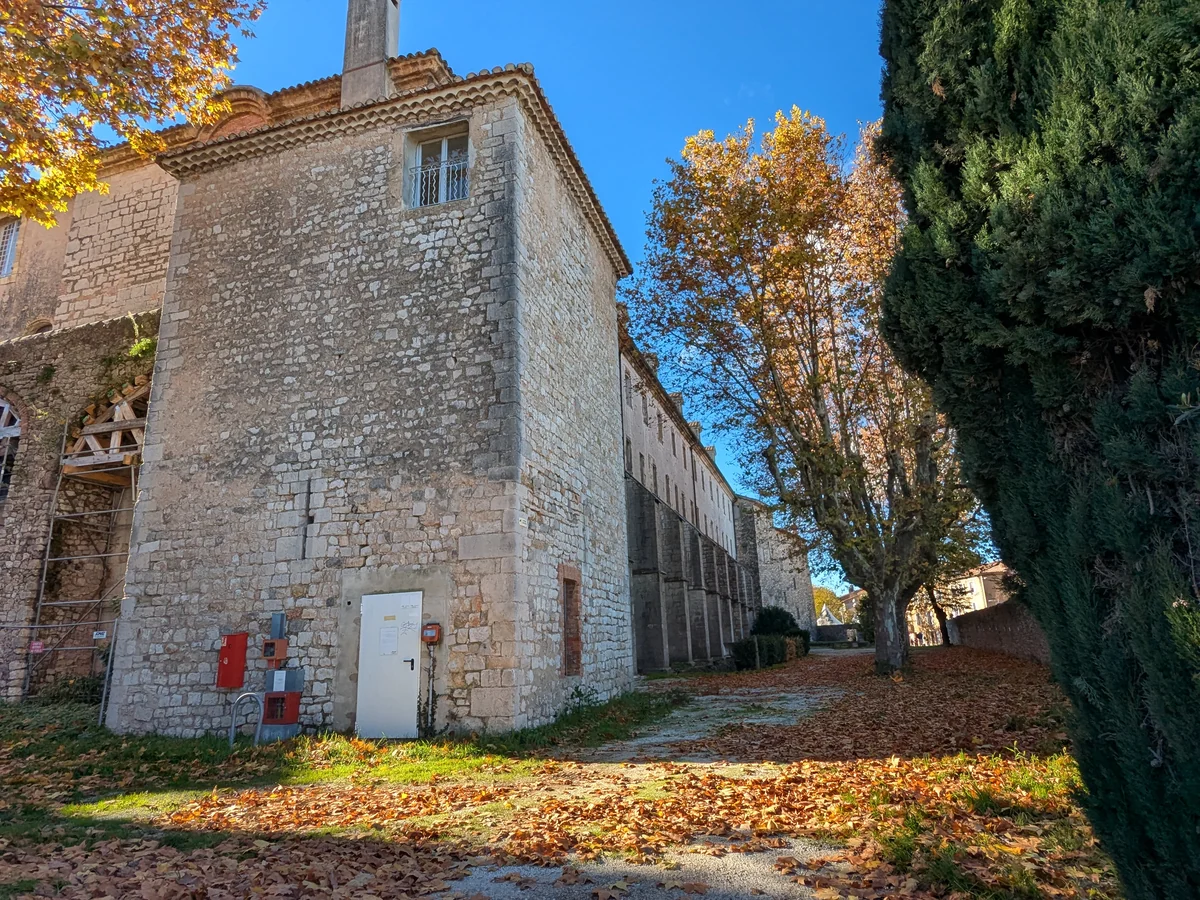
The royal monastery is set to house the Museum of Medieval Provence, due to open in 2033. The department’s project also includes exhibition and performance spaces. A tree-lined path runs alongside the buildings undergoing restoration.
The streets around the basilica
A few steps away, Place de la Révolution was once known as Place de la Dîme, or Tithe Square.
In the old town centre, the Dominican convent of Sainte-Catherine-de-Sienne, founded in 1645, was sold and divided up after the Revolution.
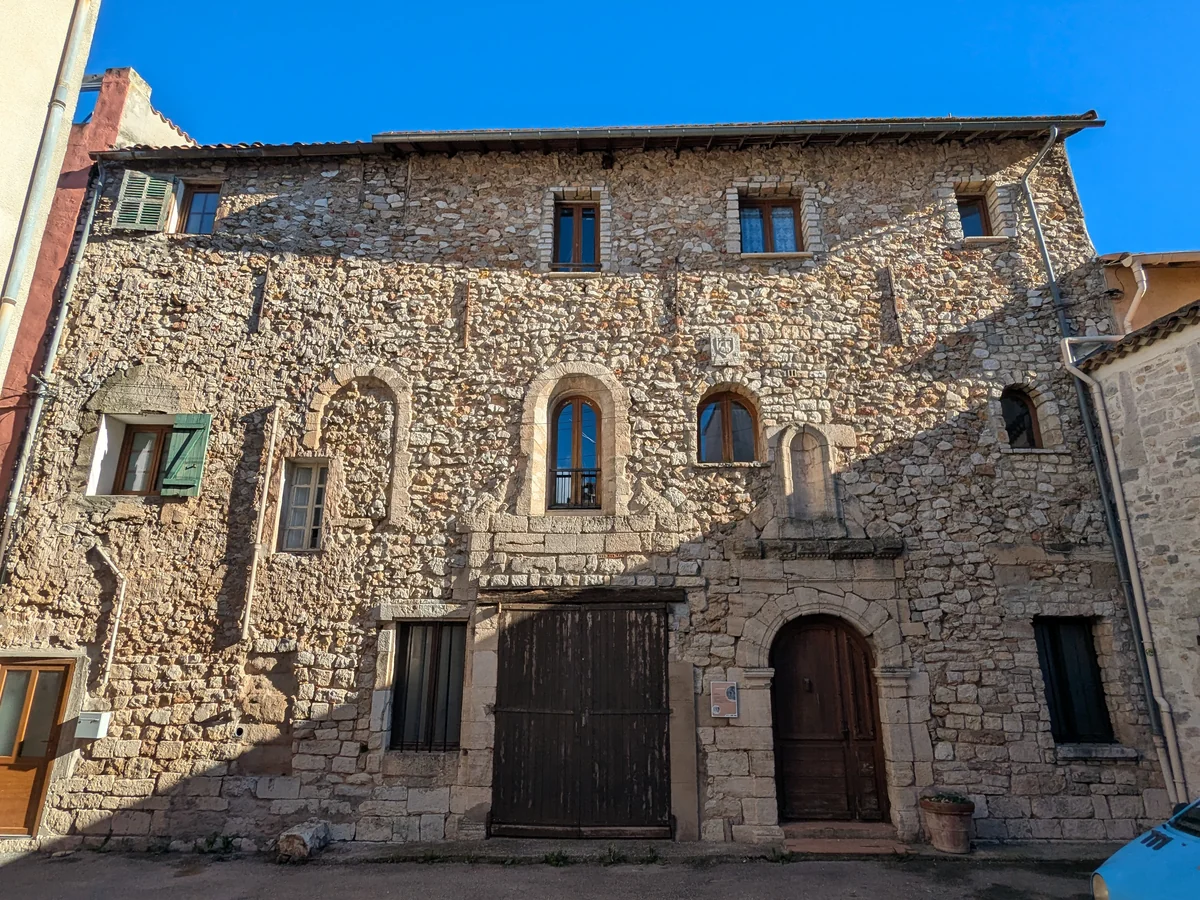
On Rue Colbert, houses extend over the street, sheltering a passage beneath the arches. The neighbourhood recalls Saint-Maximin’s medieval Jewish community.
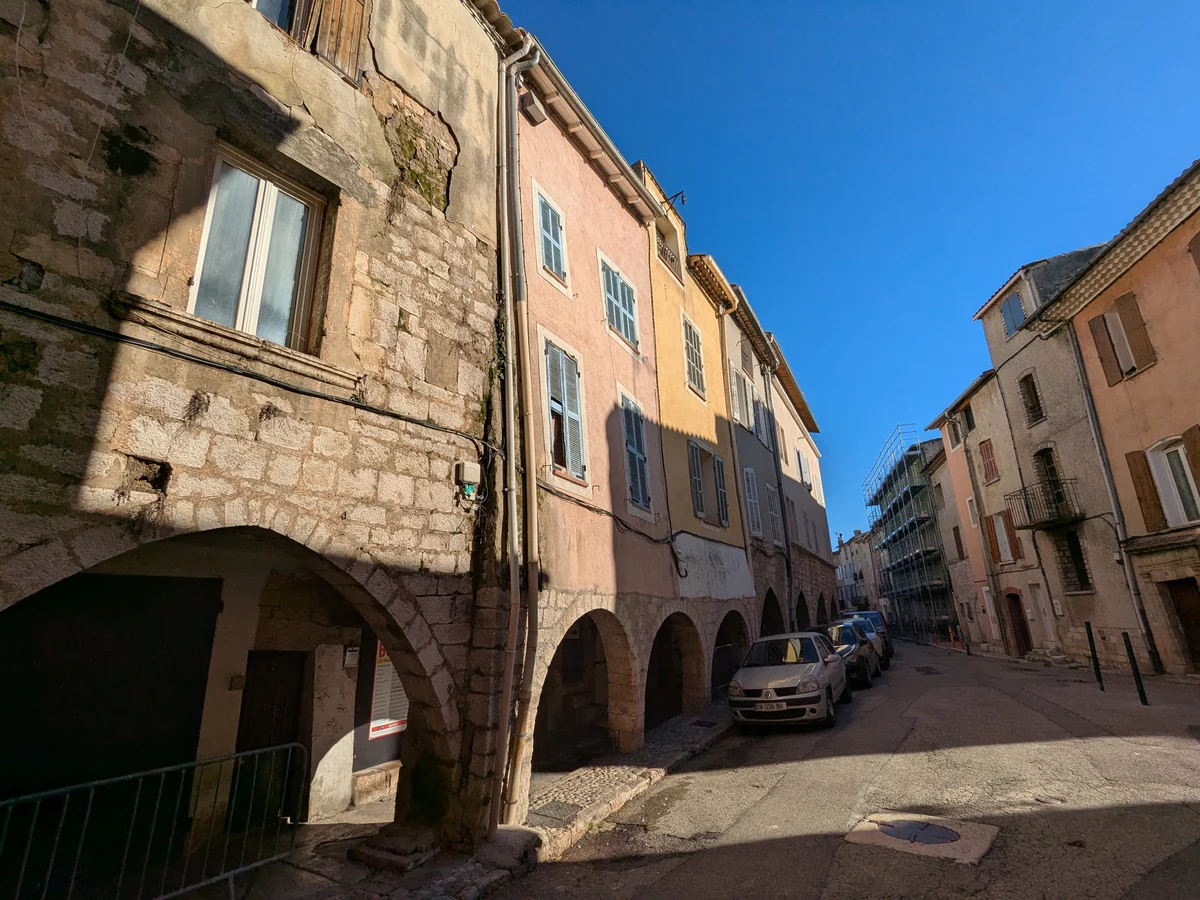
The projections gave residents more space above a covered passage. A privilege granted by King Robert of Anjou in 1323 allowed the arcades to survive when similar structures were condemned on defensive grounds.
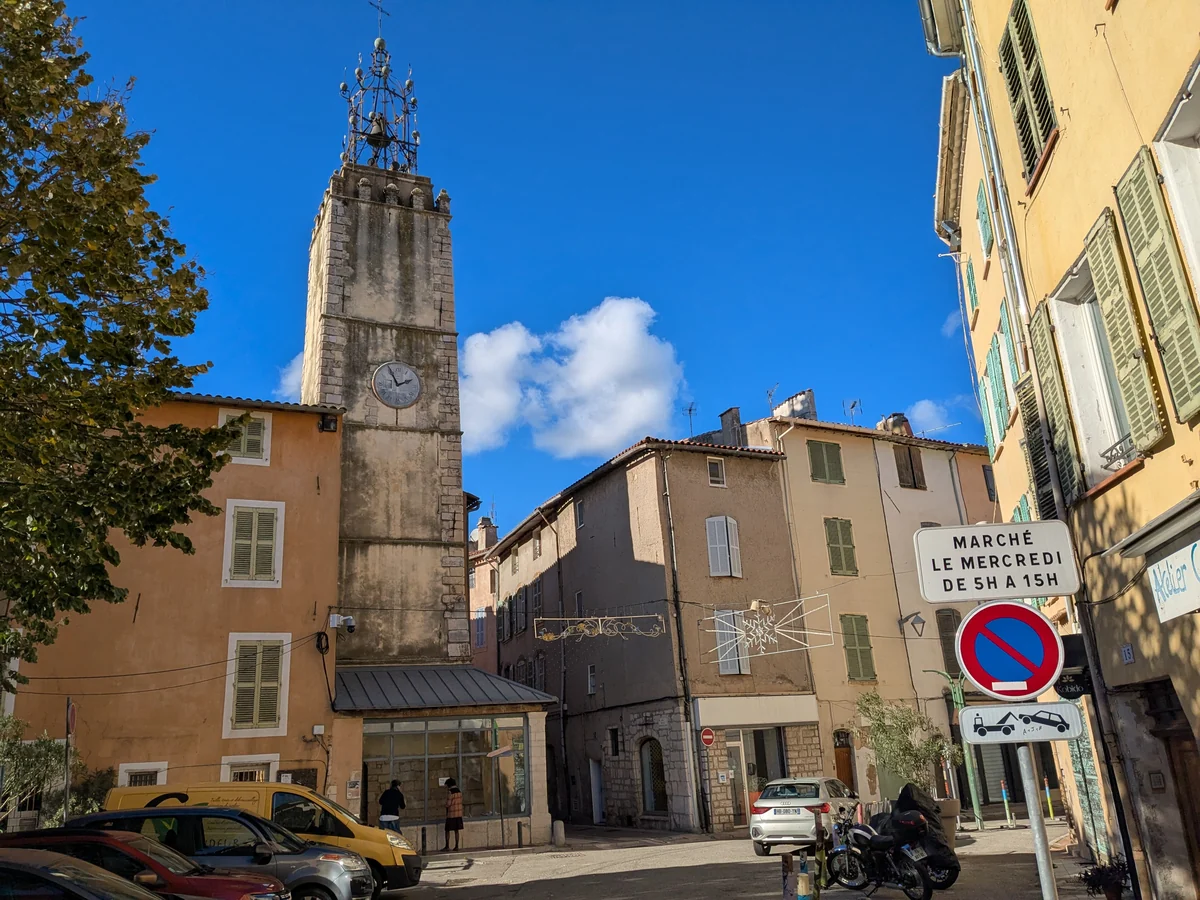
Farther on, the clock tower overlooks Place Martin-Bidouré, once the town’s commercial centre. Its iron bell frame holds a bell dating from 1476. On Wednesday mornings, the market fills the streets and squares as far as Place Malherbe and its fountain.
Continue the getaway
A visit to Mary Magdalene’s grotto complements the basilica. From Plan-d’Aups, the path climbs through the forest to the shrine set into the cliff. The two sites are stages of the same Provençal pilgrimage.
In Provence Verte, Cours Gambetta in Cotignac leads from café terraces under plane trees to the lanes of the old village. To the west, a walk through old Aix passes Saint-Sauveur Cathedral on Rue Gaston-de-Saporta.
Practical information
Visiting Saint-Maximin and its basilica
- Time
- Allow around two hours for the basilica, the crypt and a walk through the surrounding streets.
- Parking
- Car parks near the centre serve the town and basilica. Paid parking includes two free hours per day.
- Visiting the basilica
- During services, follow the arrangements in place for worshippers.
- Monastery and museum
- The royal monastery is closed for restoration. The department’s provisional schedule puts the opening of the Museum of Medieval Provence in April 2033.
- Market
- The main market is held in the town centre on Wednesday mornings.
Extend your stay
Guest houses to extend your getaway
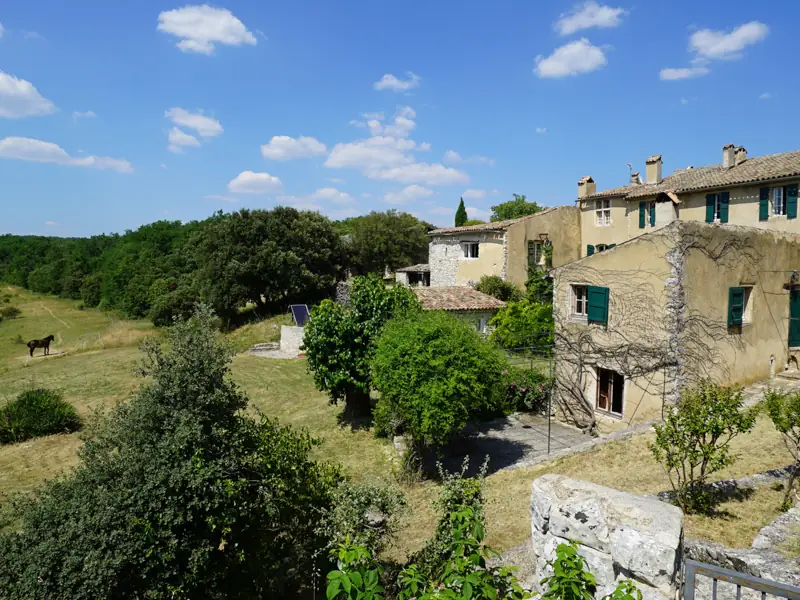
These properties listed on the Portal are within 25 km as the crow flies of the location featured in this getaway. Visit their websites to plan your stay.

Ecolodges en Provence
Huts and yurts
Saint-Maximin-la-Sainte-Baume
Visit website
Last updated: