


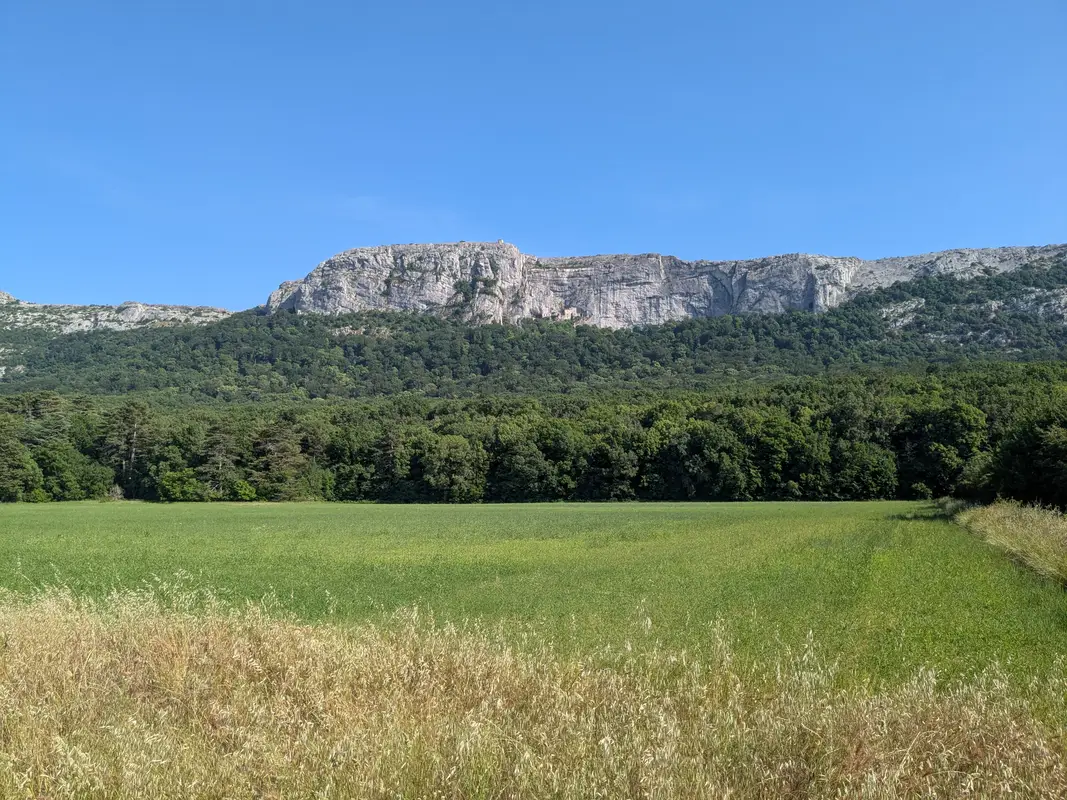
Getaway to the Sainte-Baume
The Grotto of Mary Magdalene
Text and photographs by Vincent Flachaire
A sanctuary perched above a sacred forest
In the footsteps of kings and pilgrims
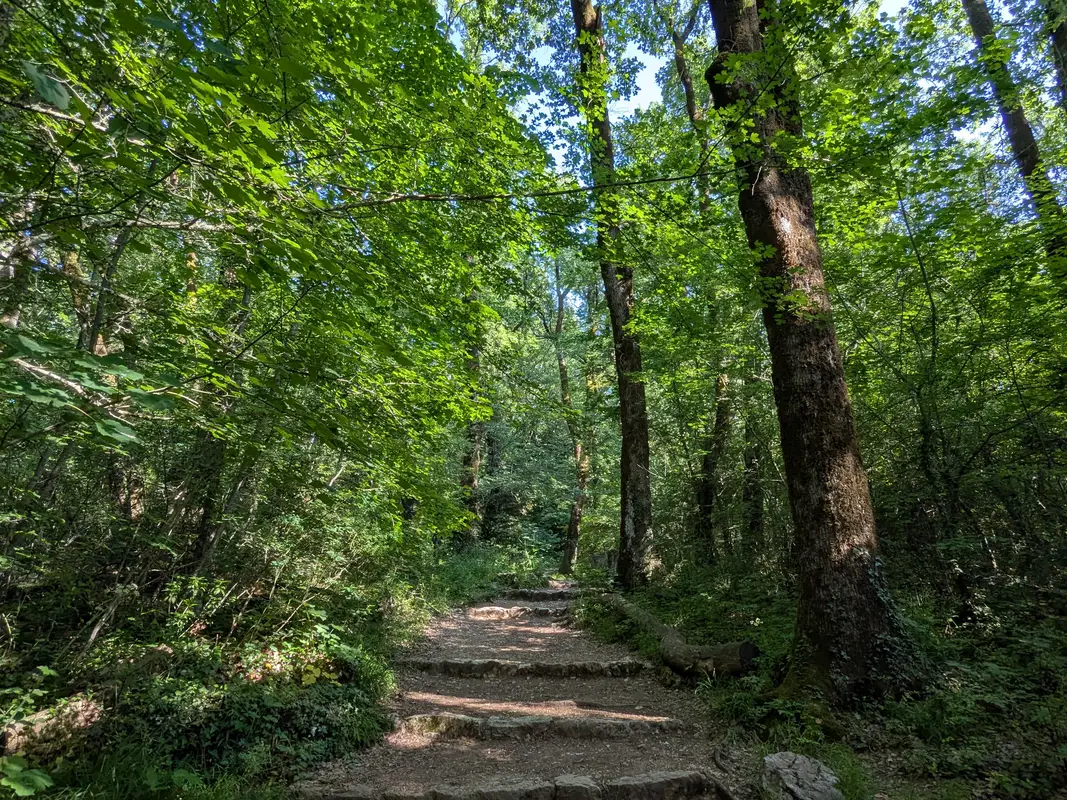
The « Chemin des Roys » is a stone-paved way, once trodden by the pilgrims and sovereigns who came to pray at the sanctuary : from Saint Louis to John Paul II, kings, saints and unknown travellers alike have left their trace on it. The walk starts from the Trois Chênes car park, a little beyond the guest house, and the climb takes three quarters of an hour to an hour.
A beech wood with nothing Provençal about it
Dense, cool and almost austere, it stands in sharp contrast with the Mediterranean vegetation around it. This is a relict of the glacial age, where centuries-old beeches, maples, limes and yews grow side by side, forming a canopy of northern character, unexpected beneath this climate. Regarded as sacred, the wood has been protected since the Middle Ages.
A sanctuary hollowed into the cliff
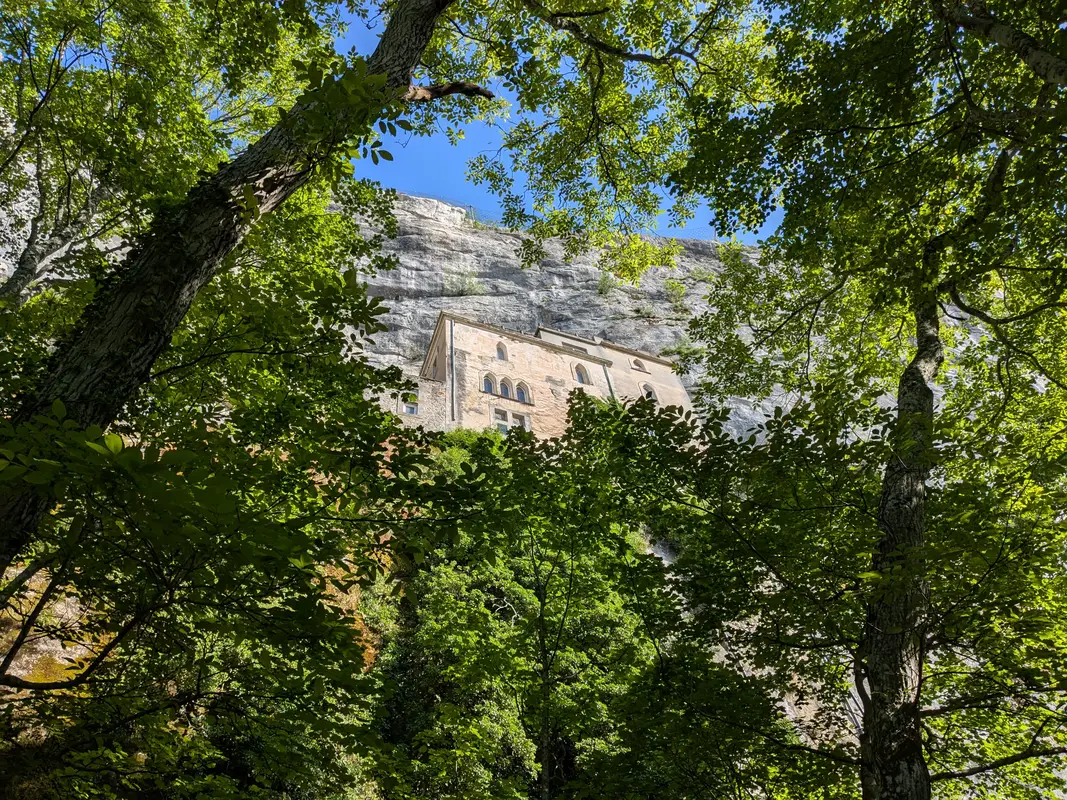
A hundred and fifty steps bring the climb to an end. At nearly 900 metres above sea level, the cliff parts : vast and deep, the grotto cuts naturally into the rock, and the sanctuary has been built into the wall itself. From this height, the view drops away onto the forest far below.
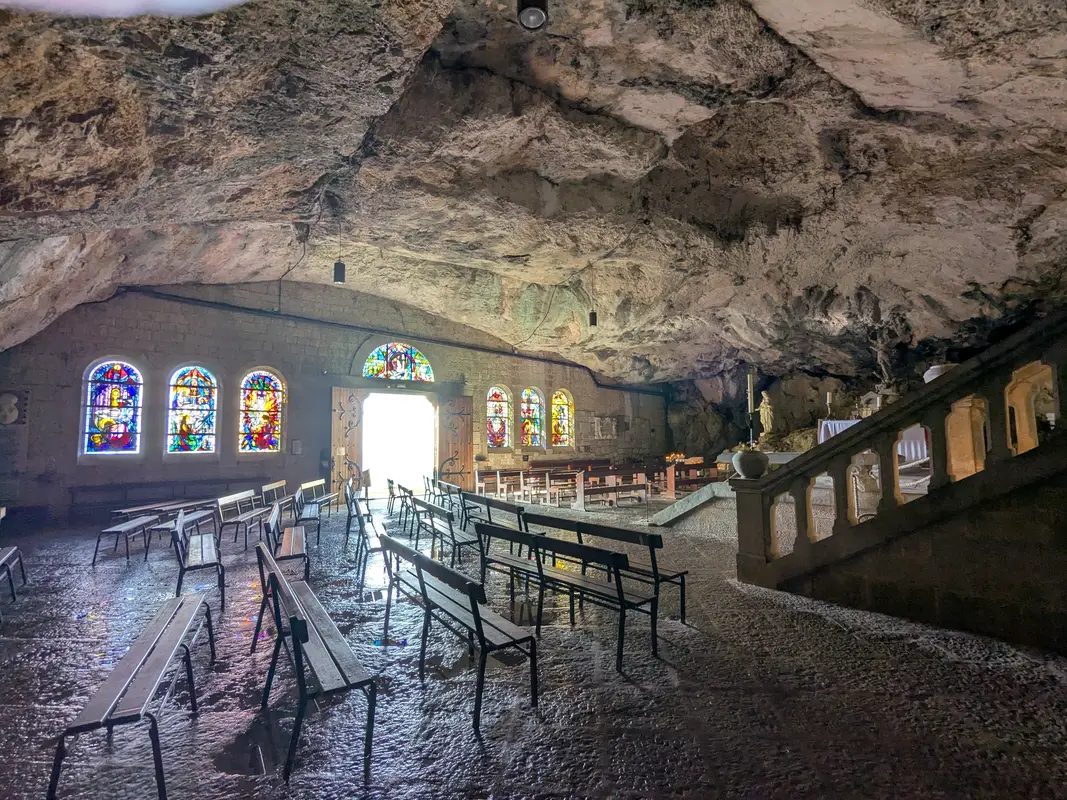
Inside, the chapel occupies the uneven floor of the grotto. Rows of benches face the altar, stained-glass windows are set into the built wall that closes the opening, and the vault remains the bare rock. Behind the altar stands a Mary Magdalene in prayer, a marble by Houdon that came from the charterhouse of Montrieux.
Why Mary Magdalene is venerated here
Mary Magdalene is a major figure of Christianity, called « the apostle of the apostles » by the Catholic Church, for she was the first to witness the Resurrection of Christ and to announce it to the apostles. According to tradition, driven from the Holy Land, she landed at Saintes-Maries-de-la-Mer, passed through Marseille, then found refuge in the Sainte-Baume, where she is said to have lived as a recluse for the last thirty years of her life, in prayer and silence, until her death.
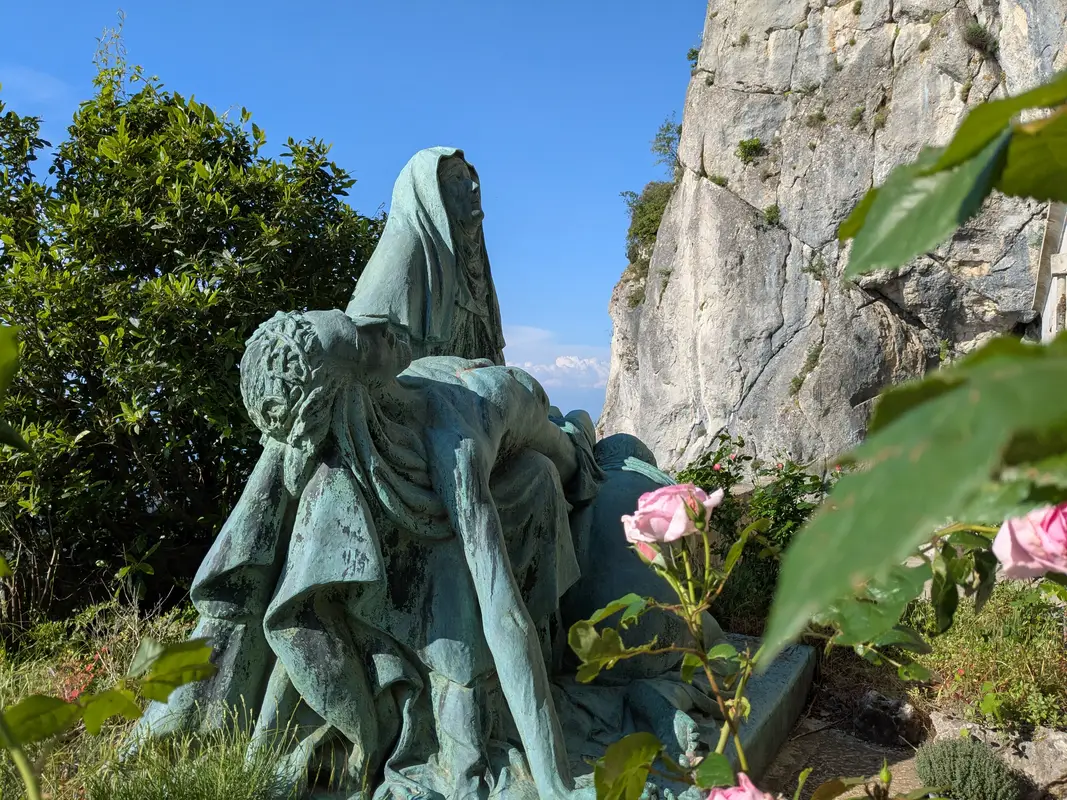
Tradition traces the first signs of veneration back to the 5th century, with the arrival of Saint Cassian. Religious fervour has made this one of the oldest and best-known places of pilgrimage in France, still visited by hundreds of thousands of people every year. The Dominicans settled here in 1295 and have been its custodians ever since. Plundered during the Revolution, the grotto was restored in the 19th century by Father Lacordaire, who also had the present guest house built in 1859.
Towards the ridge and the Saint-Pilon chapel
The trail continues towards the Chapel of the Parisians, joins the crest of the cliff, then leads to the Saint-Pilon chapel, perched above the monastery. From there the horizon opens on both sides : to the south, the Mediterranean glimmers in the distance, over towards Cassis and its calanques ; to the north stands the outline of Mount Sainte-Victoire.
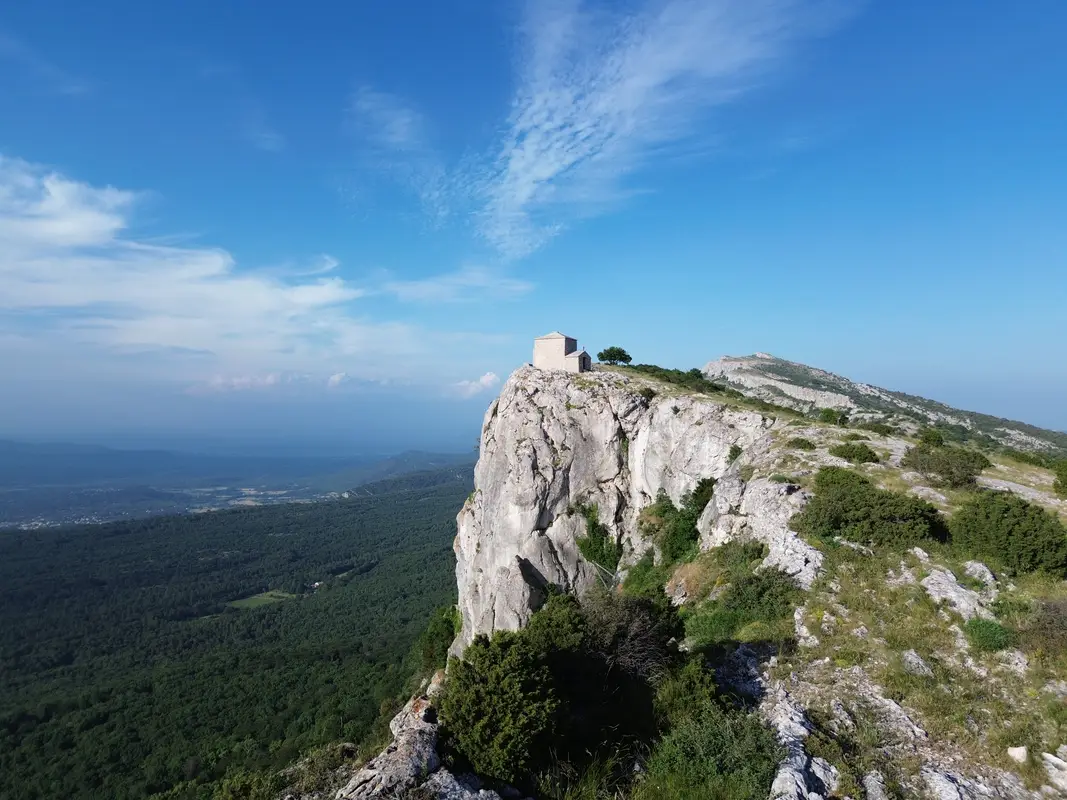
The pilgrimage does not end at the grotto : it is in the crypt of the basilica of Saint-Maximin, at the foot of the massif, that the relics attributed to Mary Magdalene are kept. The climb takes only part of the day, leaving time to reach the villages of the Sainte-Baume afterwards.
Practical information
Walking up to the Sainte-Baume grotto
- Access
- Access to the grotto is free of charge all year round, on foot only. The grotto is open from 8.30 am to 5 pm in winter and from 7.30 am to 6.30 pm in summer.
- The paths
- The Chemin des Roys, the widest and easiest, starts from the Trois Chênes car park and takes three quarters of an hour to an hour. The Chemin du Canapé, steeper, starts near the guest house and takes 30 to 45 minutes. Parking is free along the RD 80 and at Trois Chênes.
- A place of worship
- The sanctuary remains a place of worship : suitable dress is expected and the grotto is closed during services, except to those attending them. Animals are not allowed inside the grotto and must be kept on a lead in the forest.
- Fire restrictions
- From June to September, access to the massif depends on the fire risk. The Var prefecture publishes a map of the massifs each day before 7 pm for the following day : when the level is red, access is forbidden.
Opening times may change. Check the website of the Sainte-Baume sanctuary before your visit.
Extend your stay
Guest houses to extend the getaway
These properties listed on the Portal are within 25 km as the crow flies of the location featured in this getaway. Visit their websites to plan your stay.
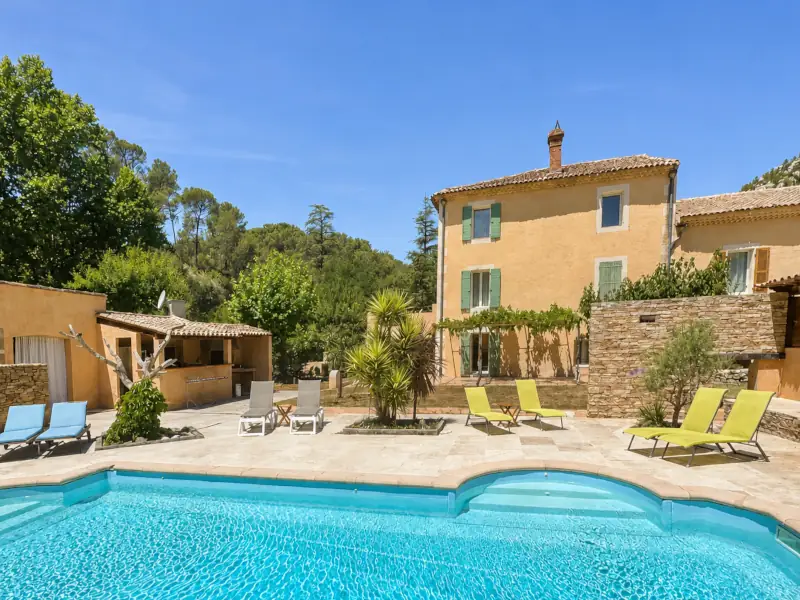

Bastide de Fontvieille
Prestige bed and breakfast
Saint Cyr sur mer
Visit website

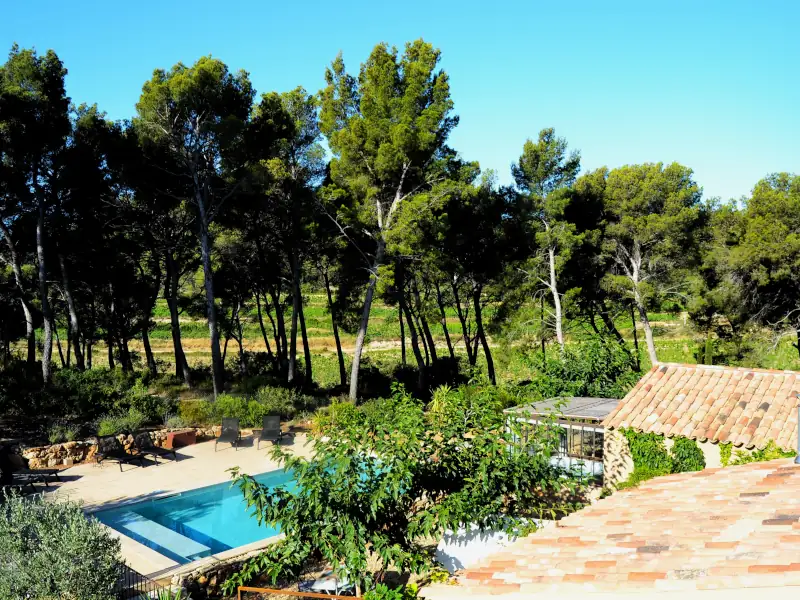
Les Pieds tanqués
Prestige Bed and breakfast
Saint-Cyr-sur-Mer
Visit website
Ecolodges en Provence
Huts and yurts
Saint-Maximin-la-Sainte-Baume
Visit website