


A getaway on the Var coast
Saint-Tropez, from the old harbour to the citadel
Text and photographs by Vincent Flachaire
In Saint-Tropez, from the quays of the old harbour to the citadel above the gulf, boats, painters and memories of ocean-going captains accompany our walk through a town still looking out to sea.
The pointus of the old harbour
Pointus are traditional wooden Mediterranean fishing boats, with rounded hulls and tapered ends at both bow and stern. Once propelled by oars or a triangular lateen sail, they now share the old harbour with yachts. In this basin, leisure boating has taken over from a port where fishermen, merchants and shipwrights once crossed paths.
Wine, timber and cork from the surrounding area left by sea. Tartanes, lateen-rigged cargo boats, carried part of this coastal trade. Near the Annonciade chapel, shipyards also built vessels destined for much longer voyages.

Captains sailing as far as Cape Horn
Between 1791 and 1914, a hydrography school in Saint-Tropez trained masters for coastal trading — carrying goods between ports along a coast — and captains for ocean voyages. Seafaring provided local families with livelihoods that sometimes took them away for months.
Some sailors traded in the ports of the Ottoman Empire; others reached the coasts of India or Zanzibar. The first men from Saint-Tropez to round Cape Horn even went whaling. These voyages now feature prominently in the maritime history museum housed in the citadel.
The quays rebuilt after 1944
The harbour façades suggest continuity, but German demolition severely damaged the quays in August 1944. Between 1945 and 1948, the harbour was rebuilt to match its former appearance. Behind its old-fashioned look, part of this familiar scene is therefore the result of post-war reconstruction.

Painters arrive by sea
In 1892, Paul Signac sailed into Saint-Tropez aboard his yacht L’Olympia. He later bought La Hune, made it his studio and welcomed other painters, including Matisse and Marquet. Signac helped make Saint-Tropez a centre of modern painting.
Beside the harbour, the Annonciade museum brings together Pointillist, Nabi and Fauvist works dating from 1890 to 1950. Paintings by Signac and the artists who joined him give a different intensity to the reflections, sails and façades we have just passed along the quays.
A challenge behind Les Voiles de Saint-Tropez
In 1981, a challenge pitted the American yacht Pride against Ikra, a large racing yacht of the 12-Metre class. The course started at the Tour du Portalet and headed to Pampelonne via the Nioulargue shoal. Ikra won, and the crews then shared a meal at Club 55.
That encounter gave rise to the Nioulargue, succeeded by Les Voiles de Saint-Tropez in 1999. The gathering retains its original principle: classic and modern yachts sailing on the same waters. At the quayside, racing hulls and tall masts give the harbour a changing appearance as boats arrive for stopovers and regattas.

The citadel watches over the gulf
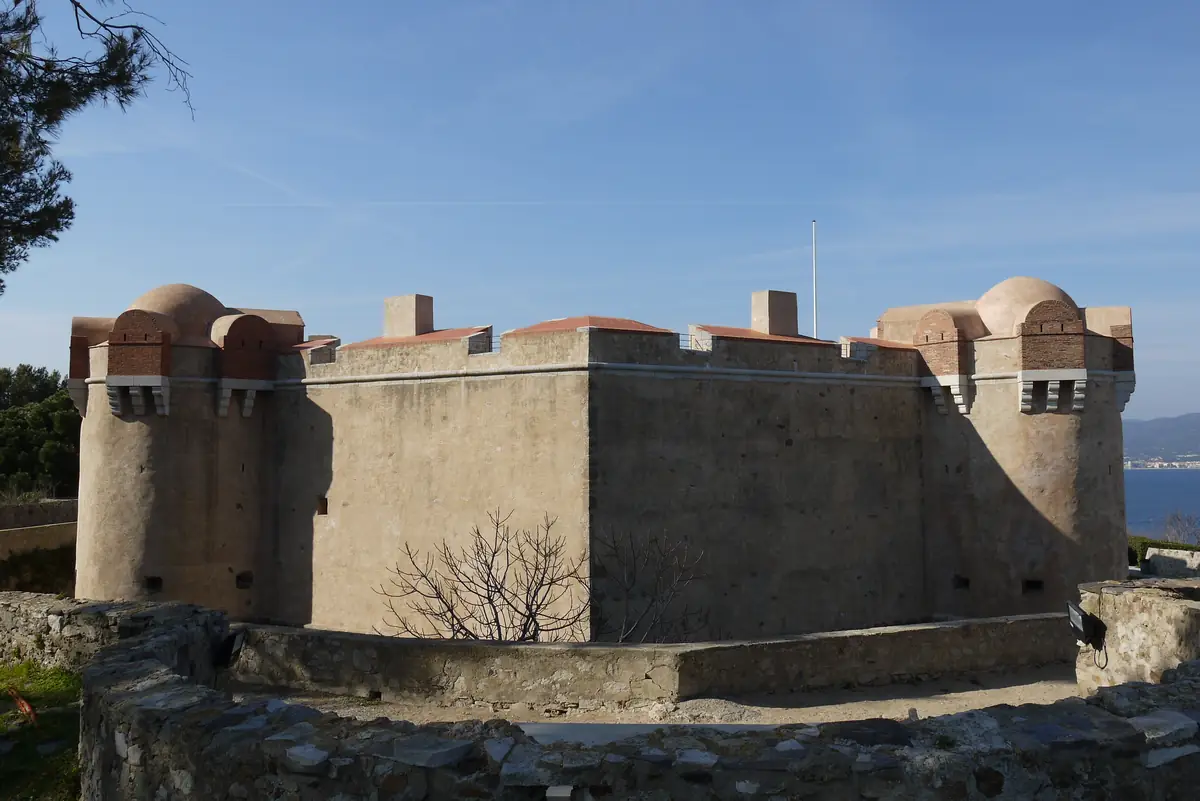
Built between 1602 and 1607, its hexagonal keep was the garrison’s last refuge in the event of an attack. A moat and drawbridge protected the entrance. The climb from the quays leads from the trading harbour to the fortifications built to defend the coast.
The Bravades also preserve the memory of local defence: the May ceremonies combine devotion to the patron saint with the heritage of the town militia. Another Bravade, on 15 June, commemorates the town’s resistance to an attack by twenty-one Spanish galleys in 1637.

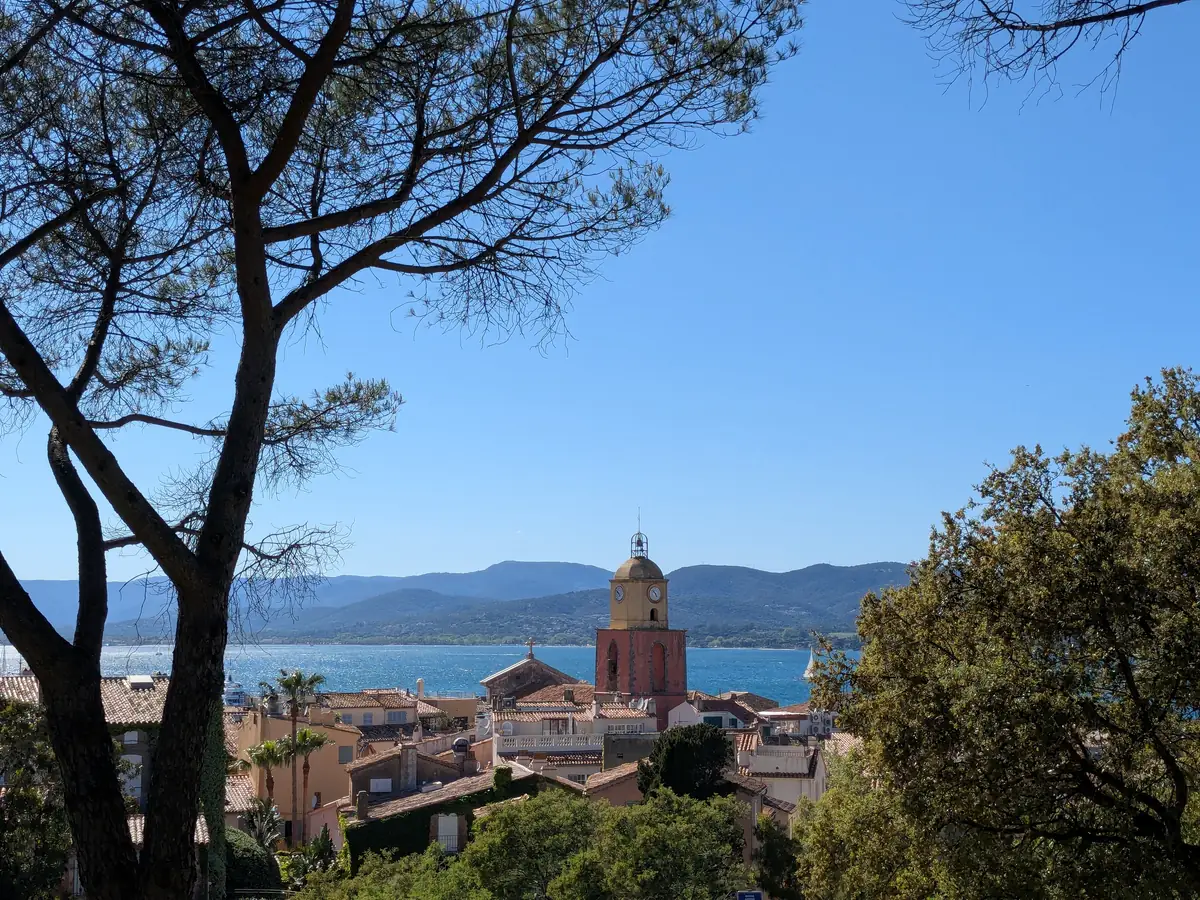
Inside the keep, the maritime history museum follows the people of Saint-Tropez along Mediterranean and ocean routes through objects, accounts and sailing footage. Outside, cannons overlook the gulf; between the pines, the bell tower and rooftops mark our route up from the harbour.
Continue your getaway along the Var coast
West of Saint-Tropez, Bormes-les-Mimosas overlooks the beaches from the foothills of the Maures. Further on, the Giens peninsula alternates salt marshes, long sandy beaches and rocky shores.
Practical information
Planning a getaway to Saint-Tropez
- Time and season
- Allow half a day for the harbour, centre and climb to the citadel; longer to visit both museums. Spring and autumn, outside major events, generally offer a quieter walk. In summer, mornings are preferable to avoid the worst heat and crowds.
- Parking
- The Nouveau Port and Les Lices car parks let you continue on foot. Check locations and conditions on the municipal parking page. Roads around the gulf are very busy in season.
- Arriving by sea
- Shuttle boats connect Sainte-Maxime with Saint-Tropez, among other routes. Other services and frequencies vary with the season: check the sea connections listed by the town to plan your outward and return journeys.
- Museums
- The citadel and its maritime history museum are above the centre; the Annonciade museum is beside the harbour. Check opening hours and closures with each museum.
- Events
- The Bravades take place on 16, 17 and 18 May; the Bravade des Espagnols is held on 15 June. Les Voiles de Saint-Tropez brings activity to the harbour in late September and early October, according to the annual calendar.
- What to bring
- The climb to the citadel includes slopes and steps. Bring comfortable shoes, water and sun protection.
To plan your visit: Saint-Tropez Tourist Office.
Extend your stay
Guest houses near Saint-Tropez
Discover guest houses in the area and visit the owners’ websites directly to plan your stay.
Last updated: