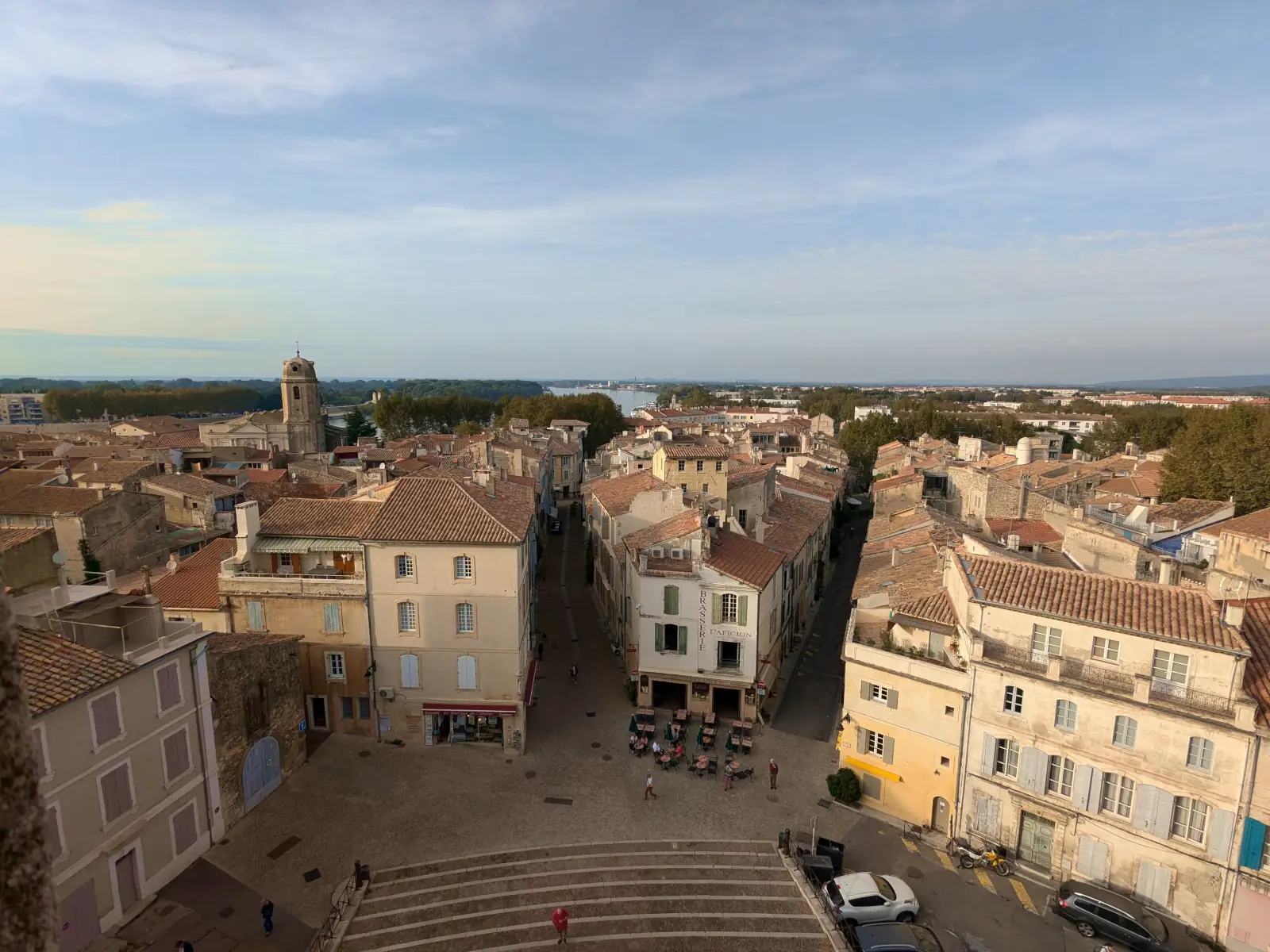
Arles is the last major town along the Rhône before the river forms the Camargue delta. This position helps explain its ancient importance: a place of passage, trade and power, still strongly connected to the river and the broad landscapes to the south.
The historic center is discovered through squares, narrow streets, town houses and passages of pale stone. Arles keeps a rare density, with Roman and medieval heritage woven into everyday city life.
Arena, ancient theater and Musée Arles Antique
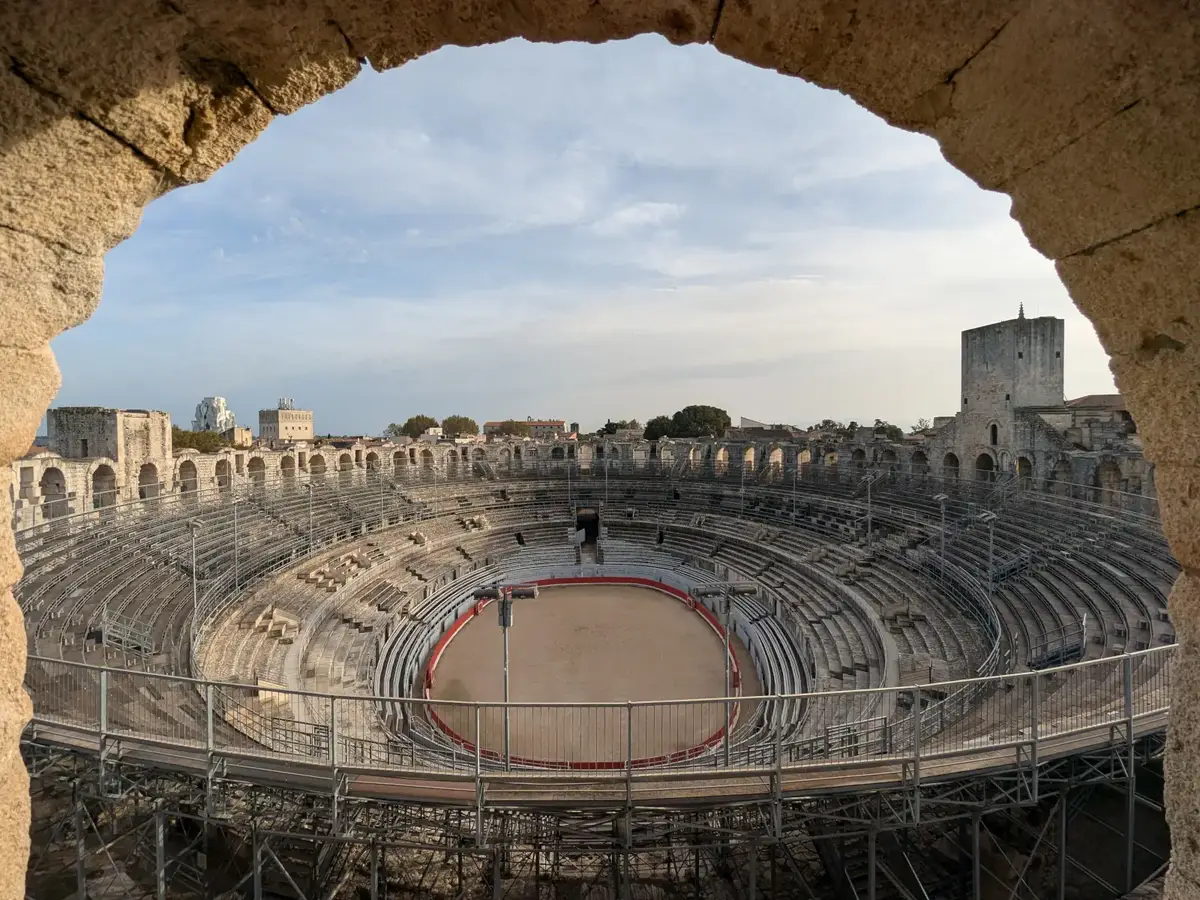
The arena, ancient theater, Alyscamps, baths of Constantine and Roman remains recall the role of Arles in antiquity. The departmental Musée Arles Antique completes the visit with collections that explain the Roman city, its port, necropolises and organization.
Saint-Trophime and the medieval town
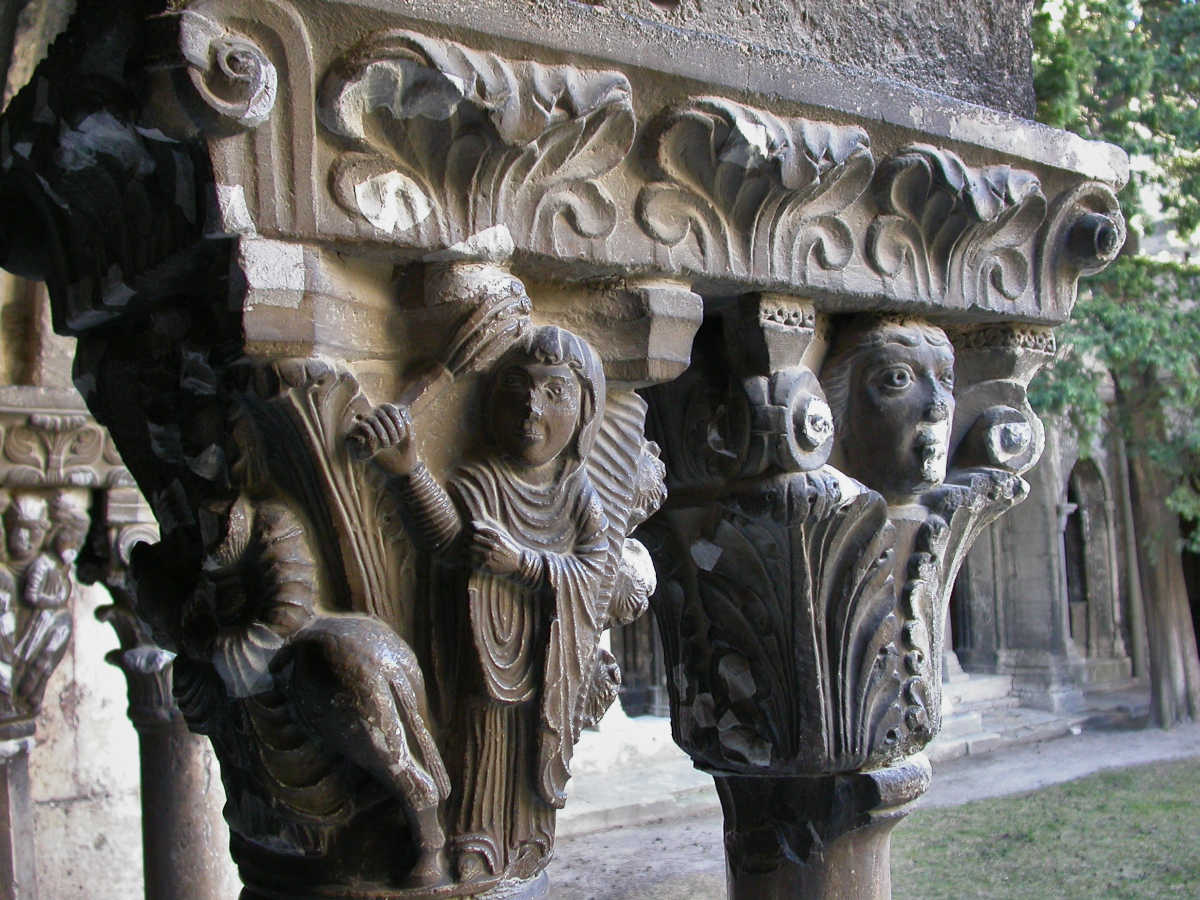
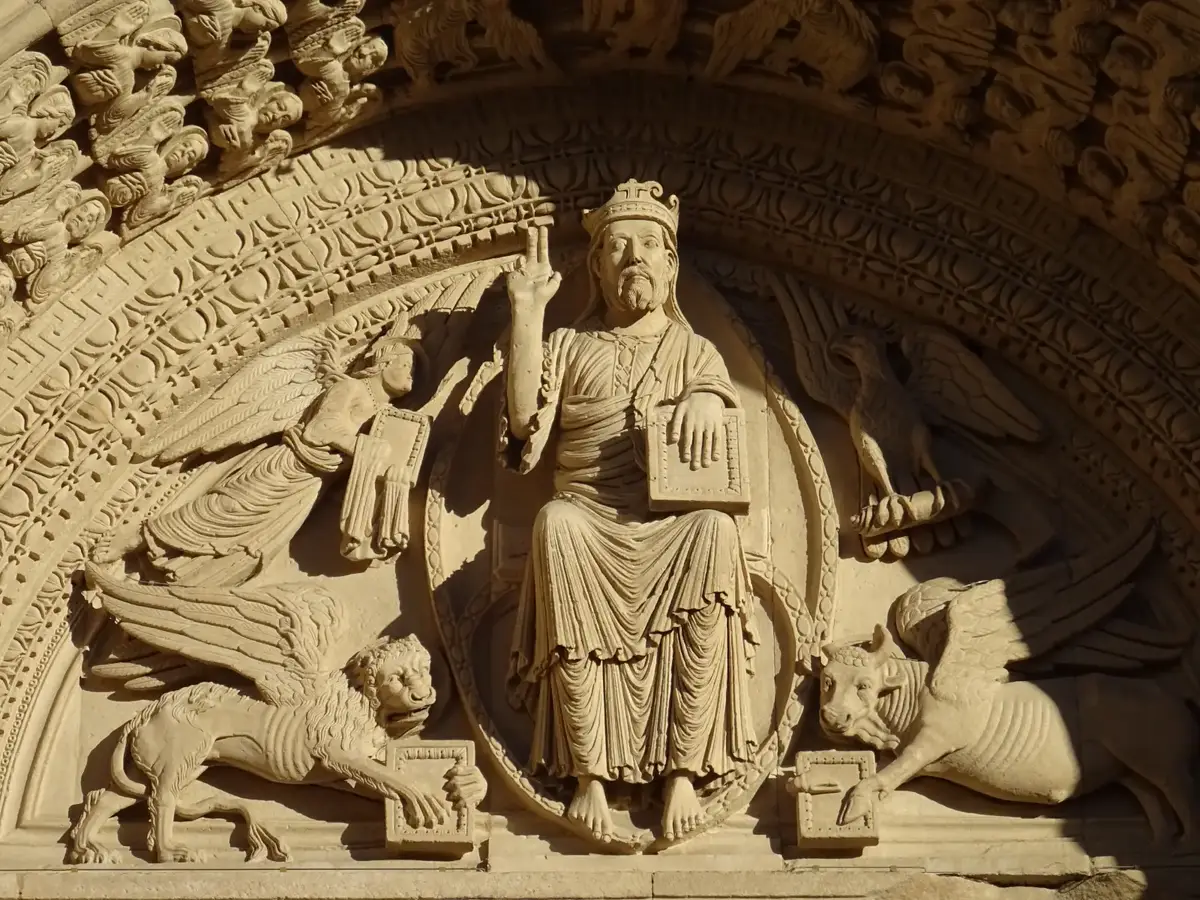
Around Place de la République, Saint-Trophime cathedral stands out with its Romanesque façade and cloister. Sculptures, capitals, galleries and architectural details show the religious and artistic importance of Arles in the Middle Ages.
Photography, traditions and nearby excursions
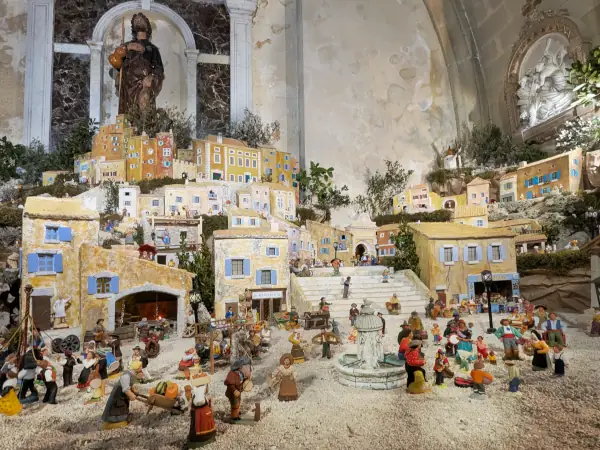
The Rencontres de la photographie give contemporary creation a major place every summer. Ferias, bull-related traditions, markets and the nearby Camargue add further dimensions to the stay. At Christmas, the Notre-Dame-de-la-Major nativity scene introduces the santons and scenes of Provençal life.
Staying in a bed and breakfast in Arles makes it easy to explore the Camargue, the Alpilles, Montmajour Abbey, wild beaches such as Piémanson beach and the Rhône valley. The town suits both a cultural stay and a base for exploring southern Provence.

 Meals with the hosts