


A getaway in the Dentelles de Montmirail
Crestet, a walk through the hilltop village
Text and photographs by Vincent Flachaire
At Crestet, stone houses rise along a ridge above the vineyards. Cobbled lanes lead towards the church and the castle of the bishops of Vaison, by way of steps and vaulted passages.
A village on a ridge
A few kilometres from Vaison-la-Romaine, Crestet stands at the north-eastern end of the Dentelles de Montmirail. Its name refers to the small ridge on which the village grew. From the vineyard roads, you can make out the castle at one end and the bell tower among the houses.
From the Ouvèze valley, the road reaches the edge of the old village. The walk continues along the calades, stone-paved lanes that follow the contours of the hillside.

Cobbled lanes and Renaissance houses
Cut-stone surrounds frame doors and windows in the rubble-stone walls. Several houses retain Renaissance-style openings. Steps lead to entrances at different heights, following the levels of the rock.
The lanes still serve the homes of village residents. Some façades also bear sculptures by Durieux, an artist who lived here: grimacing heads, a bishop and other figures to look for above eye level.

Saint-Sauveur, a church against the rock
The church of Saint-Sauveur-et-Saint-Sixte is built against the cliff. Its western wall leaves little room for windows, which explains the limited light in the nave. When the church is open, you can see its ribbed vaults.
In the 19th century, maintaining the building was a considerable expense for the community. A buttress was built in 1829 to support a weakened corner. In 1860, the municipal council and the parish council responsible for church property wrote to Empress Eugénie to request help with the work.
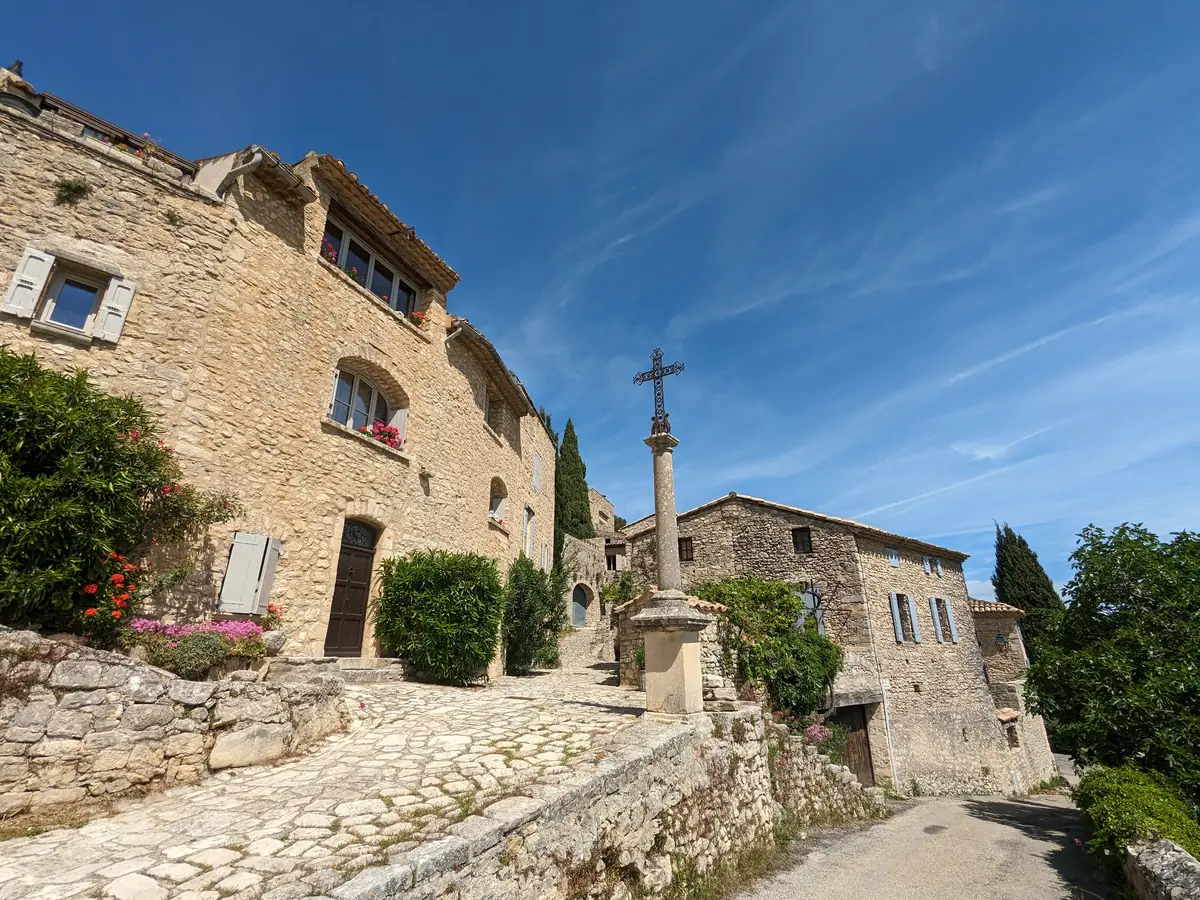
Near the church, the fountain with its octagonal basin once supplied residents and animals. Its overflow ran down to the washhouse, then to the gardens below: the same water served several purposes as it flowed downhill. Each gardener was allotted a watering time under local regulations; cisterns beneath the paths stored reserves without taking up cultivable land.
The castle of the bishops of Vaison
At the top of the village, the castle was one of the residences of the bishops of Vaison and sheltered them during disputes with the counts of Toulouse. Its position allowed them to watch over the neighbouring valleys. Yet in 1574, during the Wars of Religion, Protestant attackers scaled the defences, looted the village and then withdrew.
After the French Revolution, stones from the castle were reused in the houses. In 1979, the architect Roger Anger bought the building and began consolidating and rebuilding it. Today, this private property can be viewed from the esplanade, which overlooks the Ouvèze valley and Mont Ventoux.

Explore Vaison and the vineyards
Below Crestet, the vines produce wines of the Ventoux appellation. Vineyard roads lead to the villages of the Dentelles de Montmirail. At Cairanne, the ramparts overlook the vineyards of another cru, whose wines can be sampled in the tasting rooms.

Nearby, the bridge and Roman town of Vaison offer another walk, along the Ouvèze and the ancient sites. The two visits complement each other: the lower town preserves Roman remains, while Crestet introduces a village established around an episcopal residence.
Practical information
Visiting Crestet
- Route and duration
- Allow an hour to an hour and a half to explore the cobbled lanes, see the area around the church and reach the castle esplanade, with photo stops. A walk further into the surrounding countryside needs additional time.
- Access and parking
- From the road linking Vaison-la-Romaine and Malaucène, follow signs for the old village. Use the visitors’ car park below the village, then continue on foot. The present town hall is down in the valley, on Chemin des Condamines.
- What to bring
- Wear shoes suitable for cobbled lanes, steps and steep passages. The stones can be slippery when wet. In summer, bring water and favour the morning or late afternoon for the climb.
- Monuments and access
- The streets and esplanade are freely accessible. The castle is private and its interior is not part of the walk. Ask the tourist office about opening arrangements for the church and the chapel of the Annonciade.
Plan your visit with the Vaison Ventoux Provence tourist office.
Extend your stay
Bed and breakfasts around Crestet and Vaison-la-Romaine
Staying near Crestet lets you explore the villages of the Dentelles, Vaison-la-Romaine and the roads around Mont Ventoux. The portal presents guest houses with direct links to their owners’ websites.
These properties listed on the Portal are within 25 km as the crow flies of the location featured in this getaway. Visit their websites to plan your stay.
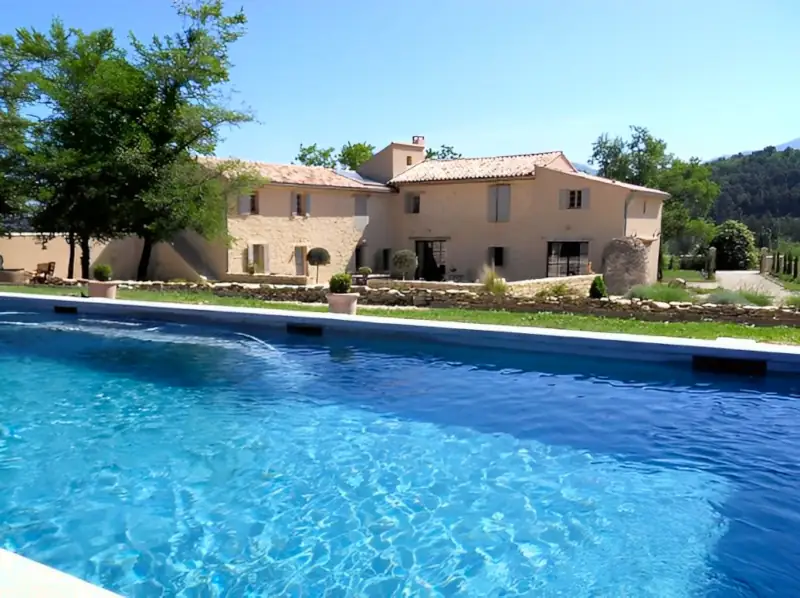

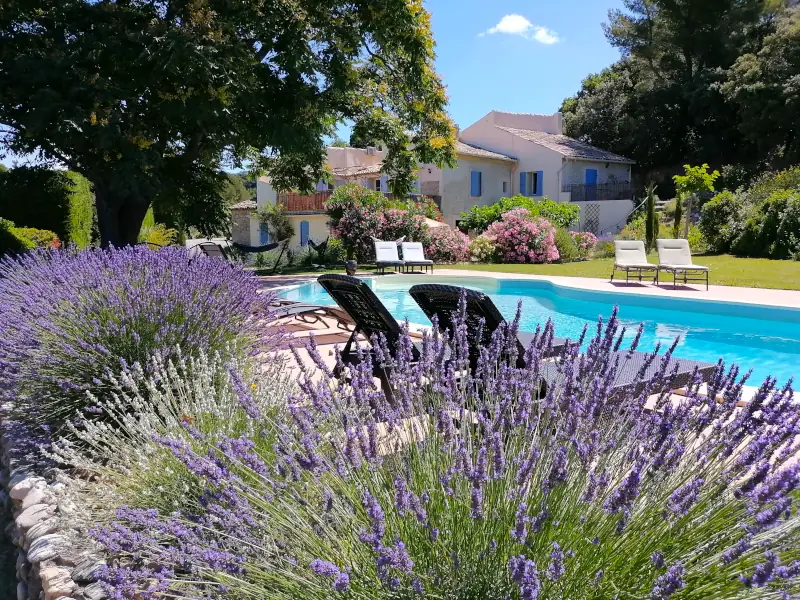
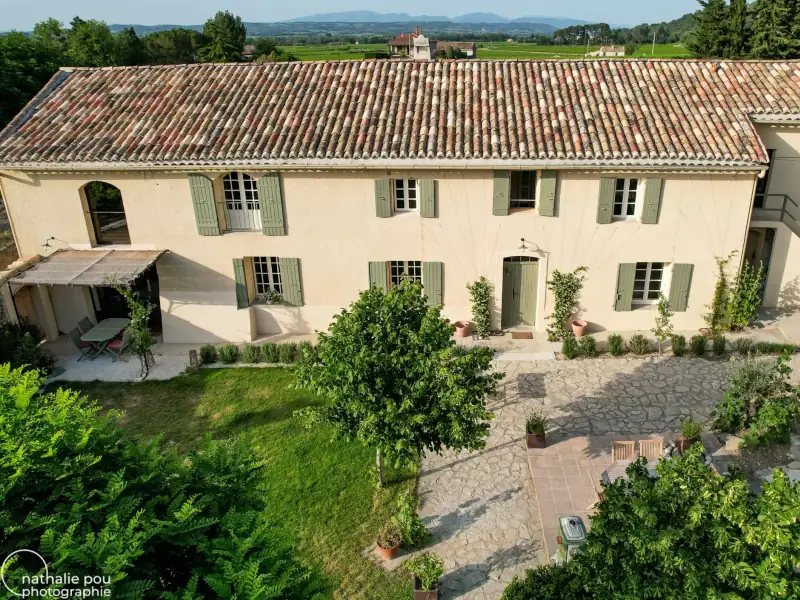
Le Mas des Poules
Charming bed and breakfast and Gîte
Saint-Roman-de-Malegarde
Visit website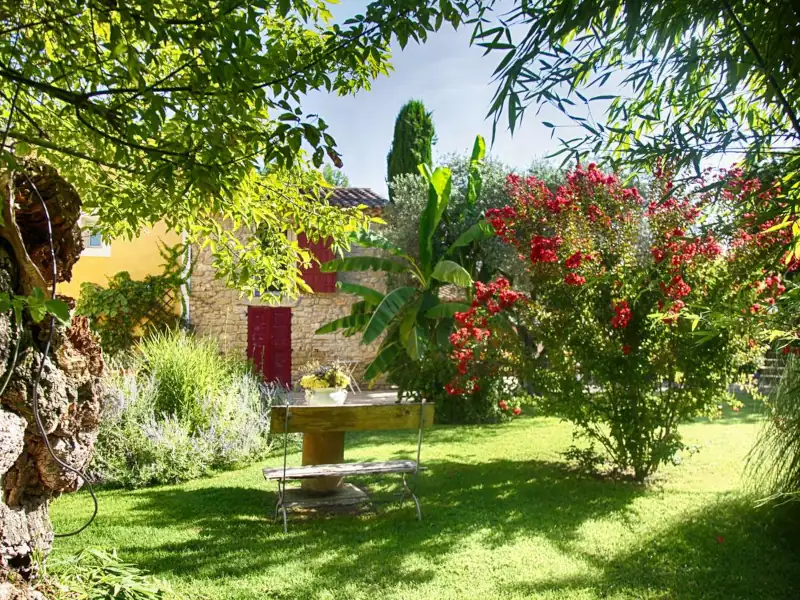
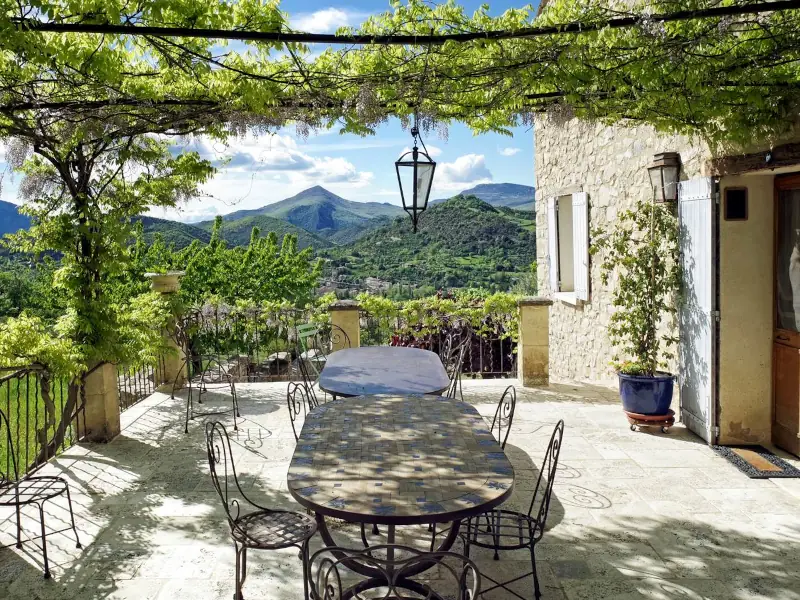
Le Deffends de Redon
Charming bed and breakfast
Montbrun-les-bains
Visit website
Last updated: