


A getaway in the Luberon
Cucuron, from the Étang basin to the Saint-Michel keep
Text and photographs by Vincent Flachaire
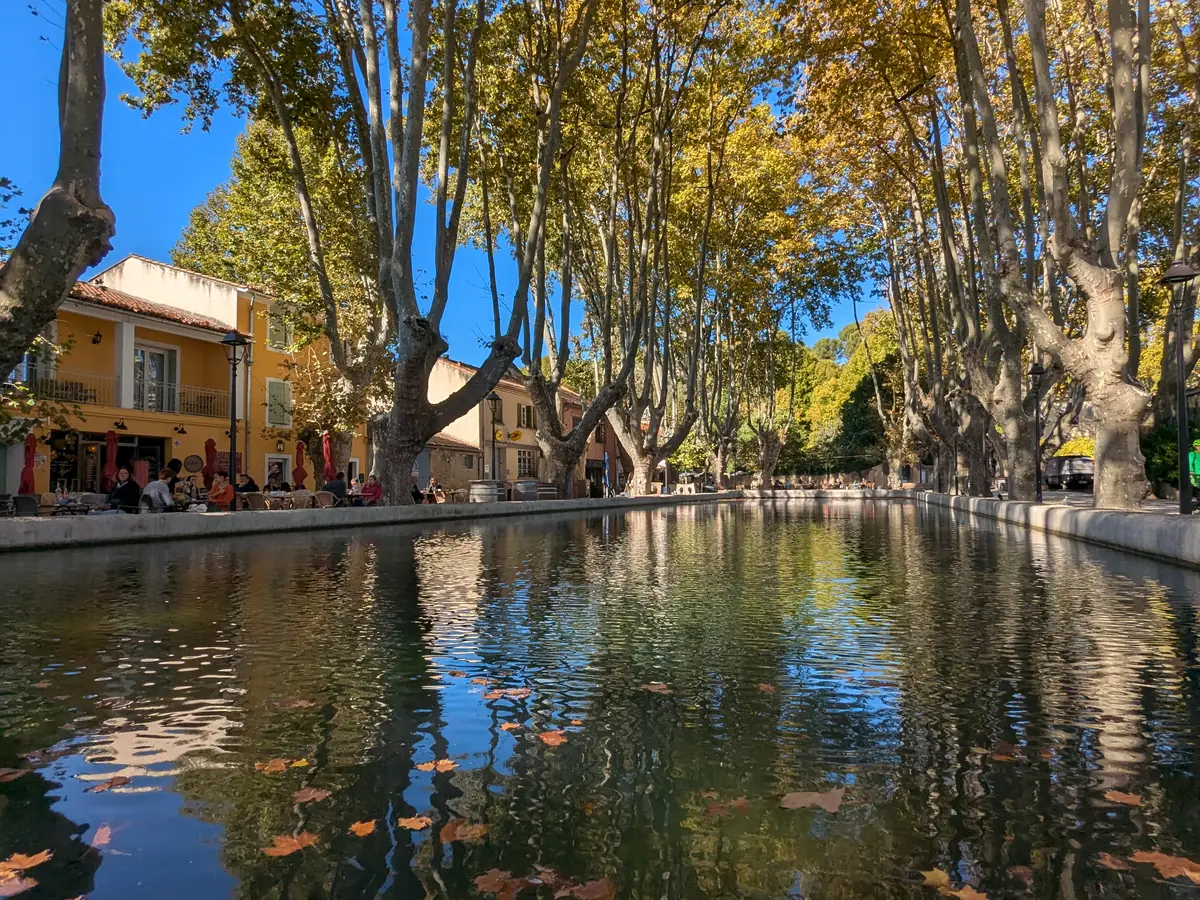
In Cucuron, plane trees are reflected in the Étang basin. From there, the lanes climb towards the Saint-Michel keep, overlooking the village rooftops at the foot of the Grand Luberon.
The Étang basin, a starting point for exploring Cucuron
This large basin, 61 metres long and 13 metres wide, occupies a square lined with houses. Two rows of plane trees follow its banks. Beneath the trees, beside the water, the benches and café terraces are pleasant places to relax.
On Tuesday mornings, market stalls fill the square and spread towards the Étang gateway. The streets leading away from the basin climb to the older quarters above.

A water reservoir for the village mills
Recorded as early as 1403, the reservoir was purchased by the municipality in 1515. Pipes brought water from springs in the Luberon; it watered livestock and powered two flour mills downstream.
After the mills disappeared in the 19th century, the reservoir was reduced to the size of today’s basin and turned into an ornamental pool. Plane trees and café terraces now line this place for strolling, protected as a scenic site since 1954.
The gateways and lanes of old Cucuron
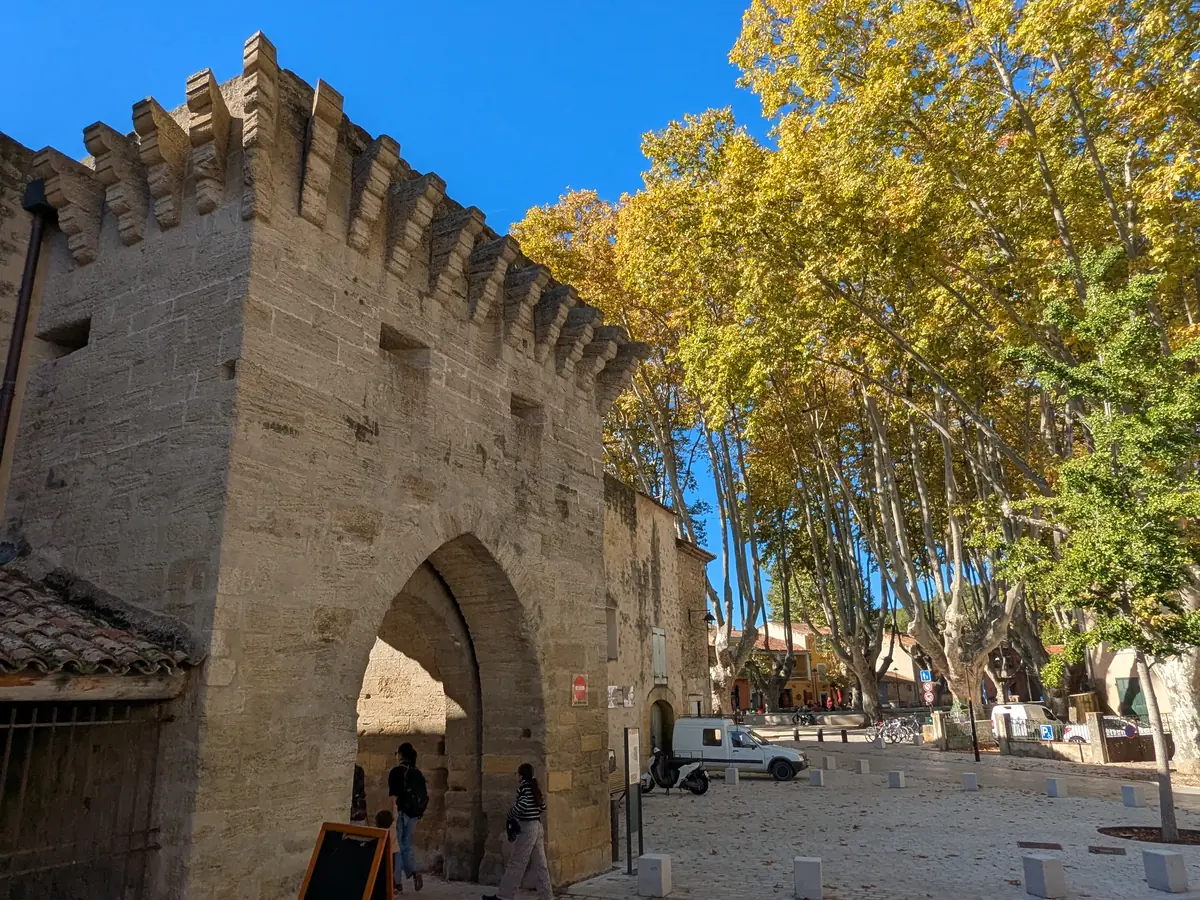
The Étang gateway leads into the village, where the spaces become narrower.
This gateway belonged to the 16th-century fortifications, which protected Cucuron behind ramparts and a dry moat. A drawbridge controlled the entrance: the openings for its chains are still visible. Four gateways and six towers once defended the village.
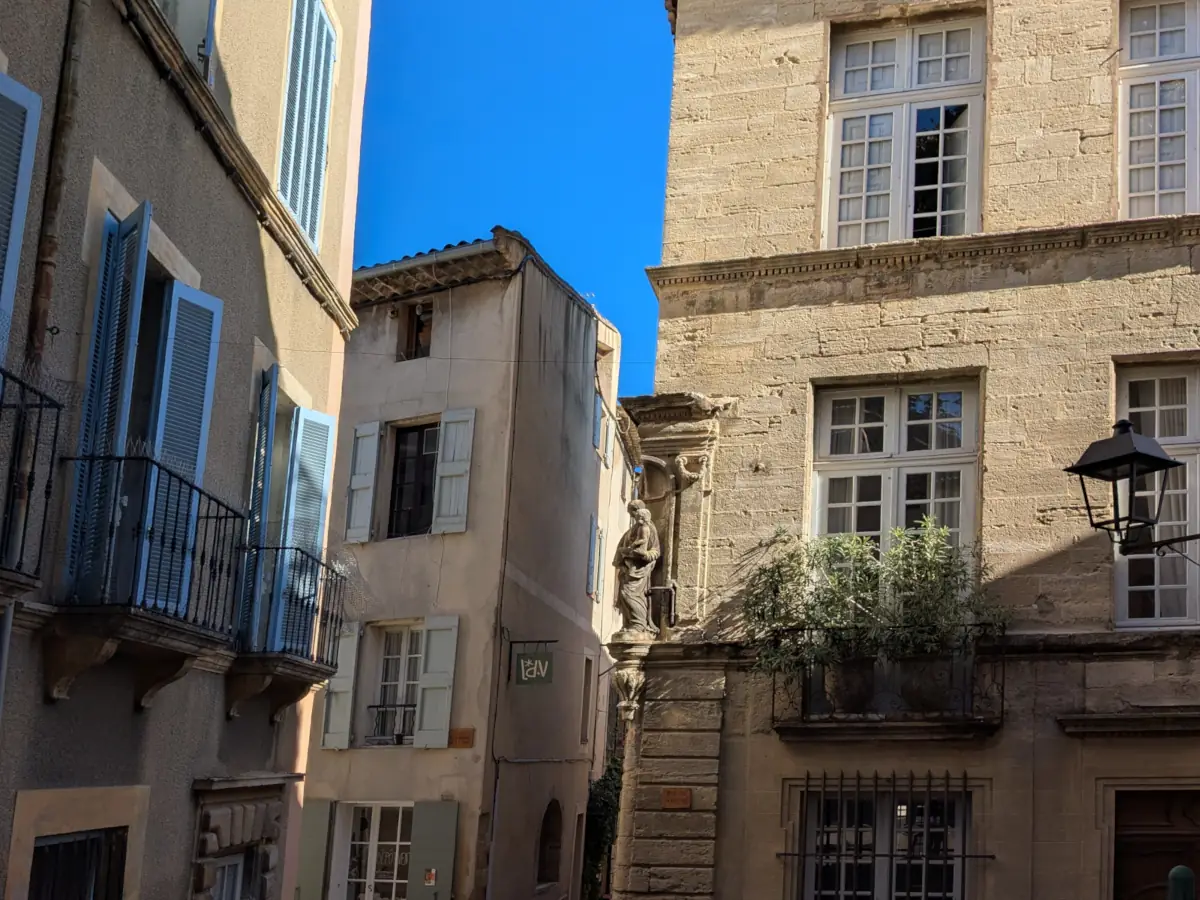
At the junction of rue du Portail de l’Étang and rue de l’Église, the Maison des Consuls has two 17th-century façades. A niche holds a carved Virgin and Child attributed to Bernus de Mazan.
The clock tower above the Revelin gateway
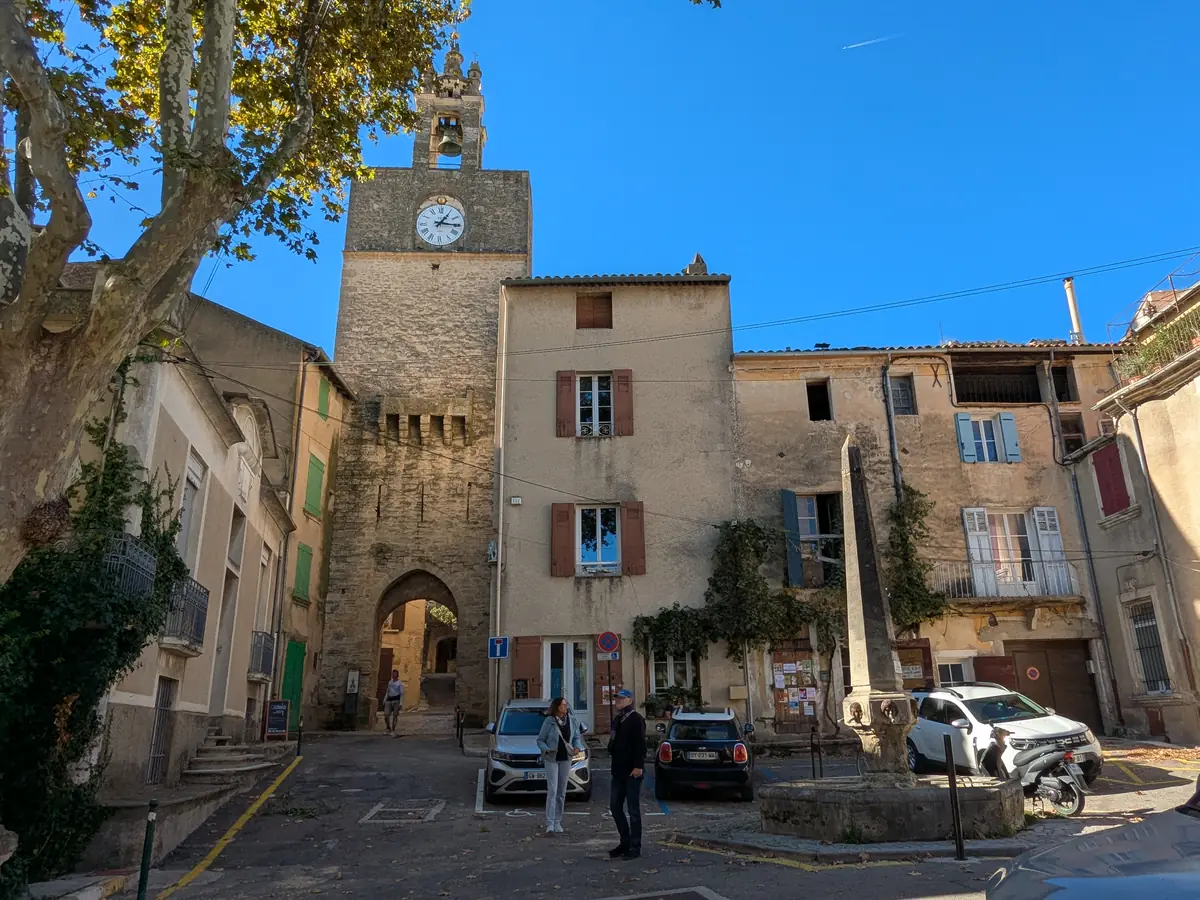
We reach the clock tower, built in 1541 above the old Revelin gateway. This pointed arch belonged to the second medieval enclosure, dating from the 13th century: Cucuron had by then expanded beyond its original core around Saint-Michel castle.
Below the clock face, the passage opens onto a narrow street. The bell turret rises above the façades and remains visible on the climb towards the keep.
The house known as the Maison de la Reine Jeanne dates from the late 15th century. This aristocratic residence is distinguished by its stair turret and a small chamfered window on the second floor.
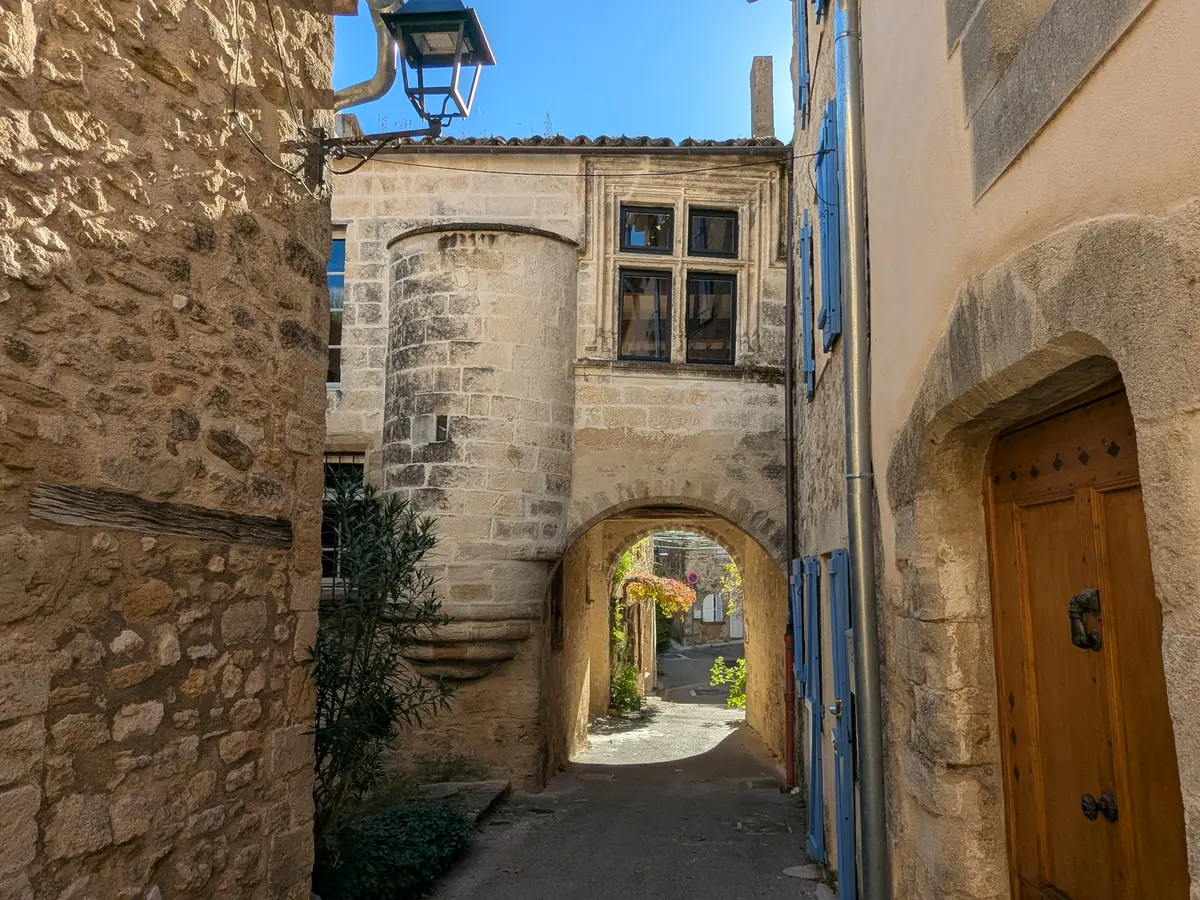
The Saint-Michel keep above Cucuron’s rooftops
On the hill, the Saint-Michel keep is the main surviving part of the old castle. Its tower, flanked by a spiral staircase added in the 16th century, stands on rock above the houses on the slopes below.
On 24 March 1889, Élise de Barlet sold the tower to the municipality of Cucuron for a symbolic franc, on one condition: that it should never be sold or demolished.
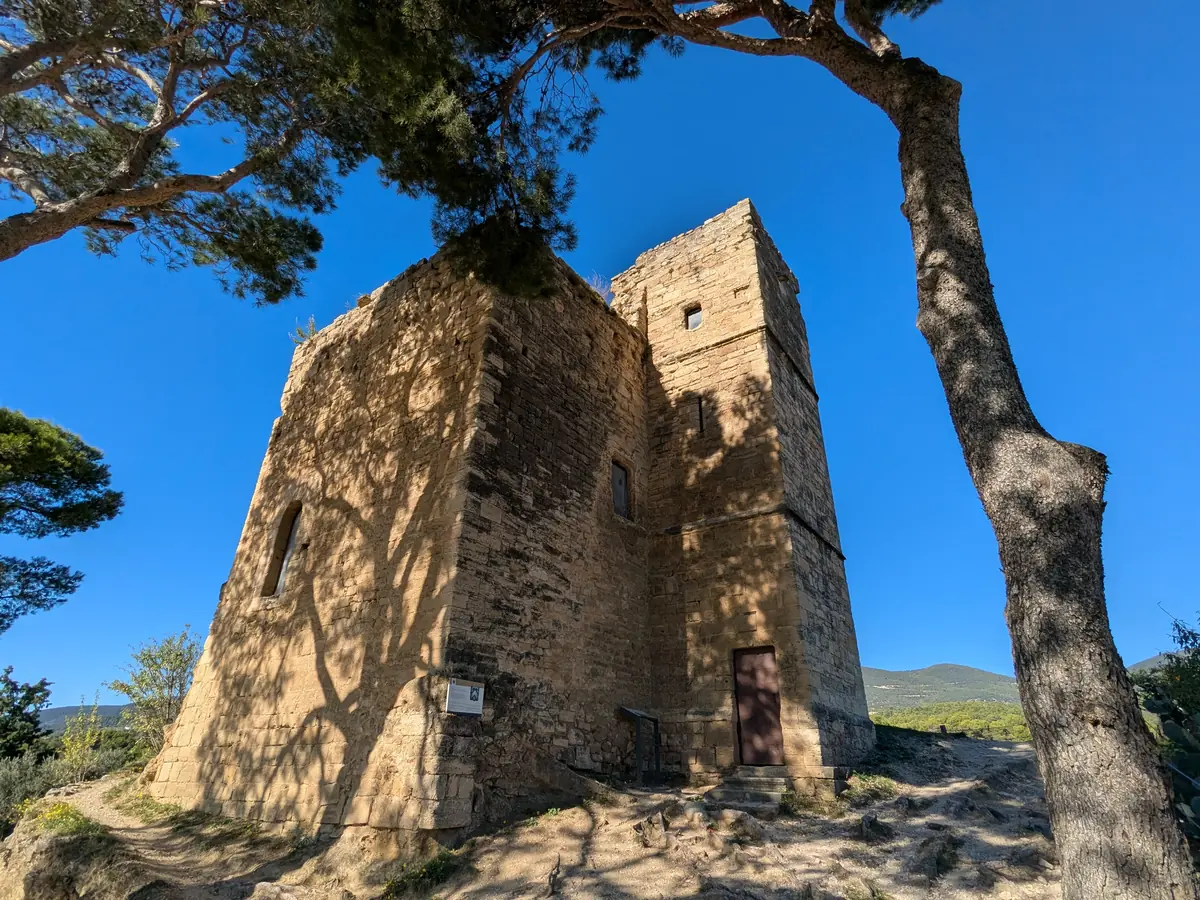
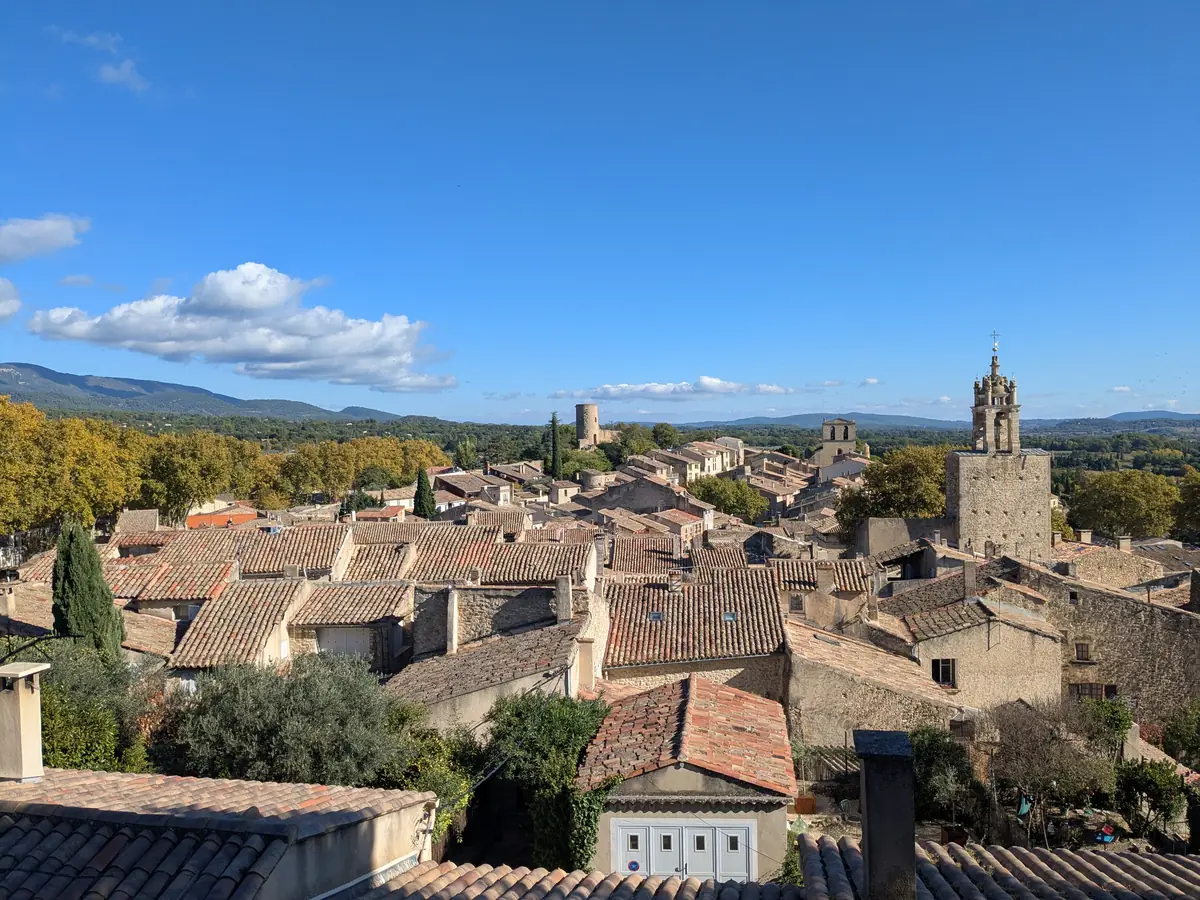
From near the keep, the view takes in the village rooftops, the clock tower and the church. The wooded slopes of the Grand Luberon extend to the north. These streets and rooftops featured in Le Hussard sur le toit, directed by Jean-Paul Rappeneau and released in 1995.
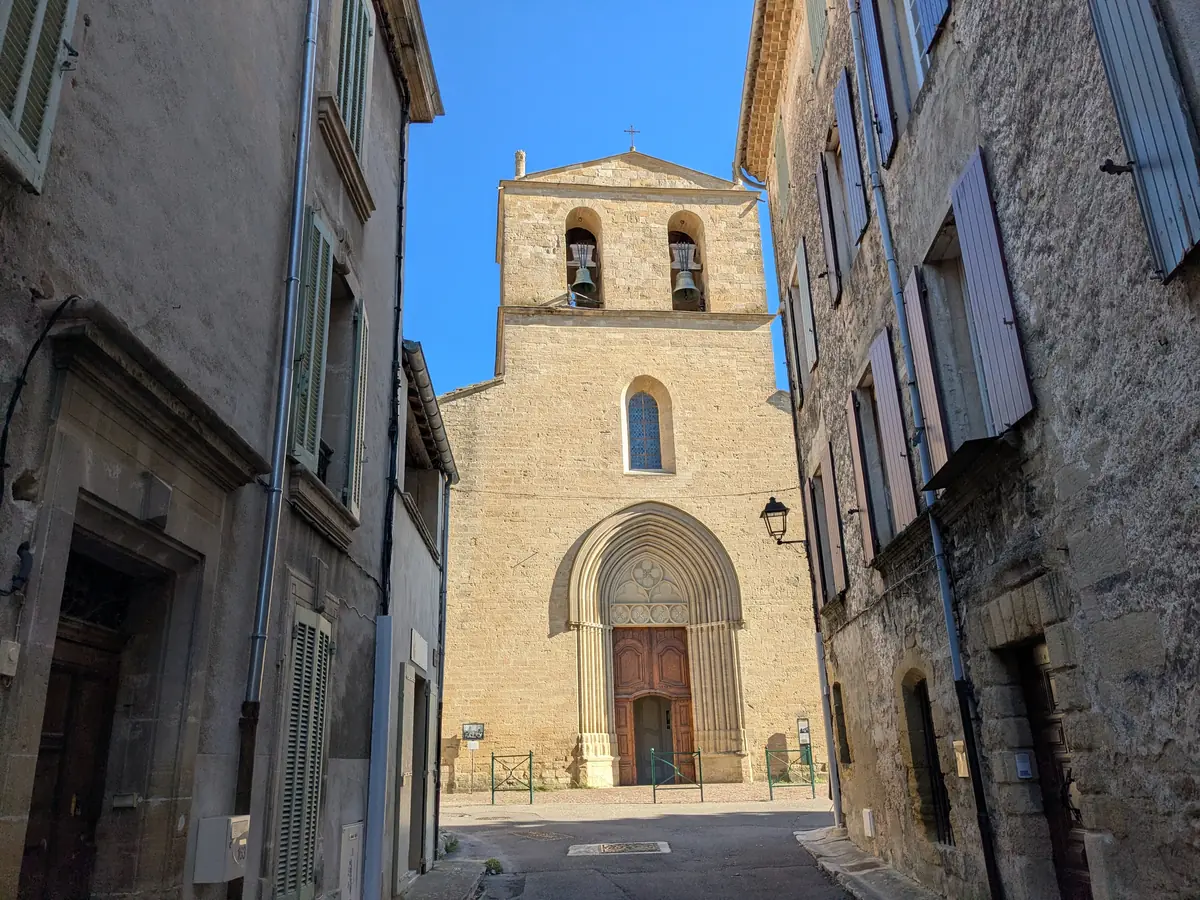
Notre-Dame-de-Beaulieu
Descending from the keep, rue de l’Église leads to Notre-Dame-de-Beaulieu. It passes the Marc Deydier museum, housed in the Hôtel de Bouliers, with its archaeological and ethnographic collections.
The nave of Notre-Dame-de-Beaulieu dates from the late 13th century. Its pointed barrel vaults reflect the Provençal Romanesque tradition, retained despite extensions to the chancel in the 16th century.
Inside, the 18th-century high altarpiece features a relief of the Assumption of the Virgin attributed to Pierre Puget. The organ, built by Pierre Duges in 1787, reuses parts of an earlier instrument.
Saint Tulle’s chapel houses a large wooden altarpiece from the early 18th century. It was purchased during the French Revolution from a former convent in Aix-en-Provence. The church also preserves the reliquary bust of Saint Tulle, Cucuron’s patron saint, alongside those of Saint Cyr and Saint Consorce.
The plague of 1720–1721 profoundly affected Cucuron: about 800 inhabitants died, more than a third of the population. The village never regained its pre-epidemic population. The Mai de Sainte-Tulle, celebrated each year outside Notre-Dame-de-Beaulieu, keeps alive the memory of the vow made by the inhabitants during the epidemic.
The Süs Pous tower at the far end of the village
At the other end of the old village stands the Süs Pous tower, also known as the Citadel tower. Built in 1542 to strengthen the ramparts, it became part of a citadel defending Cucuron.
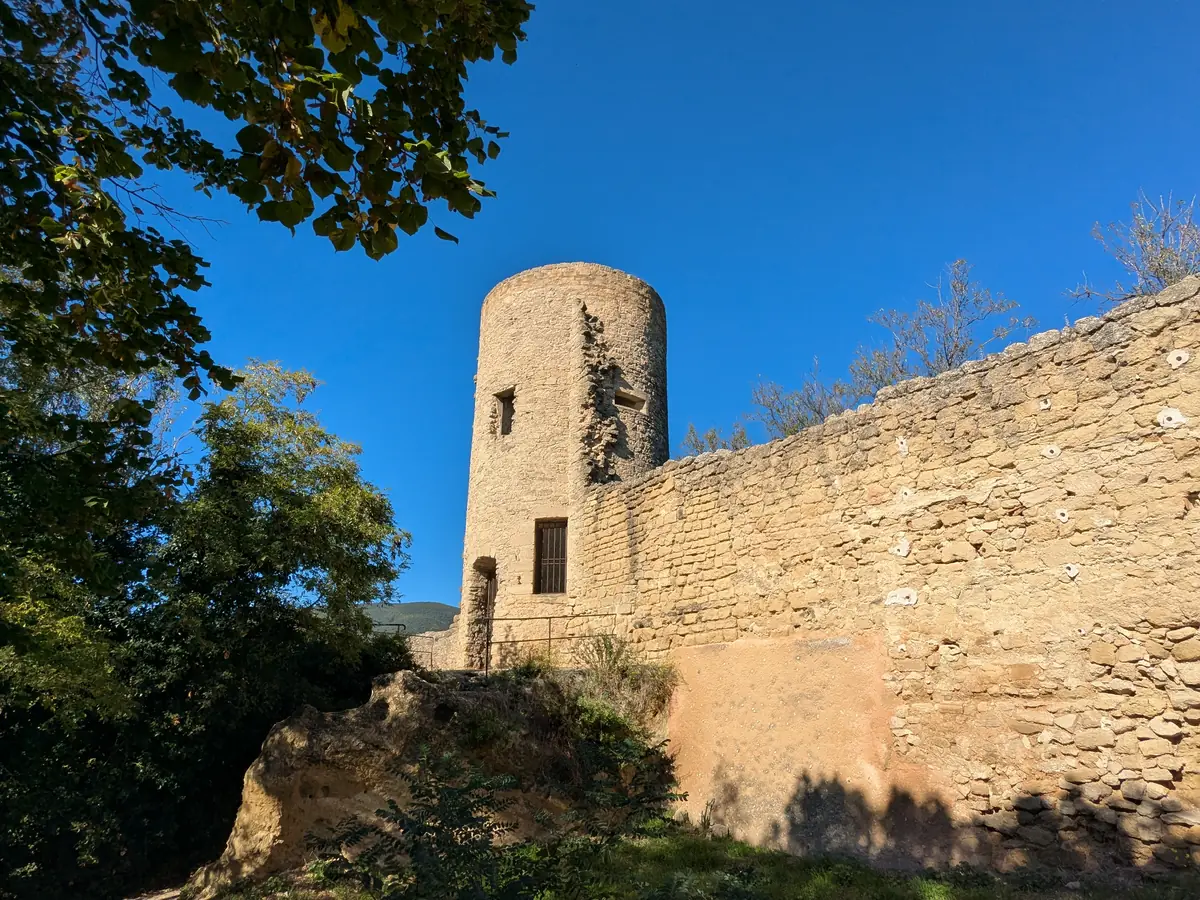
From the foot of the tower, the Saint-Michel keep stands opposite, above the rooftops. The clock tower rises on the left.

Continue exploring the southern Luberon
At the foot of the Grand Luberon, roads leave Cucuron through vineyards, olive groves and farmland. They lead to Vaugines, Ansouis and Lourmarin. Lourmarin’s Friday morning market fills the village streets and squares.
To continue towards the Durance, the Mirabeau bridge and its neo-Romanesque portals offer a stop beside the river. On the other bank, the lanes and fountains of Jouques extend the route into the Pays d’Aix.
Practical information
Exploring Cucuron on foot
- Starting point and route
- Place de l’Étang in Cucuron (84160). The lanes of the old centre climb towards the clock tower and Saint-Michel keep, then continue to the Süs Pous tower; some have steps.
- Suggested duration
- Allow around 1½ to 2 hours for the basin, lanes and the outside of the monuments, excluding indoor visits and long stops.
- Parking
- The municipality lists car parks at the Étang, on route de Vaugines and at La Ferrage, among others. The municipal parking list gives their locations and capacities.
- Markets
- The weekly market takes place every Tuesday morning throughout the year. The town hall also lists a producers’ market on Thursdays from May to September, 3.30 pm to 7 pm, on place de l’Étang: Cucuron’s markets.
- Saint-Michel keep
- The walk described passes around the keep. The tourist office states that its upper terrace is closed to the public.
- Mai de Sainte-Tulle
- The procession commemorating the plague of 1720–1721 takes place on the Saturday after 21 May outside Notre-Dame-de-Beaulieu church. The Mai de Sainte-Tulle and the plague of 1720–1721 in Cucuron, Cucuron town hall.
- Heritage and visits
- Notre-Dame-de-Beaulieu church has been listed as a historic monument since 1961. Cucuron’s heritage trail and visitor information from Sud Luberon tourist office.
Extend your stay
Guest houses around Cucuron to extend the getaway
Around Cucuron, Lourmarin, Vaugines and Ansouis, the southern Luberon lends itself to a guest house stay between villages, vineyards, small roads and shaded terraces. The portal favours direct links to owners' websites, so you can compare atmospheres and prepare a stay close to the territory.
These properties listed on the Portal are within 25 km as the crow flies of the location featured in this getaway. Visit their websites to plan your stay.

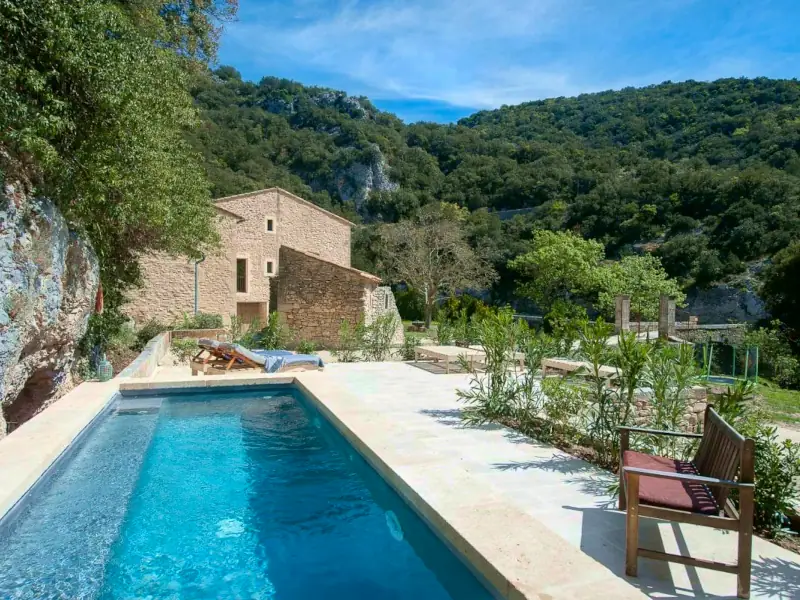

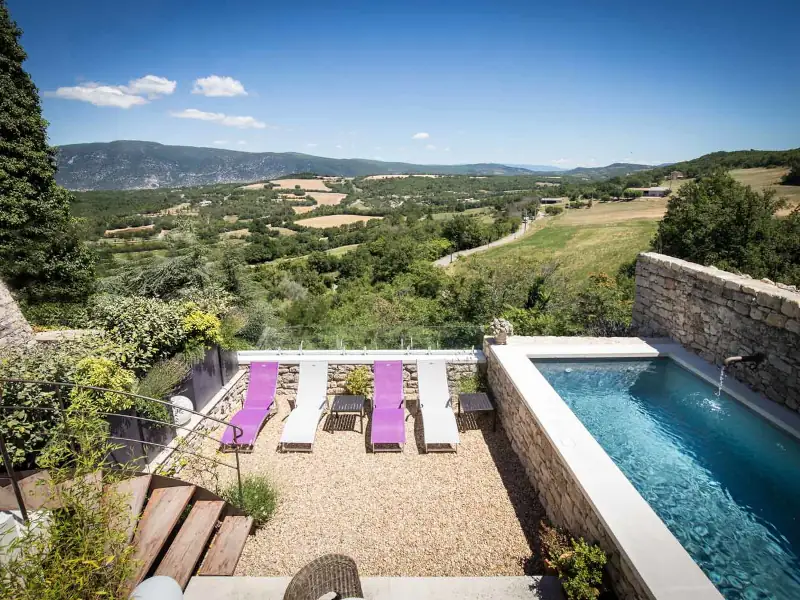
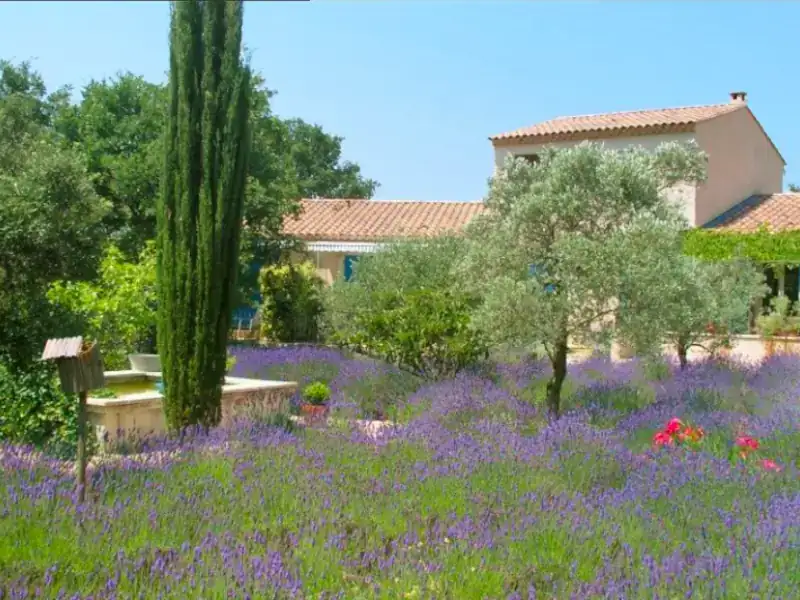

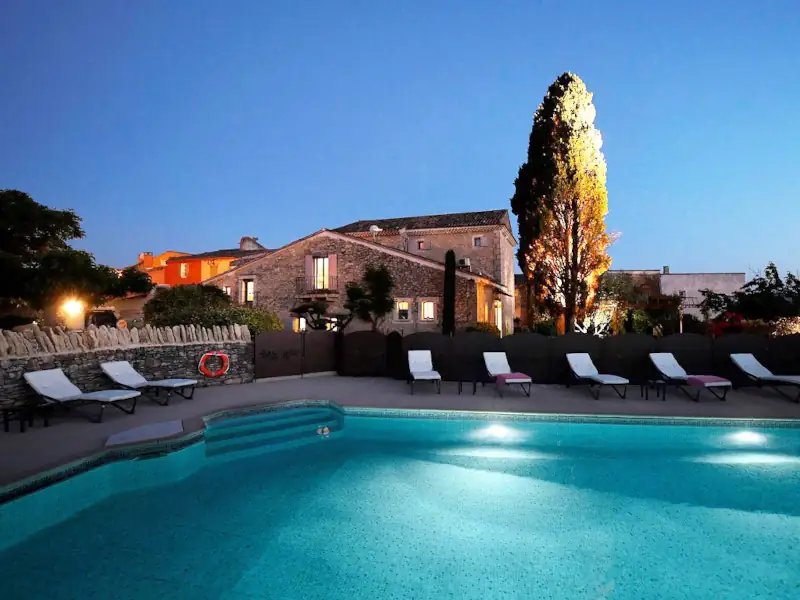
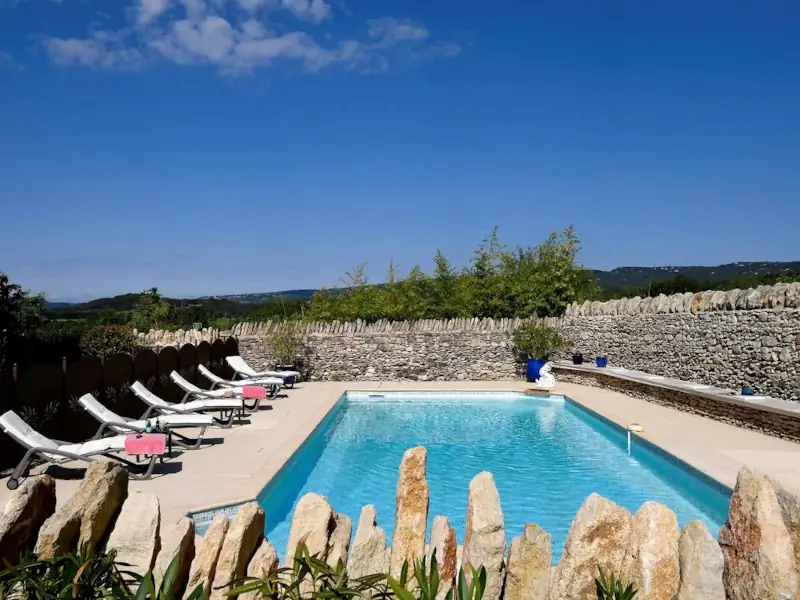
Gîte des Demoiselles
Charming Gite
Roussillon
Visit website

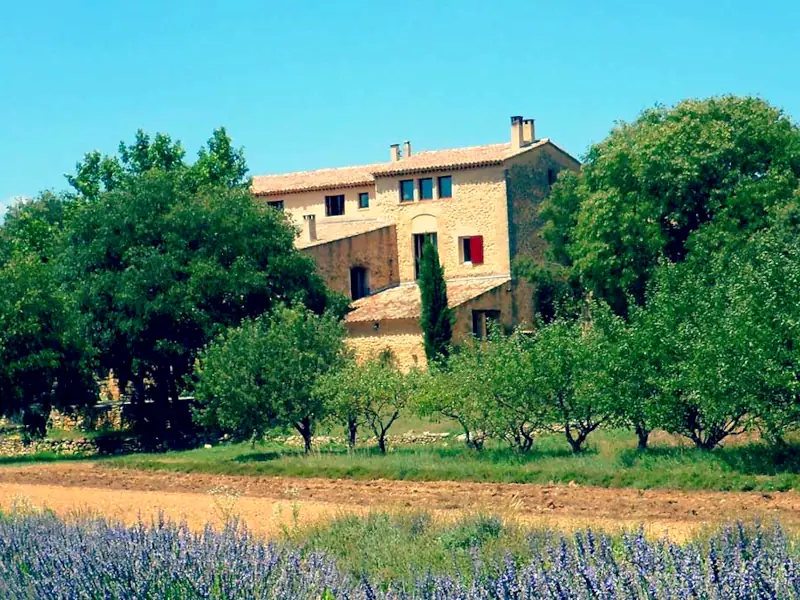
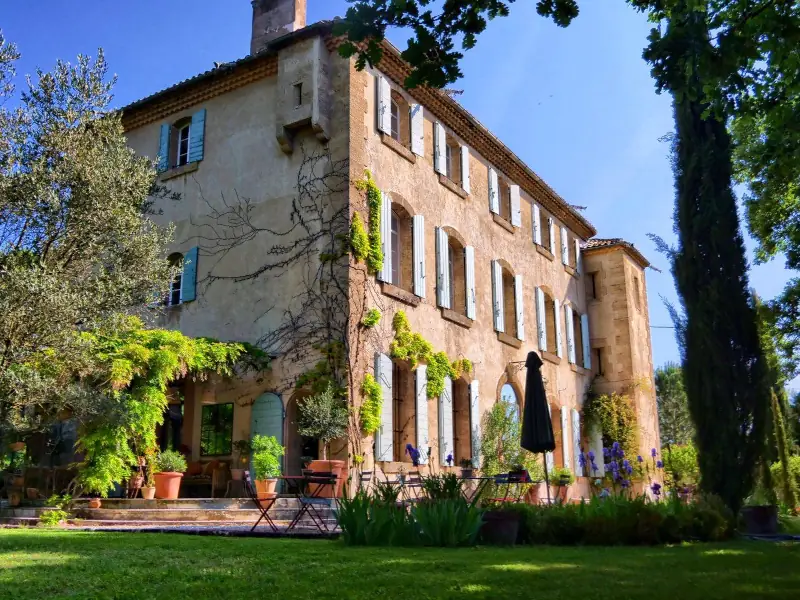

Campagne Chastel
Charming bed and breakfast and Gite
Aix-en-Provence
Visit websiteLast updated: